

When it comes to keeping your power supply steady, understanding the difference between an inverter and a portable generator is crucial. You may find yourself in situations where you need reliable electricity, whether for camping trips, home emergencies, or outdoor events.
But how do you know which option is best for you? We’ll break down the key differences between inverters and portable generators, helping you make an informed choice tailored to your needs. You’ll discover the advantages and disadvantages of each, along with practical tips to ensure you select the right power solution.
Ready to find out which one fits your lifestyle? Let’s dive in!
Inverter Generator



Portable Generator

Power Output Differences
Understanding the power output differences helps choose the right generator. Inverter generators and portable generators have unique features. Each type serves different power needs. Let’s explore how they compare in power output.
Inverter Generator Power Output
Inverter generators produce clean and stable power. They are great for sensitive electronics. Their output ranges from 1,000 to 4,000 watts. This is enough for small appliances and devices. They are quiet and efficient. This makes them ideal for camping or home backup.
Portable Generator Power Output
Portable generators offer higher power output. Their range typically goes from 3,000 to 10,000 watts. This allows them to power larger appliances. They are perfect for construction sites or outdoor events. The noise level is usually higher. This may be a concern in quiet areas.
Comparing The Two
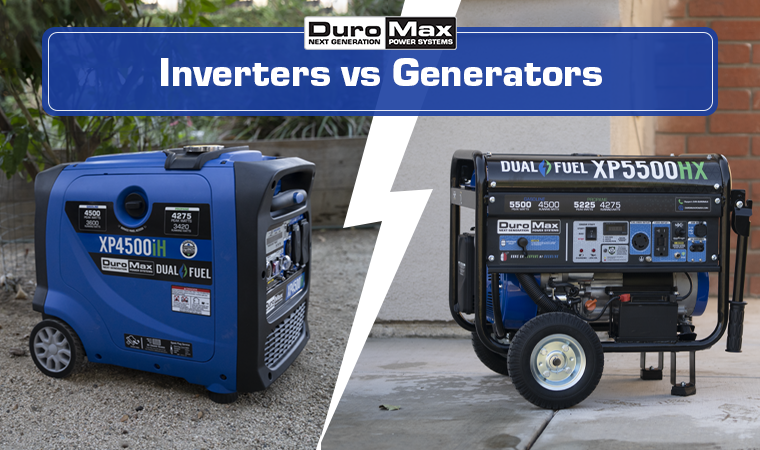
Inverter generators excel in clean power and quiet operation. Portable generators win in sheer power capacity. Choose an inverter for sensitive gadgets. Opt for a portable generator for heavy-duty needs. Each option has its place based on your requirements.
Credit: www.duromaxpower.com
Fuel Efficiency Comparison
Fuel efficiency plays a big role in choosing between an inverter and a portable generator. Knowing how much fuel each type uses helps in making a smart choice. Let’s look at how they compare in terms of fuel usage.
Inverter Generators And Fuel Efficiency
Inverter generators are designed for better fuel efficiency. They adjust their engine speed based on the load. This means they use less fuel when the demand is low.
They can run for longer on a single tank. Many models can run for up to 10 hours at a quarter load. This makes them a good option for extended use.
Portable Generators And Fuel Efficiency
Portable generators generally have a larger fuel tank. They can run for a longer time without refueling. However, they often consume more fuel, especially at full load.
Fuel consumption can vary widely among models. Some may run for only 8 hours at half load. This can lead to higher fuel costs over time.
Cost Of Fuel Consumption
Considering fuel costs is essential. Inverter generators might cost more upfront. Yet, they save money in the long run due to fuel efficiency.
Portable generators may seem cheaper initially. Over time, their higher fuel consumption can add up. This makes inverter generators a smart choice for many users.
Noise Levels In Operation
Noise levels play a crucial role in choosing between an inverter and a portable generator. Many people overlook this aspect, but it significantly affects your comfort and the environment around you. Whether you’re camping, tailgating, or using it at home, the sound can either enhance or ruin your experience.
Noise Levels Of Inverter Generators
Inverter generators are known for their quiet operation. They typically produce noise levels between 50 to 60 decibels, which is comparable to a normal conversation.
This low noise level makes them ideal for camping trips or residential areas where silence is golden. Imagine setting up your campsite, and the only sound you hear is the gentle hum of your inverter generator.
Noise Levels Of Portable Generators
Portable generators, on the other hand, are generally louder. They can produce noise levels ranging from 60 to 75 decibels or more.
Picture this: You’re hosting a backyard barbecue, and the generator roars like a freight train. It can disrupt conversations and annoy your neighbors, creating tension instead of a festive atmosphere.
Impact On Usage
The noise you choose impacts your activities. If you need a generator for camping, an inverter is a smart choice for a peaceful environment.
For home backup power, a quieter generator might keep the peace during a storm. Do you want to risk waking up the whole neighborhood when the power goes out?
Personal Experience
During a recent camping trip, we opted for an inverter generator. It ran quietly throughout the night, allowing us to enjoy the sounds of nature while charging our devices.
Meanwhile, a nearby group struggled with their noisy portable generator. Their laughter quickly faded as they realized they had to shout over the engine’s roar. Wouldn’t you prefer a more serene environment?
Making The Choice
When deciding between an inverter and a portable generator, consider the noise level. If peace and quiet matter to you, an inverter is likely the better fit.
However, if you’re in a situation where noise isn’t a concern, a portable generator might serve your needs just fine. What will you prioritize: the power or the peace?
Portability And Weight
Portability and weight are key factors in choosing a generator. A generator needs to be easy to move. You might need it for camping, events, or home backup. Understanding how these aspects differ helps in making the right choice.
Inverter Generators: Lightweight And Compact
Inverter generators are known for their lightweight design. Many models weigh under 50 pounds. This makes them easy to carry and store.
The compact size is another advantage. They can fit in small spaces, like a car trunk or closet. This feature is great for people who travel often.
Portable Generators: Bulkier But Powerful
Portable generators tend to be heavier. They often weigh between 60 to 150 pounds. This extra weight comes from larger engines and more fuel capacity.
While they are bulkier, they provide more power. This is useful for bigger tools or appliances. They may have wheels, but moving them can still be a task.
Which One Is Easier To Move?
Inverter generators are generally easier to move. Their lighter weight makes them user-friendly. You can carry them with one hand.
Portable generators, though heavier, offer features. Some have built-in wheels and handles. These features help with transportation, but they still require effort.
Cost And Maintenance
Cost and maintenance differ between inverter and portable generators. Inverters are often more expensive but quieter and fuel-efficient. Portable generators usually cost less upfront but may require more maintenance and fuel. Consider your budget and needs carefully before making a choice.
Cost and maintenance play a crucial role in the decision-making process when choosing between an inverter and a portable generator. Understanding the financial implications and upkeep requirements of each option can help you make an informed choice that best fits your needs and budget.
Initial Purchase Cost
The upfront cost can vary significantly between an inverter and a portable generator. – Inverter Generators: Generally, these are more expensive. Prices can range from $500 to over $2,000, depending on the brand and features. – Portable Generators: These tend to be more budget-friendly. You can find reliable models starting around $300, with larger units costing up to $1,500. Consider your budget and how much power you actually need. A higher initial investment in an inverter might save you money in the long run due to lower fuel consumption and better efficiency.
Fuel And Operating Costs
When evaluating ongoing expenses, fuel efficiency becomes a key factor. – Inverter Generators: These are known for their fuel efficiency. They can run longer on less gas, saving you money over time. – Portable Generators: While they can provide high power output, they often consume more fuel. This means more frequent refueling and higher costs in the long run. Think about how often you’ll use the generator. If you plan on using it regularly, the savings from an inverter’s fuel efficiency could be significant.
Maintenance Requirements
Maintenance is essential for longevity and performance, and it varies between the two types of generators. – Inverter Generators: These typically require less maintenance. Regular oil changes and air filter replacements are usually sufficient. – Portable Generators: These may need more attention. You might have to check the spark plugs and fuel system more frequently. Consider how much time and effort you can dedicate to maintenance. A simpler maintenance routine might be more appealing, especially if you want to spend your time enjoying the outdoors rather than fussing over equipment.
Resale Value
When considering long-term costs, think about resale value. – Inverter Generators: These tend to hold their value better. Their efficiency and quiet operation make them desirable on the second-hand market. – Portable Generators: These may depreciate faster. While they are less expensive upfront, you might not recoup your investment as effectively when you sell. Have you thought about how long you plan to keep your generator? If you anticipate upgrading in a few years, choosing a model with better resale value could be a smart financial move. Understanding the cost and maintenance aspects of inverter versus portable generators can simplify your decision-making process. By weighing these factors, you can choose the generator that aligns best with your lifestyle and budget.

Credit: www.integratesun.com
Suitability For Home Use
Choosing between an inverter and a portable generator depends on your needs at home. Each type has its strengths and weaknesses. Understanding these can help you make the right choice.
Inverter Generators: Quiet And Clean Power
Inverter generators produce clean energy. They are safe for sensitive electronics. This makes them great for home use.
These generators are usually quieter than portable ones. You can run them without disturbing your neighbors.
Inverter generators are compact and lightweight. This makes them easy to store and move. They often come with fuel-efficient engines.
Portable Generators: Strong And Versatile
Portable generators provide more power. They can run heavy appliances. This is useful during power outages.
They usually have more outlets. You can connect multiple devices at once. This is a big plus for larger homes.
However, portable generators can be noisy. This might not be suitable for quiet neighborhoods. They also produce exhaust fumes, so proper ventilation is important.
Which One Fits Your Needs?
Consider your power needs first. For small electronics, an inverter is ideal. For larger tools or appliances, a portable generator is better.
Think about how much noise you can tolerate. Noise levels can affect your comfort at home.
Also, consider storage space. Inverters take up less room compared to portable generators.
Performance In Outdoor Settings
Understanding the performance of inverters and portable generators in outdoor settings is crucial for your outdoor adventures. Whether you’re camping, tailgating, or working on a remote job site, the right power source can make all the difference. Let’s dive into how each option stacks up.
Power Output And Efficiency
Inverters are designed for efficiency, providing clean power suitable for sensitive electronics. They usually produce less noise and consume less fuel than portable generators. If you’re charging devices or running small appliances, an inverter might be the better choice.
Portable generators offer higher wattage output, making them ideal for powering larger tools and appliances. If you need to run a refrigerator or a power tool, a generator can provide the surge power needed. Think about what you’ll be powering to determine which option fits your needs.
When you’re heading outdoors, weight matters. Inverters are generally lighter and more compact than portable generators. You can easily carry an inverter in your backpack, making it perfect for camping trips.
Portable generators, while more powerful, can be bulky and heavy. Consider the trade-off between power and portability. Will you be lugging it long distances, or will it stay in one spot?
Noise Levels
No one enjoys a noisy campsite. Inverters operate quietly, often producing sound levels comparable to a conversation. This makes them more suitable for family outings or serene environments.
Portable generators can be loud, often exceeding 60 decibels. This noise can disrupt the peace of nature and may even disturb your neighbors. If you value tranquility, keep this in mind.
Fuel Efficiency
Fuel efficiency is another crucial factor. Inverters typically run longer on less fuel, extending your outdoor time. You can enjoy your activities without constantly worrying about refueling.
Portable generators consume more fuel, especially under heavy loads. If you’re planning an extended trip, you’ll want to calculate your fuel needs carefully. How much fuel can you realistically carry, and how often will you need to refuel?
Durability And Weather Resistance
Outdoor conditions can be unpredictable. Many inverters are designed to handle rough environments but may lack weatherproof features. If you’re caught in the rain, you’ll need to ensure your inverter is protected.
Portable generators are often built with sturdier materials. They can usually withstand harsher weather and rough handling. If you plan on using your generator in challenging conditions, durability becomes a vital consideration.
Ultimately, your choice between an inverter and a portable generator will depend on your specific needs and outdoor activities. What’s your priority: lightweight convenience or robust power? Think about your upcoming adventures and make the choice that aligns with your plans.
Impact On Sensitive Electronics
Electronics need stable power to work safely. Many devices, like laptops and gaming consoles, are sensitive. Power surges or drops can harm these gadgets. Understanding how inverters and portable generators affect electronics is crucial.
Inverter Generators: Safe For Electronics
Inverter generators produce clean energy. They use advanced technology to stabilize voltage. This means less risk for your devices. The power output is smooth and consistent.
Most sensitive electronics can run safely on inverter generators. They are ideal for home use or camping trips. You can charge your laptop without worry.
Portable Generators: Risks To Electronics
Portable generators create raw power. This power can fluctuate greatly. Such fluctuations can damage sensitive devices. The chances of power surges are higher.
Using a portable generator with electronics requires caution. You may need extra equipment, like voltage regulators. These devices protect your sensitive gadgets.
Choosing The Right Generator
Consider your electronics before choosing a generator. Inverter generators offer better protection. They are a safer option for valuable devices.
Evaluate your power needs. Think about where you’ll use the generator. This will help you make the best choice.
Environmental Considerations
Choosing between an inverter and a portable generator involves more than just power needs. Environmental impact plays a crucial role. Different options affect air quality and noise levels. Understanding these aspects helps in making a better choice.
Air Pollution
Inverter generators produce cleaner emissions. They run more efficiently. This means less harmful gases enter the air. Portable generators often emit more pollutants. They can harm both health and the environment. Choosing an inverter can reduce your carbon footprint.
Noise Levels
Noise pollution affects quality of life. Inverter generators are quieter than portable ones. They operate at lower decibel levels. This makes them better for residential areas. Less noise means less disturbance to neighbors and wildlife.
Fuel Efficiency
Fuel efficiency is key for the environment. Inverters use fuel more effectively. They adjust power output based on demand. This leads to less fuel consumption. Portable generators usually use more fuel for the same output. Higher fuel use increases greenhouse gas emissions.
Waste Management
Proper disposal of generator waste matters. Inverter generators often have longer lifespans. This reduces the amount of waste. Portable generators can wear out faster. More waste leads to more environmental harm. Investing in a quality inverter generator minimizes waste.
Choosing Based On Specific Needs
Choosing between an inverter and a portable generator depends on your needs. Each type has its strengths. Understanding these can help you make the right choice.
Power Requirements
Consider what devices you want to power. Inverters are great for sensitive electronics. They provide clean energy without spikes. Portable generators handle larger loads but can harm delicate items.
Portability
Think about where you will use the generator. Inverters are lighter and easier to carry. They fit well in small spaces. Portable generators are bulkier and need more storage space.
Noise Levels
Noise can be a big issue. Inverters run quietly, making them ideal for camping. Portable generators can be loud, which may bother your neighbors.
Fuel Type
Fuel choice matters for convenience. Most portable generators run on gasoline. Inverters often use propane or battery power. Propane is cleaner and easier to store.
Run Time
Consider how long you need power. Inverters can run longer on less fuel. Portable generators usually have larger fuel tanks. They can run longer but may use more fuel.
Cost
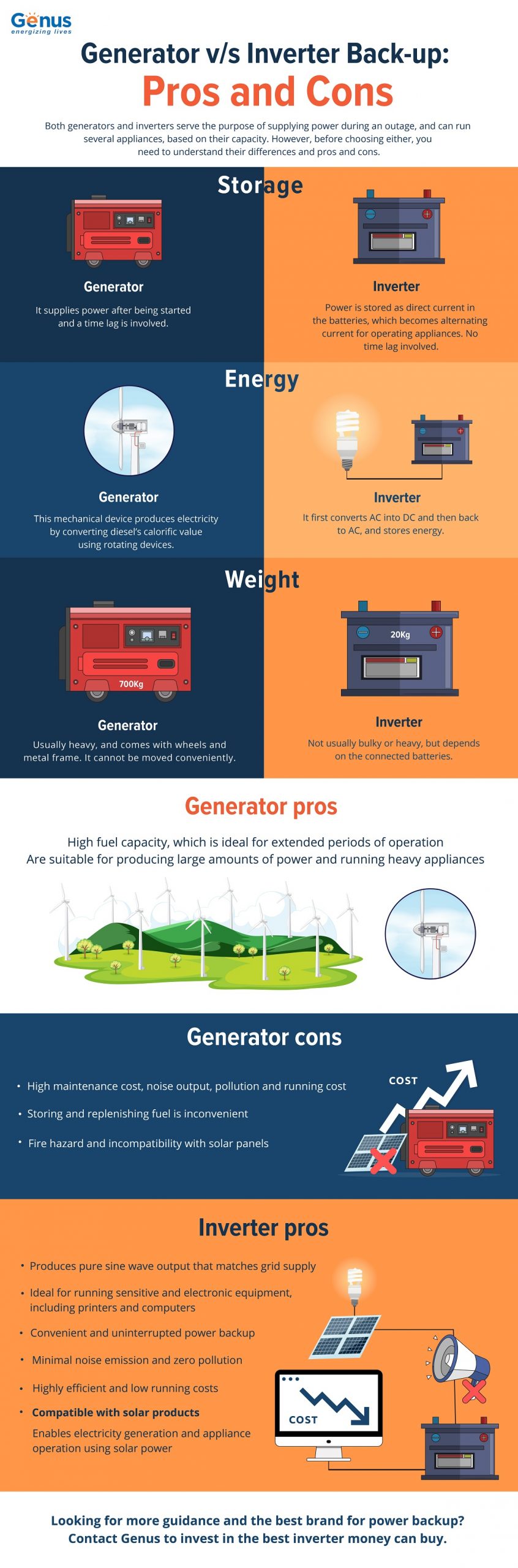
Price varies between models. Inverters tend to be more expensive upfront. Portable generators are often cheaper. Think about your budget and long-term costs.
Credit: www.genusinnovation.com
Frequently Asked Questions
What Is The Main Difference Between An Inverter And A Portable Generator?
Inverters convert DC to AC power, while portable generators produce AC directly from fuel.
Which Is Quieter: An Inverter Or A Portable Generator?
Inverters are generally quieter than portable generators, making them better for camping or quiet places.
Can I Run My Refrigerator On An Inverter?
Yes, you can run a refrigerator on an inverter if it meets the power requirements.
How Long Can An Inverter Run On A Battery?
An inverter can run as long as the battery has charge and can support the load.
Are Portable Generators Easier To Use Than Inverters?
Portable generators are typically easier to set up and use than inverters, especially for beginners.
Do Inverters Consume Less Fuel Than Portable Generators?
Inverters do not consume fuel, as they use batteries, unlike portable generators that use gasoline or diesel.
Can I Use An Inverter Indoors?
Yes, inverters can be used indoors since they do not produce harmful exhaust fumes.
Which Is More Efficient: Inverter Or Portable Generator?
Inverters are more efficient in converting energy, providing longer run times on battery power.
Are There Size Differences Between Inverters And Portable Generators?
Yes, inverters are usually smaller and lighter than portable generators, making them easier to transport.
What Is The Maintenance Like For Inverters Vs. Portable Generators?
Inverters need less maintenance than portable generators, which require regular oil changes and fuel checks.
Conclusion
Choosing between an inverter and a portable generator depends on your needs. Inverters are quiet and efficient. They work well for sensitive electronics. Portable generators provide more power for larger devices. They are louder but can handle heavy loads. Think about your power needs and environment.
Both options have pros and cons. Make a choice that fits your lifestyle. Consider your budget and usage frequency too. Research carefully to find what works best for you. The right choice can make your life easier and more convenient.