
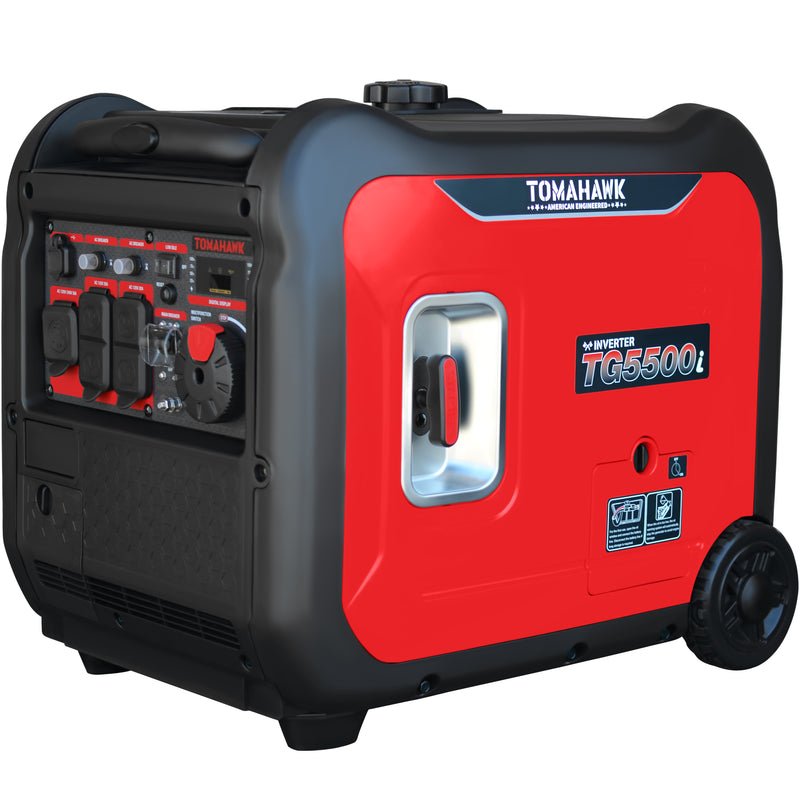
Are you confused about whether a generator and an inverter are the same? You’re not alone.
Many people use these terms interchangeably, but they serve different purposes and function in unique ways. Understanding the differences can help you make informed decisions for your power needs. We’ll break down the key features of generators and inverters, so you can easily determine which one is right for you.
Whether you’re preparing for a power outage, going camping, or seeking a backup power solution for your home, knowing the distinctions can save you time and money. Stay with us as we explore the ins and outs of these power sources, and get ready to clear up the confusion once and for all!
Generator Basics
Understanding generator basics is essential for anyone considering their use in daily life or emergencies. Generators provide reliable power, making them a popular choice for homes, outdoor activities, and construction sites. Let’s break down how they work and the different types available.
How Generators Work
Generators convert mechanical energy into electrical energy. They do this through a process called electromagnetic induction. When a coil of wire is rotated in a magnetic field, it generates electricity.
Most generators use an engine that runs on fuel, such as gasoline or diesel. This engine powers the alternator, which is responsible for producing electricity. The generated electricity can be used immediately or stored for later use.
Types Of Generators
Generators come in various types, each designed for specific needs. Here are the most common types:
- Portable Generators:These are compact and easy to move. They are perfect for camping or as backup power for your home.
- Standby Generators:Installed permanently, these generators automatically turn on during a power outage. They are connected directly to your home’s electrical system.
- Inverter Generators:These provide clean and stable electricity, making them suitable for sensitive electronics. They are quieter and more fuel-efficient.
- Industrial Generators:Designed for heavy-duty use, these generators can power large machinery and are often used in construction sites.
Choosing the right generator depends on your specific needs. Consider how much power you require and the environment in which you’ll use it. Do you need something portable for outdoor adventures, or a reliable standby system for your home?
Inverter Basics
An inverter is an important device in energy systems. It changes direct current (DC) into alternating current (AC). This process allows devices to run on battery power. Many people use inverters for solar power systems. They make the energy usable for homes and businesses.
Understanding inverters can help you make better choices. They come in different types. Each type has its own features and uses. Knowing how they work is essential. Let’s explore the basics of inverters.
How Inverters Work
Inverters use electronic circuits to convert DC to AC. They take energy from batteries or solar panels. This energy is usually in DC form. The inverter changes it into AC, which most appliances need.
Inside the inverter, a switch controls the flow of energy. This switch quickly turns the DC on and off. This action creates a wave that resembles AC. The inverter then sends this wave to your devices.
Types Of Inverters
There are several types of inverters available. Each type serves a specific purpose.
Modified sine wave inverters are common. They are less expensive and work for many devices. However, they may not power sensitive electronics well.
Pure sine wave inverters are more advanced. They produce a smooth wave, similar to grid power. These are ideal for sensitive equipment.
Another type is the string inverter. It connects multiple solar panels together. This type is popular in residential solar systems.
Microinverters are smaller. They attach to individual solar panels. They offer better performance in shaded conditions.
Power Source Comparison
Understanding the power sources of generators and inverters is crucial. Both devices serve similar purposes, but they operate differently. Let’s explore their fuel dependency and energy conversion processes.
Fuel Dependency
Generators primarily run on fuel. They often use gasoline, diesel, or propane. This fuel powers an engine, creating electricity.
Inverters, on the other hand, rely on batteries or solar panels. They convert stored energy into usable electricity. This difference affects how each device operates in various situations.
Energy Conversion Process
The energy conversion in generators is straightforward. Fuel combustion drives an engine. This engine powers a generator, which produces electricity.
Inverters convert DC (direct current) to AC (alternating current). This conversion allows the use of battery or solar energy. Inverters provide cleaner and more stable energy for sensitive devices.
Generators create electricity as needed, but they can be noisy. Inverters work silently, making them ideal for home use.

Credit: powerequipment.honda.com
Efficiency Differences
Generators and inverters serve different purposes, leading to efficiency differences. Generators produce electricity by burning fuel, while inverters convert DC power to AC power, often from batteries. Understanding these distinctions helps in choosing the right option for your needs.
Understanding the efficiency differences between generators and inverters can significantly impact your choice for power solutions. While both devices serve the purpose of providing electricity, their operational efficiencies vary greatly. Let’s break down these differences to help you make an informed decision.Energy Consumption
Generators typically consume more fuel than inverters. They convert fuel directly into electricity, which can lead to higher operational costs over time. In contrast, inverters use battery power, converting DC (direct current) into AC (alternating current). This process often results in less energy loss. Consider your own energy habits. If you frequently rely on portable power, an inverter might be a smarter choice due to its efficiency in energy consumption.Environmental Impact
Generators can have a significant environmental footprint. They emit harmful gases and contribute to noise pollution, affecting both air quality and your surroundings. Inverters are generally more eco-friendly. They produce less noise and don’t emit exhaust fumes, making them suitable for indoor or residential use. Think about your living situation. Would you rather have a quieter, cleaner energy source that minimizes your impact on the environment? Choosing an inverter can align with a more sustainable lifestyle. By evaluating energy consumption and environmental impact, you can see how efficiency differences play a crucial role in selecting the right power solution for your needs.Portability And Design
Portability and design play important roles in choosing between a generator and an inverter. Generators tend to be heavier and bulkier, while inverters are lighter and more compact. This makes inverters easier to transport for outdoor activities or emergencies.
Portability and design are crucial factors when choosing between a generator and an inverter. Understanding these aspects can help you make the right choice based on your needs. Let’s dive into how size, weight, and usage scenarios play a vital role in this decision.Size And Weight
Generators tend to be larger and bulkier than inverters. Most portable generators weigh between 40 to 100 pounds. You’ll need a vehicle or a good amount of strength to move them around. On the other hand, inverters are typically lightweight and compact. Many models weigh around 20 to 50 pounds. This makes them easy to carry, whether you’re going camping or just need power during an outage. Do you plan to transport your power source often? If so, an inverter may be your best bet due to its lightweight design.Usage Scenarios
Consider where you’ll be using your power source. A generator is ideal for heavy-duty tasks like running large appliances during a blackout. You can power tools for construction or even supply energy to your home during emergencies. Inverters shine in situations requiring quiet and clean energy. They’re perfect for camping trips or outdoor events where noise is a concern. You can use them to charge devices like phones and laptops without disturbing the peace. Think about your lifestyle. Do you need something for occasional use or for more demanding power needs? Your answer will guide your choice between a generator and an inverter.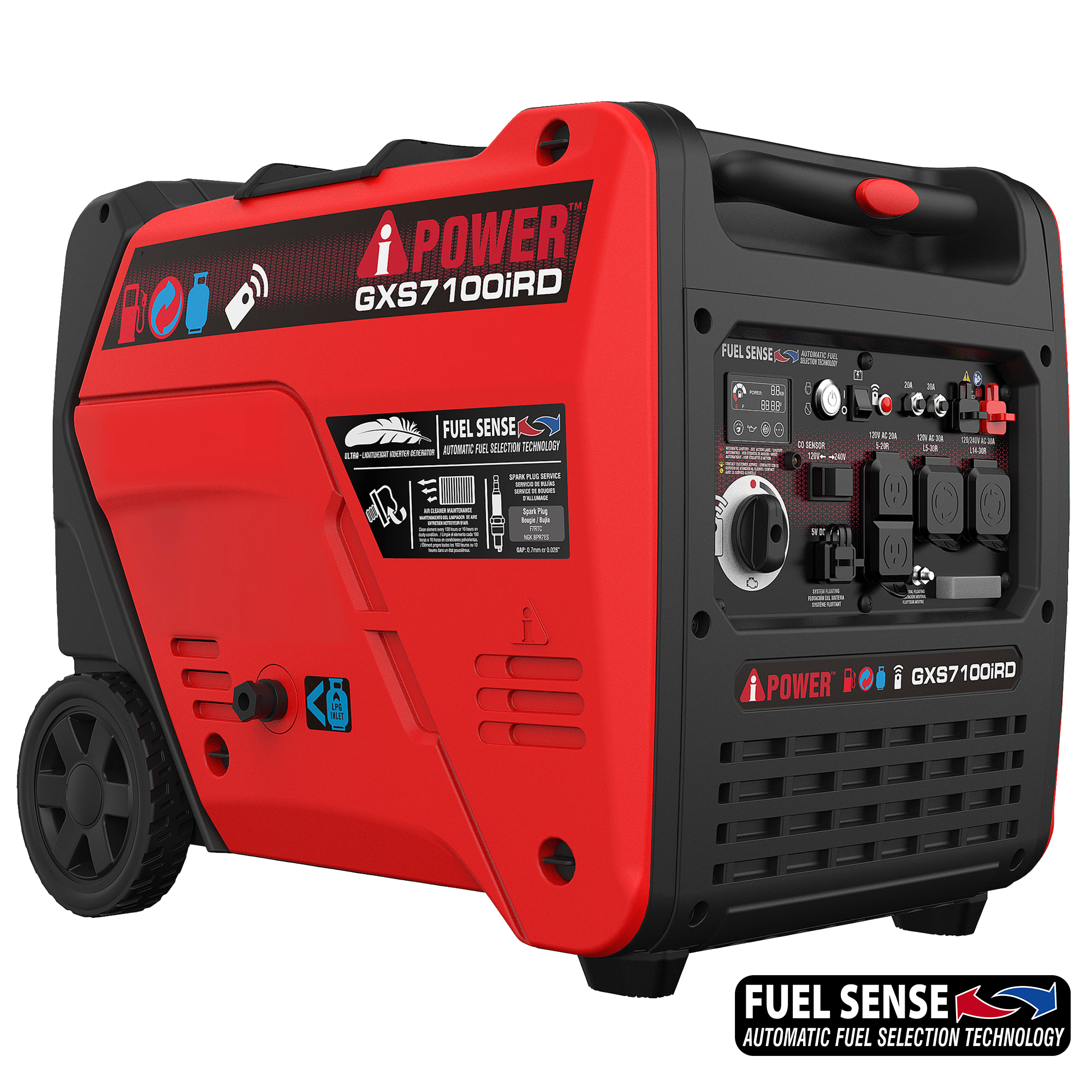
Credit: a-ipower.com
Cost And Maintenance
Generators and inverters serve different purposes, impacting cost and maintenance. Generators often need more fuel and regular upkeep, while inverters are usually more efficient and require less care. Understanding these differences can help you choose the right option for your needs.
Understanding the cost and maintenance of generators and inverters can help you make informed decisions. Both options come with their own financial implications and upkeep requirements. Let’s break down what you can expect in terms of initial investment and long-term costs.Initial Investment
The initial cost is often the first consideration. Generators typically have a higher upfront price than inverters. A basic generator might set you back anywhere from $500 to $3,000, depending on the size and power output. In contrast, inverters generally start around $300 and can go up to $1,500 for more advanced models. Consider these factors: – Power needs: Larger generators that can power your home during an outage will cost more. – Type of inverter: Pure sine wave inverters are pricier but better for sensitive electronics. Think about your specific needs. Are you looking for something to power tools on a job site or to keep your fridge running during outages? The answer can significantly affect your initial investment.Long-term Costs
Long-term costs encompass fuel, maintenance, and repairs. Generators usually require more fuel, especially if used frequently. This can add up over time. On the other hand, inverters are generally more fuel-efficient. They use battery power, which can be recharged with solar panels, reducing your reliance on fuel. Maintenance needs differ as well: – Generators: Regular oil changes and filter replacements are essential. – Inverters: Maintenance tends to be less intensive, often requiring only occasional battery checks. Have you considered how often you will actually use your generator or inverter? Frequent use can escalate costs, making efficiency a critical factor. Investing in a quality unit may mean higher initial costs but could save you money in the long run. Balancing your immediate budget against long-term savings can lead to a smarter choice. Are you ready to weigh the costs against your specific needs and usage patterns? Your decision can impact not just your wallet but also your peace of mind during power outages.Performance In Emergencies
In emergencies, power sources play a vital role. Generators and inverters serve different needs. Understanding their performance helps in choosing the right one. Let’s look at how they perform during outages and when facing high power demands.
Reliability During Outages
Generators are often more reliable during power outages. They provide continuous power until the utility comes back on. Many generators run on gasoline, diesel, or propane. They can handle long periods without interruption.
Inverters, on the other hand, require batteries to function. They convert DC power to AC power. If the battery runs out, the inverter stops working. This limits their use in extended outages.
Handling High Power Demands
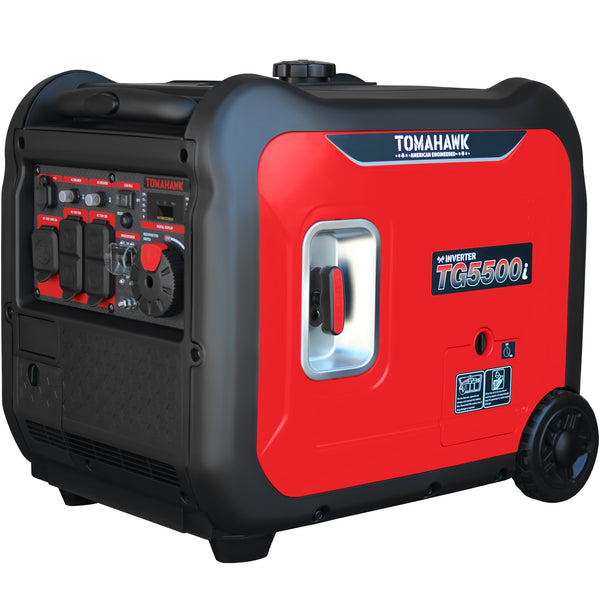
Generators can handle high power demands easily. They are suitable for running heavy appliances. This includes refrigerators, air conditioners, and power tools. Their output can meet large energy needs instantly.
Inverters have limits on how much power they can supply. They are best for smaller appliances. Overloading an inverter can cause it to shut down. This makes generators a better choice for high power situations.
Credit: tomahawk-power.com
Frequently Asked Questions
Are Generators And Inverters The Same?
Generators and inverters are not the same. A generator produces electricity from fuel, while an inverter converts DC electricity into AC. Generators are ideal for powering tools and appliances directly. In contrast, inverters are often used with batteries or solar panels for efficient energy use.
What Is The Main Function Of A Generator?
The main function of a generator is to produce electrical power. It converts mechanical energy from fuel into electrical energy. This power can be used for various applications, including home backup and industrial use. Generators provide a reliable power source, especially during outages or in remote locations.
How Does An Inverter Work?
An inverter works by converting direct current (DC) into alternating current (AC). It takes the DC electricity from batteries or solar panels and transforms it for household appliances. This process allows appliances to run on renewable energy sources. Inverters are essential for solar power systems to function effectively.
When Should I Use A Generator?
You should use a generator when you need backup power during outages. They are also useful for outdoor activities like camping or construction sites. Generators provide immediate power for tools and appliances. Choose a generator based on your power needs and the duration of use.
Conclusion
Generators and inverters serve different purposes. Generators produce power from fuel. They provide electricity for larger loads. Inverters convert DC power to AC power. They are often used for smaller devices. Understanding these differences helps in choosing the right option.
Think about your power needs before deciding. Each has its strengths and weaknesses. Evaluate your situation carefully. This knowledge will guide you to the best choice for your needs.