
Are you using a generator at home or on your job site? If so, you might have noticed those fumes that come from it.
But have you ever stopped to think about how dangerous those fumes could be? Understanding the risks associated with generator fumes is crucial for your safety and health. We will explore the hidden dangers of generator fumes, what they can do to your body, and how to protect yourself.
By the end, you’ll have the knowledge you need to make informed decisions about your generator use. So, stick around—your health could depend on it!
Health Risks Of Generator Fumes
Generator fumes can pose serious health risks that many people might overlook. Understanding the components of these fumes and their potential impact on your health is crucial. Let’s break down the dangers associated with generator exhaust.
Toxic Components In Exhaust
Generator fumes contain a mix of harmful substances. Key toxic components include:
- Carbon Monoxide (CO):A colorless, odorless gas that can be lethal even in small amounts.
- Nitrogen Dioxide (NO2):This gas can irritate the lungs and lower resistance to respiratory infections.
- Particulate Matter:Tiny particles that can penetrate deep into your lungs and even enter your bloodstream.
These toxins can accumulate quickly in enclosed spaces, leading to dangerous health effects. Have you ever thought about how quickly air quality can deteriorate when a generator is running?
Short-term Exposure Effects
Even brief exposure to generator fumes can lead to immediate health concerns. Symptoms may include:
- Dizziness and headaches
- Nausea and vomiting
- Shortness of breath
It’s alarming how quickly these symptoms can appear. You might feel fine one minute and dizzy the next, especially if you’ve been near a running generator.
Long-term Health Concerns
Chronic exposure to generator fumes can have serious long-term effects. Prolonged inhalation of these toxic components may lead to:
- Respiratory diseases
- Cardiovascular problems
- Neurological issues
Consider how often you or your neighbors use a generator. Are you aware of the cumulative risks over time? Your health could be silently affected without you even realizing it.
Awareness is the first step in protecting yourself and your loved ones from the dangers of generator fumes. Taking precautions can make a significant difference in your well-being.
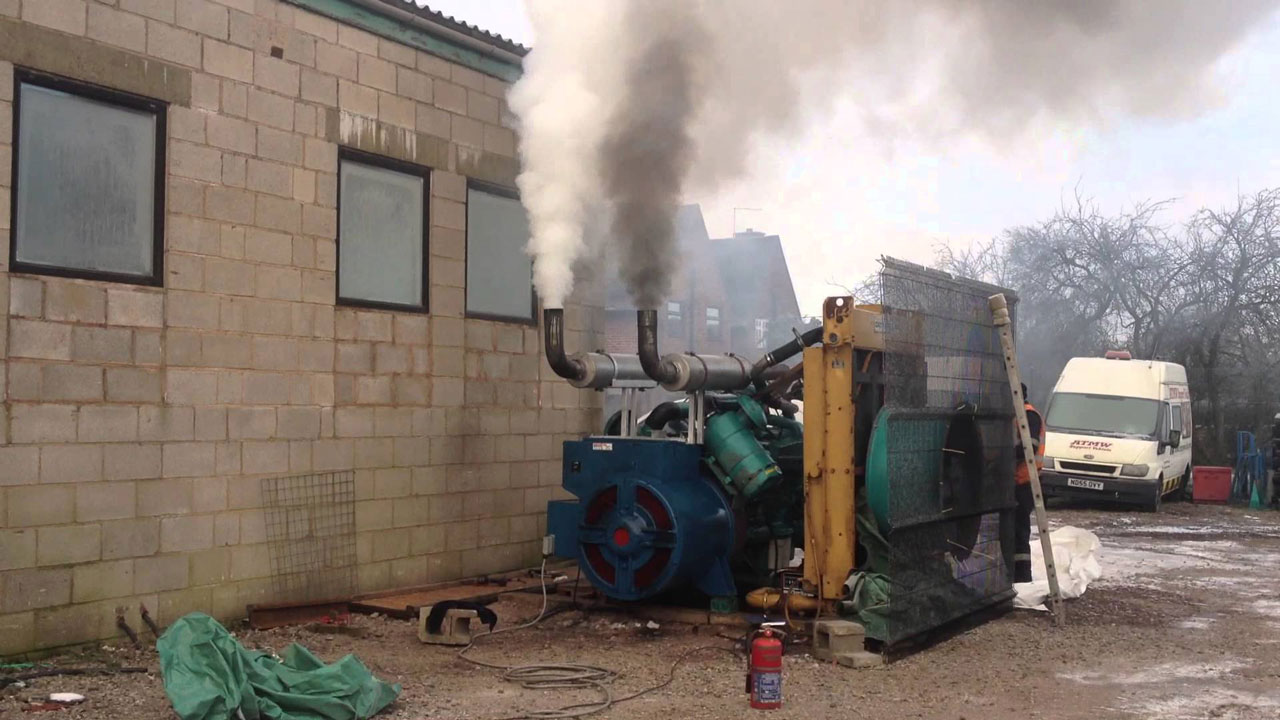
Credit: guardian.ng
Carbon Monoxide Poisoning
Generator fumes can be very harmful. They release carbon monoxide, a colorless gas that can cause poisoning. Always use generators outside and far from windows to stay safe.
Carbon monoxide (CO) poisoning is a silent threat that often goes unnoticed until it’s too late. This colorless, odorless gas is produced by burning fuels, including those used in generators. Understanding how carbon monoxide enters your body, recognizing its symptoms, and knowing why it can be difficult to detect are crucial steps in protecting yourself and your loved ones.
How It Enters The Body
Carbon monoxide enters your body primarily through inhalation. When you breathe in air containing CO, it quickly binds to hemoglobin in your red blood cells, preventing them from carrying oxygen. This can lead to oxygen deprivation in your organs and tissues, causing serious health issues. You might be using a generator for power during an outage, blissfully unaware that the fumes are seeping into your space. One moment of negligence can lead to dire consequences.
Symptoms To Watch For
Identifying the symptoms of carbon monoxide poisoning can be challenging, as they often resemble those of the flu or other illnesses. Here are some signs to monitor:
- Headache
- Dizziness
- Nausea or vomiting
- Shortness of breath
- Confusion or disorientation
If you or someone around you experiences these symptoms, especially while using a generator, it’s essential to act fast. Leave the area immediately and seek fresh air. Don’t underestimate the severity; even mild symptoms can escalate quickly.
Why It’s Often Undetected
Carbon monoxide poisoning is often dubbed the “invisible killer” because it can occur without any immediate warning. You might not smell or see anything unusual, leading to a false sense of security. Many people mistakenly believe that if they can’t detect any odor, they are safe. Additionally, prolonged exposure can cause symptoms to become subtle and easily ignored. You may feel tired or a bit off, but dismiss it as a long day. It’s vital to be vigilant, especially in closed spaces where generators are used. Consider investing in a carbon monoxide detector for your home. This small device can be a lifesaver, alerting you to dangerous levels of CO before it’s too late. Stay informed and prioritize safety when using generators to avoid the risks associated with carbon monoxide poisoning.
Impact On Vulnerable Groups
Generator fumes can be especially harmful to vulnerable groups. Children, the elderly, and those with health issues are at greater risk. Exposure to these fumes can lead to serious health problems, making safety measures crucial. Protecting these groups is essential for community health.
The impact of generator fumes can be especially concerning for vulnerable groups. These individuals may experience heightened sensitivity to the pollutants released by generators. Understanding how these fumes affect them can help you take necessary precautions.
Risks For Children And Elderly
Children and the elderly are at a greater risk from generator fumes due to their weaker respiratory systems. Their bodies are less capable of filtering out harmful particles. For instance, a child playing outdoors near a running generator may inhale toxic fumes, leading to respiratory issues. Elderly individuals, often dealing with age-related health challenges, may find it harder to cope with the effects of these fumes. Protecting these groups means ensuring generators are used in well-ventilated areas, away from where they spend most of their time.
Pregnant Women And Unborn Babies
Pregnant women face unique risks from generator fumes. The chemicals released can affect both the mother and the developing baby. Research indicates that exposure to certain pollutants during pregnancy can lead to complications. These may include low birth weight or developmental delays. If you or someone you know is pregnant, it’s crucial to minimize exposure to generator fumes. Consider setting up generators far from living spaces and using exhaust fans to improve air circulation.
People With Pre-existing Conditions
Individuals with pre-existing health conditions should be particularly cautious around generator fumes. Conditions such as asthma, heart disease, or chronic lung issues can worsen with exposure to harmful emissions. Imagine someone with asthma finding it hard to breathe while a generator runs nearby. This can lead to serious health emergencies. If you know someone with these conditions, encourage them to avoid areas where generators are operating. Staying informed about the risks can make a significant difference in their health and safety.

Credit: punchng.com
Environmental Factors To Consider
Understanding the environmental factors surrounding generator fumes is crucial for your safety and well-being. These elements can significantly impact how harmful the fumes can be. Let’s break down the important considerations.
Poor Ventilation Risks
Generators emit toxic fumes that can accumulate quickly in poorly ventilated areas. If you’re using a generator in a confined space, even for a short time, the risk increases dramatically. Make sure to check ventilation before starting your generator.
Have you ever noticed how quickly smoke fills a small room? It’s the same with generator fumes. Without proper airflow, you may experience symptoms like headaches or dizziness, which signal an urgent need for fresh air.
Indoor Vs Outdoor Use
Using a generator indoors is a recipe for disaster. The carbon monoxide produced can be deadly, even in small amounts. Always position your generator outdoors, at least 20 feet away from windows and doors.
Many people mistakenly think they can use a generator in their garage. Even with the door open, the risk remains. Protect yourself and your loved ones by ensuring your generator operates only in open spaces.
Weather And Air Quality Impact
Weather conditions can affect how generator fumes disperse. On calm days, fumes can linger longer, increasing exposure risks. Conversely, windy conditions may help disperse harmful gases but can also lead to unpredictable situations.
Pay attention to air quality reports. High pollution days can exacerbate the effects of generator fumes, making them even more dangerous. Would you risk your health on a bad air day?
Consider these environmental factors carefully. Your safety depends on how you manage generator use in different settings. Stay informed and keep your environment safe.
Preventive Safety Measures
Generator fumes can be harmful. Taking preventive safety measures is essential. These steps help keep you and your family safe. Proper placement, installing detectors, and regular maintenance are key.
Proper Placement Of Generators
Where you place your generator matters. Always keep it outdoors. Position it at least 20 feet away from your home. This distance reduces the risk of fumes entering your house. Avoid placing it near windows, doors, or vents.
Also, keep the area around the generator clear. Remove any debris or flammable materials. This helps prevent fires and ensures proper airflow.
Installing Carbon Monoxide Detectors
Carbon monoxide is a silent killer. Installing detectors is a smart choice. Place them in every bedroom and hallway. Test the alarms monthly to ensure they work.
Replace the batteries twice a year. This simple act can save lives. Educate your family about the sound of the alarms. Everyone should know what to do if they hear them.
Regular Maintenance And Inspections
Keep your generator in good shape. Regular maintenance is vital. Check the oil and fuel levels often. Change filters as needed. Follow the manufacturer’s guidelines for servicing.
Inspect the generator for any signs of wear. Look for rust or damage. Schedule professional inspections at least once a year. This ensures everything runs safely and efficiently.

Credit: hsenations.com
Legal And Regulatory Guidelines
Generator fumes pose serious health risks. Legal and regulatory guidelines help manage these dangers. They ensure public safety and environmental protection. Understanding these guidelines is crucial for all generator users.
Local Safety Standards
Local safety standards vary by region. They set rules for generator use. These rules help protect people from harmful fumes. Check your local laws before operating a generator.
Some areas require specific ventilation. Others limit where you can use generators. Adhering to these standards is essential for safety.
Manufacturer Warnings
Manufacturers provide warnings about generator fumes. These warnings explain the risks. They often include guidelines for safe operation.
Read the owner’s manual carefully. Follow all instructions for safe use. Ignoring these warnings can lead to serious health issues.
Liability In Case Of Accidents
Liability laws vary by state. They determine who is responsible in accidents. If someone gets hurt due to generator fumes, legal action may follow.
Homeowners can face lawsuits for negligence. Proper use and maintenance can reduce risk. Always keep safety in mind to avoid legal troubles.
Alternatives To Gas Generators
Gas generators can be harmful. They release toxic fumes. Many people seek safer options. There are several alternatives available. These options are cleaner and quieter. They help reduce air pollution. Here are some popular choices.
Electric And Solar Options
Electric generators are a great choice. They run on electricity, so they are cleaner. Many households use solar panels. Solar generators harness energy from the sun. They provide power without emissions. These options are quiet and efficient. They require minimal maintenance. Electric and solar generators are ideal for homes and outdoor activities.
Battery-powered Solutions
Battery-powered generators are easy to use. They store energy for later use. These units are portable and lightweight. They are perfect for camping or emergencies. Battery generators produce no fumes. They are safe for indoor use. Many models charge quickly and last long. This makes them a reliable choice.
Reducing Dependence On Fossil Fuels
Switching to alternative power sources is smart. It lowers the need for fossil fuels. This shift benefits the environment. It helps fight climate change. Using cleaner energy leads to better air quality. Everyone can contribute to a healthier planet. Exploring these options is important for a sustainable future.
Frequently Asked Questions
Are Generator Fumes Toxic To Humans?
Yes, generator fumes contain carbon monoxide, nitrogen dioxide, and other harmful substances. Inhalation can lead to serious health issues, including headaches, dizziness, and even death. Proper ventilation and distance from living areas are crucial to minimize exposure and risks associated with generator fumes.
How Can Generator Fumes Affect Health?
Generator fumes can cause respiratory problems, fatigue, and nausea. Long-term exposure increases the risk of chronic health conditions. Children, the elderly, and those with pre-existing conditions are particularly vulnerable. It’s essential to monitor air quality and ensure proper ventilation when operating generators.
What Are Symptoms Of Generator Fume Exposure?
Symptoms of generator fume exposure include headaches, dizziness, and confusion. Individuals may also experience nausea and shortness of breath. If you notice these symptoms after generator use, immediately seek fresh air and medical attention. Early recognition can prevent severe health consequences.
Can Generator Fumes Cause Carbon Monoxide Poisoning?
Yes, generator fumes are a significant source of carbon monoxide (CO). CO is a colorless, odorless gas that can be lethal when inhaled in high concentrations. It’s vital to install CO detectors in homes using generators to ensure safety and alert occupants to dangerous levels.
Conclusion
Generator fumes can pose serious health risks. Breathing in these fumes may lead to headaches, dizziness, and even long-term health issues. It’s crucial to use generators outdoors and far from living spaces. Proper ventilation is key to reducing exposure. Regular maintenance helps keep generators safe to use.
Always stay alert to signs of trouble. Protect yourself and your loved ones from harmful effects. Stay informed and prioritize safety when using generators. By taking these steps, you can reduce risks and enjoy a safe environment.