
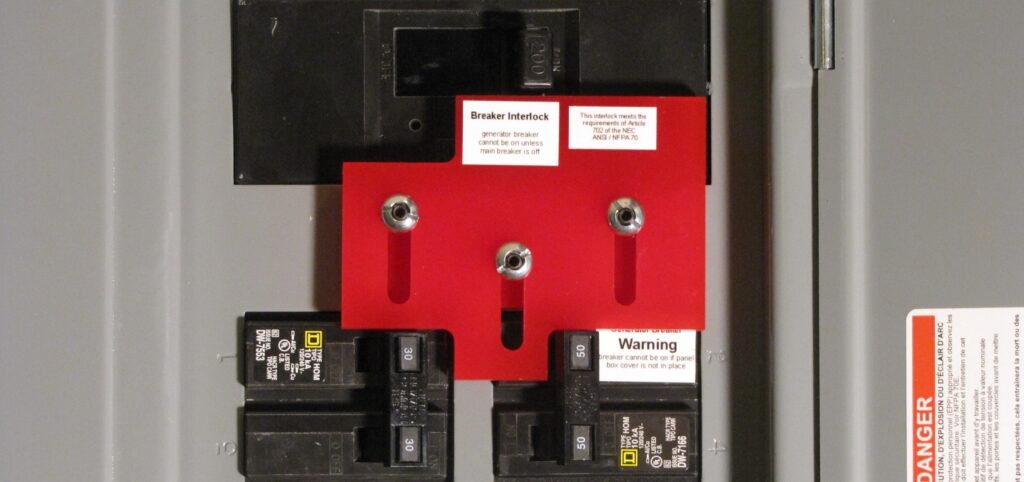
When the power goes out, you want to ensure your home stays safe and powered. Generator interlock kits offer a solution, allowing you to connect a portable generator to your home’s electrical system safely.
But before you rush to install one, you might be wondering: Are generator interlock kits legal in your area? Understanding the legalities surrounding these kits is crucial for your safety and compliance. We’ll break down the rules and regulations, helping you make an informed decision.
You’ll learn what to look for in your local codes, the risks of improper installation, and how to ensure your setup is both safe and legal. Keep reading to uncover the answers you need to power your home confidently and responsibly.

Credit: www.reddit.com
Generator Interlock Kits Basics
Generator interlock kits are important for safe generator use. They help connect a generator to your home’s electrical system. Understanding these kits is crucial for safety and compliance.
What They Are
Generator interlock kits are devices that link your generator and main power supply. They ensure that both cannot operate at the same time. This prevents backfeeding into the grid.
Backfeeding can harm utility workers and damage equipment. Interlock kits are designed to work with your main electrical panel.
How They Work
Interlock kits use a simple mechanism. A metal plate slides into place when you switch to generator power. This action blocks the main breaker from being turned on.
When the generator is off, the interlock allows normal utility power. This system ensures only one power source is active at a time.
Common Uses
People use generator interlock kits in various situations. They are common in homes during power outages. Many businesses also use them for backup power.
These kits are often used with portable generators. They provide a safe way to connect to the home’s electrical system.
Regulations And Standards
Generator interlock kits are devices that help safely connect a generator to a home’s electrical system. The legality of these kits varies by location. Always check local codes and regulations to ensure compliance before installation.
Regulations and standards play a crucial role in determining the legality of generator interlock kits. Understanding these regulations ensures you make informed decisions for your home or business. Let’s break down the key areas you need to consider.National Electrical Code
The National Electrical Code (NEC) sets the foundation for electrical safety in the United States. It provides guidelines for electrical installations, including the use of generator interlock kits. These kits must meet specific requirements outlined in the NEC to be considered legal. For instance, they should prevent backfeed into the grid when the generator is in use. This safety measure protects utility workers and your equipment. Always check the latest NEC updates. They can change frequently, impacting the legality of your generator interlock kit.State-specific Laws
Each state has its own regulations regarding electrical installations. Some states adopt the NEC directly, while others may modify it or have additional requirements. For example, California has stringent rules about generator usage, often requiring permits and inspections. States like Texas might have more lenient regulations but still require adherence to safety standards. Research your state’s laws thoroughly. Ignoring these can lead to fines or unsafe setups.Local Permit Requirements
Local authorities often have their own permit requirements for installing generator interlock kits. These permits ensure that installations comply with safety standards and local codes. Contact your local building department to find out what permits you need. Some areas might require inspections before and after installation. Not having the proper permits can lead to costly delays and penalties. Always prioritize compliance to keep your installation safe and legal. Navigating the regulations surrounding generator interlock kits can seem daunting, but understanding these key areas empowers you to make the right choices. What steps will you take to ensure your installation is compliant?Safety Concerns
Generator interlock kits are designed to safely connect a generator to your home’s electrical system. Their legality varies by state or local regulations. Always check local codes to ensure compliance and prioritize safety for your home and family.
Safety concerns surrounding generator interlock kits are paramount for homeowners and electricians alike. These devices are designed to prevent backfeeding, which can pose significant risks to both property and personal safety. Understanding these concerns and adhering to proper guidelines can ensure a safer experience when using your generator.Preventing Backfeeding
Backfeeding occurs when electricity flows back into the power lines, creating a dangerous situation for utility workers and your home. A generator interlock kit is specifically designed to prevent this issue. By connecting your generator to your home’s electrical panel, these kits ensure that only one power source is active at a time. Have you ever thought about the dangers utility workers face during storms? They risk their lives restoring power, and backfeeding can turn a routine job into a life-threatening situation.Proper Installation Guidelines
Installing a generator interlock kit requires careful attention to detail. First, always follow the manufacturer’s instructions closely. Make sure that the kit is compatible with your generator and electrical panel. Consider hiring a licensed electrician if you’re uncertain about the installation process. A professional can ensure that everything is set up correctly, reducing the risk of accidents. Did you know that improper installation is one of the leading causes of generator-related incidents? Taking the time to do it right can save you from future headaches and ensure safety.Common Mistakes To Avoid
Many homeowners make mistakes that compromise their safety. One common error is not turning off the main breaker before connecting the generator. This step is crucial to prevent backfeeding. Another frequent oversight is using an extension cord that isn’t rated for your generator’s output. Using the wrong cord can lead to overheating and potential fires. Have you checked your cords lately? Regular inspections can save you from disasters. By being aware of these pitfalls, you can enhance your safety and the effectiveness of your generator interlock kit. Remember, safety begins with informed choices.
Credit: www.reddit.com
Legal Compliance
Generator interlock kits must meet specific laws. Knowing these laws is essential for safety. Some kits are certified while others are not. This affects their legality. Let’s explore the differences.
Certified Vs Non-certified Kits
Certified kits meet strict safety standards. They pass tests from recognized organizations. This ensures they work safely with your generator and home. Non-certified kits may not meet these standards. Using them can lead to safety risks.
Local codes may require certified kits. Always check local regulations. This helps avoid problems later. Certified kits provide peace of mind. They help protect your home and family.
Inspection Procedures
Most areas require inspections for generator installations. Inspectors check if the kit is installed correctly. They ensure it meets local codes. Inspections help catch issues early. They also confirm the kit’s safety and function.
Documentation is important. Keep all papers related to the installation. This includes receipts and inspection reports. They may be needed for future inspections.
Penalties For Violations
Using non-compliant kits can lead to fines. Penalties vary by location. Some areas may even require removal of the kit. This can be costly and time-consuming.
Worse, improper installations can cause accidents. This can lead to injuries or property damage. Always prioritize safety and compliance. It protects everyone involved.
Choosing The Right Kit
Choosing the right generator interlock kit is essential. It ensures safety and compliance. The right kit protects your home and family. Consider a few key factors to make the best choice.
Compatibility With Your Panel
First, check if the kit fits your electrical panel. Different panels have different designs. Not all kits work with every panel. Look for the kit that matches your specific brand and model. This ensures a proper fit and function.
Manufacturer Certifications
Next, review the certifications of the manufacturer. Reliable kits have safety and performance certifications. Look for labels from recognized organizations. These certifications show the kit meets safety standards. This gives peace of mind during use.
Cost Considerations
Finally, consider the cost of the kit. Prices can vary widely. Set a budget before shopping. Remember, cheaper is not always better. A higher-priced kit may offer better quality and safety. Balance your budget with the features you need.
Installation Tips
Generator interlock kits are legal in many places, but rules vary by state or local code. Always check your area’s regulations before installation. Understanding these laws can help ensure your generator setup is safe and compliant.
Installation Tips for Generator Interlock Kits Installing a generator interlock kit can be a straightforward task, but it requires careful planning and execution. Whether you’re a DIY enthusiast or prefer hiring a professional, knowing the installation process is crucial. Let’s break down the essential tips for a successful installation.Diy Vs Professional Installation
Choosing between DIY installation and hiring a professional can be daunting. If you have a solid understanding of electrical systems, you might feel confident tackling the project yourself. However, consider your safety and the complexity of the task. Hiring a licensed electrician ensures that the installation meets local codes and regulations. They can also spot potential issues that you may overlook. Ask yourself: Do you want to save money or prioritize safety and compliance?Step-by-step Process
Follow these key steps to ensure a successful installation:- Gather Tools and Materials:Before starting, collect all necessary tools, including screwdrivers, pliers, and a multimeter.
- Turn Off Power:Safety first! Switch off the main power supply to prevent accidents.
- Remove the Breaker Panel Cover:Use a screwdriver to carefully take off the cover. This gives you access to the circuit breakers.
- Install the Interlock Kit:Follow the manufacturer’s instructions to attach the interlock kit. It should fit snugly between the main breaker and the generator breaker.
- Replace the Cover:Once the kit is installed, put the breaker panel cover back on securely.
- Connect the Generator:Make sure all connections are tight and secure. Follow the guidelines provided by the generator manufacturer.
Testing After Installation
Testing your installation is a vital step often overlooked. Once the installation is complete, turn the main power back on. Check all connections and ensure everything is in order. Next, test the generator. Start it up and switch to the generator power. Monitor for any unusual noises or flickering lights. If everything runs smoothly, you’re ready for any power outage! Remember, you can always reach out to an electrician if something doesn’t feel right. Being proactive can save you from future problems. How confident do you feel about your installation process?Benefits Of Interlock Kits
Generator interlock kits provide a safe way to connect a generator to your home’s electrical system. They help prevent back-feeding into the grid, which can be dangerous. Many areas allow these kits, but always check local regulations for specific laws.
Interlock kits are essential for homeowners who want to use a backup generator safely during power outages. These kits provide a direct connection between your generator and your home’s electrical system. Understanding the benefits of interlock kits can help you make an informed decision for your safety and convenience.Enhanced Safety
Using an interlock kit significantly improves safety during power outages. It prevents backfeeding, which can endanger utility workers and damage your generator. With an interlock kit, you can easily switch between utility power and generator power, ensuring your home is safe from unexpected electrical surges. Imagine you’re in a storm, and the power goes out. The last thing you want is to worry about whether your generator is causing harm. An interlock kit takes that concern away.Cost Savings
Investing in an interlock kit can save you money in the long run. Without it, you might need to pay for repairs caused by backfeeding or other electrical issues. Additionally, an interlock kit allows you to use your existing electrical panel. This means you don’t have to spend extra on a transfer switch. Consider the long-term savings on your energy bills too. Using a generator wisely can help you avoid costly outages and keep your appliances running smoothly.Ease Of Use
Interlock kits are designed for simplicity. They allow you to switch from your utility power to generator power with minimal effort. Once installed, using an interlock kit is as easy as flipping a switch. You can restore power to your home quickly and efficiently during outages. Have you ever struggled with complicated generator setups? With an interlock kit, you eliminate that frustration, making your experience much more pleasant. Take the leap and enjoy the benefits of interlock kits. Your safety, savings, and convenience will thank you.
Credit: diy.stackexchange.com
Common Misconceptions
Understanding the legality of generator interlock kits often involves sifting through a maze of misconceptions. Many people make assumptions based on hearsay or outdated information. Let’s clarify these misunderstandings so you can make informed decisions about your home’s backup power system.
Legal Gray Areas
One common misconception is that all generator interlock kits are illegal. The truth is, the legality varies by location. Some areas require specific permits or codes, while others may have no regulations at all.
It’s essential to check with your local authorities before installation. Failing to do so could lead to fines or complications during an inspection. Make sure to ask whether your kit meets local building and electrical codes.
Safety Myths
Many believe that using a generator interlock kit is inherently unsafe. This is not true if installed correctly. A certified electrician can ensure that the kit is installed according to safety standards.
Improper use of a generator, however, can lead to hazardous situations. Always remember to turn off your main power before switching to generator power. This simple step can prevent back-feeding, which can endanger utility workers and your property.
Effectiveness In Emergencies
Some people doubt the effectiveness of generator interlock kits during emergencies. They might think that a manual transfer switch is the only reliable option. However, interlock kits offer a practical and efficient solution for backup power.
Imagine a storm knocking out your power. An interlock kit allows you to quickly switch to generator power without fuss. You can keep essential appliances running, ensuring your family’s comfort and safety.
Have you experienced a power outage? How did you manage? Understanding these misconceptions can help you make better choices for your home’s safety and functionality.
Frequently Asked Questions
Are Generator Interlock Kits Permitted In My State?
Generator interlock kits are legal in many states, but regulations vary. It’s essential to check local building codes and electrical regulations. Some areas may require permits or inspections. Always consult with your local authorities or a licensed electrician to ensure compliance.
Do Generator Interlock Kits Meet Safety Standards?
Yes, generator interlock kits are designed to meet safety standards. They prevent backfeeding electricity into the grid, protecting utility workers. Additionally, they ensure proper disconnection from the utility supply during generator use. Always choose kits that are certified and tested for safety.
Can I Install A Generator Interlock Kit Myself?
While some homeowners may attempt DIY installation, it’s not recommended. Proper installation requires knowledge of electrical systems and local codes. Mistakes can lead to safety hazards or code violations. Hiring a licensed electrician ensures a safe and compliant installation.
What Are The Benefits Of Using An Interlock Kit?
Interlock kits offer several benefits, including enhanced safety and convenience. They allow safe generator operation without backfeeding. Additionally, they simplify the switching process between generator and utility power. Overall, they provide peace of mind during power outages.
Conclusion
Generator interlock kits offer safe ways to use generators. They help prevent backfeeding into the grid. This protects utility workers and your home. Always check local laws before installing one. Some areas have specific rules for these kits. Compliance ensures safety and legality.
Investing in a good interlock kit can save you trouble. Stay informed and choose wisely. Your safety and peace of mind are worth it.