
Are you considering installing a generator interlock system in your home? You’re not alone.
Many homeowners in Canada are exploring this option for reliable backup power during outages. But before you take the plunge, it’s crucial to understand the legal landscape surrounding generator interlocks in your area. This article will break down everything you need to know, from regulations to safety standards.
You’ll discover whether generator interlocks are legal where you live and what steps you need to take to ensure compliance. Don’t risk your safety or run afoul of the law. Keep reading to find out how you can protect your home and your family with the right information.
Generator Interlocks Basics
Understanding the basics of generator interlocks is essential for anyone considering the use of a backup generator in Canada. These devices play a crucial role in safely connecting your generator to your home’s electrical system. Knowing how they work can help you make informed decisions about your energy needs.
What Are Generator Interlocks?
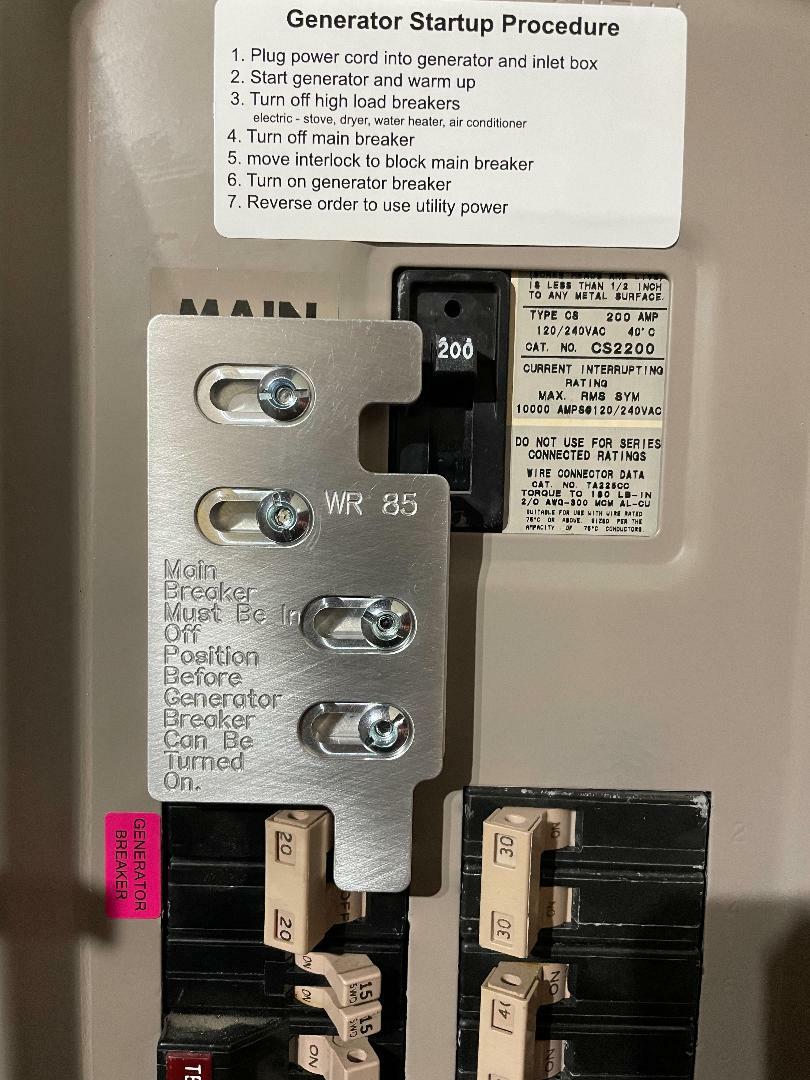
Generator interlocks are safety devices that prevent backfeeding electricity into the grid. This backfeeding can happen when a generator is connected to the home’s electrical panel without proper isolation. Interlocks ensure that only one source of power is used at a time—either the grid or the generator.
These devices are typically installed on the main electrical panel. They work by blocking the main circuit breaker when the generator is in use. This prevents the accidental energization of power lines, protecting utility workers and your home.
How Do Generator Interlocks Work?
The operation of generator interlocks is straightforward. When you want to use your generator, you engage the interlock switch. This action disconnects the main power supply from the grid and connects the generator to your home’s electrical system.
Once you turn off the generator, the interlock allows the main power from the grid to be reconnected. This seamless transition is critical during power outages. You can keep your home powered without risking safety.
Benefits Of Using Generator Interlocks
- Safety:They ensure that your generator cannot feed power back into the grid.
- Convenience:You can easily switch between the generator and main power.
- Compliance:They help you meet local electrical codes.
Many people have shared how interlocks have made their lives easier during blackouts. The ability to use your generator safely and efficiently is invaluable. Have you thought about how often you might need this backup power? Understanding the benefits can motivate you to consider an interlock system.
Are Generator Interlocks Legal In Canada?
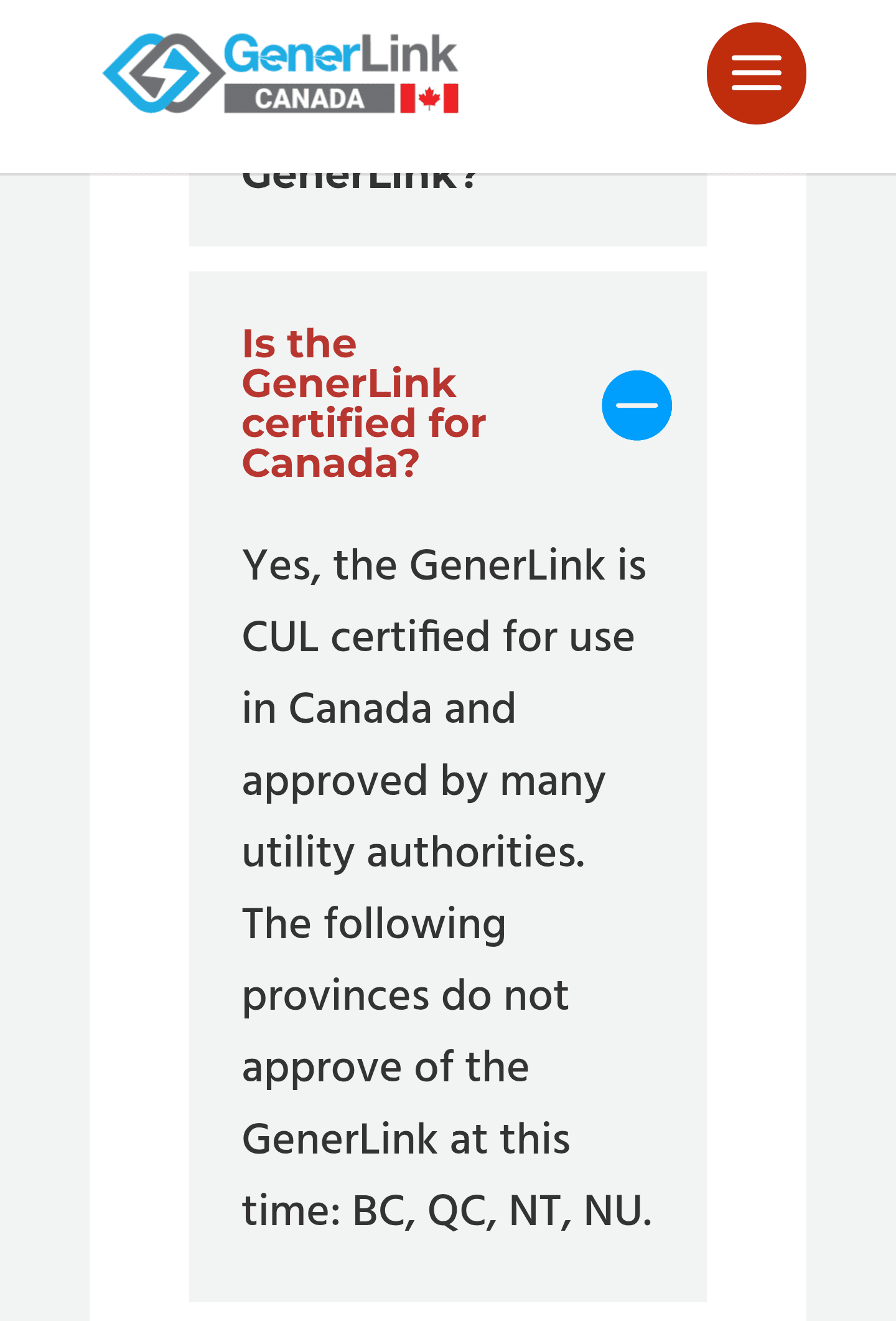
Generator interlocks are legal in most parts of Canada, but regulations can vary by province and municipality. It’s vital to check with local authorities before installation. Ensuring compliance with local codes can save you from potential fines or safety issues.
Always hire a certified electrician for installation. They can ensure that the interlock is properly installed and meets all safety standards. Have you consulted with a professional yet?
Investing in a generator interlock can provide peace of mind during outages. You’ll know your home is safe and secure, ready for any situation. Are you ready to take the next step in protecting your home’s power supply?
Electrical Safety Standards
Electrical safety standards play a vital role in Canada. They ensure safe practices in electrical work. These standards help protect people and property from electrical hazards.
Generator interlocks are devices that help prevent backfeeding. Backfeeding occurs when power flows back into the grid. This can be dangerous for utility workers. Safety standards guide the use of these devices.
Understanding Electrical Codes
Canada has strict electrical codes. The Canadian Electrical Code (CEC) outlines safety requirements. These codes apply to all electrical installations. They ensure that homes and businesses are safe.
Importance Of Compliance
Compliance with safety standards is crucial. It prevents accidents and injuries. Using generator interlocks helps meet these safety requirements. They keep the electrical system stable during power outages.
Local Regulations
Local regulations may vary across provinces. Some areas have specific rules for generator interlocks. Always check local laws before installation. Following these regulations ensures safety and compliance.
Installation By Professionals
Hiring a licensed electrician is important. They understand local codes and safety standards. A professional can install generator interlocks correctly. This reduces the risk of electrical hazards.
Regular Inspections
Regular inspections of electrical systems are necessary. This includes checking generator interlocks. Inspections help identify potential issues early. Keeping systems in good condition is essential for safety.
Canadian Regulations
Understanding the legality of generator interlocks in Canada is crucial. Each province has its own rules. Local electrical codes often dictate what is allowed.
Generator interlocks help prevent backfeeding. Backfeeding can cause serious safety hazards. This makes interlocks an important safety feature.
Provincial Codes
Each province sets its own electrical codes. These codes can vary widely. For example, Ontario and British Columbia have different rules. Always check local regulations.
National Electrical Code
Canada follows the National Electrical Code (NEC). The NEC provides guidelines for safe electrical installations. It includes rules on generator interlocks as well.
Installation Requirements
Installation of generator interlocks must meet specific standards. A certified electrician should perform the installation. This ensures safety and compliance with local codes.
Some areas require permits for installation. Inspections may also be necessary. These steps ensure everything is safe and up to code.
Safety Considerations
Safety is paramount when using generator interlocks. They prevent electricity from flowing back into the grid. This protects utility workers and prevents damage.
Enforcement And Compliance
Local authorities enforce these regulations. Non-compliance can lead to penalties. It is essential to follow all rules carefully.
Credit: www.ebay.com
Permits And Inspections
Understanding permits and inspections for generator interlocks is essential. These steps ensure safety and compliance with local laws. Each province in Canada has different rules. Knowing these rules helps you avoid legal issues.
Understanding Permits
Permits are often required for installing generator interlocks. These documents show that your installation meets safety standards. You must apply for a permit before starting work. The local building department usually handles this process.
Inspection Requirements
Inspections are vital after installation. A certified inspector checks the work to ensure it is safe. They look for proper connections and compliance with codes. Failing an inspection can delay your project.
Choosing A Qualified Inspector
Selecting a qualified inspector is important. Look for someone with experience in generator interlocks. Check their credentials and reviews. A good inspector helps ensure your system is safe and legal.
Costs Associated With Permits And Inspections
Costs for permits and inspections can vary. Fees may depend on your location and project size. Always budget for these expenses. They are necessary for a safe installation.
Importance Of Compliance
Compliance with local laws is crucial. It protects you from fines and legal issues. Non-compliance can also affect your insurance. Always prioritize safety and legality in your project.
Manufacturer Requirements
Understanding the legal landscape around generator interlocks in Canada requires a close look at the requirements set forth by manufacturers. These regulations ensure that devices are safe, reliable, and compliant with local codes. Knowing what these requirements entail can empower you to make informed decisions about your generator setup.
Safety Certifications
Manufacturers must obtain safety certifications for their interlock devices. These certifications ensure that the products meet specific safety standards set by organizations like the Canadian Standards Association (CSA). A certified interlock system provides peace of mind, knowing that it has undergone rigorous testing.
Installation Guidelines
Every manufacturer should provide clear installation guidelines for their interlock products. These guidelines help you install the device correctly, minimizing the risk of electrical hazards. A well-installed interlock not only protects your home but also prevents damage to the generator.
Material Specifications
Interlock devices must be made from durable materials that can withstand harsh weather conditions. Manufacturers should specify the materials used and their resistance to elements like moisture and temperature fluctuations. This specification is crucial for ensuring the longevity of your interlock system.
Compliance With Local Codes
Each province in Canada may have unique electrical codes. Manufacturers are responsible for ensuring their interlocks comply with these local regulations. Checking compliance can save you from potential legal issues down the road.
Warranty And Support
Look for manufacturers that offer a solid warranty and customer support. A good warranty reflects confidence in the product’s quality. Reliable support can guide you through any issues that may arise during or after installation.
Have you ever faced challenges with understanding safety certifications or installation guidelines? These elements are vital for ensuring your generator operates safely and efficiently. Take the time to research and ask questions—your safety and peace of mind depend on it.

Credit: www.ebay.com
Common Misconceptions
Understanding the legality of generator interlocks in Canada can be tricky. Many people hold misconceptions that can lead to confusion and even unsafe practices. Let’s clarify some of these misunderstandings so you can make informed decisions.
Legal Status Varies By Province
One common misconception is that generator interlocks are illegal across the board in Canada. In reality, the legality often depends on your province or territory. Some regions have specific regulations that allow for their use, while others may have restrictions.
Interlocks Are The Same As Transfer Switches
Another misconception is that generator interlocks and transfer switches are interchangeable. While both serve to connect a generator to your home, they function differently. Interlocks are designed to work with your existing breaker panel, while transfer switches require separate installations.
Homeowners Can Install Interlocks Without Professional Help
Many believe they can install generator interlocks without hiring a professional. This can be a dangerous assumption. Improper installation can not only void warranties but also pose serious safety risks.
Interlocks Are Only For Standby Generators
Some think interlocks are exclusively for standby generators. However, they can be used with portable generators as well. This flexibility allows you to choose the best power solution for your needs.
Using Interlocks Guarantees Safety
Many assume that simply installing an interlock makes their setup safe. While interlocks reduce the risk of backfeeding into the grid, they do not eliminate all hazards. Always follow safety guidelines and consult with professionals to ensure your system is as safe as possible.
Have you ever wondered how your local regulations affect your ability to use generator interlocks? Understanding the specifics can save you time and ensure your safety. Stay informed and make the best choices for your home power solutions.
Benefits Of Interlocks
Generator interlocks offer many advantages for homeowners. These benefits enhance safety and convenience. Understanding these points is important for making informed decisions.
Enhanced Safety
Interlocks prevent backfeeding electricity into the grid. This protects utility workers during power outages. They also lower the risk of electrical fires. A safe home is always a priority.
Easy Operation
Using generator interlocks is simple and straightforward. Homeowners can switch between power sources easily. This ensures that essential devices stay powered during outages. No complicated setups are needed.
Cost-effective Solution
Interlocks can save money on installation. They often require less equipment than transfer switches. This means lower upfront costs for homeowners. Long-term savings add up over time.
Legal Compliance
In many regions, interlocks meet local electrical codes. This ensures installations are safe and legal. Compliance helps avoid fines and legal issues. Peace of mind comes from following regulations.
Space-saving Design
Interlocks take up less space than other systems. This is ideal for homes with limited electrical panels. Homeowners can maximize their available space. A tidy electrical setup is always appealing.
Alternatives To Interlocks
Generator interlocks are legal in Canada, but rules may vary by province. Some people look for alternatives like transfer switches. These options can help safely connect a generator to your home without the need for interlocks. Always check local laws and regulations for guidance.
Alternatives to interlocks offer practical solutions for safely using generators without the need for complex installations. Whether you’re looking to power your home during outages or need backup energy for outdoor activities, understanding these options is crucial. Here are some alternatives that can keep your home safe while providing the power you need.Transfer Switches
A transfer switch is a popular choice for generator setups. It allows you to connect your generator directly to your home’s electrical system. This method ensures that the generator feeds power only to designated circuits, preventing backfeed into the grid. – Manual Transfer Switches: These require you to manually switch power from the grid to the generator. They are often more affordable but require you to be present to operate them. – Automatic Transfer Switches (ATS): These switches automatically detect power outages and switch to generator power without your intervention. They provide a seamless transition, ensuring your home stays powered. Using a transfer switch can significantly enhance safety and convenience. Have you considered which type fits your needs better?Generator Plug Kits
Generator plug kits offer another viable option for connecting your generator to your home. These kits come with a heavy-duty power inlet box and a compatible generator cord. – Easy to Install: Many homeowners find these kits straightforward to install, especially if you’re comfortable with basic electrical work. – Flexible Usage: You can easily disconnect the generator when not in use, freeing up space and reducing clutter. Before deciding, weigh the pros and cons. Will this solution work well for your situation?Portable Generators With Built-in Outlets
Portable generators with built-in outlets are designed for simple use. You can plug in appliances or tools directly without complicated setups. – User-Friendly: Just plug in your devices, and you’re good to go. This option is perfect for those who want quick access to power without extensive installations. – Versatile Applications: Great for camping, construction sites, or even as emergency backup at home. However, they may not provide enough power for larger home appliances. How do you plan to use your generator?Battery Backup Systems
Battery backup systems have gained popularity as an eco-friendly option. These systems store energy from the grid or solar panels and provide backup power when needed. – Silent Operation: Unlike gas-powered generators, battery systems operate quietly, making them ideal for residential areas. – No Emissions: They are a cleaner alternative, contributing to a more sustainable lifestyle. Think about your energy needs. Could a battery backup system be the right choice for you? In choosing the right alternative to interlocks, consider your specific needs, budget, and the level of convenience you desire. Each option has unique benefits that can enhance your energy independence while ensuring safety.Expert Opinions
Understanding the legality of generator interlocks in Canada can be complex. Expert opinions provide clarity on this subject. These insights help you make informed decisions regarding your home safety and power needs.
Industry Professionals Weigh In
Electricians and electrical engineers have varied opinions about generator interlocks. Many agree that interlocks significantly enhance safety by preventing backfeeding into the power grid.
One electrician shared a story about a client who faced a power outage. The client installed an interlock system after learning about its safety benefits. This decision not only protected their home but also ensured the safety of utility workers.
Legal Perspectives
Legal experts emphasize that regulations can differ by province. In some regions, generator interlocks are required by law to ensure compliance with electrical codes.
For instance, Ontario mandates interlock systems for certain generator installations. This legal framework aims to protect both homeowners and utility staff.
Consumer Experiences
Homeowners who have installed generator interlocks often recommend them. Many express peace of mind knowing they can safely use a generator during an outage.
A homeowner shared their experience of using a generator without an interlock. The stress of potential backfeeding was overwhelming. Now, with an interlock, they feel secure and prepared.
Practical Recommendations
- Consult a certified electrician to evaluate your home’s needs.
- Check local regulations regarding generator interlocks.
- Consider investing in a quality interlock system for enhanced safety.
What will you do to ensure your home is safe during power outages? Your choices can make a significant difference in your safety and peace of mind.
Tips For Homeowners
Understanding the legalities surrounding generator interlocks in Canada is crucial for homeowners. Making the right choices can significantly enhance safety and convenience during power outages. Here are some practical tips to guide you through the process.
Know Your Local Regulations
Every province and territory in Canada has different laws regarding generator interlocks. Check with your local electrical authority or municipality to understand what is permissible.
Some areas may require a permit for installation, while others might have specific codes that must be followed. Ignoring these could lead to fines or unsafe situations.
Choose Quality Products
Investing in high-quality generator interlocks is essential. Look for models that meet Canadian Standards Association (CSA) guidelines.
- Durability: Ensure the materials can withstand varying weather conditions.
- Compatibility: Check if it works seamlessly with your generator model.
- Warranty: A good warranty provides peace of mind.
Hire A Qualified Electrician
Installation is not a DIY project. Hiring a licensed electrician ensures that everything is installed correctly and safely.
An electrician can also help you understand the best practices for using your generator interlock. This can prevent costly mistakes down the line.
Educate Yourself On Safe Usage
Once your generator interlock is installed, familiarize yourself with its operation. Read the user manual and ask your electrician any questions you may have.
Practice safety measures during power outages. Know how to switch from grid power to generator power smoothly. This knowledge is vital for avoiding backfeed, which can be dangerous.
Regular Maintenance Is Key
Just like your home appliances, generator interlocks need maintenance. Check them regularly for wear and tear.
Consider scheduling annual inspections with your electrician. This will ensure everything is in optimal working condition.
Have you ever faced a power outage unexpectedly? Knowing you have a reliable generator interlock can make a world of difference in such situations.

Credit: www.amazon.com
Frequently Asked Questions
Are Generator Interlocks Permitted In Canada?
Yes, generator interlocks are generally permitted in Canada. However, regulations can vary by province or municipality. Always check local building codes and electrical standards to ensure compliance. Following the proper guidelines is essential for safety and legal use.
What Are The Benefits Of Generator Interlocks?
Generator interlocks enhance safety by preventing backfeed into the grid. They allow safe operation of a generator during power outages. Additionally, interlocks ensure that homeowners can easily switch between utility and generator power. This convenience can provide peace of mind during emergencies.
How To Install Generator Interlocks In Canada?
Installation of generator interlocks should be performed by a qualified electrician. They will ensure that the interlock system meets local codes and safety standards. Proper installation is crucial to prevent electrical hazards and ensure reliable operation. Always prioritize safety during the installation process.
Do I Need A Permit For Generator Interlocks?
Yes, a permit may be required for installing generator interlocks. It depends on your local regulations and building codes. Always check with your municipality before proceeding with installation. Obtaining the correct permits ensures compliance and safety during the installation.
Conclusion
Generator interlocks are legal in many parts of Canada. They help ensure safety when using generators. Each province has its own rules. Always check local laws to be sure. Using interlocks can prevent dangerous backfeed. They protect both your home and utility workers.
Consider hiring a licensed electrician for installation. This ensures compliance with safety standards. Stay informed about changes in regulations. Make safe choices for your energy needs. Understanding these laws helps you make the right decisions for your home.