
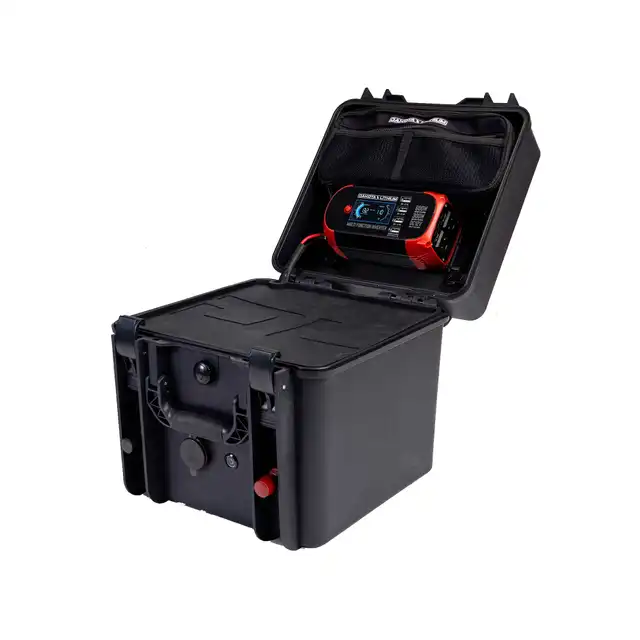
Are you considering a generator for your home or outdoor activities? You might be wondering, “Are generators waterproof?”
This question is crucial, especially if you plan to use your generator in rainy or wet conditions. Imagine being caught in a storm, needing power for your tools or devices, only to find out your generator can’t handle the moisture.
We’ll dive deep into the waterproof capabilities of generators. You’ll learn about different types of generators and their resistance to water. We’ll also share tips on how to protect your generator from the elements, ensuring it operates safely and efficiently when you need it most. Don’t risk your investment or your safety—read on to find out everything you need to know about keeping your generator safe from water damage.

Credit: www.amazon.com
Generator Waterproof Claims
The topic of generator waterproof claims often leads to confusion and skepticism. Many manufacturers advertise their products as waterproof or water-resistant, but what does that really mean for you? Understanding these claims can help you make informed decisions about your generator purchase and usage.
Understanding Waterproof Ratings
Waterproof ratings vary significantly among different generators. The International Electrotechnical Commission (IEC) has established a standard known as the IP (Ingress Protection) rating. This rating indicates how well a device is protected against dust and water.
For instance, an IPX4 rating means the generator can withstand water splashes from any direction. If you see an IP67 rating, that indicates the generator can be submerged in water up to one meter for a limited time. Knowing these ratings helps you assess your generator’s suitability for wet conditions.
Manufacturer Claims Vs. Real-life Performance
Many manufacturers make bold claims about waterproof capabilities, but real-world performance can differ. Some users have reported issues where generators labeled as waterproof failed during heavy rain. This discrepancy raises questions about the reliability of these claims.
Checking customer reviews can provide insights into how well a generator performs in adverse weather. Look for feedback from users who have tested their generators in wet conditions. This information can help you avoid potential pitfalls.
Protecting Your Generator From Water Damage
Even if your generator has a waterproof rating, taking additional precautions is wise. Using a waterproof cover can offer extra protection against rain and snow. Placing your generator on a raised platform can also prevent water accumulation around it.
- Ensure proper ventilation to avoid overheating.
- Regularly check for any signs of wear or damage.
- Follow the manufacturer’s guidelines for storage and maintenance.
Have you ever faced a situation where your generator got wet? Sharing your experience can help others understand the importance of water protection.
The Bottom Line On Waterproof Claims
Generator waterproof claims are not always straightforward. Understanding the specifications and real-world performance can guide your buying decisions. Remember to prioritize safety and longevity when choosing a generator for outdoor use.
Common Misconceptions
Many people have misunderstandings about generator waterproofing. These myths can lead to safety issues and poor performance. Let’s clear up some of these common misconceptions.
All Generators Are Waterproof
This is not true. Most generators are not waterproof. They can resist some moisture but are not designed for heavy rain or submersion. Using them in wet conditions can cause damage.
Generators Can Be Used In The Rain
Using a generator in the rain is risky. Water can enter the engine and electrical parts. This can lead to short circuits or fires.
Covering Generators Makes Them Waterproof
Many think a cover makes a generator waterproof. Covers can protect against light rain or debris. They do not make the generator fully waterproof.
It Is Safe To Use A Generator Indoors
Some believe it’s safe to use a generator indoors with a cover. This is very dangerous. Generators produce carbon monoxide, which is toxic. Always use them outdoors in well-ventilated areas.
Water Damage Is Covered By Warranty
People often assume water damage is covered by warranty. Most warranties exclude water damage. Check the warranty terms carefully before purchasing.
Impact Of Water Exposure
Water exposure can damage generators. Most generators are not fully waterproof. It’s important to protect them from rain or flooding to ensure they work properly. Always check your generator’s specifications for water resistance ratings. Taking precautions can help avoid costly repairs.
Water exposure can have a significant impact on generators, affecting their performance and safety. Understanding how water can damage your generator is crucial for maintaining its longevity and reliability. Let’s break down the effects of water exposure on your generator.Damage To Internal Components
Water can seep into the internal parts of a generator, causing corrosion and rust. This damage can lead to malfunctioning components, such as the fuel system, ignition, and electrical wiring. For instance, if water enters the fuel tank, it can mix with the fuel, leading to clogs and poor engine performance. You might find yourself stranded with a non-operational generator simply because of some unexpected rain. Regularly check your generator for any signs of moisture, especially after heavy rainfall or if it has been stored outside.Risk Of Electrical Hazards
Water and electricity do not mix well. If water gets into the electrical components of your generator, it can create a serious risk of electrical shock or even fire. Imagine starting your generator after a storm only to find it sparking and malfunctioning. This situation can be dangerous, not just for you but also for anyone nearby. Always use a waterproof cover for your generator if it’s exposed to the elements. Additionally, store it in a dry place whenever possible. Taking these precautions can help ensure your generator remains safe and functional.
Credit: www.amazon.com
Safety Measures
Generators are not fully waterproof. Rain or water can damage them. It’s important to keep generators dry during use. Always use protective covers and place them in safe areas. Proper care ensures they run smoothly and last longer.
Safety is a top priority when using generators, especially regarding water exposure. Understanding how to protect your generator from the elements can extend its life and ensure it operates safely. Here are some essential safety measures to consider.Proper Placement Techniques
Choosing the right spot for your generator is crucial. Place it on a dry surface, away from puddles or areas where water can accumulate. Ensure it is at least 5 feet away from your home. This distance helps prevent carbon monoxide buildup inside your living space. Consider using a generator pad to elevate the unit. This simple technique keeps it off the ground and reduces the risk of water damage during heavy rain.Protective Covers And Enclosures
Investing in a quality protective cover is a smart move. These covers shield your generator from rain, snow, and debris. Look for materials that are waterproof and breathable to prevent moisture buildup. For added protection, consider a weatherproof enclosure. These structures can house your generator, keeping it safe from the elements while allowing for proper ventilation. Regularly inspect your cover or enclosure for wear and tear. A small tear can lead to significant water damage over time. Have you ever faced a situation where your generator was exposed to harsh weather? Taking these steps can help you avoid such issues in the future.Waterproof Alternatives
Finding waterproof alternatives for generators can be essential. Some options offer protection from moisture and rain. They help ensure safe operation in wet conditions. Below are some effective alternatives.
Generator Covers
Generator covers provide basic protection against rain and snow. These covers are usually made of waterproof materials. They fit over the entire generator. Easy to use and store, they are a simple solution.
Weatherproof Enclosures
Weatherproof enclosures shield generators from the elements. These enclosures are sturdy and durable. They can withstand strong winds and heavy rain. Proper ventilation is key to avoid overheating.
Portable Shelter Canopies
Portable shelter canopies offer quick protection. They can be set up around the generator. This option keeps water away during storms. Choose a canopy that is easy to assemble and durable.
Generator Pads
Generator pads lift the generator off the ground. They help prevent water from pooling underneath. This protects the generator from damage and rust. Using pads is a smart choice for outdoor setups.
Drainage Solutions
Good drainage around the generator is crucial. It prevents water from accumulating. Use gravel or other materials to help water flow away. Proper drainage keeps the generator safe and functional.
Maintenance Practices
Generators are not fully waterproof. They can handle some water, but heavy rain or flooding can cause damage. Proper maintenance helps protect them from moisture and ensures they run well. Always check your generator before and after use to keep it in good shape.
Maintaining your generator is crucial, especially if you want it to withstand the elements and perform effectively. Waterproofing is important, but proper maintenance practices can significantly extend the life of your generator. Regular care ensures that your unit remains in top shape, ready to provide power when you need it most.Regular Inspections
Regular inspections are key to identifying potential issues before they escalate. Check for signs of rust or corrosion, especially if your generator has been exposed to moisture. Make it a habit to inspect the following components: – Fuel lines: Look for leaks or cracks. – Electrical connections: Ensure they are secure and free of corrosion. – Air filters: Clean or replace them as needed. Keeping a maintenance log can help you track any changes or repairs. This will not only save you money but also enhance safety. Have you ever had a generator fail during an emergency? Regular inspections can prevent that from happening.Cleaning After Exposure
After your generator has been exposed to rain or snow, cleaning it is essential. Moisture can lead to rust and electrical issues if left unattended. Start by wiping down the exterior with a dry cloth to remove excess water. For more thorough cleaning, follow these steps: 1. Disconnect the power: Always turn off your generator before cleaning. 2. Use a soft brush: Gently remove dirt and debris from the vents and surfaces. 3. Dry it completely: Ensure that all parts are dry before storing it away. Remember, neglecting to clean your generator after exposure can lead to serious damage. How often do you take the time to clean your generator? A little effort can go a long way in keeping it functional and safe. By adopting these maintenance practices, you can ensure that your generator remains in good working condition, ready to power your life when you need it most.Emergency Preparedness
Emergency preparedness is crucial for anyone who wants to stay safe during unpredictable situations. Natural disasters, power outages, and other emergencies can strike without warning. Having the right tools and knowledge can make all the difference in those critical moments.
Understanding Generator Waterproofing
Generators are essential during emergencies. But how many of you have thought about their durability against weather elements? A waterproof generator can ensure your power supply remains reliable, even in rain or snow.
Many generators come with weather-resistant features, but not all are fully waterproof. Always check the specifications before purchasing. A generator that isn’t waterproof can fail when you need it most.
Choosing The Right Generator For Emergencies
Selecting the right generator is a vital step in emergency preparedness. Look for models that are specifically designed for outdoor use. These generators are often built to withstand harsh conditions.
- Check for IP ratings, which indicate the level of protection against dust and water.
- Read customer reviews to see how others have fared in bad weather.
- Consider models with built-in covers or enclosures for added protection.
Don’t forget to consider the power output you need. A generator that can’t handle your requirements won’t help you during a blackout. Think about the devices you need to power and choose accordingly.
Protecting Your Generator In Bad Weather
Even if your generator is waterproof, taking extra precautions is wise. Use a generator cover during storms to protect it from excessive rain and debris. This simple step can extend its lifespan significantly.
Position your generator away from direct exposure to the elements. Placing it under a canopy or in a sheltered area can keep it safe. Just ensure proper ventilation to avoid carbon monoxide buildup.
Maintenance Tips For Long-term Preparedness
Regular maintenance keeps your generator in top shape. Check the oil, fuel, and air filters periodically. Clean any debris that might accumulate, especially after a storm.
Consider running your generator monthly. This practice ensures it operates smoothly when you need it. Don’t wait until an emergency arises to discover it won’t start.
Have you ever faced a power outage without a backup? Think about how you felt in that moment. Now imagine the peace of mind knowing your waterproof generator is ready to go.
Being prepared means having the right tools and knowledge at your disposal. Make sure your generator is part of your emergency plan. You never know when you might need it the most.

Credit: revopower.us
Frequently Asked Questions
Are All Generators Waterproof?
Not all generators are waterproof. Most portable generators are designed for outdoor use but are not fully waterproof. It’s essential to check the manufacturer’s specifications for water resistance ratings. If you need to operate a generator in wet conditions, consider using a generator cover for protection.
Can You Use A Generator In The Rain?
Using a generator in the rain is not recommended. Water exposure can cause electrical short circuits and pose safety hazards. If you must use it outdoors, place it under a canopy or in a well-ventilated area to protect it from rain.
Always prioritize safety when operating outdoor equipment.
How Can I Protect My Generator From Water?
To protect your generator from water, use a waterproof cover specifically designed for your model. Position the generator on a raised platform to prevent water accumulation. Additionally, ensure it’s in a well-ventilated area to avoid moisture buildup. Regular maintenance also helps keep it in optimal condition.
What Happens If A Generator Gets Wet?
If a generator gets wet, it can malfunction or become damaged. Water can cause electrical components to short-circuit, leading to potential safety hazards. Immediately turn off and unplug the generator if it gets wet. Allow it to dry completely before attempting to restart or use it again.
Conclusion
Generators are not fully waterproof. They can resist some water, but heavy rain can cause problems. Always check the manufacturer’s guidelines for specific protection levels. Use a cover or store your generator in a dry place. Protecting your generator from moisture extends its life and keeps it safe.
Choose the right generator for your needs. Understanding these factors helps you make the best choice. Stay informed and keep your generator running smoothly. Take care of it, and it will serve you well.