
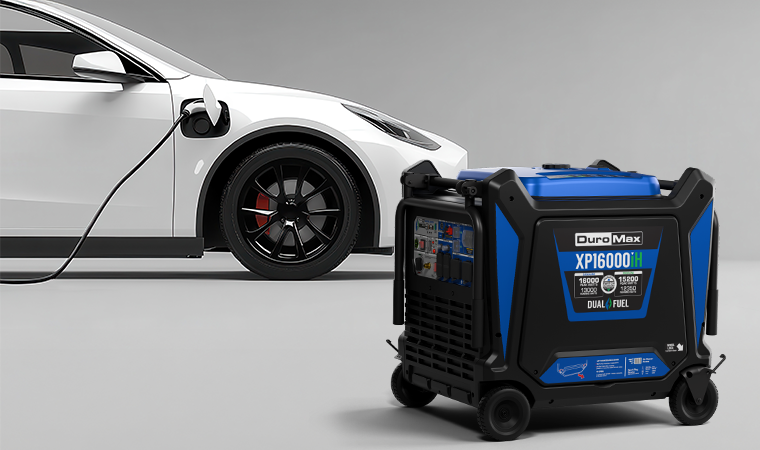
Are you considering alternative ways to charge your electric car? You might be wondering if a generator could be a viable option.
With the rise of electric vehicles, many drivers are exploring different charging methods. A generator might seem like a practical solution, especially during power outages or when you’re on the go. But can it really do the job? We’ll dive into everything you need to know about using a generator for your electric car.
You’ll discover how it works, what to consider, and whether it’s a smart choice for your charging needs. Keep reading to find out if this option is right for you!
Using Generators For Electric Cars
Generators can charge electric cars, but there are some key points to consider. Not all generators provide the right power. Make sure the generator matches the car’s charging requirements for safe and effective use. Understanding these factors can help in choosing the right generator for your electric vehicle.
Using Generators for Electric Cars Many electric car owners wonder if a generator can serve as a reliable charging option. The idea of using a generator to power your electric vehicle is intriguing, especially during emergencies or when you’re away from charging stations. You might be surprised to know that it’s not only possible but can also be quite practical in certain situations.
Can You Use Any Generator?
Not all generators are created equal. The type of generator you choose matters significantly. – Inverter Generators: These are ideal for charging electric cars. They produce stable power and are quieter than traditional generators. – Portable Generators: While they can work, ensure they have enough wattage to charge your vehicle efficiently. Using the right generator prevents damage to your car’s battery and electronic systems.
How To Charge Your Electric Car With A Generator
Charging an electric car with a generator is straightforward, but there are steps to follow. 1. Check Compatibility: Ensure your generator can output the required voltage and wattage. 2. Connect the Charging Cable: Use the appropriate adapter if necessary. 3. Monitor the Charging Process: Keep an eye on the charging status to avoid overloading the generator. This method can be a lifesaver if you find yourself in a remote area without access to a charging station.
Consider The Costs
Using a generator involves costs that you should consider. – Initial Investment: Inverter generators can be more expensive upfront but save you money in the long run through efficiency. – Fuel Costs: Regular fuel or propane will add to your expenses. Evaluate these costs against the convenience and reliability a generator offers.
Safety Precautions
Safety should be your top priority when using a generator to charge your electric car. – Ventilation is Key: Always operate the generator outdoors to prevent carbon monoxide buildup. – Avoid Overloading: Ensure you don’t exceed the generator’s capacity. Following these precautions ensures a safe charging experience. Charging your electric vehicle with a generator can provide peace of mind, especially during long trips or emergencies. Have you considered how a generator could change your travel plans? Understanding the ins and outs can make a significant difference in your electric vehicle journey.
Credit: www.politifact.com
Types Of Generators Compatible With Evs
Choosing the right generator for your electric vehicle (EV) is important. Not all generators can charge an EV. Some generators work better than others. Understanding their types helps you make a smart choice.
Portable Generators
Portable generators are compact and easy to move. They are great for outdoor use. These generators usually run on gas or propane. Most portable models provide enough power for home appliances. Some can charge an EV, but check the output first.
Inverter Generators
Inverter generators offer clean and stable power. They are quieter than traditional generators. This makes them suitable for charging EVs. These generators convert DC power to AC power efficiently. They are also lightweight and portable.
Standby Generators
Standby generators are fixed installations. They automatically turn on during a power outage. These generators can provide enough power for your entire home. They often have higher output levels. This makes them suitable for charging your EV quickly.
Solar Generators
Solar generators use sunlight to generate electricity. They are eco-friendly and quiet. However, they depend on sunny weather. A solar generator can charge an EV, but it may take longer. It is a good option for sustainable energy users.
Diesel Generators
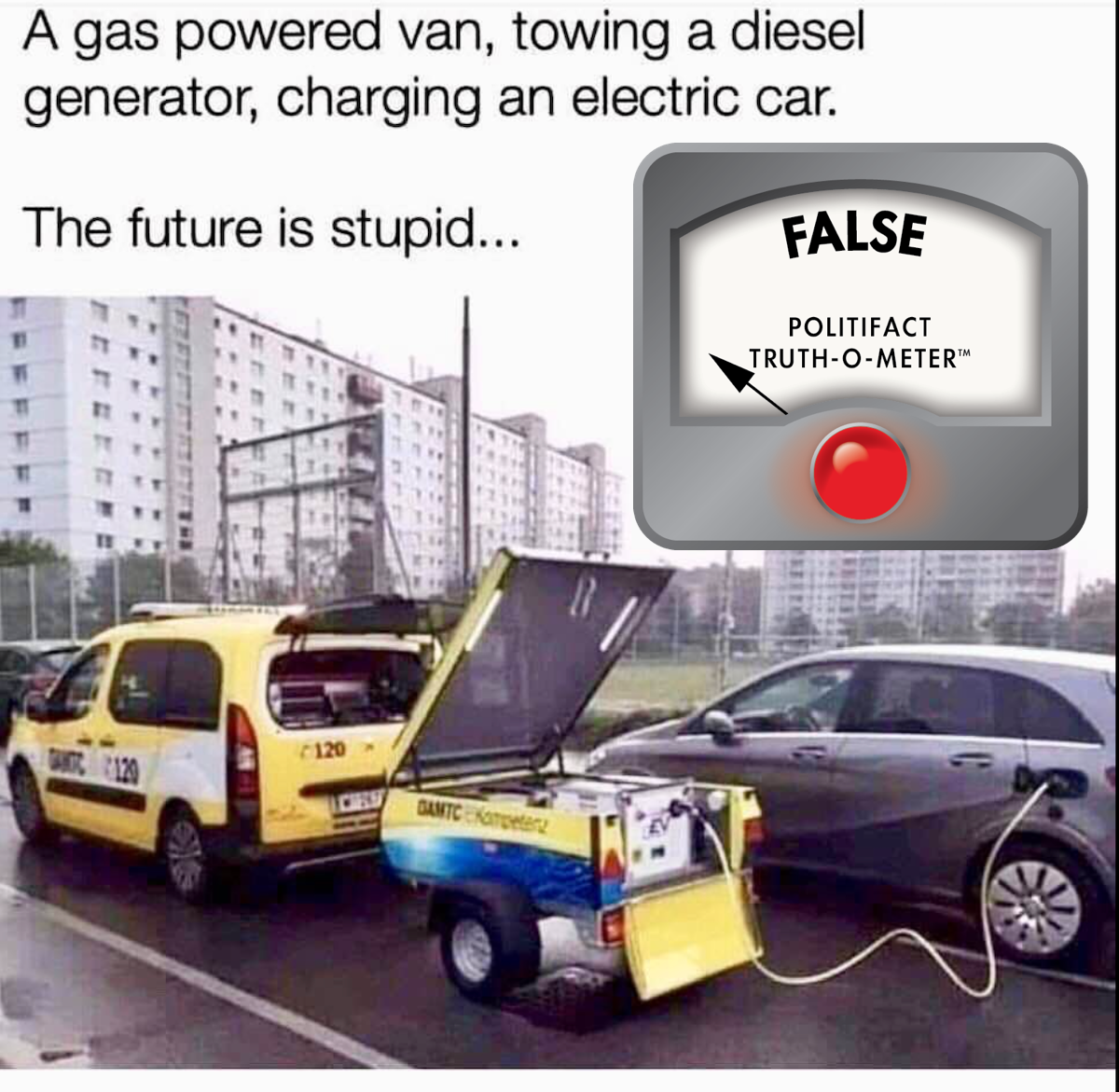
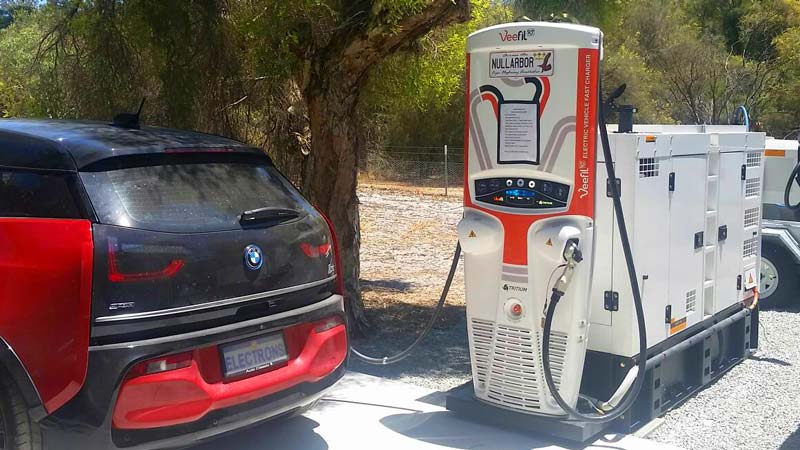
Diesel generators are powerful and durable. They can handle heavy loads and are often used in construction. They produce more noise and emissions than other types. Charging an EV with a diesel generator is possible but not ideal for eco-conscious users.
Gasoline Generators
Gasoline generators are common and widely available. They are easy to find in stores. These generators can charge an EV but may not be the most efficient. Fuel costs can add up over time. Check the wattage to ensure it meets your EV’s needs.
Technical Feasibility And Limitations
Charging an electric car with a generator is a practical option for many. However, understanding the technical feasibility and limitations is crucial. Let’s break down the essential aspects that can help you determine if this method works for your needs.
Understanding Generator Output
Generators come in different sizes and power outputs. Most electric vehicles (EVs) require a significant amount of power to charge efficiently.
For instance, a standard Level 2 EV charger needs about 240 volts and can draw 30 to 40 amps. This translates to a power output of approximately 7.2 to 9.6 kW. Make sure your generator can meet these requirements.
Generator Compatibility
Not all generators are built equal. Some generators produce a clean sine wave, which is essential for sensitive electronics like those in EVs.
If your generator produces a modified sine wave, it may not be suitable for charging. Check the generator specifications to ensure compatibility with your electric vehicle.
Charging Time Considerations
Charging time is another critical factor. Using a generator typically results in slower charging compared to a dedicated EV charger.
For example, a full charge using a generator may take significantly longer than with a standard outlet or charging station. Consider your time constraints when planning to charge your EV this way.
Fuel Availability And Efficiency
Generators run on fuel, which can be a limitation. If you’re in a remote area, fuel availability might be a concern.
Additionally, think about the cost-effectiveness of using a generator versus charging at home or a public station. You might find that frequent generator use can add up quickly.
Safety Considerations
Safety is paramount when charging with a generator. Ensure you follow all safety guidelines to prevent electrical hazards.
Using the right cables and connectors is essential. Faulty equipment can lead to damage or even fire risks, so always prioritize safety.
Have you ever tried charging your car with a generator? What was your experience like? Understanding these technical aspects can help you make a more informed decision about using a generator for your electric vehicle.
Power Output And Charging Requirements
Many people wonder about using a generator to charge an electric car. Understanding power output and charging requirements is key. Not all generators can do this job well. Let’s break it down.
Understanding Generator Power Output
Generators come in various power outputs. This output is measured in watts. Electric cars need a specific amount of power to charge. Most electric vehicles require at least 3,000 watts to charge efficiently.
Check your generator’s rating before using it. A generator with low wattage may not charge your car properly. It can also damage both the generator and the vehicle.
Charging Requirements Of Electric Cars
Electric cars have different charging levels. Level 1 charging uses a standard home outlet. This method is slow and may take a long time to charge fully.
Level 2 charging is faster. It requires a dedicated charging station. Many generators cannot provide enough power for Level 2 charging.
Generator Compatibility
Not all generators are compatible with electric cars. Some generators offer only AC output. Electric cars usually need DC output for faster charging.
Check your car’s manual for specific requirements. Make sure the generator matches these needs.
Safety Considerations
Safety is crucial when charging with a generator. Follow all safety guidelines. Use proper cables and connectors to avoid accidents.
Always charge in a well-ventilated area. Carbon monoxide can build up if you use a generator indoors.
Portable Generators Vs Stationary Units
When considering a generator for charging an electric car, two main types exist: portable generators and stationary units. Each has unique features. They serve different needs and situations. Understanding these differences helps you choose the right one.
Portable Generators
Portable generators offer flexibility. You can move them easily from one place to another. They are great for outdoor events or emergencies. Most portable models are lightweight. This makes transport simple.
Charging an electric car with a portable generator is possible. Make sure to check the generator’s power output. Some generators provide enough wattage for charging. Others may not meet the requirements.
These generators usually run on gasoline or propane. This can limit their use. Fuel availability matters. Always keep safety in mind when using portable units.
Stationary Generators
Stationary generators are fixed in one place. They connect directly to your home’s electrical system. This makes them ideal for regular use. They can provide power during outages.
Most stationary units have higher power outputs. This means they can charge electric cars quickly. They often run on natural gas or diesel. This can be more efficient than gasoline.
Stationary generators require professional installation. This ensures safety and proper operation. They are less portable but more reliable for home use.
Choose the type of generator based on your needs. Think about where and how often you will charge your car. Your choice affects convenience and efficiency.
Challenges With Efficiency And Safety
Using a generator to charge an electric car presents challenges. Efficiency may suffer, leading to longer charging times. Safety concerns also arise, such as proper grounding and overload risks. Understanding these issues is crucial for effective use.
Charging an electric car with a generator sounds like a convenient solution, especially during power outages or when you’re off the grid. However, the reality is filled with challenges related to efficiency and safety. Understanding these challenges will help you make an informed decision.
Efficiency: Is It Worth It?
Using a generator to charge your electric vehicle (EV) can lead to significant efficiency losses. Generators convert fuel into electricity, but they often operate at only 50-60% efficiency. Your car’s charging system may also not be optimized for the generator’s output. This mismatch can result in longer charging times and wasted energy, making you question whether the effort is worth it. If you’re considering this option, think about how often you need to rely on a generator. Is the inconvenience and inefficiency worth the temporary solution?
Safety Concerns: A Real Issue
Safety is another major challenge when using a generator for EV charging. Portable generators produce carbon monoxide, a dangerous gas that can accumulate in enclosed spaces. Using a generator indoors or near your home can be deadly. Always ensure you’re in a well-ventilated area. Additionally, improper connections and overloads can cause electrical hazards. You must ensure that all equipment is compatible and securely connected to prevent accidents.
Cost-effectiveness: A Hidden Expense
While a generator may seem like a cost-effective way to charge your EV, the hidden expenses can add up. Fuel costs for the generator can quickly negate any savings you might think you have. Consider maintenance costs as well. Generators require regular upkeep, and repairs can be pricey. Have you factored in the cost of fuel and maintenance when considering this option? It may not be as economical as it first appears. Charging your electric car with a generator comes with significant challenges. Efficiency losses, safety concerns, and hidden costs can make this option less appealing than it seems. Before making a decision, weigh these factors carefully to ensure it aligns with your needs.
Legal And Environmental Considerations
Using a generator to charge an electric car raises important legal and environmental issues. Understanding these factors is crucial for safe and responsible charging.
Legal Regulations
Each region has laws about using generators. Some areas have strict rules. These rules may limit generator use in residential zones. Check local regulations before charging your car.
Permits may be required for certain generator types. Using a generator without a permit can lead to fines. Always ensure compliance with local laws.
Environmental Impact
Generators often run on fossil fuels. This can produce harmful emissions. These emissions contribute to air pollution. Charging an electric car with a generator may harm the environment.
Consider using renewable energy sources. Solar or wind power can be cleaner options. These sources reduce carbon footprints significantly.
Noise Pollution
Generators can be noisy. This noise can disturb neighbors. Noise regulations may apply in residential areas. Using a quieter generator can help reduce this issue.
Explore quieter charging options. Electric car chargers at home are often less disruptive. They also comply with local noise laws.
Credit: ekoenergetyka.com
Scenarios For Emergency Charging
Electric cars are popular, but they can run out of power. Sometimes, charging stations are far away. In these cases, a generator can help. Here are some situations where a generator can provide emergency charging for your electric vehicle.
Roadside Breakdown
A car can stop working anywhere. If you run out of battery, a generator can help. It can provide enough power to get you to a charging station. Keep a portable generator in your trunk for emergencies.
Power Outage At Home
A power outage can leave you without electricity. If your electric car needs charging, a generator can be useful. It can recharge your car while the power is out. Make sure your generator is ready to use during such times.
Camping Or Remote Locations
Many people enjoy camping with electric cars. Sometimes, campgrounds lack charging stations. A generator can charge your car while you enjoy nature. This way, you can drive home without worry.
Long Road Trips
On long road trips, finding charging stations can be difficult. A generator allows you to charge your car at rest stops. It provides peace of mind during your travels. Make sure to pack a generator for your next adventure.
Innovations In Mobile Charging Solutions
Mobile charging solutions have changed how we think about electric cars. New technology makes it easier to charge on the go. This is important for drivers who need power away from home.
Many companies are now developing portable chargers. These chargers are lightweight and easy to carry. They allow you to charge your electric car wherever you are.
Portable Battery Packs
Portable battery packs are a popular choice. They store power and can recharge your car. These devices are compact and can fit in the trunk.
Some packs can deliver enough energy for short trips. They provide peace of mind during long drives. You no longer have to worry about running out of power.
Solar-powered Chargers
Solar-powered chargers offer an eco-friendly option. They use sunlight to generate electricity. This is a great way to charge while camping or traveling.
These chargers are quiet and require no fuel. They can be set up almost anywhere. Solar energy is free and helps the environment.
Mobile Charging Stations
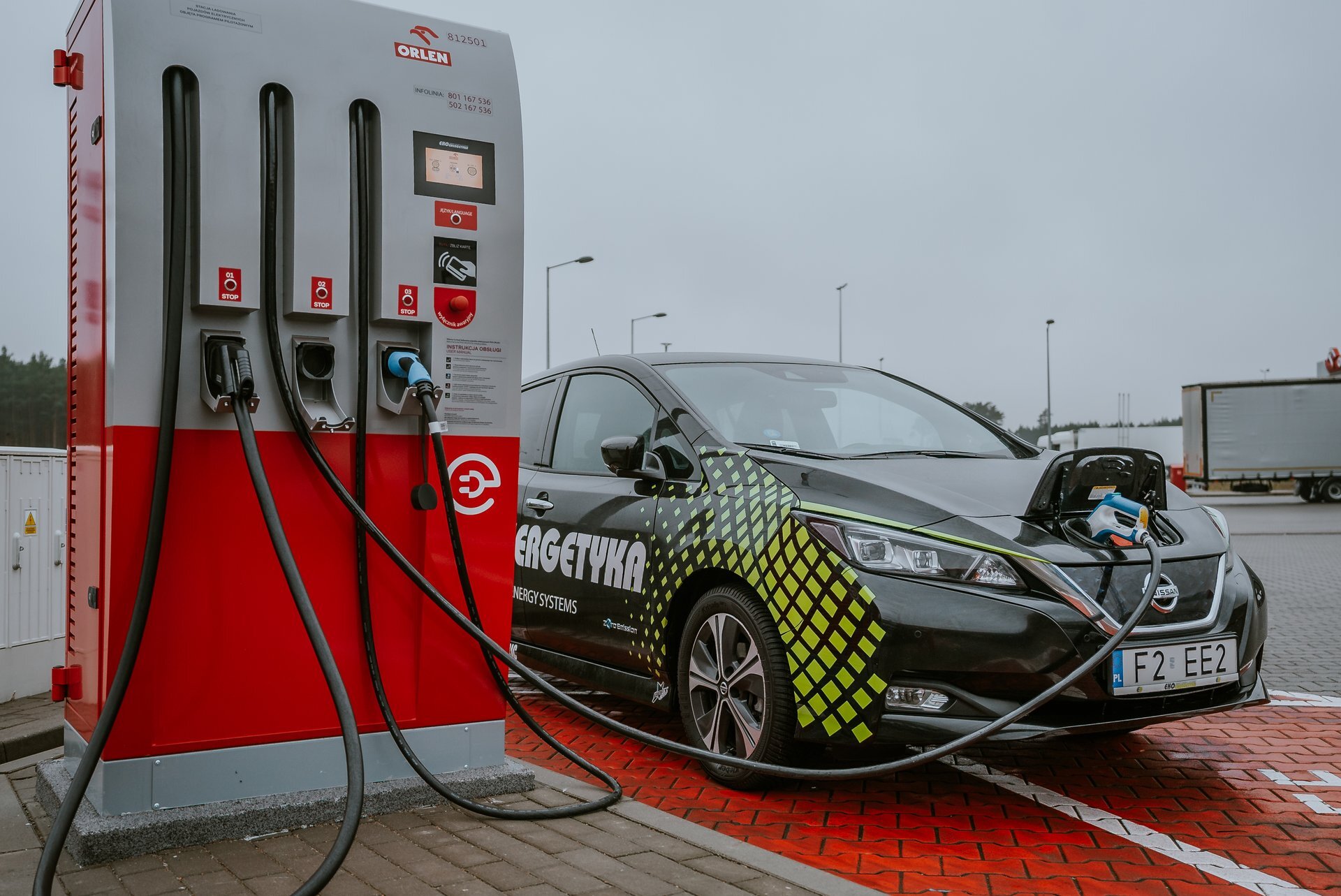
Mobile charging stations are popping up in cities. These stations are like gas stations for electric cars. They provide quick charging options for drivers.
Some stations are even on wheels. They can be driven to events or busy areas. This makes charging more accessible for everyone.
Credit: thedriven.io
Future Of Off-grid Ev Charging
The future of off-grid EV charging is bright and promising. Many people want to charge their electric cars without relying on traditional power sources. This opens doors to new possibilities for energy independence.
As electric vehicles become more popular, innovative solutions are emerging. These solutions help drivers charge their cars anywhere, anytime. Off-grid charging systems can support this growing demand.
Solar-powered Charging Stations
Solar panels are a key part of off-grid EV charging. They convert sunlight into electricity. This clean energy can charge electric cars without connecting to the grid.
Many people install solar panels at home. These systems can store energy in batteries. Users can charge their cars at night or during cloudy days.
Portable Generators For Charging
Portable generators offer another option. They can power EVs when solar energy is not available. These generators run on various fuels, such as gasoline or propane.
Drivers can use them during road trips or at remote locations. This flexibility makes charging more accessible.
Battery Storage Solutions
Battery storage systems enhance off-grid charging. They store energy from solar panels or generators. This energy can be used later for charging electric vehicles.
Using batteries ensures a steady power supply. Drivers can charge their cars even in bad weather.
Integration Of Smart Technology
Smart technology is transforming off-grid charging. Apps and devices can monitor energy use. They help users manage charging times and energy sources effectively.
This technology makes charging efficient and user-friendly. Drivers can ensure their EVs are ready when needed.
Sustainable Energy Practices
Adopting sustainable energy practices is vital. More people are choosing green energy sources. Wind and hydro power can complement solar energy.
These practices reduce dependence on fossil fuels. They also promote a cleaner environment for everyone.
Frequently Asked Questions
Can I Charge My Electric Car With A Generator?
Yes, you can charge your electric car with a generator. However, ensure the generator produces sufficient wattage and has the right voltage. Using an inverter generator is often recommended for this purpose. Always check your car’s charging specifications and use appropriate adapters to avoid damage.
What Type Of Generator Is Best For Electric Cars?
An inverter generator is the best choice for charging electric cars. These generators provide clean and stable power, which is crucial for sensitive electronics. They are quieter and more fuel-efficient than conventional generators. Make sure to choose one with the appropriate output for your car’s charging needs.
How Long Does It Take To Charge An Electric Car With A Generator?
Charging time depends on the generator’s output and the car’s battery capacity. Typically, it can take several hours to fully charge an electric vehicle using a generator. For quicker charging, choose a generator with a higher wattage output. Always monitor the charging process to ensure safety.
Are There Any Risks Using A Generator For Charging?
Yes, there are some risks involved when using a generator. Improper usage can lead to electrical overloads or damage to the car’s battery. Additionally, exhaust fumes can be hazardous, so always operate the generator outdoors. Following safety guidelines and using the right equipment can mitigate these risks.
Conclusion
Using a generator to charge an electric car is possible. It provides a useful backup power source. Consider the generator’s capacity and type. Not all generators work well for this task. Understand the connection methods before charging. Safety is also important.
Always follow the manufacturer’s guidelines. In some cases, it may be more efficient to use a dedicated charging station. Evaluate your needs and options. This choice can impact your driving experience. Charging an electric car with a generator can work, but do your research first.