
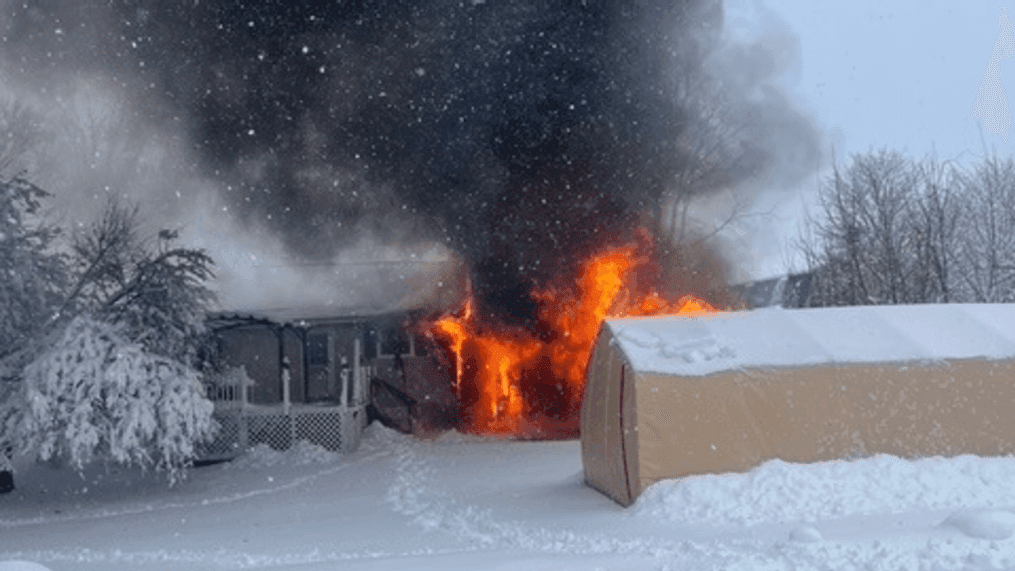
Imagine the peace of mind a generator brings during a power outage. It keeps your lights on, your fridge running, and your home comfortable.
But have you ever considered the risks that come with using one? Specifically, can a generator cause a house fire? This is a question that every homeowner should take seriously. Understanding the potential dangers can help you protect your home and your loved ones.
We’ll explore the connection between generators and house fires, the common hazards, and how you can safely enjoy the benefits of your generator. Stay with us to learn crucial safety tips that could save your home from disaster. You deserve to feel secure, and we’re here to help you make informed choices. Let’s dive in!
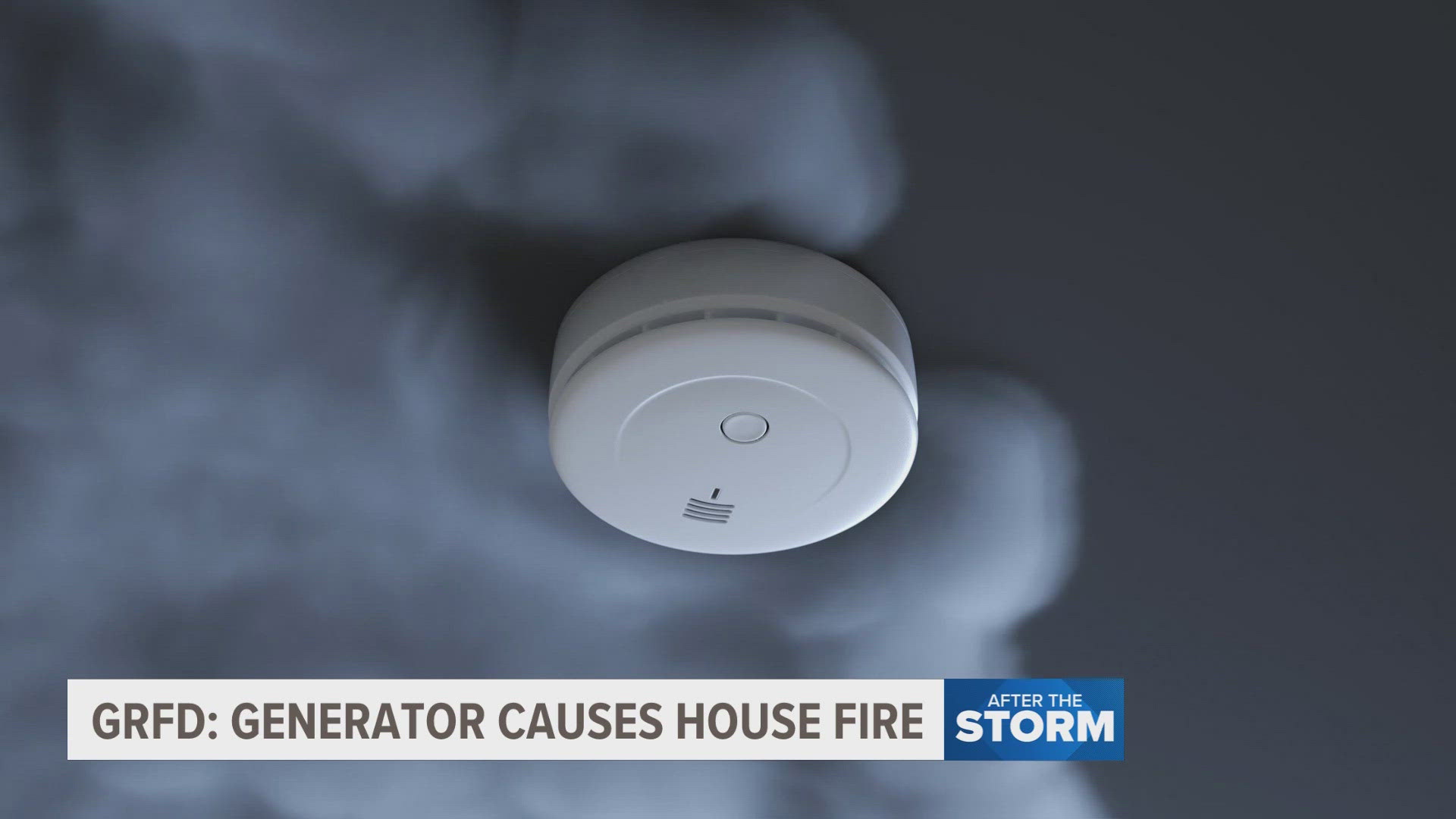
Credit: www.wzzm13.com
Generator Risks At Home
Using a generator at home can provide convenience and peace of mind during power outages. However, it also comes with risks that you need to understand. Knowing these generator risks can help you protect your home and loved ones from potential hazards.
Common Fire Hazards
Generators produce heat, and if not used properly, they can ignite flammable materials nearby. Keep your generator away from dry leaves, gasoline cans, and other combustibles. Never operate a generator in an enclosed space, as this increases the risk of fire and carbon monoxide poisoning.
Consider this: a friend of mine had a generator running in his garage during a storm. He thought it was safe since the door was partially open. A small spark ignited some stored paint cans, resulting in a fire that caused extensive damage. Always keep your generator in a well-ventilated area, away from anything that could catch fire.
Fuel Storage And Handling Dangers
Improper fuel storage is another significant risk associated with generators. Gasoline is highly flammable, and storing it in the wrong containers can lead to disaster. Use approved fuel containers and keep them in a cool, dry place away from your home.
Have you checked your fuel storage lately? If you notice old or contaminated fuel, dispose of it safely. It’s better to be cautious than to risk a fire from something as simple as a fuel leak.
Electrical Overloads And Malfunctions
Overloading your generator can cause overheating and fires. Always check the wattage capacity and ensure you’re not exceeding it. Use a power strip with a built-in circuit breaker to help prevent overloads.
Electrical malfunctions can also happen. Regularly inspect your generator for frayed wires and loose connections. A small issue can lead to significant problems, so don’t overlook maintenance.
Have you ever had a flickering light when using your generator? It might be a sign of an overload. Pay attention to these warnings and adjust your usage accordingly.
Understanding these generator risks helps you take proactive measures. Make safety a priority to enjoy the benefits of your generator without the fear of a disaster.
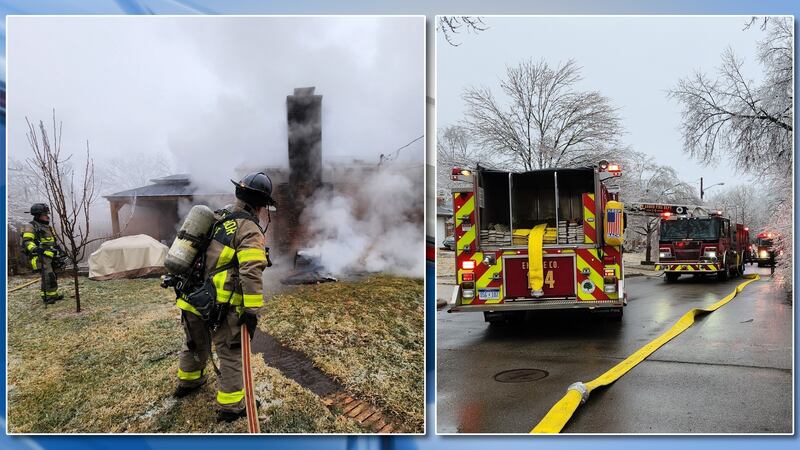
Credit: www.wilx.com
Proper Generator Placement
Choosing the right spot for your generator is crucial. Proper placement can prevent accidents. It reduces the risk of fire and carbon monoxide poisoning. Follow these guidelines for safe generator use.
Safe Distance From The House
Keep your generator at least 20 feet away from your home. This distance helps prevent smoke from entering your house. It also reduces the risk of fire spreading. Avoid placing it near windows, doors, or vents. This keeps harmful fumes out of your living space.
Avoiding Enclosed Spaces
Never place your generator in a garage or basement. These enclosed spaces trap dangerous gases. Carbon monoxide can build up quickly. Always use your generator in an open area. This allows for safe airflow and reduces fire risks.
Ventilation Requirements
Ensure your generator has proper ventilation. Good airflow lowers the chance of overheating. Check that the exhaust is directed away from structures. Keep the area around the generator clear of debris. This helps maintain safe operation and prevents fires.
Maintenance And Inspection
Generators can pose fire risks if not properly maintained. Regular maintenance and inspection keep your generator safe. Simple checks can prevent serious accidents.
Checking For Fuel Leaks
Fuel leaks are a major fire hazard. Check your generator for any signs of leaking fuel. Look for wet spots or strong fuel odors. These indicate a problem.
Fix leaks immediately. Clean up any spilled fuel. Use proper containers for fuel storage. Always keep fuel away from heat sources.
Inspecting Electrical Connections
Electrical connections can wear down over time. Inspect all wires and connectors regularly. Look for frayed wires or loose connections. These can cause short circuits.
Tighten loose connections. Replace damaged wires right away. This simple step can prevent electrical fires.
Regular Servicing And Repairs
Regular servicing is key to generator safety. Follow the manufacturer’s maintenance schedule. Change oil and filters as recommended. Proper servicing keeps your generator running smoothly.
Address any unusual sounds or smells. These may signal a need for repair. Timely repairs can save lives and property.
Safe Operation Practices
Generators can pose a fire risk if not used safely. Proper placement and ventilation are key to preventing accidents. Always follow safety guidelines to reduce the chances of a house fire.
Safe operation practices are vital when using a generator. They can prevent dangerous situations, including house fires. Understanding how to operate your generator safely can give you peace of mind and protect your home.Following Manufacturer Instructions
Every generator comes with specific guidelines. These instructions detail how to set up and use the machine properly. Ignoring them can lead to serious risks. Make sure to read the manual thoroughly before starting. Each model has unique features that require attention. For instance, some generators need a certain distance from your home to prevent carbon monoxide buildup. If you’re unsure about something, consult the manufacturer or a professional. Never guess when it comes to safety.Avoiding Overloading
Overloading your generator is a common mistake. It can strain the machine and increase the risk of fire. Stick to the recommended wattage. List the appliances you plan to power. Add up their wattage to ensure it doesn’t exceed your generator’s limit. This simple step can save you from a potential disaster. Consider using a power management system. These devices help you monitor your generator’s load. They can alert you if you’re approaching the limit.Proper Shutdown Procedures
Shutting down your generator correctly is just as important as starting it. Failing to do so can cause fuel leaks or electrical issues. Always follow the shutdown process outlined in the manual. Before powering down, turn off all connected appliances. This reduces the risk of power surges. Allow the generator to cool down before storing it to prevent any fires. Regular maintenance also plays a role in safe operation. Check for fuel leaks, frayed wires, or any signs of wear. A well-maintained generator is less likely to cause problems. Are you ready to take the necessary steps to operate your generator safely? Your home and family depend on it.Backup Power Safety Tips
Generators can pose fire risks if not used properly. Keep them outdoors, away from windows and doors. Regular maintenance is key to preventing accidents. Always follow safety guidelines to ensure a safe backup power experience.
Backup power can be a lifesaver during an outage, but it also comes with risks. Ensuring your generator is safe to use is crucial to prevent potential hazards, including house fires. Here are essential backup power safety tips that will help you stay protected while enjoying the convenience of your generator.Using Transfer Switches
A transfer switch is a vital piece of equipment for safely connecting your generator to your home’s electrical system. It prevents back-feeding electricity into the grid, which can be dangerous for utility workers. Investing in a transfer switch can significantly reduce the risk of electrical fires. Make sure to hire a licensed electrician to install it properly. This small step can provide you with peace of mind during power outages.Avoiding Diy Electrical Setups
While DIY projects can be rewarding, electrical setups are best left to the professionals. Many people underestimate the complexity of electrical systems, leading to unsafe configurations that can cause fires. If you have a generator, always use it according to the manufacturer’s instructions. Using improper cords or connecting your generator directly to your home’s outlets can create significant hazards. Stick to the guidelines and keep your family safe.Keeping Emergency Supplies Ready
Being prepared can make all the difference in an emergency. Keep a well-stocked emergency kit that includes fire extinguishers, flashlights, and first aid supplies. Regularly check your supplies to ensure everything is functional and not expired. In addition, it’s wise to have a fire evacuation plan in place. You never know when an emergency might arise, and having a plan can save lives. What steps are you taking to ensure your backup power setup is safe?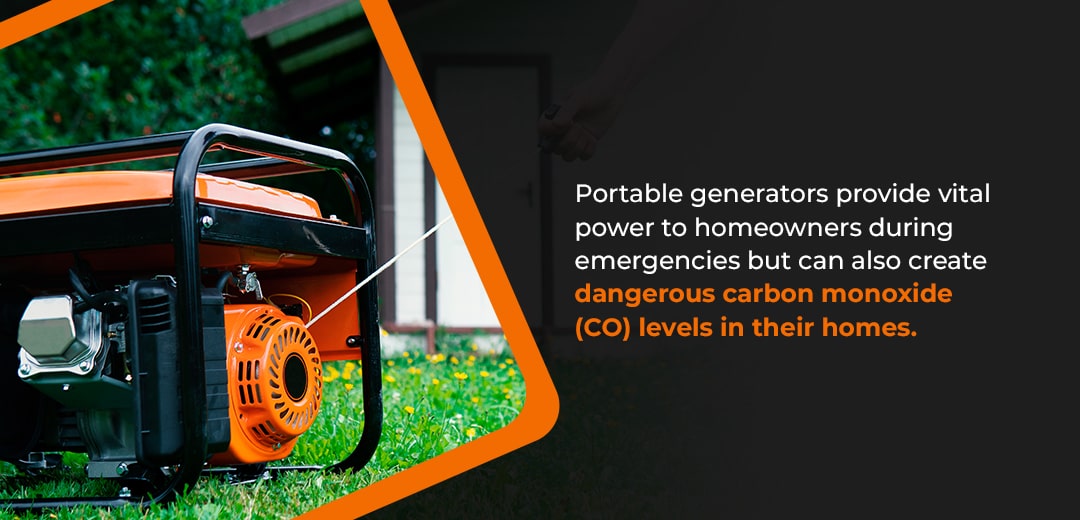
Credit: www.gentent.com
Emergency Preparedness
Generators can provide power during emergencies, but they also pose fire risks. Poor placement or faulty wiring can lead to dangerous situations. Always follow safety guidelines to reduce the chance of a house fire when using a generator.
Emergency preparedness is crucial when using a generator. Generators can provide essential power during outages, but they also pose fire risks if not handled properly. Being ready for any emergency can make all the difference in keeping your home and loved ones safe.Installing Fire Extinguishers
You should have fire extinguishers readily available in your home, especially if you use a generator. These devices can be lifesavers in case of a fire. – Choose the right type: Look for extinguishers rated for electrical fires (Class C). – Placement matters: Install them in easily accessible locations, like the kitchen and near your generator. – Check regularly: Ensure that they are fully charged and functional. Have you ever thought about how quickly a small fire can escalate? A fire extinguisher can provide a quick response to keep flames at bay.Creating An Evacuation Plan
Planning an evacuation strategy is essential. You never know when a fire might break out, and being prepared can save lives. – Identify exits: Make sure everyone in your home knows all available exit routes. – Designate a meeting spot: Choose a safe location outside where everyone can gather. – Practice the plan: Regularly conduct drills to ensure everyone is familiar with the procedure. What would you do if a fire broke out right now? Having a clear plan can help reduce panic and confusion during an emergency.Knowing Local Fire Codes
Understanding local fire codes is vital for safety. These regulations provide guidelines on generator usage and fire prevention measures. – Research requirements: Check with your local fire department for specific codes related to generators. – Follow guidelines: Ensure your generator setup complies with safety standards. – Stay informed: Regulations may change, so keep yourself updated. Have you checked if your generator meets local safety standards? Ignoring these codes could put your home at risk. By taking these steps, you can significantly reduce the chances of a fire caused by your generator and ensure your family’s safety.Frequently Asked Questions
Can Generators Ignite House Fires?
Yes, generators can ignite house fires if not used properly. Overloading the generator or placing it too close to flammable materials increases this risk. Always follow safety guidelines and keep generators away from your home and combustible items. Regular maintenance can also help prevent fire hazards.
What Causes Generator-related Fires?
Generator-related fires can be caused by several factors, including fuel leaks, overheating, and electrical malfunctions. Improper ventilation can lead to carbon monoxide buildup, which is dangerous. Using damaged extension cords or overload can also spark fires. It’s essential to address any issues immediately to prevent fires.
How To Prevent Generator Fires At Home?
To prevent generator fires, ensure proper placement away from flammable materials. Regularly inspect and maintain your generator to detect any issues. Use the generator according to the manufacturer’s guidelines and never overload it. Additionally, ensure adequate ventilation to minimize the risk of overheating and fire.
Are Portable Generators Safer Than Standby Generators?
Portable generators can be just as safe as standby generators if used correctly. However, standby generators are typically installed by professionals and have built-in safety features. Both types can pose fire risks if misused. It’s crucial to follow safety protocols for any generator type to ensure safety.
Conclusion
Generators can pose fire risks if not used properly. Always follow safety guidelines. Keep generators outside, away from your home. Regular maintenance is key to safe operation. Inspect your generator often for any issues. Use the right fuel and avoid overloading.
Stay alert to unusual sounds or smells. Awareness and caution can prevent fires. By taking these steps, you protect your home and family. Stay safe and informed to enjoy the benefits of your generator without worry.