
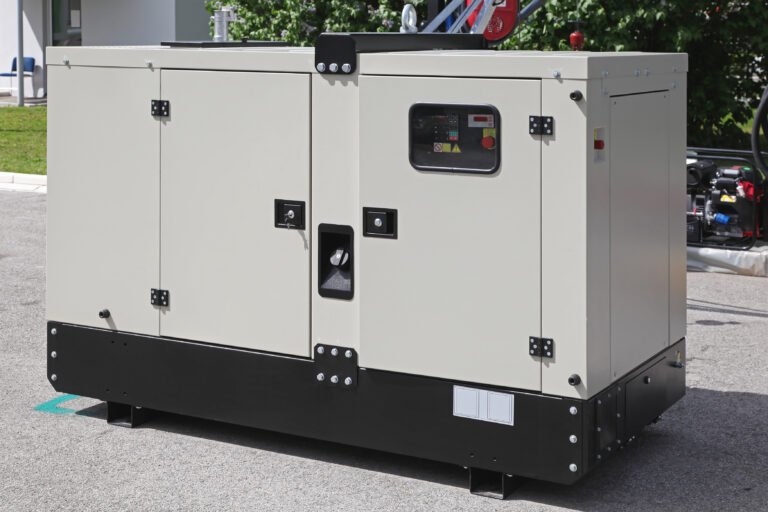
Power surges can be frustrating and damaging, especially when they affect your home or appliances. Have you ever wondered if a generator could be the culprit?
If you’re using a generator to keep your lights on during an outage, you might be at risk of unexpected power spikes. Understanding how generators work and their potential impact on your electrical system is crucial. We’ll explore whether a generator can indeed cause a power surge and what you can do to protect your home.
You’ll learn about the signs of surges, how to safeguard your devices, and tips for safe generator use. Don’t let a power surge catch you off guard—read on to find out how to keep your home and electronics safe.
How Generators Work
Generators are machines that convert mechanical energy into electrical energy. They provide power when the main grid fails. Understanding their operation helps in knowing potential power issues.
Basic Components Of A Generator
A generator has several key parts. The engine provides mechanical energy. The alternator converts this energy into electricity. The voltage regulator maintains a steady voltage level.
The Role Of Fuel
Generators often run on gasoline, diesel, or natural gas. The type of fuel affects performance and efficiency. Fuel burns in the engine, creating mechanical power.
How Electricity Is Generated
The engine spins the alternator’s rotor. This movement generates alternating current (AC) electricity. The process involves electromagnetic induction, which produces electrical energy.
Voltage Regulation
Voltage regulation is crucial for stable electricity supply. The voltage regulator adjusts the output. It ensures that appliances receive the right voltage level.
Power Surge Risks
Generators can cause power surges. Sudden starts or stops can create spikes in electricity. Understanding how generators operate helps prevent these issues.
What Is A Power Surge?
A power surge is a sudden increase in electrical voltage. This spike can last for a short time. It can happen in homes and businesses. Power surges can damage appliances and electronics. They may also cause circuit breakers to trip.
Power surges often occur due to various reasons. Lightning strikes are a common cause. They can send a huge amount of electricity into power lines. Faulty wiring can also lead to surges. Overloaded circuits may create a sudden voltage increase.
Generators can sometimes cause power surges. When they start or stop, they may create a spike. This can affect the devices connected to them. Understanding power surges helps protect your devices.
Causes Of Power Surges
Several factors lead to power surges. Lightning strikes are the most powerful. They can send high voltage through power lines. Equipment failures can also cause surges. A transformer failure may create a sudden spike.
Turning on heavy appliances can lead to surges. Items like air conditioners and refrigerators draw a lot of power. This sudden demand can create a temporary voltage increase.
Effects Of Power Surges
Power surges can harm your electronic devices. They can damage circuits in computers and televisions. Appliances may stop working or become less efficient.
In some cases, surges can lead to fires. They can cause wires to overheat and melt. Protecting your home from surges is important.
Preventing Power Surges
Using surge protectors is a smart way to prevent damage. These devices absorb excess voltage. Unplugging devices during storms also helps. This simple step can protect your electronics.
Installing whole-home surge protectors offers added security. They protect all devices connected to your home’s electrical system.
Common Causes Of Power Surges
Power surges can be a frustrating and costly issue for many households. Understanding the common causes can help you prevent damage to your electronic devices and appliances. Let’s dive into the primary reasons why power surges occur.
Lightning Strikes
Lightning is one of the most powerful natural phenomena that can cause a surge. When lightning strikes a power line, it can send a massive surge of electricity into your home. This surge can destroy sensitive electronics like your television or computer.
Electrical Overloads
Overloading your electrical circuits can lead to surges. If too many devices draw power from the same circuit, it may cause a spike. For instance, running multiple high-wattage appliances simultaneously can create a significant surge.
Utility Company Issues
Sometimes, the power company itself can be the source of surges. Maintenance work, equipment failure, or sudden changes in electricity demand can lead to unexpected spikes. You might notice this if your lights flicker during peak times.
Faulty Wiring
Outdated or damaged wiring in your home can also cause power surges. If wires are frayed or improperly installed, they may not handle electricity well. This can lead to irregular power flow and potential surges.
Appliance Malfunctions
Faulty appliances can create surges when they malfunction. For example, a refrigerator with a failing compressor might draw more power than usual. This sudden demand can affect other devices on the same circuit.
Generator Operation
Using a generator improperly can also lead to power surges. If you connect your generator directly to your home’s electrical system without a transfer switch, it can create dangerous back-feeding. This can not only damage your electronics but also pose a risk to utility workers.
Have you ever experienced a power surge that damaged your devices? Understanding these causes can help you take steps to protect your home. Investing in surge protectors and ensuring proper wiring are practical measures to consider.

Credit: au.jackery.com
Generator-related Risks
Generators can cause power surges. These surges happen when the generator suddenly increases its output. This can damage electrical devices and cause safety hazards. Understanding these risks helps in using generators safely. Always follow proper guidelines to prevent problems.
Generator-related risks can pose significant dangers if not handled properly. While generators are excellent for providing backup power, they come with their own set of challenges. Understanding these risks can help you avoid potential problems, such as power surges that could damage your appliances or even create hazardous situations.Improper Installation Issues
Installing a generator incorrectly can lead to serious problems. If the generator is not connected properly to your home’s electrical system, it may create a backfeed. This backfeed can send electricity back into the grid, posing a risk to utility workers and causing equipment damage. Always ensure that your generator is set up by a qualified electrician. They will check for proper grounding and ensure that the generator is connected to the appropriate circuits. Don’t take shortcuts—this is one area where cutting corners can lead to costly and dangerous mistakes.Overloading The Generator
Overloading your generator is a common mistake that can lead to power surges. Each generator has a specific wattage limit. Exceeding this limit can cause the generator to struggle, leading to voltage spikes that can damage your devices. Create a list of the appliances you plan to power and their wattage requirements. This will help you stay within the generator’s limits. If you need to power multiple devices, consider investing in a larger generator to meet your needs.Faulty Voltage Regulation
A generator’s voltage regulation system is crucial for maintaining stable power output. If this system fails, it can lead to voltage fluctuations. These fluctuations can cause sensitive electronics to malfunction or even become damaged. Regular maintenance is essential for ensuring your generator’s voltage regulation is functioning correctly. Check your generator periodically for any signs of wear and tear. If you’re unsure, consult a professional to assess its condition. Understanding these generator-related risks can help you prevent power surges and protect your valuable electronics. Have you checked your generator’s installation and load limits lately? Taking proactive steps now can save you from headaches later.Impact Of Power Surges
Power surges can happen suddenly. They can cause serious problems for your home. Understanding their impact is crucial. This includes the damage they can cause to electronics and appliances. It also includes the fire hazards they present.
Damage To Electronics
Electronics are sensitive to power changes. A surge can harm them easily. Devices like computers and TVs may stop working. Sometimes, they may even catch fire.
Surges can fry circuits inside devices. This leads to costly repairs or replacements. Protecting your electronics is important. Using surge protectors can help reduce the risk.
Effects On Appliances
Appliances like refrigerators and microwaves can also suffer. A power surge can disrupt their operation. This might cause them to fail completely.
In some cases, appliances may run inefficiently after a surge. This can lead to higher energy bills. Regular maintenance is key to keeping them safe.
Fire Hazards
Power surges increase the risk of fire. They can cause sparks in wiring. This is especially dangerous in older homes.
Faulty appliances may also catch fire during a surge. It’s crucial to monitor appliances closely. Installing smoke detectors can provide extra safety.
Preventing Power Surges From Generators
Power surges can damage your appliances. Generators can sometimes cause these surges. Taking steps to prevent this issue is vital. Simple methods can help protect your home.
Using Surge Protectors
Surge protectors are essential for any generator setup. They shield your devices from sudden voltage spikes. Choose a high-quality surge protector for best results. Make sure it can handle the generator’s output. Connect your sensitive devices to the surge protector first. This small step can save you from costly repairs.
Regular Maintenance Tips
Regular maintenance keeps your generator running smoothly. Check the oil and fuel levels often. Clean the air filters to ensure proper airflow. Inspect the wiring for any signs of wear. A well-maintained generator is less likely to cause surges. Schedule professional checks at least once a year. This helps catch problems early.
Installing Voltage Regulators
Voltage regulators help control the power output of your generator. They maintain a steady voltage level. This reduces the risk of surges. Install a voltage regulator that suits your generator’s capacity. A reliable regulator protects your devices from fluctuations. This investment can save you money in the long run.
Signs Of A Potential Surge
Power surges can cause serious damage. They happen suddenly and can be hard to spot. Knowing the signs is important. Early detection can save your appliances.
Flickering Lights
Flickering lights are a common sign of a surge. You might notice them when you turn on heavy appliances. This flickering could mean your generator is struggling.
Unusual Noises
Listen for strange sounds from your generator. A humming or buzzing noise can indicate problems. These noises may signal an incoming power surge.
Burning Smell
A burning smell is a serious warning sign. It often means that wires are overheating. This can lead to a power surge or even a fire.
Tripped Circuit Breakers
Circuit breakers protect your home from surges. Frequent tripping can indicate an issue. It’s a sign that something is wrong with the power supply.
Overheated Appliances
Check if your appliances feel hot to the touch. Overheating can happen during a surge. This may damage your devices in the long run.
Frequent Power Outages
Frequent power outages can hint at surge issues. They may come from a faulty generator. Pay attention to how often they happen.
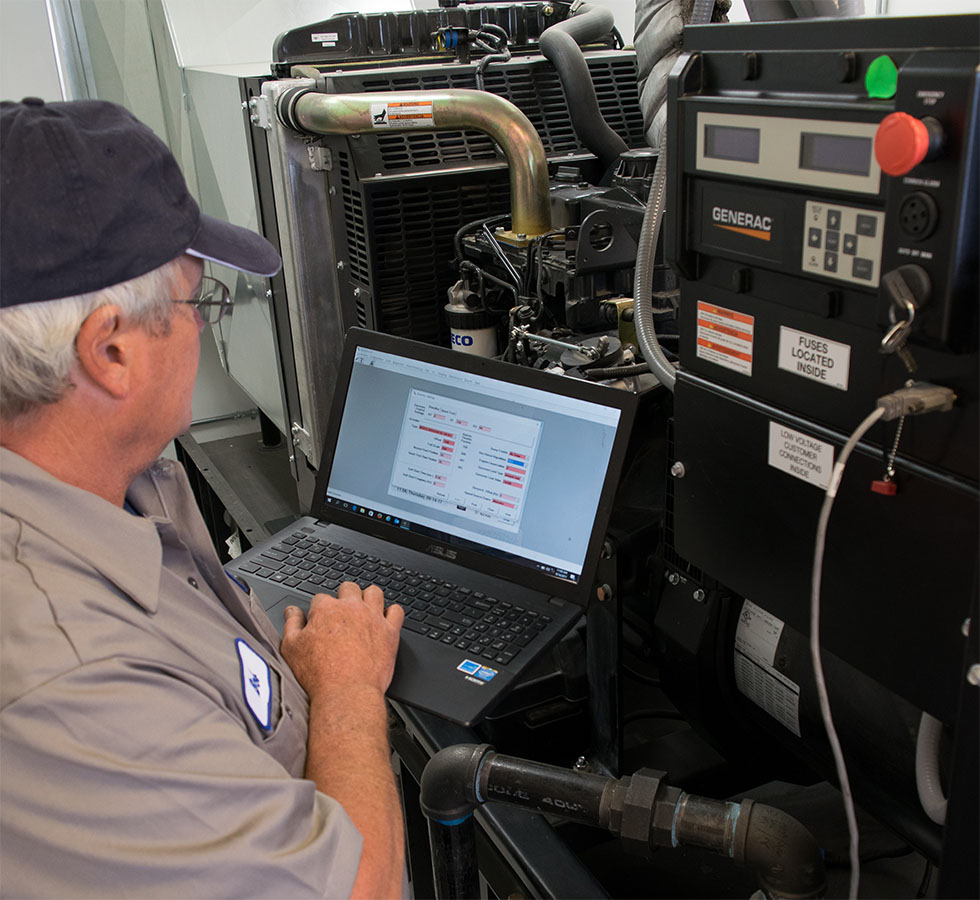
Credit: goemc.com
Choosing The Right Generator
Choosing the right generator involves understanding its potential risks. A generator can indeed cause power surges. These surges can damage your appliances and devices if not managed properly. Always select a generator that matches your power needs to avoid these issues.
Choosing the right generator is crucial for ensuring your home or business runs smoothly during a power outage. A poorly chosen generator can lead to power surges, damaging your appliances and causing inconvenience. Let’s dive into key factors to consider when selecting your generator.Features To Look For
Start by assessing your power needs. Calculate the total wattage of the appliances you plan to run. Look for generators that offer a bit more wattage than your needs to accommodate any surges when appliances start up. Consider fuel type. Gasoline generators are common, but propane and diesel options can offer longer runtimes. Think about what’s readily available in your area and what fits your lifestyle. Noise level is another important feature. Some generators operate quietly, while others can be quite loud. If you live in a neighborhood with strict noise regulations, opt for a quieter model. Portability can also play a role. If you plan to move your generator often, look for one that is lightweight and has wheels. A compact design makes it easier to store and transport.Safety Certifications
Always check for safety certifications. Look for labels from organizations like Underwriters Laboratories (UL) or the American National Standards Institute (ANSI). These certifications ensure that the generator meets safety standards and reduces the risk of electrical hazards. Also, consider built-in safety features. Automatic shut-off mechanisms can prevent overheating and fuel leaks. Generators with ground fault circuit interrupters (GFCIs) offer added protection against electrical shocks. Prioritize models with surge protection. This feature helps prevent your generator from delivering too much power, which can cause damage to your devices. It’s a small investment for peace of mind. By carefully evaluating features and ensuring safety certifications, you can choose a generator that meets your needs without the risk of causing power surges. What features matter most to you in a generator?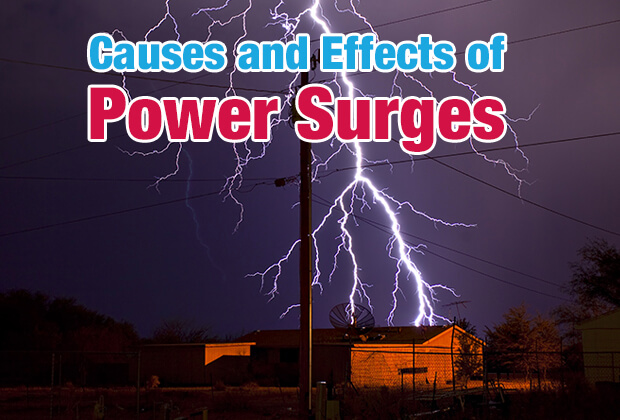
Credit: www.fishinglightsetc.com
Frequently Asked Questions
Can Generators Cause Electrical Surges?
Yes, generators can cause electrical surges. When a generator starts or when there’s a sudden load change, voltage can spike. These surges can damage appliances and electronics. To mitigate risks, consider using surge protectors and proper wiring.
What Are The Effects Of A Power Surge?
Power surges can lead to equipment damage, data loss, or even fire hazards. Sensitive electronics are particularly vulnerable. Frequent surges may shorten the lifespan of your devices. Proper surge protection is essential to safeguard your investments.
How To Prevent Generator-related Power Surges?
To prevent power surges from generators, use quality surge protectors. Ensure the generator is properly installed and maintained. Additionally, avoid overloading the generator. Regularly check connections and wiring to minimize surge risks.
Are Power Surges Harmful To Home Appliances?
Yes, power surges can be harmful to home appliances. They can cause immediate damage or degrade components over time. This may lead to malfunction or complete failure. Using surge protectors can help safeguard your appliances against these risks.
Conclusion
Generators can cause power surges. This can harm your devices. Understanding this risk helps you stay safe. Use proper connections and settings. Regular maintenance is essential for safe operation. Always follow the manufacturer’s guidelines. Being aware reduces the chance of damage.
Protect your home and appliances from power spikes. Knowledge is your best defense against generator issues. Stay informed and take action to ensure safety.