
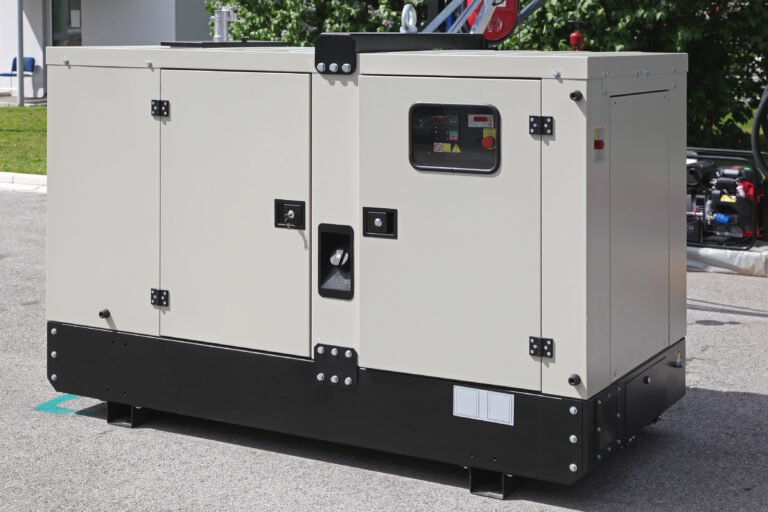
Have you ever wondered if your generator could cause a surge? It’s a question many people ask, especially if they rely on generators for backup power.
Surges can damage your electronics and appliances, leading to costly repairs or replacements. Understanding the relationship between generators and electrical surges is crucial for protecting your home and belongings. We’ll explore how a generator operates and the conditions under which it might create a surge.
You’ll gain valuable insights that can help you make informed decisions about your power needs. Whether you’re a seasoned generator user or just starting, knowing the risks will empower you to take control. Keep reading to ensure your home stays safe and your devices remain protected.
Generator Surge Causes
Generators can cause surges in electrical power. This happens when the generator suddenly increases output. Such surges can damage connected devices. Understanding these causes helps in preventing issues. Proper maintenance and load management are key.
Understanding the causes of generator surges can help you prevent potential damage to your appliances and equipment. Surges often occur unexpectedly, leading to frustrating situations. Identifying the root causes allows you to take proactive steps to mitigate risks.
Faulty Voltage Regulation
Faulty voltage regulation is one of the primary causes of generator surges. If the voltage regulator is malfunctioning, it can lead to inconsistent voltage output. This inconsistency can result in sudden spikes in power that may damage sensitive electronics. You might have experienced this if your generator suddenly provided too much power, causing lights to flicker or appliances to shut down. Regular maintenance of the voltage regulator is essential to ensure stable operation. Checking for wear and tear can save you from costly repairs later.
Overloading The Generator
Overloading the generator is another common issue that can lead to surges. Every generator has a specific capacity, and exceeding this limit can cause serious problems. When you connect more devices than the generator can handle, it struggles to meet the demand. Have you ever tried running multiple heavy-duty appliances at once? That might have pushed your generator beyond its limits. Always check the wattage requirements of your devices and ensure your generator can handle the total load.
Incorrect Wiring Connections
Incorrect wiring connections can create dangerous situations and lead to generator surges. Poorly connected wires can generate resistance, causing voltage fluctuations. This can result in unexpected power surges that may damage your equipment. Take a moment to inspect your wiring setup. Ensuring that all connections are secure and correctly installed can help prevent these issues. If you’re unsure about your wiring, consulting a professional can provide peace of mind. Understanding these causes empowers you to maintain your generator effectively. Are you ready to take steps to protect your devices from unexpected surges?
Effects Of Electrical Surges
Electrical surges can cause serious issues in your home. They happen when there is a sudden increase in voltage. This can damage appliances and electronics. Understanding these effects helps you protect your devices.
Damage To Appliances
Appliances are not built to handle sudden voltage spikes. A surge can fry their internal components. This leads to costly repairs or replacements. Refrigerators, microwaves, and washing machines are common targets.
Often, you may not notice the damage right away. Over time, small surges weaken appliances. Eventually, they may fail to work properly. Preventing surges can save you money and hassle.
Impact On Sensitive Electronics
Sensitive electronics are even more at risk. Devices like computers and televisions can suffer severe damage. A power surge can erase data or damage circuits. This can lead to permanent loss of important files.
Replacing these devices can be expensive. Protecting them with surge protectors is a smart choice. It helps keep your valuable electronics safe from harm.
Fire Risks From Power Surges
Power surges can also create fire hazards. A surge may cause overheating in wires. This increases the risk of electrical fires. Old wiring and damaged outlets are especially vulnerable.
It is crucial to address any signs of wear in your electrical system. Regular checks can prevent dangerous situations. Safety should always be a priority in your home.
Preventing Generator Surges
Generators can cause power surges. These surges may damage appliances and electronics. To prevent this, use surge protectors. Regular maintenance also helps keep generators running smoothly. Proper installation is key to avoid issues. Always follow safety guidelines for safe operation.
Preventing generator surges is crucial for ensuring your devices and appliances operate smoothly during power outages. A sudden surge can damage sensitive electronics, leading to costly repairs or replacements. By taking a few simple steps, you can protect your equipment and enjoy peace of mind.
Using Surge Protectors
Surge protectors are your first line of defense against power spikes. They act like a shield, diverting excess voltage away from your devices. Look for surge protectors that offer a high joule rating; this indicates their capacity to absorb energy surges. Connect your generator to a surge protector before plugging in your devices. This extra layer of protection can save your electronics from the unexpected. Have you ever experienced a power surge that fried your devices? It’s a frustrating situation, and surge protectors can help you avoid it.
Regular Maintenance Practices
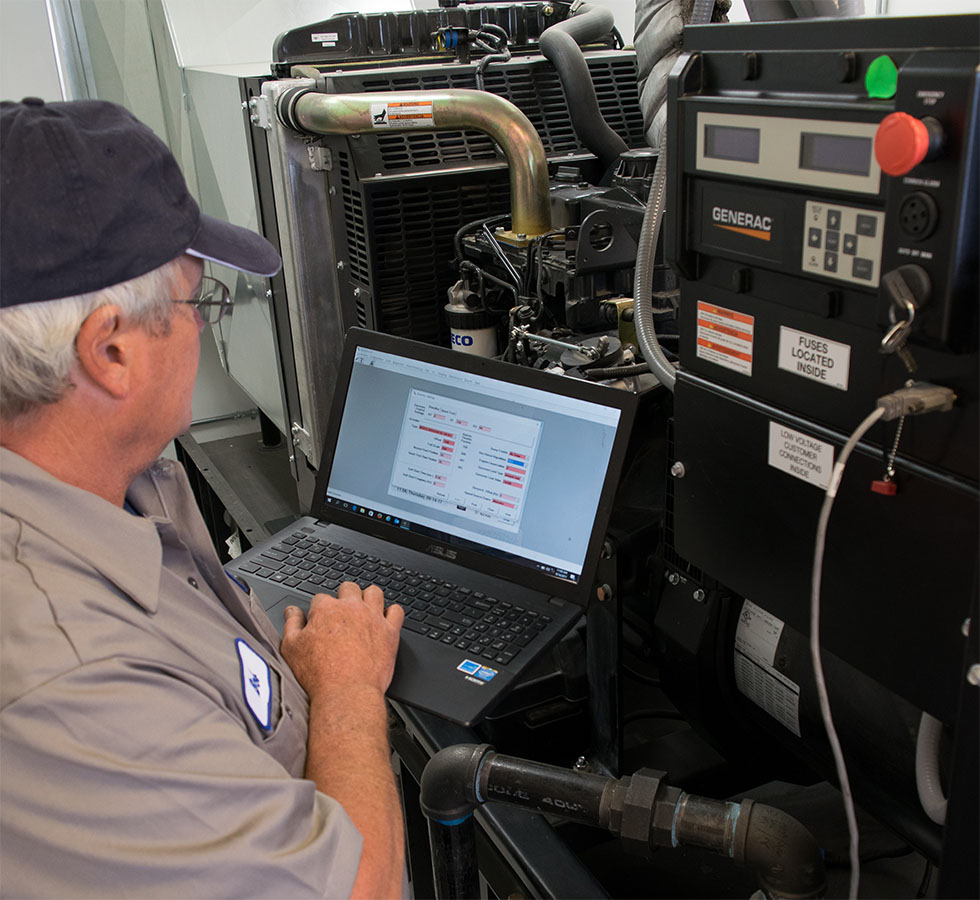
Regular maintenance of your generator is essential to prevent surges. Check the fuel system, batteries, and electrical connections periodically. Keeping these components in good shape minimizes the risk of malfunction. Perform a thorough inspection before each use. A simple check can identify potential issues before they escalate. My friend once neglected maintenance, and their generator failed during a storm, causing chaos. Don’t let that happen to you.
Choosing The Right Generator Size
Selecting the appropriate generator size is vital for preventing surges. An undersized generator may struggle to handle your power needs, leading to voltage fluctuations. Calculate your power requirements accurately to ensure you purchase a generator that meets your demands. Consider the wattage of the devices you plan to use. A generator that is too powerful can also cause issues. Balance is key—too small or too large can lead to problems. Have you considered what size generator works best for your home or business? Taking these steps can make a significant difference in preventing generator surges. It’s about protecting your investments and ensuring reliable power when you need it most.
Credit: goemc.com
Signs Of Surge Issues
Surge issues can cause serious damage to your home. Recognizing the signs early can save you time and money. Look for common signs that indicate a surge problem.
Flickering Lights
Flickering lights are a common sign of electrical surges. You might notice lights dimming or brightening suddenly. This can happen in one room or throughout your home.
Frequent flickering may mean your generator is causing issues. Check connections and the generator’s output. Fixing these can help prevent further problems.
Unusual Appliance Behavior
Appliances may behave strangely during a surge. You might hear buzzing sounds or see devices turn on and off. Some appliances may stop working altogether.
This behavior often indicates an electrical issue. It’s essential to monitor your appliances closely. If you notice changes, investigate the source right away.
Burnt Odor Or Scorch Marks
A burnt smell or scorch marks are serious warning signs. These can indicate overheating wires or damaged appliances. Do not ignore these signs.
Check for visible damage on wires and plugs. If you smell burning, disconnect appliances immediately. Call a professional to assess the situation.
Safety Tips For Generators
Generators can be lifesavers during power outages, but they also pose risks if not used properly. Understanding safety tips for generators can help you avoid accidents and equipment damage. Here are essential guidelines to keep you and your home safe.
Proper Installation Techniques
Installation is critical to ensuring your generator operates safely. Always place your generator outdoors, away from windows and doors. This prevents harmful carbon monoxide from entering your home.
Use a transfer switch for a safe connection to your home’s electrical system. This setup prevents backfeeding, which can endanger utility workers and damage your generator. Following the manufacturer’s guidelines is also crucial for proper installation.
Avoiding Overload Scenarios
Overloading your generator can lead to serious damage and safety hazards. Know the wattage capacity of your generator and only connect appliances that fall within that limit. A good rule of thumb is to keep your load at 80% of the generator’s capacity.
Consider which appliances you need to power first. Prioritize essentials like refrigerators and medical equipment. Creating a list can help you stay organized during an outage.
Monitoring Voltage Output
Voltage fluctuations can damage your appliances and the generator itself. Invest in a voltage monitor to keep track of output levels. If you notice any irregularities, turn off your generator immediately.
Regularly check your generator’s output before connecting any devices. A quick inspection can save you from costly repairs. Staying vigilant helps ensure that your generator runs smoothly and safely.
Have you ever experienced a power outage? Knowing how to operate a generator safely can make all the difference. Taking these precautions can help you avoid potential hazards and keep your home running smoothly.
Credit: www.facebook.com
Frequently Asked Questions
Can Generators Cause Power Surges?
Yes, generators can cause power surges. When a generator starts or when there is a sudden load change, it can create a surge in electrical output. This surge can potentially damage connected appliances and equipment. It’s essential to use surge protectors to mitigate this risk.
What Are The Signs Of A Power Surge?
Signs of a power surge include flickering lights, tripped circuit breakers, and damaged appliances. If you notice these issues, it may indicate a surge. Regularly checking your electrical system can help identify problems early on. Always consult a professional if you’re unsure.
How To Prevent Generator Surges?
To prevent generator surges, use a surge protector and avoid overloading the generator. Properly maintain your generator to ensure it operates efficiently. Additionally, gradually connect devices to the generator to avoid sudden load changes. Following these steps can help protect your appliances.
Do Power Surges Damage Appliances?
Yes, power surges can damage appliances. They can cause overheating, short circuits, and even complete failure of electronic devices. Sensitive equipment is particularly vulnerable to surges. Using surge protectors can help safeguard your appliances against potential damage.
Conclusion
Generators can indeed cause power surges. These surges can damage your devices. It’s important to use generators correctly. Always connect them to a transfer switch. This keeps your home safe from backfeeding. Regular maintenance can also help prevent issues. Understanding how your generator works is key.
Taking these steps protects your equipment and ensures reliable power. Stay informed and always prioritize safety. This way, you can enjoy the benefits of a generator without worry.