
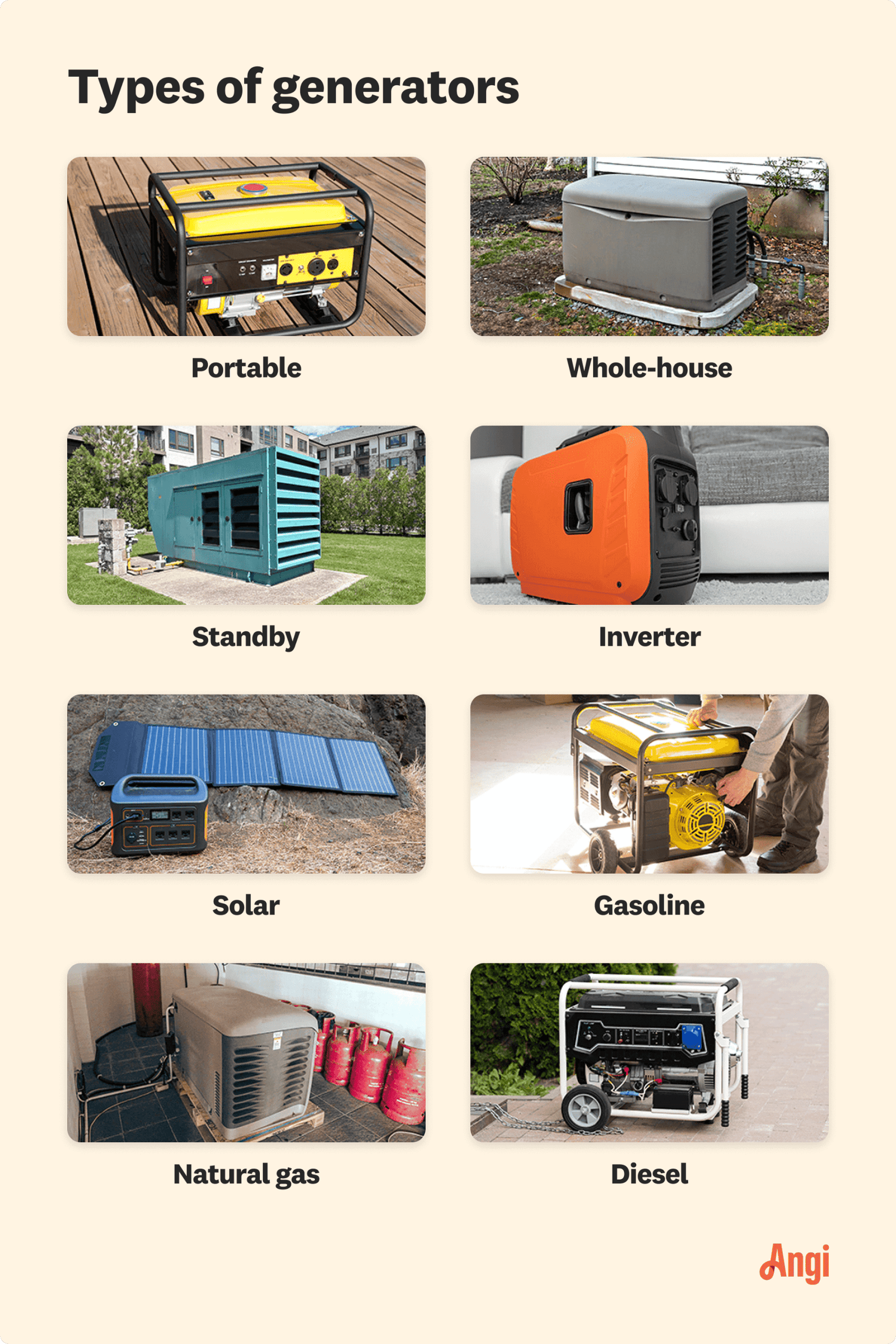
Are you wondering if your generator can run on natural gas? You’re not alone.
Many homeowners and businesses in Austin, Texas, and beyond are exploring natural gas as a fuel option for generators. Why? Because natural gas offers a steady, convenient, and often more affordable power source. But can your generator really switch to natural gas, and what does that mean for its performance and your energy bills?
You’ll discover how natural gas works with generators, the benefits you can expect, and what you need to know before making the switch. Keep reading to find out if running your generator on natural gas is the right move for you.
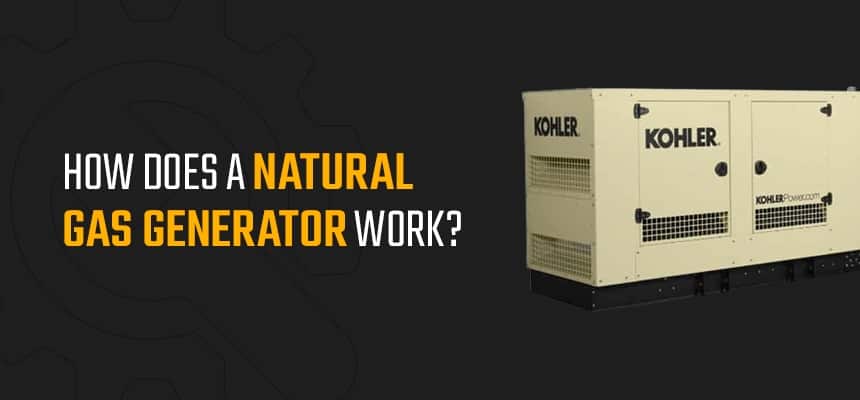
Credit: woodstockpower.com
Natural Gas Generators
Natural gas generators offer a reliable power source using clean-burning fuel. These generators run on natural gas supplied through pipelines. This fuel is abundant in many areas, making it a popular choice for home and business backup power.
Natural gas generators produce fewer emissions compared to gasoline or diesel models. This makes them more environmentally friendly. They also tend to require less maintenance due to cleaner combustion.
How Natural Gas Generators Work
Natural gas flows into the generator’s engine, where it mixes with air. The mixture ignites to create energy that powers the generator. This process produces electricity efficiently and steadily.
Advantages Of Using Natural Gas Generators
Natural gas is often cheaper than gasoline or diesel. The fuel supply via pipelines means no need to store large fuel tanks. These generators can run longer without refueling interruptions.
Common Uses For Natural Gas Generators
Many homes use natural gas generators for backup power during outages. Businesses rely on them to keep operations running smoothly. They are also popular for remote sites connected to gas lines.
Maintenance Tips For Natural Gas Generators
Regular oil changes keep the engine running smoothly. Check filters and spark plugs often to prevent issues. Keep the generator clean to avoid dust buildup and overheating.
Fuel Conversion Options
Generators that run on gasoline or diesel can be converted to use natural gas. This change allows cleaner fuel use and often lowers fuel costs. Conversion involves adding special kits or making engine adjustments.
Choosing the right conversion method depends on the generator type and your fuel source. Some kits allow dual fuel use, offering flexibility between gas and liquid fuels.
Natural Gas Conversion Kits
Natural gas conversion kits are popular for adapting gasoline generators. These kits include new carburetors or fuel injectors designed for natural gas. They also have regulators to control gas pressure safely.
Installing a kit usually requires basic mechanical skills and tools. Once installed, the generator can run on natural gas from your home supply line. This option reduces smoke and odors from running the generator.
Dual Fuel Systems
Dual fuel systems let generators run on either natural gas or gasoline. They have switches or controls to change the fuel type quickly. This setup is useful in areas where gas supply might be interrupted.
With dual fuel, you keep gasoline as a backup while saving money by using natural gas. These systems also help extend the life of your generator by providing cleaner fuel options.
Professional Conversion Services
Professional services can convert your generator safely and correctly. Experts check your generator model and recommend the best conversion method. They handle installation, tuning, and testing to ensure proper operation.
Hiring professionals avoids risks like gas leaks or engine damage. It also ensures your generator meets local safety standards. This choice is best for those unfamiliar with engine mechanics.
Benefits Of Natural Gas
Natural gas offers several advantages as a fuel for generators. It burns cleaner than many other fuels. This results in less pollution and fewer harmful emissions. Using natural gas can be more cost-effective over time. It is widely available through pipelines, so you don’t need to store large fuel tanks.
Generators running on natural gas tend to require less maintenance. This is because natural gas burns cleaner and leaves fewer residues. It also provides a consistent fuel supply, which supports longer run times. These benefits make natural gas a smart choice for powering generators.
Cost Efficiency
Natural gas is usually cheaper than gasoline or diesel. Prices remain more stable, avoiding sudden spikes. This can save money, especially during long power outages. Lower fuel costs reduce the overall expense of generator operation.
Environmental Impact
Natural gas produces fewer pollutants and greenhouse gases. It emits less carbon dioxide and nitrogen oxides. This helps reduce air pollution and supports cleaner air. Using natural gas contributes to a healthier environment.
Convenient Fuel Supply
Natural gas is delivered through pipelines directly to homes. This means no need to store fuel on-site. Continuous supply is possible without frequent refilling. This convenience makes it ideal for emergency power needs.
Lower Maintenance Needs
Generators running on natural gas need less frequent service. The cleaner burn reduces engine wear and deposits. This leads to longer engine life and fewer breakdowns. Maintenance costs drop, saving time and money.

Credit: www.depco.com
Continuous Run Time Factors
Continuous run time is a key factor when using a generator powered by natural gas. It determines how long the generator can operate without interruption. Several factors affect this runtime. Understanding these helps maintain reliable power and avoid breakdowns.
Fuel Supply Reliability
Natural gas generators rely on a steady gas supply. If the gas line pressure drops or the supply is interrupted, the generator will stop. A reliable connection to the natural gas network ensures longer run times. Backup fuel options can also extend operation during supply issues.
Engine Maintenance
Regular engine care keeps the generator running smoothly. Oil changes and filter replacements prevent damage. Without proper maintenance, the engine may overheat or fail. Scheduled checks help detect problems early and avoid unexpected shutdowns.
Overheating Prevention
Generators generate heat during operation. Continuous running raises engine temperature. Most models need periodic cooling to avoid damage. Allowing the generator to rest prevents overheating and prolongs engine life. Cooling also helps maintain consistent power output.
Manufacturer Guidelines
Each generator model has specific operating limits. Following manufacturer instructions ensures safe and efficient use. These guidelines include recommended run times and maintenance schedules. Ignoring them can lead to warranty loss and equipment failure.
Maintenance For Long Runtime
Maintenance plays a key role in keeping a natural gas generator running for long hours. Proper care prevents breakdowns and keeps the generator efficient. Regular checks and timely repairs extend the engine’s life and ensure steady power supply. Neglect can cause overheating, fuel issues, and mechanical failures. The following sections cover essential maintenance tasks to maximize runtime and maintain safety.
Regular Oil And Filter Changes
Changing oil and filters regularly keeps the engine clean and running smoothly. Old oil loses its ability to lubricate engine parts. This causes wear and tear. Clean filters prevent dust and dirt from entering the engine. Check oil levels before each use. Follow the manufacturer’s schedule for changes to avoid damage.
Cooling System Inspection
The cooling system stops the generator from overheating. Check coolant levels often and refill if needed. Inspect hoses and radiator for leaks or cracks. Clean any debris around the cooling system. Overheating reduces engine life and causes shutdowns. A well-maintained cooling system supports continuous operation.
Fuel Supply And Line Checks
Natural gas supply must be steady and clean. Inspect fuel lines for leaks, cracks, or blockages. Replace damaged hoses quickly. Ensure gas pressure stays within recommended limits. Contaminated or interrupted fuel flow can stall the generator or cause damage. Proper fuel checks help avoid unexpected stops.
Battery And Electrical System Maintenance
The battery powers the starter and controls. Test battery charge and clean terminals regularly. Replace weak batteries to prevent startup failures. Check wiring and connections for corrosion or loose parts. Faulty electrical systems can stop the generator or cause unsafe operation. Reliable power starts with good battery care.
Scheduled Engine Tune-ups
Perform engine tune-ups as recommended by the manufacturer. Tune-ups include spark plug inspection, valve adjustments, and timing checks. These steps keep the engine running efficiently and reduce fuel consumption. Regular tune-ups help detect small problems before they grow. Well-tuned engines support longer, trouble-free runtime.
Generator Cooling Needs
Generators produce heat during operation. This heat must be managed to keep the generator running safely and efficiently. Cooling needs vary depending on the generator size, fuel type, and running time. Natural gas generators also require proper cooling to prevent overheating. Cooling maintains engine health and extends the generator’s lifespan.
Types Of Generator Cooling Systems
Generators use air or liquid cooling systems. Air-cooled generators have fans that blow air over the engine. This system is simple and works well for small to medium generators. Liquid-cooled generators use water or coolant to absorb heat. The heated liquid moves through a radiator to cool down. This system suits larger generators with higher power output.
Cooling Requirements For Natural Gas Generators
Natural gas generators run cleaner but still produce heat. Proper cooling ensures the engine stays at a safe temperature. Cooling needs depend on how long the generator runs and the load it carries. Running at full load generates more heat and needs better cooling. Regular checks of cooling components prevent overheating problems.
Signs Of Cooling System Issues
Watch for signs of cooling failure. High engine temperature or coolant leaks indicate problems. Engine noise or sudden shutdowns can signal overheating. Inspect fans, radiators, and coolant levels regularly. Fix issues quickly to avoid engine damage and costly repairs.
Sizing Generators For Homes
Choosing the right size generator for your home is important. A generator that is too small cannot power all your needs. Too large, and you waste money on extra capacity you don’t use.
Natural gas generators are popular for home backup power. They can run for a long time if sized correctly. Knowing your home’s power needs helps pick the right size.
Calculating Your Home’s Power Needs
List all appliances and devices you want to power. Include lights, refrigerator, heater, and electronics. Check the wattage on each item’s label or manual. Add all wattages to find total power needed.
Consider starting watts for appliances with motors. These often need more power to start than to run. Add this extra wattage to your total to avoid overload.
Choosing Generator Size Based On Usage
Decide if you want to power the whole house or just essentials. Whole-house generators need more power and cost more. Essential circuits require less power but keep important systems running.
Match the generator’s rated watts to your total calculated load. Choose a generator with a slightly higher rating for safety. This prevents the generator from running at full capacity all the time.
Considering Natural Gas Supply And Generator Capacity
Natural gas flow rate affects generator performance. Check the natural gas supply pressure and flow in your area. Ensure it can support the generator’s fuel needs during operation.
Consult with a professional if you are unsure about your gas supply. Proper installation and sizing prevent power interruptions and damage to the generator.
Portable Vs Standby Units
Choosing between portable and standby generators is key when considering natural gas power. Both types run on natural gas but serve different needs. Understanding their features helps you pick the right one.
Portable Generators And Natural Gas
Portable generators are small and easy to move. Many models can run on natural gas with a conversion kit. They provide power for short periods and small appliances. Ideal for camping or emergency use.
They rely on a local natural gas supply or a propane tank. Setup is quick but needs manual operation. Portables are less expensive but have lower power output.
Standby Generators And Natural Gas
Standby generators are larger and fixed in one place. They connect directly to your home’s natural gas line. These units start automatically during a power outage.
Standby generators provide power for hours or days. They support whole-house energy needs. Maintenance is simpler as they run regularly for testing.
Fuel Supply And Runtime Differences
Portable units depend on gas tanks or lines that can run out quickly. Standby generators have an unlimited fuel supply from the gas line. This makes standby units better for long power outages.
Run time affects what you can power and for how long. Standby models support continuous operation. Portable generators need breaks to cool down and refuel.
Cost And Installation Considerations
Portable generators cost less and need no permanent setup. They work well for occasional use. Standby units cost more and require professional installation.
Installation includes connecting to gas lines and home wiring. The investment suits those needing reliable backup power. Consider your budget and power needs carefully.
Installation Requirements
Natural gas generators need a steady gas supply and proper ventilation for safe operation. Installation requires connecting to a reliable natural gas line and following manufacturer guidelines. Regular maintenance ensures efficient and safe performance.
Site Preparation And Location
Choose a dry, well-ventilated area for the generator. Avoid places near windows or vents. The site must allow easy access for maintenance. The ground should be level and solid to support the generator’s weight.
Natural Gas Line Connection
The generator needs a steady natural gas supply. A certified technician must install the gas line. The gas pipe size must match the generator’s requirements. A shutoff valve should be near the generator for safety.
Electrical Wiring And Transfer Switch
Proper wiring connects the generator to your home or business. An automatic transfer switch is essential. It safely switches power from the grid to the generator. A licensed electrician should handle all electrical work.
Permits And Inspections
Local authorities often require permits for installation. Inspections ensure the setup meets safety codes. Obtain all necessary approvals before starting. This process prevents legal issues and guarantees safety.
Ventilation And Exhaust System
The generator’s exhaust must vent outside. Proper ventilation prevents dangerous gas buildup. Install exhaust pipes according to manufacturer guidelines. Keep vents clear of obstructions for safe operation.
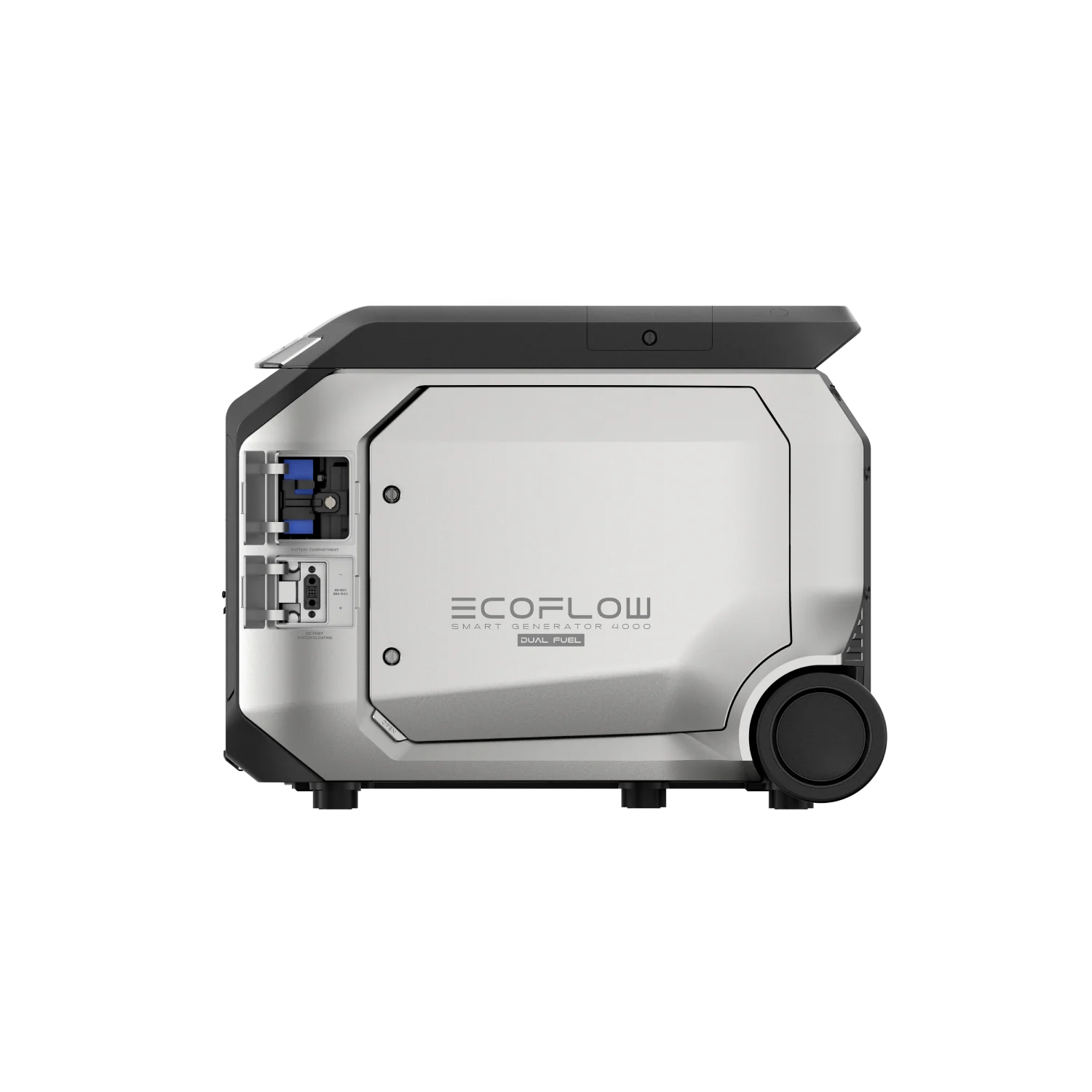
Credit: www.ecoflow.com
Cost And Efficiency Comparison
Choosing the right fuel for your generator affects both cost and efficiency. Natural gas offers a unique balance of affordability and performance. Understanding how it compares to other fuels helps make an informed decision.
Fuel prices fluctuate, but natural gas tends to be cheaper than gasoline and diesel. It burns cleaner, which can lower maintenance costs over time. Efficiency depends on the generator type and fuel quality.
Fuel Cost Differences
Natural gas prices are usually lower than gasoline and diesel. This leads to savings on fuel expenses. Many areas have stable natural gas supplies and prices. Gasoline and diesel prices change more often.
Generators running on natural gas avoid fuel storage costs. There is no need to buy and store large fuel amounts. Continuous natural gas supply comes through pipelines, reducing refueling needs.
Energy Efficiency Of Natural Gas Generators
Natural gas generators convert fuel into electricity efficiently. They produce fewer emissions compared to gasoline or diesel models. This means less energy loss in the process.
Some generators designed for natural gas achieve higher efficiency ratings. This helps lower fuel consumption and reduce operating costs. Efficiency also depends on proper generator maintenance.
Maintenance And Longevity Costs
Natural gas burns cleaner, causing less engine wear. This can extend generator life and reduce repair frequency. Gasoline and diesel engines often need more frequent oil changes and filter replacements.
Lower emissions mean fewer deposits build up inside engine parts. This keeps the generator running smoothly. Natural gas generators may have higher upfront costs but save money long term.
Frequently Asked Questions
Is It Okay To Run A Generator On Natural Gas?
Yes, running a generator on natural gas is safe and efficient. It reduces emissions and fuel costs. Many models support natural gas or conversion kits. Always follow manufacturer guidelines for installation and maintenance to ensure optimal performance and safety.
How Long Will A Generator Run On Natural Gas?
A natural gas generator can run indefinitely as long as the gas supply is continuous. Regular maintenance and cooling breaks ensure optimal performance and prevent damage.
How Big Of A Generator Do I Need To Run My Natural Gas Furnace?
Choose a generator with at least 5,000 to 7,500 watts to power a typical natural gas furnace reliably.
What Kind Of Generator Runs On Natural Gas?
Natural gas generators include standby and portable models designed to run solely on natural gas. Some dual-fuel generators convert gasoline or propane to natural gas. These generators provide clean, reliable, and cost-effective power for homes and businesses.
Can A Generator Run On Natural Gas Fuel?
Yes, many generators can operate using natural gas as their fuel source.
Is Natural Gas Better Than Gasoline For Generators?
Natural gas burns cleaner and often costs less than gasoline for generators.
How Do You Convert A Generator To Natural Gas?
Conversion kits are available to modify gasoline generators to run on natural gas.
What Are The Benefits Of Natural Gas Generators?
They produce fewer emissions, have lower fuel costs, and run more quietly.
Can Natural Gas Generators Run Continuously?
They can run for long periods if the gas supply is steady and maintained.
Is Natural Gas Safer For Home Generators?
Natural gas is safer due to lower risk of spills and cleaner combustion.
Conclusion
Natural gas can power many generators effectively and safely. It offers a cleaner burn and often saves money on fuel. Keep your generator well maintained for the best performance. Always check the fuel supply and engine condition regularly. Natural gas is a reliable option if you have steady access.
Choosing the right generator size matters for your needs. With proper care, a natural gas generator can run smoothly for hours. This makes it a practical choice for home or work use.