
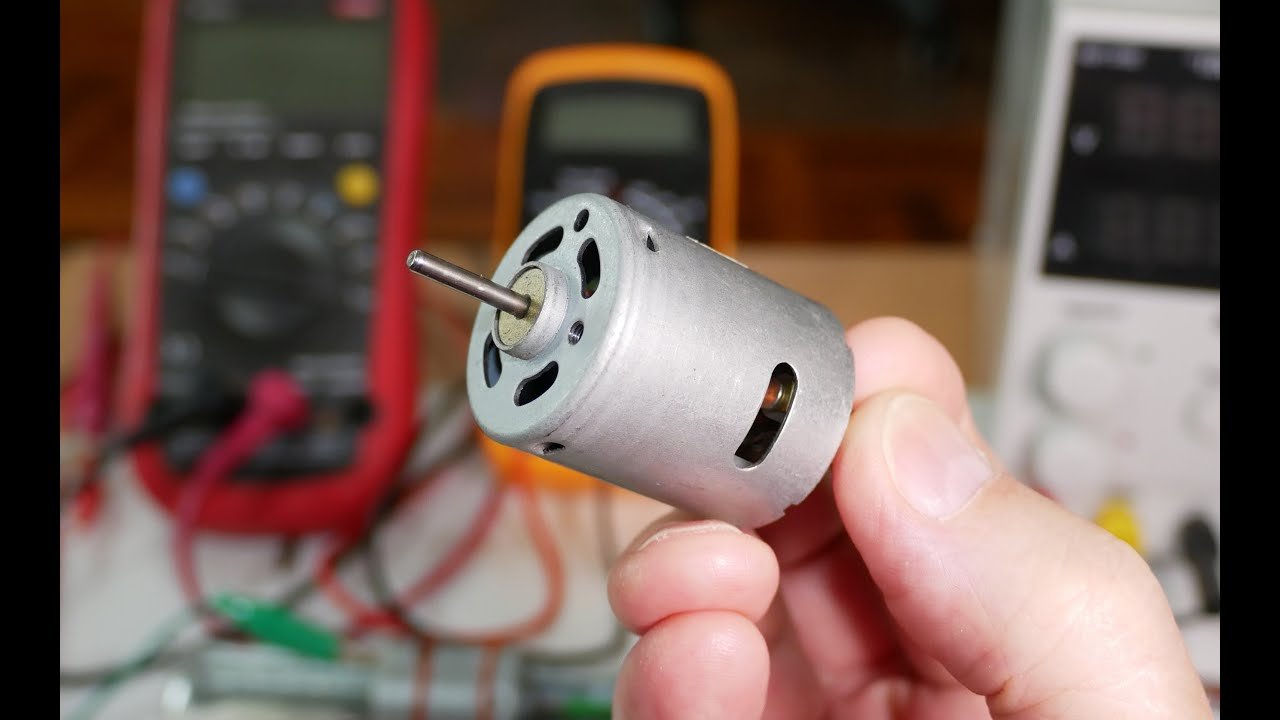
Have you ever wondered if a generator can also function as a motor? This question might seem simple, but the answer opens up a world of possibilities in electrical engineering and DIY projects.
Understanding this concept can transform how you approach power generation and machinery. Whether you’re a seasoned engineer or just curious about how things work, you’ll find valuable insights here. Imagine harnessing the power of a generator to drive your own projects or devices.
Curious to learn how? Keep reading to uncover the surprising ways you can use a generator as a motor and the benefits it brings to your projects. Your next big idea might be just a few paragraphs away!
Principle Of Reversible Machines
Generators can also function as motors. This principle allows machines to convert electrical energy into mechanical energy and vice versa. Understanding this dual capability helps in various applications, enhancing efficiency and versatility.
The principle of reversible machines is a fascinating concept that lies at the heart of many electrical devices, including generators and motors. Essentially, these machines can operate in either direction, converting mechanical energy to electrical energy and vice versa. This dual functionality opens up a world of possibilities in both industrial applications and everyday life.Understanding Reversible Machines
Reversible machines, like generators and motors, work on the same fundamental principles of electromagnetism. When you apply electrical energy to a motor, it produces mechanical energy. Conversely, when mechanical energy is applied to a generator, it creates electrical energy. This interchangeability makes these machines incredibly versatile. You can harness energy in various forms, depending on your needs.Real-world Applications
Think about how many devices in your home rely on this principle. Your washing machine uses a motor to spin clothes dry, but it can also function as a generator during power outages. Similarly, electric vehicles use reversible machines to convert energy from the battery into motion and then back into electrical energy during braking. This capability makes systems more efficient and less reliant on external power sources.Practical Considerations
If you’re considering a project involving generators and motors, understanding their reversible nature is crucial. You might be able to repurpose an old generator into a motor for a DIY project. However, keep in mind that not all machines are designed for dual functionality. Always check specifications to ensure compatibility and safety. Are you ready to experiment with reversible machines in your own projects? The potential for innovation is vast!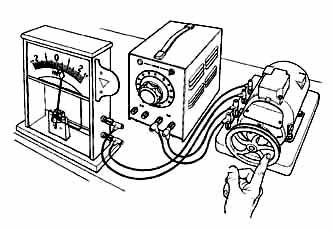
Credit: spark.iop.org
How Generators Function
Generators convert mechanical energy into electrical energy. They can also work in reverse, acting as motors. This means a generator can be used to drive a load, showing its versatility in both roles. Understanding this dual function helps in various applications.
Understanding how generators function is crucial for anyone interested in energy production. Generators convert mechanical energy into electrical energy, powering our homes and industries. But what exactly goes on inside these machines? Let’s break it down to understand the magic behind their operation.Energy Conversion Process
Generators operate on the principle of electromagnetic induction. This means they convert kinetic energy, often from a rotating turbine, into electrical energy. Here’s how it works: – Movement: A mechanical force, like wind or water flow, spins the rotor inside the generator. – Magnetic Field: As the rotor spins, it moves through a magnetic field. – Electricity Generation: This movement induces an electric current in the wire coils surrounding the rotor. Have you ever watched a wind turbine spin on a breezy day? Each rotation generates electricity that powers homes miles away, showcasing the efficiency of this energy conversion process.Key Components In Operation
Several key components work together to make a generator function effectively. Understanding these parts can help you appreciate the complexity of the device. – Rotor: The rotating part that creates motion. – Stator: The stationary part that houses the wire coils where electricity is generated. – Commutator: This component helps in switching the direction of current flow, ensuring a steady output. These components interact seamlessly. If one part fails, the entire system can stop working. For instance, a damaged rotor can mean no electricity is generated, rendering the whole setup useless. You might wonder, how does this relate to using a generator as a motor? The same principles apply. With the right configuration, a generator can reverse its function and act as a motor, providing versatility in many applications. Ever thought about how often we rely on this technology in our everyday lives? From generators powering your home during a blackout to motors driving your appliances, understanding their function opens your eyes to the interconnectedness of energy systems.Mechanics Of Motors
The mechanics of motors play a crucial role in understanding how generators can also function as motors. Both devices rely on the same fundamental principles of electromagnetism, but their applications differ. Grasping these mechanics opens up intriguing possibilities for utilizing equipment in versatile ways.
Role Of Electromagnetic Forces
Electromagnetic forces are the backbone of motor operation. These forces arise when electric current passes through coils of wire, generating magnetic fields. The interaction between these magnetic fields and a permanent magnet creates motion.
Imagine turning on a fan. The motor inside uses these forces to spin the blades. Without electromagnetic forces, that simple action wouldn’t be possible.
- Electric Current:Flows through the motor’s windings.
- Magnetic Field:Interacts with the current to produce torque.
- Direction of Motion:Reversed by altering the current direction.
Understanding this interaction can help you troubleshoot motor issues or even design your own. Have you considered how this knowledge could apply to your DIY projects?
Motor Design Essentials
Motor design is centered around efficiency and functionality. A well-designed motor includes key components like stators, rotors, and windings. Each part plays a unique role in converting electrical energy into mechanical energy.
Take a look at a simple DC motor. The rotor rotates within a magnetic field produced by the stator. The design determines how effectively the motor performs its task.
| Component | Function |
|---|---|
| Stator | Provides a magnetic field |
| Rotor | Converts electrical energy to motion |
| Windings | Generate electromagnetic forces |
Every design choice impacts performance. Have you thought about how these essentials could influence your next electrical project? Understanding motor design might inspire you to experiment with new applications.
Dual Functionality Explained
Generators and motors can serve dual roles. A generator converts mechanical energy into electrical energy, while a motor does the opposite. With the right setup, a generator can function as a motor, allowing for versatile applications in various settings.
The concept of dual functionality in machines is fascinating. Can a generator also serve as a motor? The answer is yes, but understanding how this works requires a bit of knowledge about the conditions that allow for such versatility.Conditions For Reversibility
Not all generators can function as motors, but many can under the right conditions. – Type of Generator: AC generators, specifically synchronous and induction types, have the potential to operate as motors. – Electrical Supply: The power source must match the operational requirements. If you’re using an AC generator, it should be connected to an AC supply. – Load Requirements: Ensure the load connected to the motor doesn’t exceed the generator’s capacity. Overloading can lead to inefficiency or damage. Understanding these factors is crucial. Have you ever thought about how this dual functionality can save you money on equipment?Adapting Generators As Motors
Adapting a generator for motor use involves some straightforward steps. 1. Rewiring: You might need to change the wiring configuration. Make sure to follow the manufacturer’s guidelines. 2. Power Adjustments: Ensure the power input matches what the generator can handle. This prevents overheating and maintains performance. 3. Control Systems: Use appropriate control systems to manage speed and torque. This keeps the operation smooth and efficient. Many people have successfully adapted generators as motors in DIY projects. Have you tried it? It’s an eye-opener to see how versatile these machines can be. Understanding the dual functionality of generators and motors can lead to smarter choices in your projects. Whether you’re in a hobbyist phase or tackling a larger task, this knowledge empowers you to utilize your equipment more effectively.Applications In Real-world Systems
The concept of using a generator as a motor opens up numerous possibilities in real-world applications. Whether in industrial settings or renewable energy solutions, this dual functionality can enhance efficiency and reduce costs. Understanding these applications can help you make informed decisions for your own projects.
Industrial Implementations
Many industries utilize generators as motors in various systems, driving significant operational advantages. For instance, in manufacturing plants, electric motors can be powered by generators during peak demand. This setup not only minimizes energy costs but also ensures a steady power supply.
Consider a scenario in a factory setting where a generator is used to power conveyor belts and machinery during high-demand periods. You might find that this approach provides flexibility and reliability, especially when the main power source is intermittent. It reduces downtime, allowing production to maintain a steady pace.
- Lift Systems:Elevators and hoists often use this method to ensure smooth operation without relying solely on the grid.
- Construction Sites:Temporary setups frequently employ generators that can also operate machinery, cutting down on fuel costs.
Renewable Energy Solutions
In the realm of renewable energy, generators functioning as motors are paving the way for innovative solutions. Wind turbines, for example, can operate in reverse to generate electricity and also function as motors for specific tasks. This dual capability maximizes resource use and boosts efficiency.
Have you ever considered how a small-scale wind turbine can serve both as a generator and a motor? When the wind isn’t blowing, it can use stored energy to power its own control systems. This flexibility is crucial for maintaining performance in fluctuating conditions.
- Solar Energy Systems:Some solar setups utilize generators as motors to track the sun’s movement, optimizing energy capture.
- Hydroelectric Projects:In certain configurations, water flow can both generate electricity and assist in powering mechanical systems.
Understanding these applications can inspire you to think about how you might implement similar strategies in your own projects. The versatility of using generators as motors not only enhances functionality but also contributes to sustainability efforts. What innovative applications can you think of for your own needs?
Challenges And Limitations
Generators can sometimes be used as motors, but there are challenges. Efficiency drops, and specific designs limit this use. Understanding these limitations helps in making better choices for energy needs.
Understanding the challenges and limitations of using a generator as a motor is crucial for anyone considering this option. While it may seem like a straightforward solution, several factors can complicate the process. Let’s dive into the specific challenges you might face.Efficiency Concerns
Using a generator as a motor can lead to significant efficiency losses. Generators are designed to convert mechanical energy into electrical energy, not vice versa. You might find that when used in motor mode, the energy conversion is not as effective. This inefficiency can result in wasted energy and increased operational costs. Many users report that the performance may not meet their expectations. If you’re relying on this setup for critical applications, the inefficiencies could hinder your project’s success.Design Constraints
Design limitations also play a significant role. Generators are typically built with specific configurations that may not suit motor functions. For instance, the rotor and stator designs might not align optimally for the motor application. This mismatch can affect torque and speed, leading to performance issues. You might also encounter physical space constraints. If your generator is not designed for motor use, it may be bulkier or heavier than necessary, complicating installation. Considering these challenges is essential before deciding to use a generator as a motor. Have you assessed whether the potential drawbacks outweigh the benefits for your specific needs?Future Potential For Dual Usage
Generators can serve as motors. This idea opens new doors. Many industries may benefit from this dual use. Understanding this potential helps us see future trends.
Technological Innovations
New technology makes dual usage more possible. Advances in materials enhance efficiency. Smart controls improve performance and reduce energy waste. These innovations support both generator and motor functions.
Research in energy storage plays a big role. Better batteries allow for smoother transitions. This lets systems switch from generating power to using it. Dual-use devices can adapt to different situations easily.
Impact On Energy Systems
Using generators as motors can change energy systems. It may help balance supply and demand. This flexibility can lead to more stable energy grids.
Renewable energy sources benefit from this approach. Wind and solar energy can be used more effectively. Dual-use systems can store energy when it’s abundant. They can then use it when needed.
This adaptability can lower energy costs. Businesses may find savings in operating expenses. Consumers might enjoy more reliable energy services.

Credit: forumautomation.com

Credit: americasgenerators.com
Frequently Asked Questions
Can A Generator Function As A Motor?
Yes, a generator can function as a motor in certain circumstances. This typically occurs in applications where the generator is designed for dual functionality, such as in some types of electric vehicles. However, it requires proper electrical connections and control systems to operate effectively as a motor.
What Are The Differences Between A Generator And Motor?
Generators convert mechanical energy into electrical energy, while motors do the opposite. Generators create electricity from motion, typically through magnetic fields. Motors use electrical energy to produce motion. Understanding these differences is crucial for selecting the right device for your specific application.
Can You Convert A Generator To A Motor?
Yes, you can convert a generator into a motor, but it requires specific modifications. This involves adjusting the wiring and possibly replacing components to ensure it can handle the electrical input. Proper knowledge of electrical systems and safety precautions are essential during this conversion process.
What Applications Use Generators As Motors?
Generators are often used as motors in hybrid vehicles and wind turbines. In these cases, they switch between generating power and providing motion. This versatility allows for efficient energy use in various applications, contributing to sustainability and reduced energy costs.
Conclusion
Generators can indeed work as motors in certain situations. This process is called “regenerative braking. ” It allows energy to flow back into the system. Many machines can use this feature to save energy. Understanding this concept helps in various applications.
Whether you need power or energy savings, knowing both uses is helpful. Explore more about how these devices work together. This knowledge can enhance your projects and ideas.