
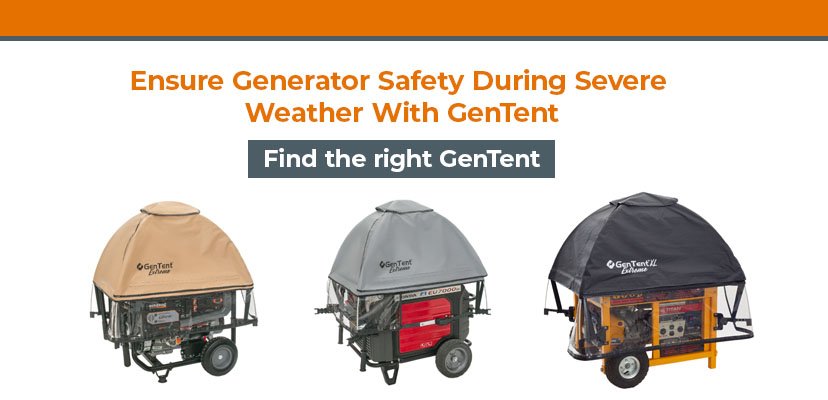
When the skies open up and rain begins to pour, you might wonder about your generator. Can it handle the wet weather?
Should you be worried about it getting rained on? These questions are crucial for anyone relying on a generator for backup power or outdoor activities. Understanding how rain affects your generator can help you make informed decisions and avoid potential damage.
You’ll discover the risks of exposing your generator to rain, tips for protecting it, and the best practices for safe operation in wet conditions. Don’t let the weather catch you off guard—read on to keep your generator safe and functional no matter the forecast.
Generator Risks In Wet Conditions
Understanding the risks associated with using a generator in wet conditions is crucial for safety and efficiency. Rain and moisture can pose significant threats to your generator’s performance, and ignoring these risks can lead to costly damages or even accidents. You need to be aware of how weather impacts your generator to protect your investment and ensure safe operation.
Electrical Hazards
Water and electricity do not mix well. If your generator gets wet, it can create serious electrical hazards.
- Short circuits can occur, leading to equipment failure.
- There’s a risk of electric shock if you touch wet surfaces or connections.
- Moisture can corrode internal components over time.
Always ensure that your generator is placed under a protective cover or in a dry area. Using a generator outdoors without proper shelter increases the risk of moisture-related issues.
Fuel And Oil Complications
Wet conditions can also affect the fuel and oil in your generator. Rainwater can contaminate fuel tanks, leading to engine performance issues.
- Water in the fuel can cause the engine to misfire or stall.
- Oil can become less effective when mixed with moisture, increasing wear on engine parts.
Regularly check your fuel and oil levels, especially after rain. Keeping your generator covered can help minimize this risk.
Maintenance Challenges
Wet conditions can complicate maintenance tasks. Attempting to service a wet generator can lead to more problems.
- Water can hinder your ability to check components properly.
- Rust and corrosion may develop if your generator isn’t dried promptly.
Make it a habit to dry off your generator after exposure to rain. This simple step can extend its lifespan significantly.
Have you considered how weather affects your generator’s operation? Taking proactive measures can save you time and money in the long run. Always prioritize safety to keep your generator running smoothly.
Credit: www.rvwest.com
How Rain Impacts Generator Performance
Rain can affect how a generator works. Generators are often used outdoors. They provide power during outages or in remote areas. But, water and electricity do not mix well. Understanding the impact of rain on generators is important.
Electrical Risks
Rain can lead to electrical issues. Water can enter the generator. This can cause short circuits. A short circuit may damage internal parts. It can also create fire hazards. Keeping the generator dry is essential.
Fuel Issues
Rain can affect fuel quality. Water can mix with gasoline or diesel. This can lead to engine problems. Dirty fuel may cause the generator to stall. Regular checks can help prevent this issue.
Cooling Problems
Generators need proper cooling. Rain can cool the engine too much. Overcooling can lead to inefficiency. It may even cause engine failure. Proper airflow is crucial for performance.
Maintenance Needs
Rain increases maintenance needs. Wet conditions can cause rust. Rust can damage metal parts. Regular inspections help keep the generator in good shape. Cleaning and drying it after rain is necessary.
Protection Strategies
Protecting the generator is vital. Use a waterproof cover. Install the generator in a sheltered area. This will help reduce rain exposure. Proper setup ensures better performance.
Essential Safety Measures
Keeping your generator safe from rain is crucial. Water can damage the generator and create safety hazards. Follow these essential safety measures to protect your equipment.
Proper Placement
Place your generator in a dry area. Avoid open spaces where rain can hit directly. Look for a location with some overhead cover. This can be a porch or awning. Ensure the area is well-ventilated. Do not block air intakes or exhausts. Proper placement helps keep your generator safe.
Protective Covers
Use a protective cover when the generator is not in use. These covers shield against moisture and debris. Make sure the cover fits well. A loose cover can blow away and leave the generator exposed. Always remove the cover before starting the generator. This prevents overheating and ensures proper airflow.
Waterproof Enclosures
Consider investing in a waterproof enclosure. These enclosures provide extra protection from rain. They keep your generator safe and dry. Ensure the enclosure has proper ventilation. This allows hot air to escape. A waterproof enclosure can extend the life of your generator.

Credit: www.angi.com
Common Mistakes To Avoid
Many people make mistakes with generators and rain. These mistakes can damage the generator or create safety risks. Knowing what to avoid can help you use your generator safely.
Ignoring The Weather Forecast
One common mistake is not checking the weather. Rain can come unexpectedly. Always look at the forecast before using your generator. This helps you prepare for rain.
Using A Non-waterproof Cover
Another mistake is using the wrong cover. A standard tarp may not protect your generator well. Invest in a waterproof cover designed for generators. This will keep it safe from rain.
Placing The Generator In A Poor Location
Many people place generators in open areas. This can expose them to rain and wind. Find a sheltered spot. A porch or garage can work, as long as you follow safety rules.
Neglecting Regular Maintenance
Skipping maintenance is a big mistake. Rain can cause rust and damage. Regularly check your generator for signs of wear. Keep it clean and dry after use.
Not Using Proper Extension Cords
Using non-weatherproof extension cords can be dangerous. Rain can damage these cords. Always use outdoor-rated cords. They are made to withstand wet conditions.
Forgetting To Ground The Generator
Not grounding the generator can lead to electrical hazards. Rain increases the risk of shocks. Always make sure your generator is grounded properly. This adds an extra layer of safety.
Emergency Actions For Wet Generators
Generators can be affected by rain. Water can damage the electrical parts and cause safety issues. If a generator gets wet, turn it off immediately and let it dry before using it again. Always keep generators in a sheltered area to prevent water exposure.
When your generator gets caught in the rain, quick action is essential. Water and electricity don’t mix well, and wet generators can pose safety hazards. Knowing what to do in such situations can save you from costly repairs and ensure your safety.Drying Techniques
Start by turning off the generator immediately. Unplug any connected devices to prevent electrical shock. Next, remove the generator from the wet area if it’s safe to do so. Place it in a dry, well-ventilated space. Use towels to wipe off any visible moisture. A fan can help speed up the drying process. If you have access to a heat gun, use it on a low setting to help evaporate moisture, but keep a safe distance. Leave the generator to dry completely for at least 24 hours before attempting to start it again.Inspection Steps
After drying, inspect the generator carefully. Look for any signs of water damage. Check the fuel system, electrical components, and ignition system for moisture. Examine the oil and fuel filters. If you notice any water contamination, replace these components before use. Perform a test run without connecting any devices. Listen for unusual sounds and check for any warning lights on the control panel. Have you ever had a mishap with a wet generator? Share your experience in the comments below! Taking these emergency actions can help you regain confidence in your generator’s performance after a rainstorm.
Credit: www.gentent.com
Maintenance Tips For Wet Weather
Keeping your generator safe during rainy days is important. Wet weather can cause damage. Follow these tips to maintain your generator. Regular checks and proper storage will help.
Routine Checks
Start with a visual inspection. Look for any signs of rust or corrosion. Check the fuel lines for leaks. Ensure the battery is clean and secure.
Examine the air filter. A dirty filter can cause problems. Replace it if it looks clogged. Make sure the oil level is correct. Low oil can harm the engine.
Run your generator regularly. This helps keep it in good shape. Listen for unusual noises. These may indicate issues that need attention.
Storage Practices
Store your generator in a dry place. Use a waterproof cover to protect it. Avoid leaving it outside during storms.
Keep the generator on a raised platform. This helps prevent water pooling around it. Use a tarp for extra protection.
Ensure the fuel tank is full before storage. This helps prevent condensation. Drain the fuel if you won’t use it for a long time.
Check all connections before starting. Make sure everything is secure and dry. This will help your generator run smoothly.
Choosing Weather-resistant Generators
Weather-resistant generators are essential for outdoor use. Rain can damage standard generators. Choosing the right one protects your investment. Here are key factors to consider.
Look For Ip Ratings
IP ratings show how well a generator resists water. The first digit indicates solid particle protection. The second digit shows moisture protection. Aim for at least an IPX4 rating. This rating means protection from splashes of water.
Consider A Generator Shelter
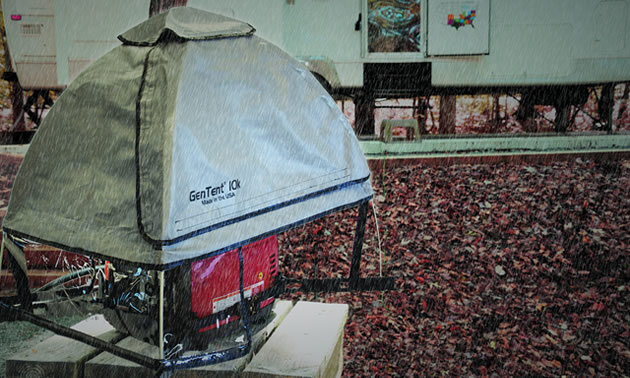
A shelter can provide extra protection. Canopies or tents shield generators from rain. Ensure the shelter allows good airflow. This prevents overheating while keeping moisture out.
Check For Design Features
Some generators have built-in weatherproofing. Look for sealed connections and covers. These features help prevent water damage. Durable materials also enhance weather resistance.
Read Customer Reviews
Customer reviews offer real-life experiences. Look for comments about rain performance. Feedback can guide your choice. It helps you find a reliable generator.
Understand Maintenance Needs
Weather-resistant generators still need care. Regular maintenance keeps them running well. Check for rust or corrosion after rain. Clean and store your generator properly.
Frequently Asked Questions
Can A Generator Withstand Rain Exposure?
Generators can withstand light rain but should not be exposed to heavy downpours. Most portable generators have some level of water resistance, but prolonged exposure can lead to electrical issues. It’s crucial to keep your generator covered with a waterproof tarp or in a sheltered area during storms.
What Happens If A Generator Gets Wet?
If a generator gets wet, it may short circuit or fail to start. Water can damage electrical components, leading to costly repairs. Always ensure the generator is dry before attempting to operate it again. Waiting for it to dry completely is essential for safety and functionality.
How To Protect A Generator From Rain?
To protect your generator from rain, use a weatherproof cover. Position it under a canopy or in a shed to shield it from direct rainfall. Avoid using the generator in enclosed spaces to prevent carbon monoxide buildup. Always follow the manufacturer’s guidelines for outdoor use.
Is It Safe To Use A Generator In Rain?
Using a generator in the rain is not recommended. Water exposure can increase the risk of electric shock and equipment failure. If you must operate it during rain, ensure it is well protected and positioned away from water sources. Safety should always be your priority.
Conclusion
Generators can handle some rain, but not heavy downpours. Water can damage their electrical parts. Always cover your generator during storms. Use a waterproof tarp or a generator tent. This keeps it safe and running well. Check the manual for specific guidelines.
Protecting your generator ensures it lasts longer. A little care goes a long way. Stay safe and keep your generator dry. That way, it will be ready when you need it most.