

When the power goes out, a generator can be your lifeline. But what happens when the rain starts pouring?
You might wonder, “Can my generator run in the rain? ” Understanding this is crucial for your safety and the longevity of your equipment. We’ll explore the risks and precautions you need to consider. You’ll learn how to protect your generator from the elements while keeping it operational.
By the end, you’ll feel confident in your ability to manage your power needs, no matter the weather. Let’s dive in and find out how to keep your generator running smoothly, rain or shine!

Credit: www.solentpower.co.uk
Using A Generator In Wet Conditions
Generators can work in light rain but should not be exposed to heavy downpours. Water can cause damage or create safety hazards. Always use a generator with proper protection to keep it safe from wet conditions.
Using a generator in wet conditions requires careful consideration. Rain can pose significant risks, not only to the generator itself but also to your safety. Understanding how to operate a generator safely in these circumstances can help you avoid potential hazards.Risks Of Operating A Generator In Rain
Operating a generator in wet conditions increases the risk of electrical shock. Water can seep into the generator’s components, causing short circuits or even fires. If your generator is not designed for wet conditions, it’s essential to take precautions. Always check the manufacturer’s guidelines to see if your model can handle moisture.Protecting Your Generator From Rain
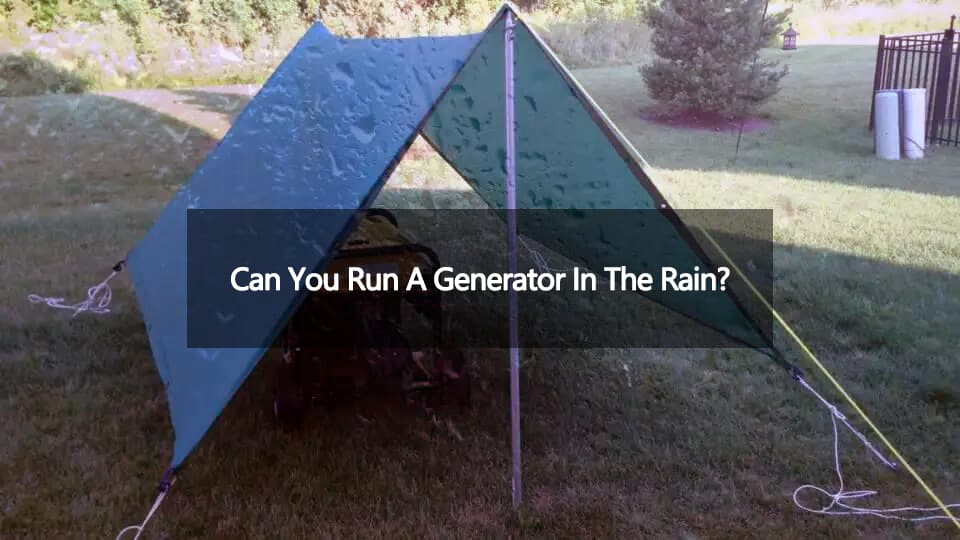
Invest in a sturdy, waterproof cover specifically designed for generators. This can shield your equipment from rain and reduce the risk of damage. Place the generator in a well-ventilated area that is also protected from direct rain. A canopy or a simple tarp can help, but ensure that the generator has enough airflow.Safety Measures To Consider
Always use a Ground Fault Circuit Interrupter (GFCI) when operating a generator in wet conditions. This device will cut off power if it detects any electrical faults, enhancing your safety. Keep the generator at least 10-15 feet away from your home. This distance minimizes the risk of carbon monoxide poisoning while allowing enough space for proper ventilation.Alternatives To Running A Generator In The Rain
Consider using a battery backup system as an alternative. These systems can provide power without the risks associated with wet conditions. If you must use a generator, wait for the rain to subside. This may seem inconvenient, but your safety and the longevity of your equipment are worth the wait. Have you ever faced a power outage in the rain? How did you handle it? Sharing experiences can help others make informed decisions when the storm hits.Risks Of Running A Generator In Rain
Running a generator in the rain can be dangerous. Water and electricity do not mix well. This can lead to serious safety issues. Understanding these risks is important for your safety.
Electrical Hazards
Water can cause short circuits in a generator. This can lead to electrocution. Even a small amount of water can create a serious hazard. Always keep your generator dry.
Using a generator without proper protection is risky. Rain can enter the electrical parts. This can damage the generator and put you at risk.
Damage To Generator Components
Water can corrode metal parts of the generator. Corrosion leads to rust and damage. This affects the performance and lifespan of the generator.
Moisture can also cause electrical components to fail. Replacing damaged parts can be costly. Keeping your generator dry helps avoid these problems.
Fire Risks
Generators produce heat during operation. Water can create steam, which may ignite nearby materials. This can lead to a fire hazard.
A wet generator is harder to control. Sparks from damaged parts can start a fire. Always use a generator in a dry area to reduce this risk.
Safety Measures For Operating In Rain
Using a generator in the rain can be risky. Water and electricity do not mix well. Follow these safety measures to protect yourself and your equipment.
Using A Generator Tent Or Cover
Cover your generator with a tent or waterproof cover. This keeps rain away from the unit. Make sure the cover does not block the ventilation. Good airflow is important for safe operation.
Placing The Generator On An Elevated Surface
Set the generator on an elevated surface. This helps prevent flooding. Water can damage the generator. An elevated spot keeps it dry and safe.
Ensuring Proper Ventilation
Ventilation is crucial for safe generator use. Do not place the generator in a closed space. This can cause harmful gases to build up. Make sure there is enough airflow around the unit.
Grounding Your Generator
Grounding your generator is essential for safety. It helps prevent electrical shocks and equipment damage. Rain can increase the risk of such issues. Proper grounding reduces these risks significantly.
Why Grounding Is Important
Grounding protects you and your equipment. It directs excess electricity safely into the ground. This reduces the chance of electric shock. It also prevents damage to your generator. Without grounding, you face risks during rain or storms.
Steps To Properly Ground A Generator
Follow these simple steps to ground your generator correctly:
- Choose a dry location for your generator.
- Use a grounding rod at least 8 feet long.
- Drive the rod deep into the ground.
- Connect a grounding wire to the rod.
- Attach the other end to the generator’s grounding terminal.
Check connections regularly. Ensure they remain tight and secure. This helps maintain safety while using the generator.
Positioning The Generator Safely
Safety is key when using a generator in the rain. Proper positioning protects your home and ensures the generator works well. Here are some tips to keep in mind.
Maintaining Distance From Living Spaces
Always place your generator far from your home. Keep it at least 20 feet away from doors and windows. This distance helps prevent harmful fumes from entering your living area.
Check the wind direction before setting up the generator. Wind can carry exhaust fumes towards your home. Position the generator downwind from any openings.
Avoiding Flood-prone Areas
Do not place your generator in areas that can flood. Water and electricity do not mix. Flooding can damage the generator and create serious safety risks.
Look for higher ground when setting up. Avoid low spots where water can collect. Ensuring a dry location is crucial for safe operation.
Regular Maintenance For Wet Weather Use
Keeping your generator safe in wet weather is important. Regular maintenance helps ensure it runs well. Rain and moisture can cause problems. Follow these steps to maintain your generator in rainy conditions.
Inspecting For Water Damage
Check your generator for any signs of water damage. Look for rust, corrosion, or any damp areas. Water can enter through vents or openings. Make sure to inspect the fuel tank and battery. Any moisture here can cause issues.
Run your generator in a dry area if possible. Use a cover designed for rain protection. This can help prevent water from getting inside. Regular checks can save you from bigger problems later.
Drying The Generator After Use
After using your generator, dry it off completely. Wipe down all surfaces with a cloth. Pay attention to areas that often collect water. This includes the vents and openings.
Leave the generator in a well-ventilated area to dry. Avoid covering it with a plastic sheet. This can trap moisture inside. A dry generator works better and lasts longer.
Backup Power Alternatives In Bad Weather
Generators can run in the rain, but precautions are essential. Keeping them covered protects them from water damage. Using a generator outside is safer. Always check the manufacturer’s guidelines for safe operation during bad weather.
Backup power is essential during bad weather, especially when storms knock out your electricity. Traditional generators may not be a viable option due to the risk of damage from rain. Luckily, there are reliable alternatives that can keep your lights on and devices charged, no matter the weather outside.Battery-powered Options
Battery-powered backup systems are an excellent choice for maintaining power during inclement weather. These systems store energy and release it when needed, providing a clean and quiet solution. – Portability: Many battery units are lightweight and easy to move. You can take them wherever you need power, whether indoors or outdoors. – No Emissions: Unlike traditional generators, battery systems produce no fumes. This makes them safe for indoor use, so you don’t have to worry about carbon monoxide poisoning. – Quick Charging: Most modern battery systems recharge quickly. You can plug them into a wall outlet or a solar panel to ensure they are ready when you need them. Have you ever experienced a power outage during a storm? It can be frustrating to scramble for candles or flashlights. With a reliable battery backup, you can keep your essential devices running smoothly.Solar-powered Backup Systems
Solar-powered backup systems are becoming increasingly popular as a sustainable alternative. They harness energy from the sun to provide power, which means you can still stay connected even during a storm. – Renewable Energy: Solar systems use renewable energy, reducing your carbon footprint. This is a win-win for both you and the environment. – Energy Independence: By investing in solar panels, you gain independence from the grid. You won’t be as affected by outages when your system is in place. – Cost-Effective: While the initial investment might be higher, solar systems can save you money on energy bills over time. Plus, many states offer incentives for solar energy, making it more affordable. Imagine having a system that charges during the sunny days, ensuring you have backup power when the clouds roll in. This proactive approach can make a significant difference in how you handle power outages. Consider which of these alternatives fits your lifestyle and needs best. Would you prefer the portability of battery systems, or do you see the long-term benefits of solar-powered solutions? Your choice can make all the difference when the storms roll in.
Credit: www.gentent.com
Legal And Manufacturer Guidelines
Generators provide power in various situations. Rain can pose risks. Understanding legal and manufacturer guidelines is essential. This ensures safety and compliance. Let’s explore the key points to consider.
Checking Local Safety Regulations
Local laws often regulate generator use. These rules may vary by location. Some areas prohibit generator use in heavy rain. Others may require certain safety measures. Always check local regulations before operating.
Inspect local building codes as well. They may include specific rules for outdoor equipment. Knowing these laws helps avoid fines or legal issues. Compliance keeps you and your property safe.
Following Manufacturer Instructions
Each generator comes with a manual. This manual includes important safety information. Follow the manufacturer’s instructions carefully. They provide guidelines for safe operation.
Most manufacturers warn against using generators in the rain. Water can damage the unit or cause electrical hazards. Look for any specific warnings in the manual. Ignoring these can lead to serious problems.
Consider using a generator cover. This protects the unit from rain. Proper ventilation is also crucial. Ensure the generator is in a dry, well-ventilated area.
Credit: www.bisonindustry.com
Frequently Asked Questions
Can A Generator Operate In The Rain?
Yes, a generator can operate in the rain, but precautions are necessary. It’s essential to use a generator cover or shelter to protect it from water exposure. Wet conditions can lead to electrical hazards and equipment damage. Always prioritize safety by following manufacturer guidelines for outdoor use.
What Happens If A Generator Gets Wet?
If a generator gets wet, it can cause short circuits or electrical failure. Water can damage internal components and pose safety risks. Always disconnect the power before attempting to dry a wet generator. If it gets soaked, let it dry completely before starting it again to avoid potential hazards.
How To Protect A Generator From Rain?
To protect a generator from rain, use a waterproof cover or tarp. Position the generator under a shelter, like a canopy or porch, if possible. Ensure there is adequate ventilation to prevent overheating. Avoid placing it directly on the ground; use a raised platform to minimize water exposure.
Is It Safe To Run A Generator Outside In The Rain?
Running a generator outside in the rain can be safe with proper precautions. Use a weatherproof enclosure to shield it from direct rain. Make sure it is on dry ground and never operate it indoors. Following these safety measures minimizes the risk of electric shock and equipment damage.
Conclusion
Generators can run in the rain, but caution is key. Protect your generator with a cover or a shelter. Wet conditions can cause electrical issues. Always ensure proper ventilation to avoid harmful fumes. Regular maintenance helps keep your generator safe and efficient.
Knowing how to use your generator safely in the rain is crucial. With the right precautions, you can enjoy uninterrupted power even in bad weather. Stay safe and keep your generator dry whenever possible. Your safety is worth the extra effort.