
Have you ever found yourself in the dark, wishing you had a backup power source? If so, you’re not alone.
Many homeowners wonder if they can connect a generator to their house to keep the lights on during an outage. This question is more than just a matter of convenience; it’s about safety, practicality, and peace of mind. You’ll learn exactly how to connect a generator to your home safely and efficiently.
We’ll cover the essential steps, the equipment you need, and the potential risks involved. By the end, you’ll have the knowledge to make an informed decision that could save you from future power interruptions. Keep reading to ensure you’re always prepared when the lights go out!

Credit: www.staticelectrics.com.au
Choosing The Right Generator
Choosing the right generator for your home is important. Connecting a generator to your house can provide backup power during outages. Make sure to understand the safety rules and installation steps before proceeding.
Choosing the right generator for your home is crucial for ensuring you have a reliable power source during outages. With various options available, making an informed decision can save you time, money, and hassle down the line. Below, we’ll break down key factors to consider in your selection process.Portable Vs. Standby Options
Portable generators offer flexibility. You can move them around as needed and use them for camping, tailgating, or emergencies. They typically run on gasoline and are less expensive upfront. Standby generators, on the other hand, are permanently installed and connected to your home’s electrical system. They kick in automatically during a power outage, providing seamless power without any manual effort. Though they come with a higher price tag, the peace of mind they offer can be worth the investment. Consider how often you experience power outages. If you live in an area prone to storms or natural disasters, a standby generator might be your best bet. For occasional users, a portable generator could suffice.Power Requirements For Your Home
Understanding your power needs is essential. Make a list of the appliances and systems you want to keep running during an outage. Here’s a simple breakdown of common power requirements:- Refrigerator: 600-800 watts
- Heating/Cooling Systems: 2000-5000 watts
- Lights: 60-100 watts per bulb
- Television: 200-400 watts
Preparing Your Home For Connection
Connecting a generator to your home can provide power during outages. Proper preparation is key for safety and efficiency. Ensure you have the right equipment and follow guidelines for a smooth connection.
Preparing your home for connection to a generator is a crucial step to ensure safety and efficiency. Many homeowners find themselves in situations where a power outage disrupts daily life. Understanding how to connect a generator properly can make all the difference.Assessing Electrical System Compatibility
Before connecting a generator to your home, assess your electrical system. Check the main electrical panel for compatibility with generator power. – Identify your generator’s wattage: Ensure it can handle your home’s power needs. – Evaluate your appliances: Calculate the total wattage required to run essential devices like refrigerators, heaters, and lights. This assessment helps you avoid overloading the generator. Have you ever experienced a blackout and wished you had prepared better?Installing A Transfer Switch
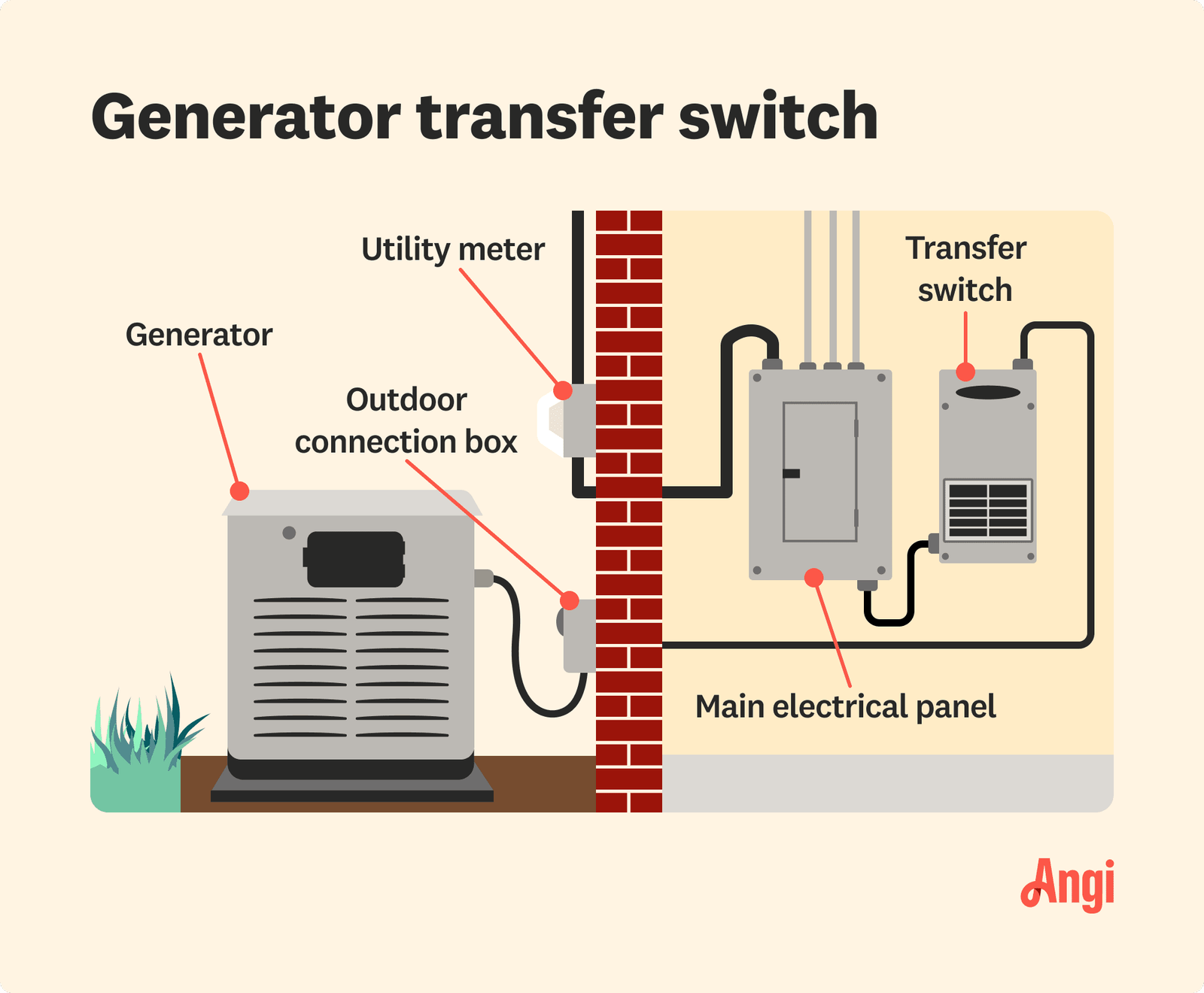
Installing a transfer switch is a vital safety measure. It prevents backfeeding electricity into the grid, which can harm utility workers and damage your generator. – Choose the right type of transfer switch: You can select between manual and automatic options. – Hire a qualified electrician: This ensures the installation meets local codes and regulations. A transfer switch allows you to seamlessly switch between grid power and generator power. The peace of mind it provides during outages is invaluable. Have you thought about how a simple switch could change your emergency preparedness?Safety Precautions During Installation
Installing a generator requires careful attention. Safety must be your top priority. Proper precautions help prevent accidents and ensure a smooth installation. Here are key safety tips to follow.
Avoiding Backfeeding Risks
Backfeeding can cause serious harm. It occurs when power flows back into the grid. This can injure utility workers and damage your generator.
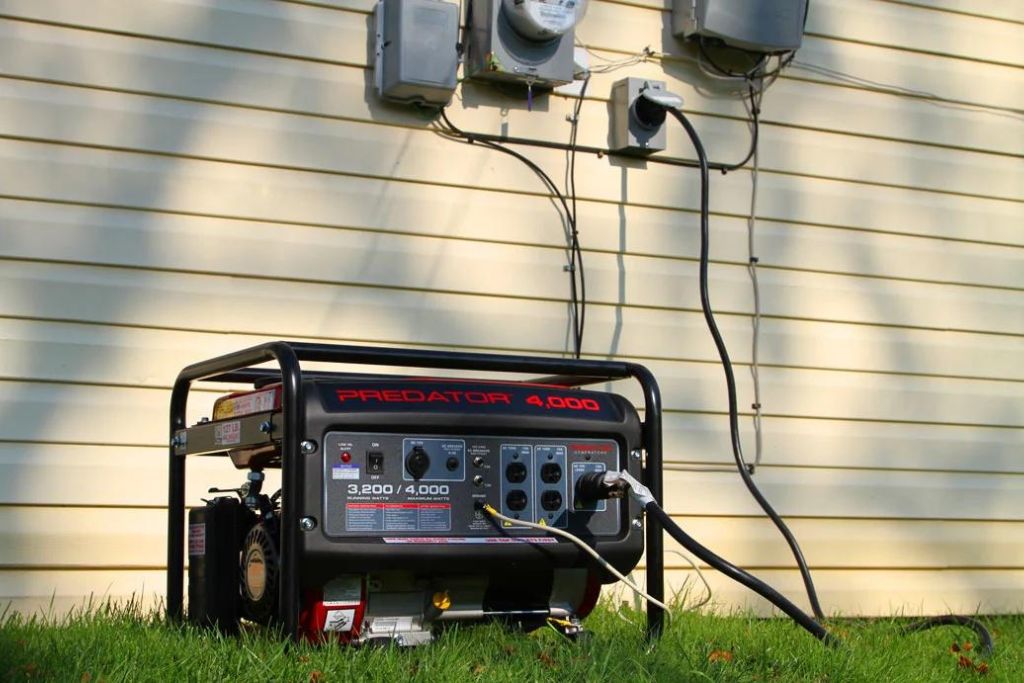
Use a transfer switch. This device ensures safe power transfer. It disconnects your home from the grid during generator use. Never plug your generator directly into an outlet.
Always turn off the main breaker. This step reduces the risk of backfeeding. Follow local codes for safe connection practices.
Ensuring Proper Ventilation
Generators produce carbon monoxide. This gas is dangerous and can be lethal. Always place your generator outdoors. Keep it at least 20 feet away from windows and doors.
Check for proper airflow around the generator. Ensure vents are not blocked. This helps prevent overheating and reduces gas buildup.
Consider using a carbon monoxide detector in your home. This device alerts you to dangerous levels of gas. Regular checks can save lives.
Credit: www.staticelectrics.com.au
Legal Requirements To Follow
Connecting a generator to your house involves important legal requirements. Local codes may need permits and inspections. Always consult your utility company and follow safety regulations to prevent hazards.
Connecting a generator to your house can be a lifesaver during power outages. However, it’s essential to follow legal requirements to ensure safety and compliance. Each jurisdiction has its rules, and adhering to these not only protects your property but also avoids hefty fines.Permits And Inspections
Before connecting a generator to your home, check if you need a permit. Many local authorities require homeowners to obtain a permit for generator installation. This step ensures your setup complies with safety standards. Inspections might also be necessary after installation. An inspector will verify that your connection is safe and up to code. Skipping this process could lead to unsafe conditions or even void your homeowner’s insurance.Local Codes And Regulations
Every area has its specific codes regarding generator installation. These codes dictate how and where you can connect your generator. Violating them can result in fines or the need to redo your installation. Research local regulations thoroughly. Some places may require a transfer switch, which prevents back-feeding into the grid. This safety measure protects utility workers and your electrical system. Have you checked your local guidelines yet? Knowing these requirements can save you time and money in the long run.Tips For Safe Operation
Connecting a generator to your house can be useful. Safety must come first. Follow these tips for safe operation. They will help you avoid accidents and ensure your generator works well.
Routine Maintenance
Check your generator regularly. Look for loose wires or damaged parts. Clean the air filter often. Replace it if it’s dirty. Keep the fuel tank full. This prevents condensation. Change the oil as recommended. A well-maintained generator runs better.
Inspect the battery. Make sure it is charged. Tighten any loose connections. Test the generator monthly. Run it for a short time. This keeps it ready for use.
Emergency Shut-off Procedures
Know how to shut off your generator quickly. Mark the shut-off switch clearly. Teach everyone in your home how to use it. If you smell gas or see smoke, act fast. Turn off the generator immediately.
Keep a fire extinguisher nearby. Make sure it is easily accessible. Do not operate the generator indoors. Always use it in a well-ventilated area. This reduces the risk of carbon monoxide poisoning.
Choosing Professional Assistance
Connecting a generator to your house is complex. It involves risks. Hiring a professional electrician ensures safety and compliance with local codes.
Professionals have the right tools and knowledge. They can help you avoid mistakes. This choice can save time and stress.
Benefits Of Hiring An Electrician
Electricians offer many advantages. First, they ensure safety. They follow strict safety guidelines.
They also provide expertise. Electricians understand all wiring systems. This helps prevent future issues.
Another benefit is efficiency. Professionals work quickly and accurately. You will have peace of mind knowing the job is done right.
Additionally, they can provide warranties. This means you are covered for future repairs. It adds extra protection for your investment.
Questions To Ask Your Contractor
Before hiring, ask the right questions. Start with their experience. How long have they worked with generators?
Inquire about licensing and insurance. Are they licensed in your state? Do they have liability insurance?
Ask for references. Can they provide past client contacts? This helps you assess their reliability.
Finally, discuss costs. What is the total estimate? Are there any hidden fees?
Common Mistakes To Avoid
Connecting a generator to your house can be tricky. Many people make mistakes that could lead to problems. Here are common mistakes to avoid for a safe and effective setup.
Overloading The Generator
One big mistake is overloading the generator. Each generator has a power limit. Exceeding this limit can cause damage. It can also lead to power outages.
Check the wattage of your generator. Know the total wattage of your appliances. Keep the total under the generator’s capacity. This helps prevent issues.
Improper Wiring Practices
Improper wiring is another serious mistake. Use the right cables and connectors. Poor connections can cause short circuits. This may lead to fire hazards.
Always use a transfer switch. This switch helps control power flow safely. It prevents back-feeding into the grid. This is crucial for safety.

Credit: blog.norwall.com
Frequently Asked Questions
Can I Connect A Generator To My Home Directly?
Connecting a generator directly to your home is possible, but it requires proper equipment. You need a transfer switch to ensure safety and prevent backfeeding into the grid. Always consult a professional electrician to ensure compliance with local codes and regulations.
What Type Of Generator Is Best For Home Use?
The best generator for home use depends on your power needs. Portable generators are versatile, while standby generators provide automatic backup power. Consider wattage, fuel type, and noise levels when selecting a generator to ensure it meets your requirements.
Do I Need A Permit To Install A Generator?
Yes, most local jurisdictions require a permit for generator installation. Permits ensure that installations meet safety and building codes. Always check with your local authorities to understand specific requirements before proceeding with your generator setup.
How Do I Safely Connect A Generator?
To safely connect a generator, use a transfer switch. This device prevents backfeeding electricity into the grid, protecting utility workers. Always follow the manufacturer’s instructions and consult a professional if you are unsure about the installation process.
Conclusion
Connecting a generator to your house is possible and practical. It provides power during outages. Safety is key. Always follow guidelines to avoid risks. Choose the right generator size for your needs. Consider professional help for installation. This ensures everything works correctly.
Understanding your options can help you stay prepared. With the right setup, you can enjoy peace of mind during blackouts. Being informed is your best tool for reliable power.