
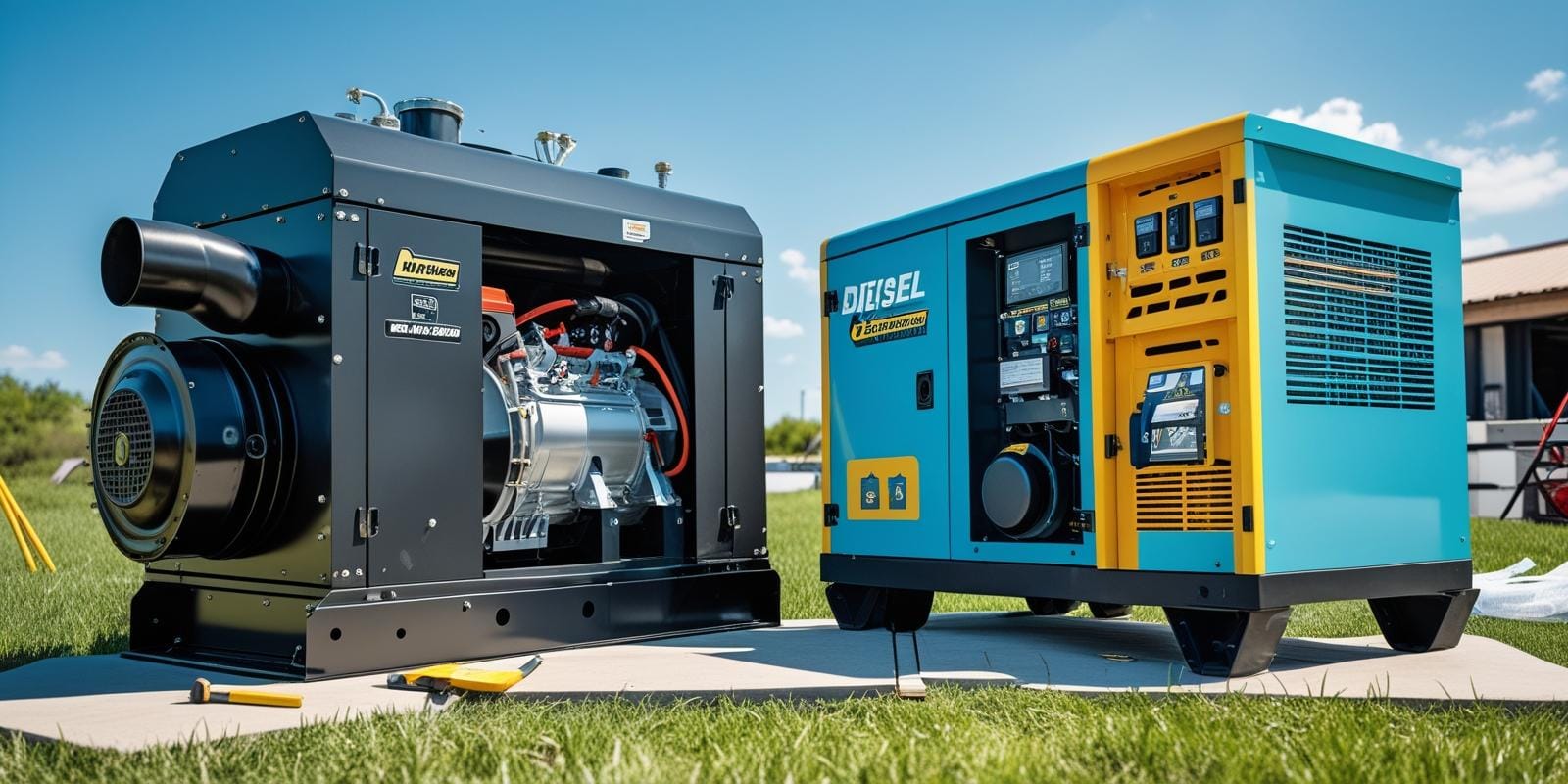
When it comes to choosing a generator, the decision between a diesel generator and a gas generator can feel overwhelming. You want to ensure that you select the best option for your needs, whether it’s for home backup power, construction sites, or outdoor events.
Each type has its pros and cons, and understanding these differences is crucial to making an informed choice. Are you looking for efficiency, cost-effectiveness, or reliability? This article will break down the key differences between diesel and gas generators, helping you understand which option aligns best with your requirements.
By the end, you’ll have the clarity you need to make a confident decision. Let’s dive in!
Cost Comparison
Diesel generators generally have a higher upfront cost but offer better fuel efficiency. Gas generators tend to be cheaper to purchase and maintain. Comparing these options helps you choose the best fit for your needs and budget.
Cost comparison is crucial when deciding between a diesel generator and a gas generator. Understanding the long-term and short-term costs can help you make an informed choice that fits your budget and energy needs. Let’s break down the cost factors to consider, from initial investment to operational expenses.
Initial Purchase Price
The initial cost of a generator can vary significantly. – Diesel generators typically have a higher upfront cost due to their robust design and longer lifespan. – Gas generators, on the other hand, are generally less expensive to purchase. Consider your budget and how much you are willing to invest initially.
Fuel Costs
Fuel expenses are a major factor in the overall cost. – Diesel fuel can be more costly than natural gas, but it offers better fuel efficiency. – Gas generators may have lower fuel costs, but they often consume more fuel for the same energy output. Which fuel source aligns with your financial goals?
Maintenance And Repair Costs
Maintenance costs can sneak up on you over time. – Diesel generators often require more frequent maintenance due to their complex systems. – Gas generators usually have simpler designs and can be cheaper to maintain. Assess your willingness to handle maintenance and repairs. What fits into your lifestyle?
Long-term Operational Costs
Think about the lifespan and durability of each generator type. – Diesel generators can last longer, making them a better investment over time. – Gas generators may need replacement sooner, leading to higher long-term costs. How long do you plan to use the generator? Your answer can influence your decision.
Resale Value
Consider the resale value when you choose a generator. – Diesel generators often retain their value better, appealing to buyers looking for reliability. – Gas generators might depreciate faster due to their shorter lifespan. Are you thinking about the future resale of your investment? By weighing these factors, you can make a decision that balances your immediate financial situation with your long-term energy needs. What matters most to you—initial costs or overall value?
Fuel Efficiency
Fuel efficiency varies between diesel and gas generators. Diesel generators often offer better fuel economy, making them more suitable for heavy-duty applications. Gas generators, while less efficient, provide quieter operation and lower emissions, appealing for smaller tasks or residential use.
Each option has its pros and cons.
Fuel efficiency is a crucial factor to consider when choosing between a diesel generator and a gas generator. It not only impacts your operational costs but also influences your environmental footprint. Understanding how each generator type performs with fuel can help you make a more informed decision.
Understanding Diesel Generator Fuel Efficiency
Diesel generators are known for their fuel efficiency. They typically consume less fuel to produce the same amount of power compared to gas generators. This efficiency translates into lower running costs over time. A diesel generator can run for long hours without frequent refueling. For instance, a 20 kW diesel generator may run for about 12-15 hours on a single tank of fuel. This is particularly beneficial for industries that require continuous power. Moreover, diesel engines tend to have a longer lifespan. This durability can lead to fewer replacements and repairs, saving you money in the long run.
Examining Gas Generator Fuel Efficiency
Gas generators generally consume more fuel than their diesel counterparts. However, they can be more economical for smaller, short-term power needs. If you only require power intermittently, gas generators can be a cost-effective solution. A gas generator may run for about 8-10 hours on a similar sized tank. While this means more frequent refueling, the initial cost of gas generators is often lower. This can make them appealing for homeowners or small businesses. Keep in mind that the price of gas can fluctuate, impacting your overall fuel costs. How often do you think about the current price of gas when making decisions?
Comparing Overall Fuel Costs
To truly understand fuel efficiency, consider the total cost of ownership. Diesel may offer better fuel efficiency, but initial costs can be higher. Here’s a quick comparison: | Feature | Diesel Generator | Gas Generator | |—————————|———————|———————| | Fuel Efficiency | High | Moderate | | Running Time | Longer | Shorter | | Initial Cost | Higher | Lower | | Maintenance Costs | Moderate | Lower | | Fuel Cost Variability | Stable | Fluctuating | You need to weigh these factors against your specific energy needs. Every situation is unique. Do you prioritize long-term savings or initial costs? Understanding your requirements will guide you to the right choice.
Performance And Power Output
Understanding the performance and power output of diesel and gas generators is crucial for making an informed decision. Each type of generator has its strengths and weaknesses, which can impact your choice based on your specific needs. Let’s break down the performance and power output aspects of both diesel and gas generators.
Power Output: Diesel Generators
Diesel generators are known for their robust power output. They typically produce more power per unit than gas generators. This makes them ideal for heavy-duty applications such as construction sites or large events where high energy demands exist.
For example, a typical diesel generator can provide between 10 kW to 2,500 kW, depending on its size and configuration. This means you can rely on them for continuous and stable power supply during peak loads.
Power Output: Gas Generators
Gas generators, on the other hand, offer a different kind of performance. They generally produce less power than diesel generators but are often more efficient for smaller loads. This makes them suitable for residential use or light commercial applications.
Most gas generators range from 1 kW to 500 kW. If your needs are moderate, a gas generator can be a cost-effective option, providing adequate power without the hefty fuel costs associated with diesel.
Efficiency Comparison
Efficiency is a significant factor when comparing these two types of generators. Diesel generators often outperform gas generators in terms of fuel efficiency. They convert a higher percentage of fuel into usable power.
- Diesel generators can achieve fuel efficiency rates up to 40%.
- Gas generators typically operate around 30% fuel efficiency.
This efficiency translates into longer running times and lower fuel costs over time, which is something to consider if you plan to use your generator frequently.
Durability And Longevity
Durability is another aspect that sets diesel generators apart. They are built to withstand heavy loads and rough conditions. Many diesel generators can run for thousands of hours before needing major repairs.
On the contrary, gas generators tend to have a shorter lifespan, often requiring more frequent maintenance. If you prioritize longevity and reliability, diesel generators may be the better choice.
Noise is an important consideration for many users. Diesel generators tend to be louder than gas generators due to their design and operation. If you’re using a generator in a residential area, this could be a dealbreaker.
Gas generators generally operate more quietly, making them more suitable for home use or events where noise pollution is a concern. Think about where you’ll be using your generator and how important noise levels are to your situation.
What are your primary power needs? Will you need a generator for heavy-duty tasks or light residential applications? Understanding these performance factors will guide you in selecting the right generator for your unique requirements.
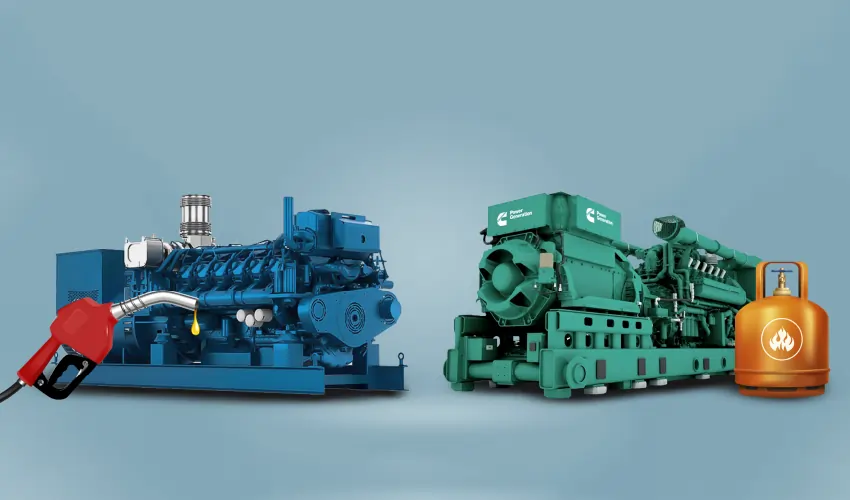
Credit: famcocorp.ae
Environmental Impact
The choice between diesel and gas generators affects the environment. Both types produce emissions. Understanding their impact helps make better choices.
Emissions From Diesel Generators
Diesel generators emit higher levels of nitrogen oxides. They also release particulate matter. These pollutants can harm air quality and health.
Diesel fuel contains more carbon than natural gas. Burning it releases more carbon dioxide. This contributes to climate change.
Emissions From Gas Generators
Gas generators produce fewer emissions overall. They emit less nitrogen oxides and particulate matter. This makes them a cleaner option for the environment.
Natural gas burns more efficiently. It releases less carbon dioxide than diesel. This helps in reducing greenhouse gases.
Noise Pollution
Diesel generators tend to be louder than gas generators. Noise can disturb people and wildlife. Gas generators usually operate more quietly.
Lower noise levels make gas generators more suitable for residential areas. Less noise pollution benefits everyone.
Environmental Regulations
Many regions have strict rules for emissions. Diesel generators often face tougher regulations. Compliance can be costly for diesel users.
Gas generators often meet environmental standards more easily. This makes them a more practical choice in some areas.
Fuel Sourcing And Sustainability
Natural gas is more abundant than diesel. It can be sourced from renewable processes. This supports a more sustainable future.
Diesel fuel relies heavily on crude oil. This is a non-renewable resource. Its depletion raises environmental concerns.
Maintenance Requirements
Understanding the maintenance requirements of diesel and gas generators is crucial for anyone considering these power sources. Both types have distinct needs that can affect your operational efficiency and costs. Let’s break down what you should know about maintaining each generator type.
Diesel Generator Maintenance
Diesel generators generally require more frequent and detailed maintenance compared to gas generators. This is mainly due to the complexity of their engine systems. Regular checks on fuel filters, oil levels, and coolant are essential.
- Oil changes: Perform every 250 hours of operation or as recommended by the manufacturer.
- Fuel filter replacement: Necessary every 500 hours to ensure clean fuel supply.
- Air filter checks: Inspect regularly to prevent engine damage.
I once worked with a diesel generator that had been neglected. Skipping regular oil changes led to engine failure. The repair costs were substantial, proving that maintenance can save you money in the long run.
Gas Generator Maintenance
Gas generators are typically easier to maintain. They have simpler engine designs, leading to fewer components that require regular servicing. However, you still need to keep an eye on certain areas.
- Spark plug inspections: Check and replace every 100 hours to ensure efficient ignition.
- Air filter cleaning: Clean or replace every 200 hours to maintain airflow.
- Regular checks for leaks: Keep an eye on gas lines to prevent hazardous situations.
During my experience with a gas generator, regular spark plug checks helped avoid starting issues during a crucial power outage. A small effort in maintenance made a big difference.
Cost Implications Of Maintenance
The cost of maintenance can vary significantly between diesel and gas generators. Diesel maintenance can be more expensive due to the parts and labor involved. Yet, gas generators, while cheaper to maintain, may require more frequent part replacements.
| Maintenance Aspect | Diesel Generator | Gas Generator |
|---|---|---|
| Oil Changes | Higher cost, more frequent | Lower cost, less frequent |
| Parts Replacement | Expensive parts | Cheaper, but more frequent |
Think about your budget and how often you can commit to maintenance. It might influence your choice between diesel and gas generators.
Choosing between a diesel and gas generator involves understanding their maintenance requirements. Each has its pros and cons, impacting your operational efficiency. Assess your capabilities and preferences before making a decision.
Durability And Lifespan
Understanding the durability and lifespan of diesel generators versus gas generators is crucial for making an informed decision. These factors significantly influence your long-term investment, maintenance costs, and reliability. Let’s dive into how each type stacks up in terms of endurance and longevity.
Durability Of Diesel Generators
Diesel generators are known for their robust construction. They typically feature heavy-duty components designed to withstand harsh conditions. Many users report that diesel models last longer due to their sturdy design, often exceeding 20,000 hours of operation.
One user shared how their diesel generator powered a construction site for years without major issues. This reliability is partly due to their ability to handle heavy loads and continuous operation.
Durability Of Gas Generators
Gas generators, while generally lighter and more portable, do not boast the same level of durability. They are built for efficiency and quieter operation, but this often comes at a cost. Many gas generators tend to have a shorter lifespan, usually around 5,000 to 10,000 operating hours.
One homeowner noted that after five years of using a gas generator for backup power, they faced frequent repairs. This experience highlights the importance of considering your specific needs before making a choice.
Lifespan Comparison
The lifespan of your generator can depend on various factors, including maintenance and usage. Diesel generators, with proper care, often provide a longer service life compared to gas generators. You may find that the higher initial investment in a diesel generator pays off over time due to lower replacement costs.
Conversely, if your power needs are sporadic or you require a generator for lighter tasks, a gas generator might suffice. The lower upfront cost can be appealing, but consider how often you’ll need it to run.
Maintenance And Longevity
Regular maintenance plays a critical role in extending the lifespan of both diesel and gas generators. Diesel units often require more intensive maintenance routines, but they can handle this better due to their rugged design.
Gas generators may need less frequent servicing, but they can be more sensitive to prolonged use without proper care. Think about your own capacity for maintenance when deciding which generator to invest in.
Which generator do you think would last longer based on your specific needs? Consider your power usage, maintenance capabilities, and overall investment strategy.
Noise Levels
Noise levels can significantly impact your experience with a generator. Whether you’re powering your home, a construction site, or an outdoor event, the sound a generator produces matters. Choosing between a diesel generator and a gas generator often comes down to how much noise you can tolerate.
Diesel Generators: The Sound Profile
Diesel generators are known for their durability and efficiency, but they also tend to be louder than their gas counterparts. Most diesel units operate at around 70 to 90 decibels, which is comparable to the sound of heavy traffic or a lawnmower. This level of noise can be disruptive, especially in residential areas.
If you’ve ever been near a construction site with a diesel generator running, you know how overwhelming the noise can be. It’s not just a nuisance; it can affect your health and well-being over time. Prolonged exposure to high noise levels can lead to stress, fatigue, and even hearing loss.
Gas Generators: Quieter Operation
Gas generators generally produce less noise, often ranging from 50 to 70 decibels. This makes them a more appealing option for home use or events where noise is a concern. Many gas models come with sound-dampening features that further reduce their noise output.
Imagine hosting a backyard party. A gas generator running quietly in the background allows guests to enjoy conversations without shouting. You’ll find that a quieter generator can create a more pleasant atmosphere.
Choosing The Right Generator For Your Needs
Think about where and how you plan to use your generator. Are you powering a job site that requires robust equipment, or do you need something for occasional home use? Your needs will dictate whether the noise levels of a diesel or gas generator are more suitable.
- If noise levels are a priority, consider a gas generator for your home.
- For industrial applications where durability is key, a diesel generator may be necessary, despite the noise.
Ultimately, your choice should align with your specific requirements. What level of noise can you tolerate? Understanding your environment can help you make the best decision.
Suitability For Different Applications
Choosing between a diesel generator and a gas generator often boils down to the specific needs of your application. Each type of generator has unique advantages that make it more suitable for certain scenarios. Understanding these differences can help you make an informed decision.
Industrial Applications
Diesel generators are often favored in industrial settings. They are known for their durability and ability to handle heavy loads. If your operation requires continuous power for long hours, diesel might be the better choice.
Consider a construction site where large machinery needs consistent energy. Diesel generators can provide that reliable power without frequent refueling. This can save you time and keep your project on schedule.
Residential Use
Gas generators tend to shine in residential applications. They are quieter and generally produce fewer emissions than diesel generators. If you’re looking for a backup generator for your home, gas models are often easier to live with.
Imagine a summer storm knocking out your power. A gas generator can kick in without much noise, keeping your essentials running smoothly. This convenience can make all the difference during an outage.
Emergency Backup
For emergency backup situations, both types have their merits. Diesel generators offer robustness, making them great for critical infrastructure like hospitals. However, gas generators are often quicker to start, which can be crucial in urgent scenarios.
Picture a scenario where every second counts. A gas generator can provide immediate power restoration, allowing you to focus on safety and recovery. This quick response can be vital in emergencies.
Portable Applications
When it comes to portability, gas generators usually take the lead. They are lighter and easier to transport, making them ideal for outdoor events or camping trips. If you need power on the go, a gas generator could be a better fit.
Think about planning a family picnic. A lightweight gas generator can easily power your appliances, ensuring your food stays fresh and your devices stay charged. This added convenience can enhance your outdoor experience.
Cost Considerations
Cost can also dictate your choice. Diesel generators tend to have a higher upfront cost but may offer better long-term savings due to their fuel efficiency. Gas generators are usually cheaper to purchase but can be less efficient in the long run.
Are you prepared for the ongoing costs? Weighing the initial investment against future fuel expenses can help you make a smarter decision.
Ultimately, your specific needs and application will guide your choice between diesel and gas generators. Understanding how each type fits into your plans can lead to better performance and satisfaction.
Availability Of Fuel
When choosing between a diesel generator and a gas generator, one critical factor is the availability of fuel. The fuel source you select can greatly influence not only the cost of operation but also the practicality of using the generator in different situations. Understanding where and how you can access fuel can make your decision much clearer.
Diesel Fuel Availability
Diesel fuel is widely available in many parts of the world. It’s often used in transportation and heavy machinery, making it accessible at gas stations and commercial fuel depots.
In rural areas, you might find that diesel fuel is even more prevalent than gas. This means that if you’re located away from urban centers, a diesel generator could be a reliable choice.
However, consider the potential for price fluctuations. Diesel prices can vary based on demand and geopolitical factors. Regularly checking fuel prices can help you stay within budget.
Gas Fuel Availability
Gas, particularly natural gas, is another popular choice for generators. It is often delivered through pipelines, making it a convenient option for those in urban settings.
Many households already have access to natural gas for heating and cooking. This can simplify logistics, as you might not need to store fuel on-site.
However, if you live in a rural area, the availability of gas can be limited. You may need to rely on propane, which is portable but requires tanks that need refilling.
Considerations For Your Location
Your location plays a crucial role in deciding which generator to choose. Think about your access to fuel sources. Is diesel readily available in your area, or do you have a natural gas line?
It may also be worth considering local regulations regarding fuel storage and usage. Some areas have strict rules that could affect your choice of generator.
Before making a decision, assess your fuel supply options. This can save you time and money in the long run. Are you ready to ensure that your generator has a steady supply of fuel?
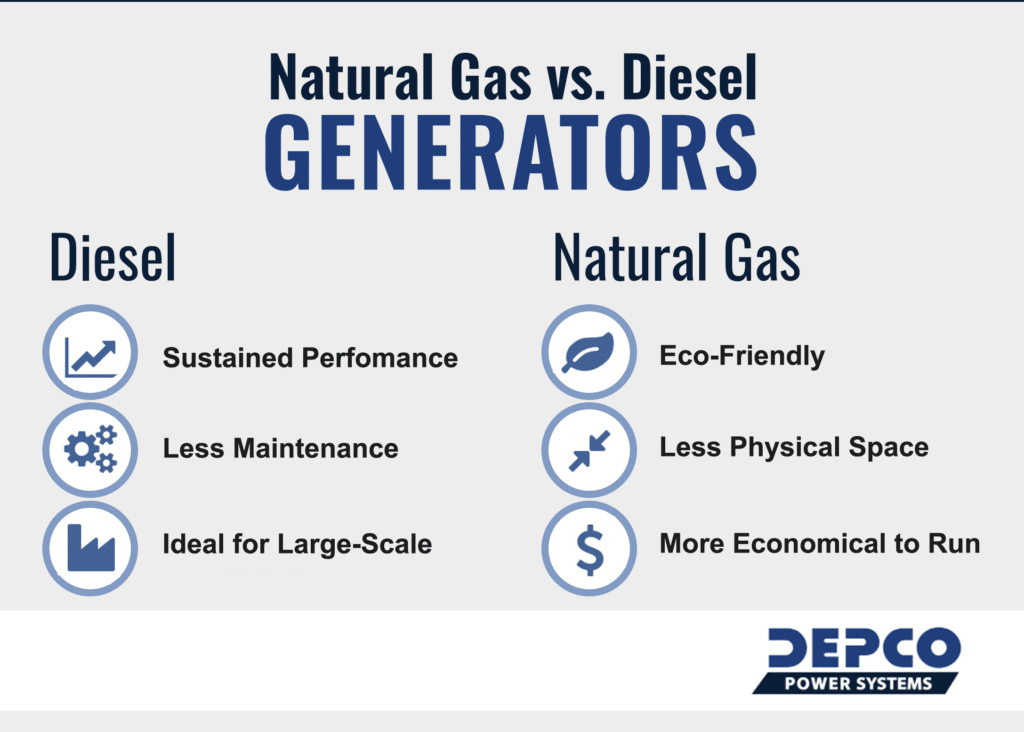
Credit: www.depco.com
Initial Setup And Installation
Setting up a generator requires careful consideration, especially when comparing diesel and gas options. The initial setup and installation process can vary significantly between these two types. Understanding these differences can save you time and resources.
Installation Requirements
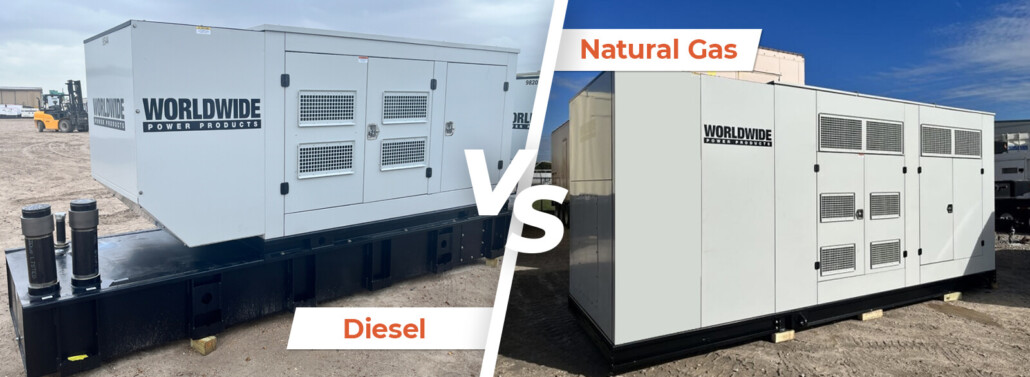
Diesel generators often need more extensive preparations. You might need a concrete pad for stability, especially for larger models. Additionally, these generators require proper ventilation and fuel storage setups.
Gas generators, on the other hand, tend to be more straightforward. They usually don’t need a dedicated base, and many models are portable. This ease of installation can be a significant advantage if you need a generator for temporary use.
Connection To Power Systems
Connecting a diesel generator to your power system can be complex. You’ll likely need an electrician to ensure that everything meets local codes. This process might include installing transfer switches to prevent backfeeding into the grid.
Gas generators are often simpler to connect. Many models have built-in features that facilitate easy plug-and-play setups. This user-friendly design can be particularly appealing for those who are not technically inclined.
Cost Considerations
The initial costs of installation can differ widely between diesel and gas generators. Diesel generators may have higher upfront costs due to the additional infrastructure needed. You may also incur costs related to compliance with environmental regulations.
Gas generators usually come with lower installation costs. However, consider the long-term fuel expenses. Gas prices can fluctuate, which may impact your budget over time.
Time For Setup
Time is another crucial factor. Setting up a diesel generator can take longer due to the necessary preparations and electrical work. If you’re in a hurry, this could be a disadvantage.
Gas generators generally offer quicker setups. You can often have them up and running in a matter of hours. This speed is especially beneficial in emergencies.
Which type of generator do you think will fit your needs better? The choice between diesel and gas boils down to your specific situation and how you plan to use the generator. Consider your installation preferences and requirements carefully.
Credit: www.wpowerproducts.com
Frequently Asked Questions
What Is The Main Difference Between Diesel And Gas Generators?
Diesel generators use diesel fuel, while gas generators use natural gas or propane. This affects performance and cost.
Which Generator Is More Fuel-efficient?
Diesel generators are generally more fuel-efficient than gas generators. They can run longer on less fuel.
Are Diesel Generators Louder Than Gas Generators?
Yes, diesel generators tend to be louder than gas generators. This can be an important consideration for noise-sensitive areas.
What Is The Lifespan Of Diesel Vs Gas Generators?
Diesel generators often last longer than gas generators. They can run for 10,000 to 30,000 hours with proper maintenance.
Which Generator Is Better For Outdoor Use?
Both types can be used outdoors, but diesel generators are often preferred for heavy-duty applications.
Do Diesel Generators Require More Maintenance?
Yes, diesel generators usually need more maintenance than gas generators. Regular checks are important for optimal performance.
Can I Switch Between Diesel And Gas Fuel Types?
No, you cannot switch between diesel and gas. Each generator is designed for one specific fuel type.
What Are The Initial Costs Of Diesel Vs Gas Generators?
Diesel generators typically have higher initial costs than gas generators. However, they may save money in fuel over time.
Which Generator Is More Environmentally Friendly?
Gas generators are generally more environmentally friendly. They produce fewer emissions compared to diesel generators.
Can I Use A Gas Generator For Backup Power?
Yes, gas generators are great for backup power. They start quickly and provide reliable electricity when needed.
Conclusion
Choosing between a diesel generator and a gas generator depends on your needs. Diesel generators often last longer and handle heavy loads better. Gas generators are quieter and easier to maintain. Think about fuel availability and costs, too. Each option has pros and cons.
Weigh them carefully before deciding. Consider your specific situation and preferences. This choice impacts efficiency, cost, and reliability. Make an informed decision for your power needs.