
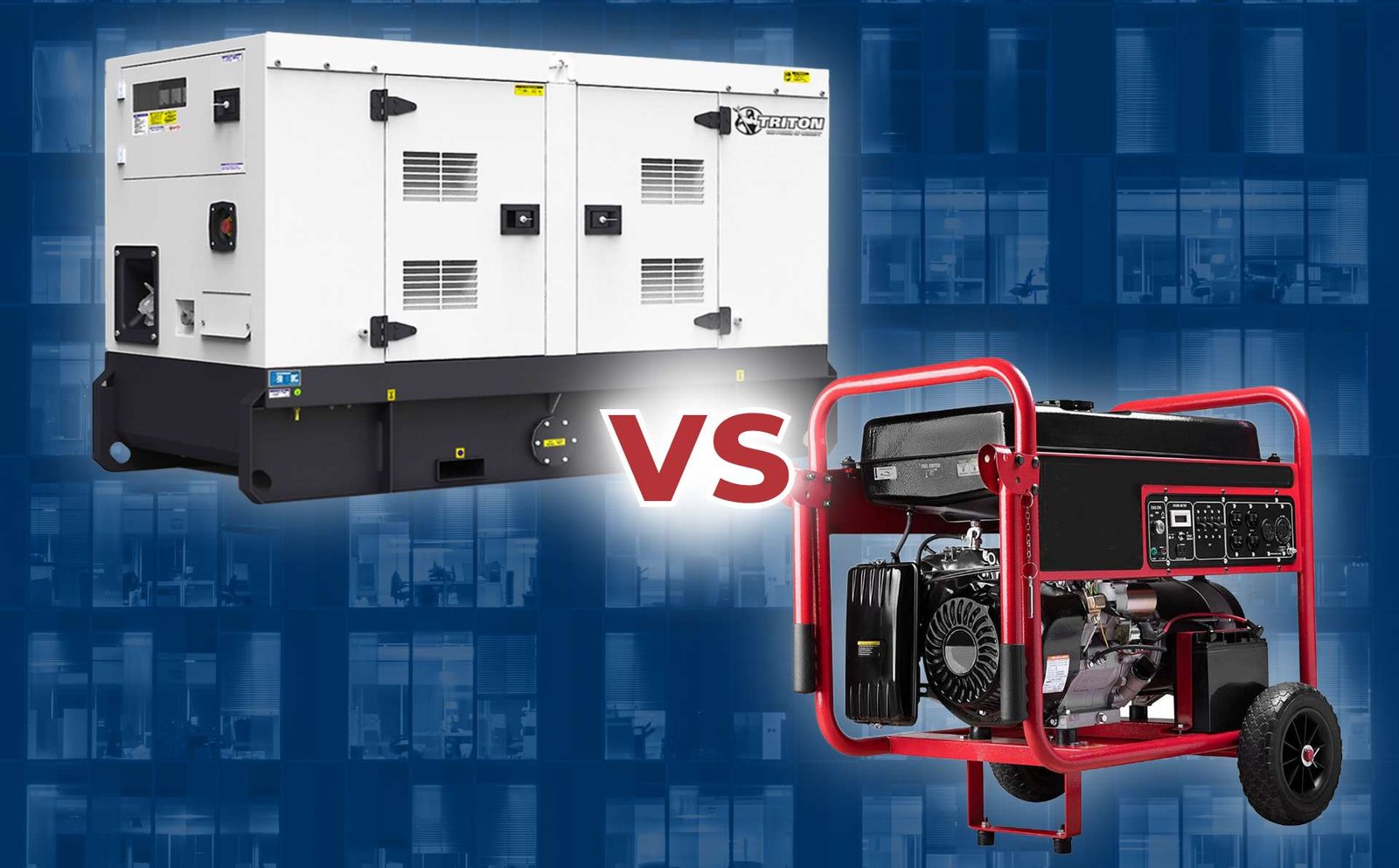
When it comes to choosing a generator, you face an important decision: diesel or gasoline? Each option has its own set of advantages and disadvantages that can impact your needs and budget.
Do you want reliability and fuel efficiency, or are you looking for something lighter and easier to refuel? Understanding these differences can help you make the best choice for your situation. We’ll dive deep into the world of diesel and gasoline generators.
You’ll discover how they compare in performance, cost, and maintenance. By the end, you’ll have a clear understanding of which generator is right for you. Don’t miss out on insights that could save you time and money!
Key Differences Between Diesel And Gasoline Generators
Choosing between diesel and gasoline generators can be tough. Each type has unique features. Understanding these differences helps in making a better choice.
Fuel Efficiency
Diesel generators are more fuel-efficient than gasoline ones. They use less fuel to produce the same power. This leads to cost savings over time.
Power Output
Diesel generators typically provide more power. They can handle larger loads easily. Gasoline generators are suitable for smaller needs.
Maintenance Needs
Diesel engines require more maintenance. Regular checks are important to keep them running well. Gasoline generators need less frequent service.
Noise Levels
Diesel generators are usually louder. This can be an issue in quiet areas. Gasoline generators tend to operate more quietly.
Initial Cost
Diesel generators often cost more upfront. They are built for durability and long-term use. Gasoline generators are cheaper to buy initially.
Longevity
Diesel generators generally last longer. They can run for thousands of hours. Gasoline generators have a shorter lifespan in comparison.
Diesel generators emit more pollutants. This can affect air quality. Gasoline generators are cleaner but still have emissions.
Storage And Availability
Diesel fuel is often easier to store. It has a longer shelf life. Gasoline can degrade faster and may require special storage.
Fuel Efficiency And Consumption
Fuel efficiency and consumption are key factors in choosing a generator. Diesel and gasoline generators offer different benefits. Understanding these differences can help you decide which type fits your needs.
Understanding Fuel Efficiency
Fuel efficiency measures how much energy a generator uses. Diesel generators are known for higher fuel efficiency. They use less fuel to produce the same power. This means they can run longer on a single tank.
Gasoline generators typically consume more fuel. They may require refueling more often. This can be a hassle in some situations. For tasks requiring continuous power, diesel may be better.
Fuel Consumption Rates
Fuel consumption rates vary between diesel and gasoline. Diesel engines often consume less fuel per hour. This makes them ideal for heavy-duty tasks.
Gasoline engines consume more fuel, especially under load. This can lead to higher overall costs over time. Users must consider how often they will use the generator.
Cost Considerations
Cost is an important aspect of fuel choice. Diesel fuel is generally cheaper than gasoline. This can make diesel generators more economical in the long run.
Gasoline prices can fluctuate greatly. This may affect total operating costs. Users should calculate their expected usage to understand expenses.
Fuel efficiency also impacts the environment. Diesel generators produce fewer emissions per unit of power. This can be beneficial for outdoor use.
Gasoline generators emit more pollutants. This can be a concern in sensitive areas. Choosing a more fuel-efficient option can reduce environmental harm.
Power Output And Performance
Power output and performance are key factors in choosing a generator. Diesel and gasoline generators differ in how they produce power. Understanding these differences helps in making an informed decision.
Power Output Of Diesel Generators
Diesel generators typically provide higher power output. They can handle larger loads easily. This makes them ideal for heavy-duty applications. Construction sites often use them for this reason.
Power Output Of Gasoline Generators
Gasoline generators usually have lower power output. They work well for smaller, lighter tasks. Homes and recreational vehicles often use them. They are suitable for less demanding power needs.
Performance Under Load
Diesel generators perform well under heavy loads. They maintain stable power even with high demand. This reliability is important for businesses.
Diesel generators are more fuel-efficient. They use less fuel for the same power output. This efficiency reduces operating costs over time.
Noise Levels
Gasoline generators tend to be quieter. They produce less noise compared to diesel engines. This makes them preferable for residential areas.
Diesel generators usually last longer than gasoline ones. They are built to withstand tough conditions. This durability makes them a better long-term investment.
Durability And Longevity
Choosing between a diesel generator and a gasoline generator often boils down to durability and longevity. Understanding these factors can help you make a well-informed decision that suits your needs. Let’s dive into how each type of generator stacks up in these crucial areas.
Durability Of Diesel Generators
Diesel generators are built to withstand harsh conditions. They typically feature robust components that resist wear and tear, making them ideal for heavy-duty use.
Many users find that diesel generators can last for decades with proper maintenance. This means fewer replacements and a better return on your investment. Have you ever wondered how long your generator will serve you?
Durability Of Gasoline Generators
Gasoline generators are generally lighter and more portable. However, they tend to be less durable compared to their diesel counterparts.
While they may work well for occasional use or smaller applications, they often require more frequent repairs. If you’re using a generator regularly, this could become a significant hassle and expense.
Longevity Of Diesel Generators
On average, diesel generators can run for 10,000 to 30,000 hours. This impressive lifespan often translates to years of reliable service.
Many businesses invest in diesel generators for this very reason. Imagine having a dependable power source that can keep your operations running smoothly for years.
Longevity Of Gasoline Generators
Gasoline generators usually last between 1,500 to 5,000 hours, significantly shorter than diesel models. This shorter lifespan might not be an issue for occasional users.
However, if you’re relying on your generator for critical tasks, the difference in longevity can be a deal-breaker. How much downtime can you afford?
Maintenance And Its Impact On Durability
Regular maintenance is key for both diesel and gasoline generators. Diesel units require oil changes and filter replacements, while gasoline engines often need spark plug and carburetor checks.
Proper care can extend the lifespan of either generator type. Are you prepared to invest time in maintenance?
Cost Considerations
While diesel generators may have a higher initial cost, their durability and longevity often make them more economical over time. You might pay more upfront but save money in repairs and replacements.
Gasoline generators are cheaper to buy but can lead to higher long-term costs due to their shorter lifespan. What’s your budget, and how do you plan to use your generator?
Maintenance Requirements
Maintaining your generator is crucial for its longevity and performance. Choosing between a diesel generator and a gasoline generator can significantly impact your maintenance routine. Understanding the maintenance requirements of each can help you make an informed decision.
Diesel Generator Maintenance
Diesel generators are known for their durability, but they require specific maintenance tasks. Regular oil changes are essential. You should change the oil every 100-250 hours of operation, depending on usage.
Additionally, check the fuel filters regularly. Dirty filters can lead to engine issues. Keeping an eye on the air filters is just as important; a clean air filter ensures optimal performance.
Don’t forget to inspect the battery and cooling system. Corrosion and leaks can cause significant problems. Addressing these issues promptly saves you time and money in the long run.
Gasoline Generator Maintenance
Gasoline generators are generally easier to maintain than diesel models. Oil changes are typically needed every 50-100 hours. This shorter interval may feel like a hassle, but it helps keep the engine running smoothly.
Fuel stabilizers can extend the life of your gasoline. Consider adding them if your generator sits unused for extended periods. Regularly check the spark plugs as well; clean or replace them to ensure easy starting and efficient operation.
Like diesel generators, gasoline models also need air and fuel filter checks. Keeping these clean is vital to prevent engine problems. Regular maintenance can prevent many common issues.
Cost Implications
While diesel generators may have higher maintenance costs upfront, their longevity can offset this. Gasoline generators often require more frequent servicing, which can add up over time. What’s your budget for maintenance?
Think about the frequency of use. If you use your generator frequently, investing in a diesel model could save you money in the long run. If you only need it occasionally, a gasoline generator might be more economical.
Consider the time and effort you are willing to invest in maintenance. Are you comfortable with the regular upkeep required for a diesel generator? Or would you prefer the lower maintenance demands of a gasoline model?
Your choice between a diesel and gasoline generator should align with your maintenance preferences and lifestyle. Understanding these requirements can lead to better performance and fewer headaches. What will you choose for your energy needs?
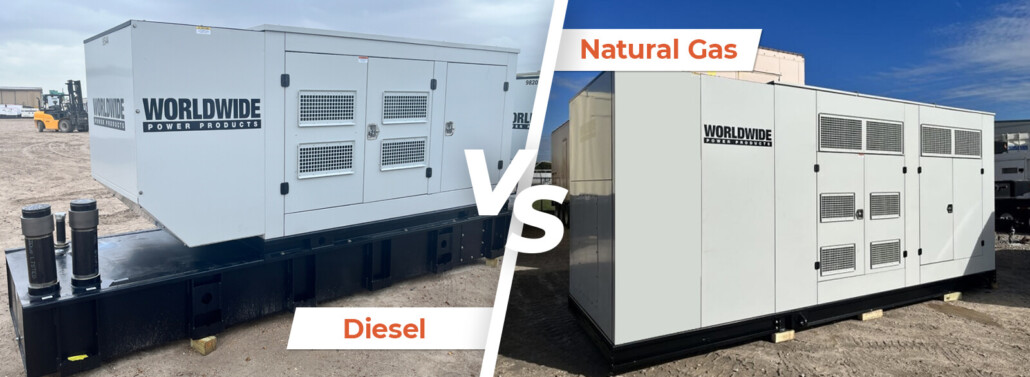
Credit: www.wpowerproducts.com
Initial Cost Vs Operating Cost
Choosing between a diesel generator and a gasoline generator involves many factors. Two key factors are initial cost and operating cost. Understanding these can help you make a smart choice.
Initial Cost
The initial cost is what you pay upfront. Diesel generators usually cost more. They are built to last longer and handle heavier loads.
Gasoline generators are often cheaper. They have lower manufacturing costs. This makes them more affordable for many buyers.
Think about your budget. A higher initial cost may pay off in the long run. Diesel generators might save you money on repairs and replacements.
Operating Cost
Operating cost is how much you spend to run the generator. Diesel fuel tends to be cheaper than gasoline. This can lower your monthly expenses.
Diesel engines are more fuel-efficient. They use less fuel for the same power output. This efficiency can lead to significant savings.
Gasoline generators may need more frequent refueling. This can increase your operating costs over time. Regular maintenance can also add to these costs.
Consider the overall cost. Look at both initial and operating costs. A diesel generator might be more cost-effective in the long term.
Environmental Impact
The choice between diesel generators and gasoline generators affects the environment. Each type has its own impact on air quality, noise levels, and natural resources. Understanding these differences is important for making an informed decision.
Air Pollution
Diesel generators produce more nitrogen oxides and particulate matter. These pollutants can harm human health. They also contribute to smog and respiratory problems.
Gasoline generators emit fewer pollutants. They produce less nitrogen oxides and particulate matter. This makes them a cleaner option for the air.
Greenhouse Gas Emissions
Diesel generators emit more carbon dioxide than gasoline ones. This contributes to climate change. Reducing greenhouse gases is crucial for a healthy planet.
Gasoline generators generally release less carbon dioxide. This can help lower the overall carbon footprint. Choosing gasoline can be a better option for the environment.
Noise Pollution
Diesel generators tend to be noisier than gasoline models. The loud noise can disrupt local communities and wildlife. Noise pollution can affect people’s health and well-being.
Gasoline generators usually operate more quietly. This makes them suitable for residential areas. Less noise can lead to a more pleasant environment.
Resource Use
Diesel fuel is derived from crude oil. Extracting and refining oil can harm ecosystems. It can also lead to oil spills and other environmental issues.
Gasoline also comes from oil but is often more accessible. Its production may have a smaller local impact. Choosing gasoline can reduce some resource-related concerns.
Noise Levels And Operation
Noise levels play a big role in choosing between diesel and gasoline generators. The sound can affect comfort and usability. Understanding how each type operates helps in making the right choice.
Diesel Generators: Noise Profile
Diesel generators are known for their louder operation. They produce a deep rumble that can be hard to ignore. This noise comes from the engine and the cooling system.
Many diesel models have soundproof enclosures. These enclosures can reduce noise, but not eliminate it. Users in residential areas may find this a concern.
Gasoline Generators: Quieter Operation
Gasoline generators tend to be quieter than diesel models. They operate with a higher pitch sound. This sound is often more pleasant to the ears.
Many gasoline generators are designed for low noise. They are suitable for camping or home use. Their quieter operation makes them popular for short-term needs.
Factors Affecting Noise Levels
Several factors can influence noise levels. Generator size plays a role. Larger generators often produce more noise.
Maintenance is also important. Well-maintained machines tend to run smoother and quieter. Choosing the right location can help minimize noise impact.
Operational Considerations
Noise levels can affect daily activities. Diesel generators may disrupt sleep or work. Gasoline units might be better for quiet settings.
Consider the generator’s purpose. Long-term use may require a quieter model. For short-term tasks, noise might be less of an issue.
Availability Of Fuel And Resources
The choice between diesel generators and gasoline generators often hinges on the availability of fuel and resources. Understanding what’s accessible in your area can make a significant difference in your decision-making process. Let’s break down the key factors that influence fuel availability and what it means for you.
Fuel Availability In Different Regions
Diesel fuel is widely available in most urban and rural areas. You’ll find it at gas stations, trucking depots, and dedicated fuel suppliers. If you live in a remote location, diesel might be your best bet since it’s often stored in bulk and can be delivered directly to you.
Gasoline, on the other hand, is the most common fuel type across the globe. It’s readily available at nearly every gas station. However, during emergencies or natural disasters, gasoline supplies can dwindle quickly, leaving you without options.
Storage And Shelf Life
Diesel has a longer shelf life compared to gasoline. It can last for several months, even years, if stored properly. This makes diesel generators a reliable choice for long-term use.
Gasoline typically has a shelf life of three to six months. After that, it can degrade and cause issues with your generator. If you plan to store fuel for emergencies, consider how often you’ll need to replace gasoline.
Environmental Considerations
Both diesel and gasoline have environmental impacts, but they differ. Diesel engines are more fuel-efficient, producing more energy per gallon. However, they tend to emit more nitrogen oxides and particulates.
Gasoline generators produce fewer emissions overall but are less efficient. If you’re concerned about your carbon footprint, think about how each fuel type aligns with your values.
Cost And Accessibility
Generally, diesel is more cost-effective in the long run. It offers better fuel efficiency, meaning you spend less over time. However, initial purchase prices for diesel generators can be higher.
Gasoline generators are usually cheaper upfront but can lead to higher operating costs. Look at your budget and consider how often you’ll be using the generator.
Ultimately, the availability of fuel and resources in your area plays a pivotal role in your generator choice. Assess your local conditions and needs. What fuel source aligns best with your lifestyle and usage patterns?
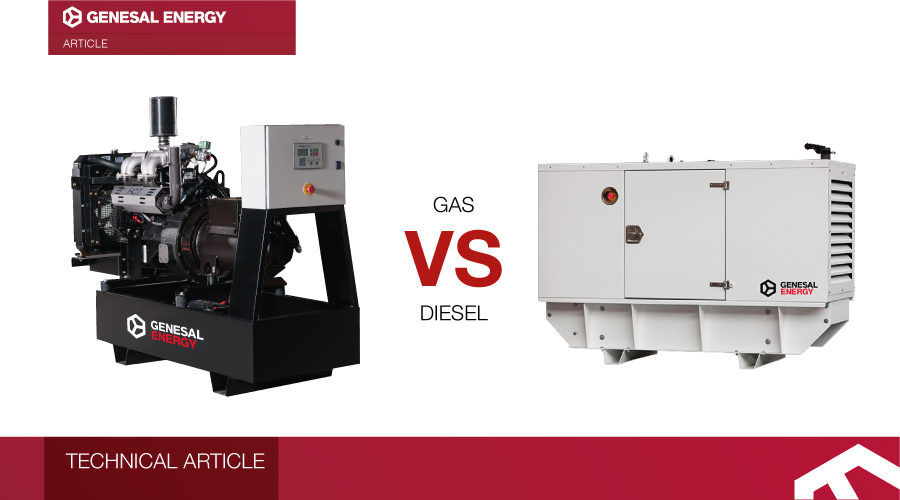
Credit: genesalenergy.com
Best Use Cases For Each Generator Type
Diesel generators are ideal for heavy-duty tasks and long-term use, especially in construction. Gasoline generators work best for lighter jobs and portable needs, like camping or home backup. Each type serves specific situations well, making it important to choose the right one for your needs.
Choosing between a diesel generator and a gasoline generator can be daunting. Each type has its strengths and weaknesses, making them suitable for different scenarios. Understanding the best use cases for each generator type will help you make an informed decision.
Best Use Cases For Diesel Generators
Diesel generators excel in heavy-duty applications. They are often used in industrial settings where reliability is crucial. – Construction Sites: Diesel generators provide consistent power for heavy machinery. Their durability under tough conditions makes them ideal for construction projects. – Commercial Operations: Businesses that require continuous operation, like data centers, benefit from diesel generators. They can run for longer periods without needing refueling. – Remote Locations: If you’re powering equipment in a remote area, diesel generators are more efficient. They can handle larger loads and run longer than gasoline alternatives.
Best Use Cases For Gasoline Generators
Gasoline generators shine in portable and light-duty applications. They are easier to move around and suitable for smaller tasks. – Home Backup Power: For short outages, gasoline generators are perfect. They can quickly power essential appliances like refrigerators and lights. – Outdoor Events: If you’re hosting a picnic or camping trip, a gasoline generator offers convenience. They are lightweight and easy to transport, ensuring your devices stay charged. – DIY Projects: Small workshops often require power tools. Gasoline generators can efficiently support these tools without overwhelming your workspace. Understanding your specific needs will guide you in choosing the right generator. What activities do you plan to power? Your answer can significantly influence your decision.
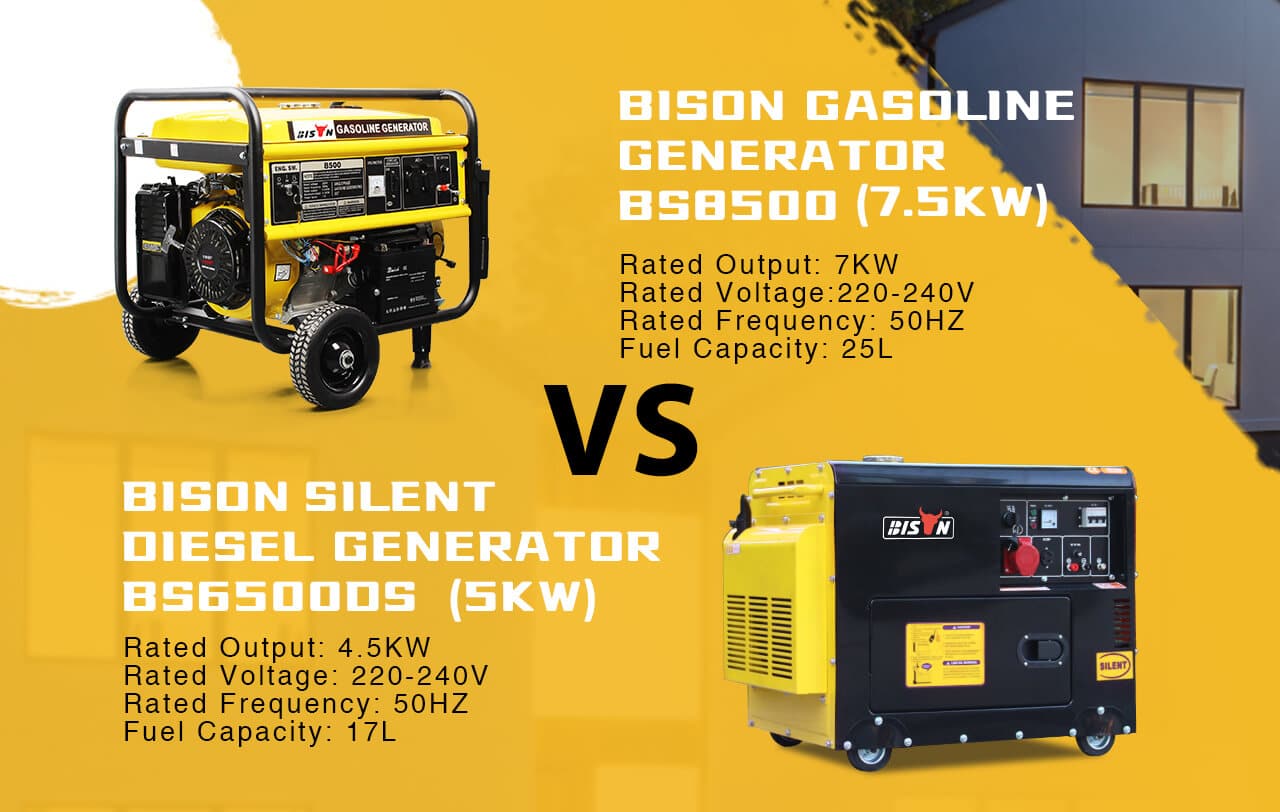
Credit: www.bisonindustry.com
Frequently Asked Questions
What Is The Main Difference Between Diesel And Gasoline Generators?
Diesel generators use diesel fuel, while gasoline generators use gasoline. This impacts performance and fuel efficiency.
Which Generator Is More Fuel-efficient?
Diesel generators are generally more fuel-efficient than gasoline generators. They use less fuel for the same power output.
Are Diesel Generators Louder Than Gasoline Generators?
Yes, diesel generators are typically louder than gasoline generators. They have larger engines and different noise levels.
What Is The Lifespan Of Diesel Vs Gasoline Generators?
Diesel generators usually last longer than gasoline generators. They can run for thousands of hours with proper care.
Which Generator Type Is Better For Heavy Loads?
Diesel generators are better for heavy loads. They provide more power and are suited for high-demand tasks.
Do Diesel Generators Require More Maintenance?
Diesel generators often need more maintenance than gasoline generators. Regular checks are essential for efficiency and longevity.
Is It Cheaper To Run Diesel Or Gasoline Generators?
Running costs for diesel generators are often lower than gasoline ones. Diesel fuel is usually cheaper and more efficient.
Which Generator Is Safer To Use?
Gasoline generators are generally considered safer. Diesel fuel is less flammable, reducing fire risks compared to gasoline.
Can I Use Biodiesel In Diesel Generators?
Yes, many diesel generators can run on biodiesel. This alternative fuel is more environmentally friendly.
Which Generator Is Better For Home Use?
Gasoline generators are often preferred for home use. They are quieter, lighter, and easier to handle.
Conclusion
Choosing between a diesel generator and a gasoline generator depends on your needs. Diesel generators are often more efficient and last longer. They work well for heavy-duty tasks. Gasoline generators are lighter and easier to move. They are great for small jobs and emergencies.
Consider your fuel availability, usage, and budget. Both options have their pros and cons. Assess what fits your situation best. Making an informed choice will ensure reliable power when you need it.