
Have you ever wondered how sunlight can power your home or even your city? Solar energy is not just clean and renewable—it’s packed with surprising facts that might change the way you see the sun.
Imagine tapping into a source of energy that’s been shining for billions of years, yet costs less and less to use every day. You’ll discover fun and fascinating facts about solar energy that will spark your curiosity and maybe even inspire you to make the switch.
Ready to uncover the secrets behind this powerful natural resource? Let’s dive in and see how solar energy is shaping your world!
Credit: goldensolar.net
Solar Energy’s Abundance
Solar energy shines endlessly, providing more power than the world needs every hour. Its constant availability makes it a reliable source for clean energy worldwide. Harnessing sunlight taps into one of Earth’s largest natural resources.
Solar Energy Powers Earth Many Times Over
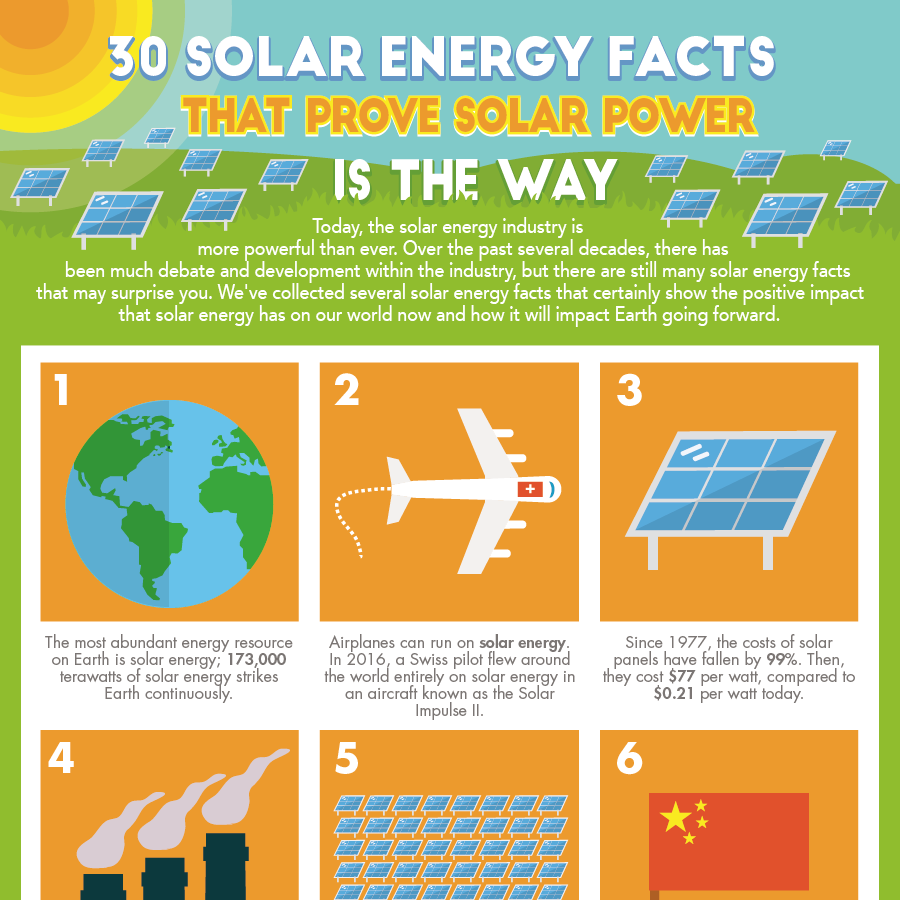
The sun shines on Earth with immense power. Every hour, it provides more energy than humans use in a whole year. This makes solar energy incredibly abundant. It is a constant and natural source of power. Unlike fossil fuels, it won’t run out anytime soon.
Sunlight Reaches Every Corner Of The Globe
Solar energy reaches all parts of the planet. Even places with less sun get enough light to generate power. This spread means solar energy can be used almost everywhere. It helps bring electricity to remote and rural areas easily. The sun’s energy is truly universal.
Solar Energy Is Clean And Renewable
Solar energy does not pollute the air or water. It creates no harmful gases when used. This makes it safer for people and nature. Using solar power helps reduce dependence on fossil fuels. It offers a sustainable way to meet energy needs.
Credit: solarpower.guide
Oldest Power Source
Solar energy is one of the oldest power sources used by humans. Long before modern technology, people relied on the sun’s light and heat for energy. Its natural power continues to inspire new ways to create clean energy today.
Solar energy is the oldest power source known to humans. Long before electricity, people used the sun’s energy to stay warm and grow food.
Ancient civilizations built their homes to catch sunlight in winter and avoid it in summer. This simple use of solar power helped them survive.
Sunlight has powered life on Earth for billions of years. Plants use sunlight to make food through photosynthesis. This process supports nearly all living creatures.
Early Solar Technologies
People used mirrors and lenses to focus sunlight for fire making. Ancient Greeks and Romans used this method to light torches.
In the 7th century BC, the Greeks built simple solar ovens. These ovens cooked food using only the sun’s heat.
Solar Power In History
In the 18th century, scientists studied how sunlight can produce energy. They discovered how to convert sunlight into heat and electricity.
Solar power began to grow as technology improved. By the 20th century, solar panels started to appear for practical use.
Solar Energy Today
Now, solar energy provides clean power to millions worldwide. It helps reduce pollution and fights climate change.
Solar power is free and endless as long as the sun shines. This makes it a smart choice for the future.
Top Solar Producers
Solar energy powers homes and cities worldwide. Some countries lead in solar power production. These top solar producers set examples in clean energy use and technology. Their efforts reduce pollution and save money.
China: The Solar Giant
China produces more solar energy than any other country. It builds large solar farms across the country. China invests heavily in solar technology and manufacturing. This helps lower the cost of solar panels globally.
United States: A Solar Leader
The United States ranks second in solar energy production. States like California and Texas have many solar installations. The U.S. grows its solar capacity every year. Solar power supports homes, businesses, and government buildings.
India: Rapid Solar Growth
India is expanding its solar energy quickly. It has sunny weather ideal for solar panels. The government promotes solar projects to bring electricity to rural areas. Solar energy helps India reduce its reliance on fossil fuels.
Germany: Early Solar Adopter
Germany was one of the first countries to use solar power widely. It has many rooftop solar panels in cities. Germany’s solar efforts inspire other European countries. The country focuses on clean energy to lower carbon emissions.
Clean Energy Benefits
Solar energy offers many clean energy benefits that help protect our planet. It produces electricity without releasing harmful gases. This reduces air pollution and helps fight climate change.
Using solar power lowers dependence on fossil fuels. Fossil fuels cause pollution and damage the environment. Solar energy is renewable and will not run out. It provides a sustainable energy source for the future.
Reduces Greenhouse Gas Emissions
Solar panels generate energy without burning fuel. This means no carbon dioxide or methane is released. These gases trap heat in the atmosphere. Solar energy helps slow global warming by cutting these emissions.
Improves Air Quality
Solar power does not produce smoke or soot. This leads to cleaner air in cities and towns. Better air quality reduces health problems like asthma and heart disease. Communities near solar farms enjoy fresher, healthier air.
Conserves Water Resources
Unlike coal or nuclear plants, solar energy uses little water. Power plants need water to cool down. Solar panels work without water, saving this precious resource. This helps protect lakes, rivers, and drinking water supplies.
Supports Energy Independence
Solar energy is available almost everywhere on Earth. It allows homes and businesses to generate their own power. This reduces reliance on imported fuels. Energy independence increases national security and stabilizes energy prices.
Falling Solar Costs
Solar panel prices have dropped dramatically over the past decade. This makes solar energy more affordable and accessible for many people. Lower costs help increase the use of clean energy worldwide.
Falling Solar Costs: A Bright Shift In Energy Prices
Solar energy is becoming cheaper every year. This drop in price helps more people use solar power. Solar panels cost less to make now. This makes solar energy more affordable for homes and businesses.
In the past decade, solar costs have fallen by more than 80%. The main reason is better technology and mass production. Solar companies build panels faster and cheaper than before. This leads to lower prices for customers.
How Technology Lowers Solar Prices
New materials and designs make panels more efficient. They capture more sunlight and produce more electricity. This means fewer panels are needed to power a home. Less material and labor reduce overall costs.
Automation in factories also speeds up production. Machines can assemble panels quickly and with less waste. This keeps costs down and quality high.
Government Support And Solar Costs
Many countries offer incentives for solar energy. Tax credits and rebates lower the initial cost for buyers. These programs encourage more people to install solar panels. As demand grows, prices continue to fall.
Policies also help solar farms expand. Larger projects bring economies of scale. This further reduces the cost per unit of solar energy.
Impact On Homeowners And Businesses
Lower solar costs mean faster return on investment. Homeowners save money on electricity bills. Businesses cut energy expenses and increase profits. Many choose solar to protect against rising energy prices.
Solar power creates jobs in manufacturing, installation, and maintenance. This supports local economies and helps communities grow.
Solar Power In Daily Life
Solar power is part of daily life for millions of people worldwide. It provides clean energy that powers homes, schools, and businesses. Using solar energy helps reduce electricity bills and lowers pollution.
Many gadgets and appliances now run on solar power. It is easy to see solar panels on rooftops and in parks. Solar energy is becoming more common and affordable every year.
Solar Panels On Homes
Solar panels convert sunlight into electricity for homes. They work silently and need little maintenance. Homeowners can save money by using solar power instead of grid electricity. Excess energy can be stored or shared with neighbors.
Solar-powered Gadgets
Solar energy powers small devices like garden lights and chargers. These gadgets do not need batteries or wires. They charge during the day and work at night. Solar-powered gadgets are simple and eco-friendly.
Solar Energy In Transportation
Solar power helps run electric cars and buses. Some vehicles have solar panels on their roofs. These panels extend driving range and reduce fuel use. Solar energy supports cleaner and quieter transportation.
Solar Water Heaters
Many homes use solar energy to heat water. Solar water heaters save energy and reduce gas or electric bills. They work well in sunny climates and need little upkeep. Warm water from the sun feels good and costs less.
Innovative Solar Technologies
Solar energy is not just about panels on rooftops. New technologies keep making it smarter and more useful. These innovations help us use the sun’s power in many exciting ways.
Solar technology is changing fast. It brings clean energy to places never thought possible. Some inventions even turn everyday objects into power sources. Let’s explore a few of the coolest advances.
Solar Windows That Generate Power
Imagine windows that capture sunlight and produce electricity. Transparent solar cells can be placed on glass surfaces. They let light in and make energy at the same time. This tech turns buildings into power stations without blocking views.
Flexible Solar Panels
Not all solar panels are stiff and heavy. Flexible panels bend and roll up like a sheet. They can fit curved surfaces like backpacks, tents, or cars. This makes solar power portable and easy to carry anywhere.
Solar Paint
Scientists created paint that absorbs sunlight and makes electricity. This solar paint can cover walls and roofs. It offers a new way to collect solar energy without traditional panels. Homes could become self-powering with just a coat of paint.
Floating Solar Farms
Solar panels can float on water bodies like lakes or reservoirs. These floating farms save land space and reduce water evaporation. They also cool the panels, making them work better. Floating solar farms are a smart solution for crowded areas.
Solar Energy Myths
Many people have misunderstandings about solar energy. These myths can stop them from using this clean power source. Let’s explore some common false ideas about solar energy.
Myth: Solar Panels Don’t Work On Cloudy Days
Solar panels still produce electricity without direct sunlight. They use sunlight, not just bright sun rays. On cloudy days, they generate less power but do not stop working.
Myth: Solar Energy Is Too Expensive
The cost of solar panels has dropped significantly in recent years. Solar energy saves money on electricity bills over time. Many governments offer incentives to lower installation costs.
Myth: Solar Panels Require A Lot Of Maintenance
Solar panels need very little maintenance. Cleaning them a few times a year is usually enough. Most panels come with warranties lasting 20-25 years.
Myth: Solar Energy Is Bad For The Environment
Solar energy produces no air pollution or greenhouse gases. Manufacturing panels has some impact, but it is much lower than fossil fuels. Solar power helps reduce overall environmental harm.
Solar Energy And Climate
Solar energy plays a key role in protecting our climate. It helps reduce pollution and greenhouse gases. These gases trap heat and cause the Earth to warm up.
Using solar power lowers the need for fossil fuels like coal and oil. Fossil fuels release harmful carbon dioxide when burned. Solar energy produces clean power without toxic gases.
More solar energy means less air pollution. Cleaner air leads to healthier people and a safer planet. Solar power also fights climate change by cutting down carbon footprints.
How Solar Energy Reduces Greenhouse Gas Emissions
Solar panels convert sunlight into electricity without burning fuel. This process releases no carbon dioxide or other gases. It helps slow down global warming.
Every solar installation reduces the amount of fossil fuels burned. This stops millions of tons of carbon dioxide from entering the air. The more solar power used, the better for the climate.
Solar Energy And Global Temperature Control
Global temperatures rise because of greenhouse gases trapping heat. Solar energy cuts these gases by replacing dirty energy sources. This helps keep Earth’s temperature more stable.
Using solar power can limit the damage caused by climate change. It supports a cooler and cleaner environment for future generations.
Solar Energy’s Role In Sustainable Climate Solutions
Solar energy is a key part of sustainable living. It offers a long-term solution to energy needs without harming the planet. Solar power helps communities reduce their impact on the climate.
It works well with other green technologies. This creates cleaner cities and preserves natural resources for years to come.

Credit: earth.org
Future Of Solar Power
The future of solar power looks bright and full of promise. Solar energy technology continues to improve every year. This means solar power will become more efficient and affordable for everyone. Many countries are investing in solar power to reduce pollution and fight climate change.
Solar panels are getting thinner and more flexible. Scientists are working on new materials that capture more sunlight. These advances will allow solar panels to be used in more places. From rooftops to windows and even clothes, solar energy could be everywhere.
Advancements In Solar Panel Technology
New solar panels use materials like perovskite. These materials are cheaper and absorb more sunlight. They can be layered on top of traditional panels to boost power. Also, solar cells are becoming more durable and last longer. This reduces the cost of replacing panels.
Solar Energy Storage Improvements
Energy storage is key for solar power’s future. Batteries are improving in capacity and cost. These batteries store solar power for use at night or cloudy days. Better storage means solar power can work all day. It also helps stabilize the electric grid.
Integration With Smart Technology
Smart grids and smart homes will use solar energy better. They adjust energy use based on solar power availability. This reduces waste and saves money. Homes can share extra solar power with neighbors. This creates a local energy network that is efficient.
Solar Power In Transportation
Solar energy is entering the transportation field. Solar-powered cars and buses are being developed. These vehicles use solar panels on their roofs. They reduce the need for fuel and lower emissions. Solar charging stations for electric vehicles are growing too.
Global Expansion Of Solar Power
Solar power is spreading worldwide, especially in sunny regions. Many developing countries use solar energy for remote areas. This brings electricity where there was none before. Solar power helps improve lives and supports economic growth.
Frequently Asked Questions
What Are Five Facts About Solar Energy?
1. Solar energy is the most abundant energy source on Earth. 2. It produces minimal greenhouse gas emissions. 3. Solar power costs have decreased significantly in recent years. 4. The U. S. ranks second worldwide in solar energy production. 5.
Solar energy technology dates back thousands of years.
What Are 10 Facts About The Solar System?
1. The solar system has eight planets orbiting the Sun. 2. Jupiter’s Great Red Spot is a storm larger than Earth. 3. Mars hosts Olympus Mons, the tallest volcano. 4. Saturn’s density lets it float in water. 5. Uranus spins on a tilted axis.
6. Mercury has ice in polar craters. 7. Titan, Saturn’s moon, has a thick atmosphere. 8. Neptune’s winds reach supersonic speeds. 9. Venus’s day lasts longer than its year. 10. Earth could fit inside the Sun over a million times.
What Are Three Good Things About Solar Energy?
Solar energy reduces electricity bills, lowers greenhouse gas emissions, and uses an abundant, renewable resource from the sun.
Who Is No. 1 In Solar Energy?
China leads the world in solar energy production, followed by the United States. It dominates global solar capacity.
What Is Solar Energy And How Does It Work?
Solar energy is sunlight converted into electricity using solar panels or collectors.
Why Is Solar Energy Considered Environmentally Friendly?
Solar energy produces no pollution or greenhouse gases during electricity generation.
How Much Solar Energy Does The Earth Receive Daily?
Earth receives enough solar energy in one hour to power the world for a year.
Can Solar Energy Be Stored For Use At Night?
Yes, solar energy can be stored in batteries for use when the sun isn’t shining.
What Are The Main Types Of Solar Energy Technologies?
The main types include photovoltaic (PV) panels and solar thermal systems.
How Long Do Solar Panels Typically Last?
Solar panels usually last 25 to 30 years with minimal maintenance.
Conclusion
Solar energy offers many surprising and interesting facts. It is clean, abundant, and ever-growing. People worldwide use it to power homes and cities. Costs keep falling, making solar more affordable each year. Learning about solar helps us appreciate its benefits.
It’s a smart choice for a greener future. Remember, the sun’s power is all around us. Embracing solar energy supports a healthier planet. Keep exploring and sharing solar energy facts today!