
When it comes to using a generator, one question often comes up: can a generator get wet? You might be wondering if rain or accidental splashes can damage your equipment or pose a safety risk.
This concern is valid and deserves your attention. Understanding how moisture affects your generator can save you from costly repairs and safety hazards down the line. You’ll discover essential tips on protecting your generator from water exposure, the risks involved, and what to do if it does get wet.
By the end, you’ll feel confident in keeping your generator safe and reliable, no matter the weather. Let’s dive in!
Why Generators Can Get Wet
Generators can get wet due to rain or spills. Water can enter the engine or electrical parts. This can cause damage or even create a safety risk. Keeping generators dry is important for safe operation. Use protective covers or store them indoors when not in use.
Understanding why generators can get wet is essential for anyone who relies on them for power. These machines are designed to operate in various conditions, but moisture can still pose risks. Knowing how generators handle water can help you take the right precautions and maintain their efficiency.Design Features Of Generators
Generators are built to withstand some exposure to the elements. Most have protective covers and casings that shield internal components from moisture. However, these designs are not foolproof. If water enters through vents or openings, it can cause electrical shorts or corrosion.Environment And Usage
Generators often operate outdoors where they are exposed to rain, humidity, or even snow. If you’re using a generator in a wet environment, it’s crucial to consider how weather conditions can affect its performance. Have you ever noticed how quickly a storm can roll in? If you’re not prepared, your generator might end up getting drenched.Maintenance Considerations
Regular maintenance is vital for keeping your generator in good shape. Inspecting seals and protective covers can help prevent water damage. Make it a habit to check these components, especially before storms. A few minutes of maintenance can save you from costly repairs later.Safety Precautions
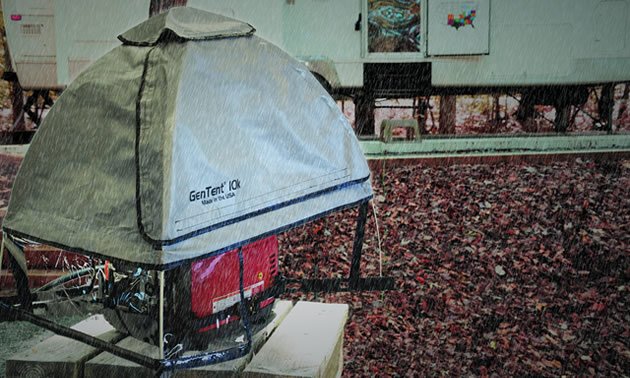
Taking safety precautions is crucial. Never run a generator in a wet area unless it’s designed for that purpose. Use a tarp or a generator tent if you need to protect it from rain. Just make sure that the vents remain unobstructed to allow proper airflow. Remember, your safety comes first. Consider investing in a waterproof enclosure if your generator will frequently face wet conditions. By understanding these aspects, you can ensure your generator operates effectively, even in less-than-ideal weather. What steps have you taken to protect your generator from the elements?Risks Of Using A Wet Generator
Using a wet generator poses serious risks. Water and electricity do not mix. Wet conditions can lead to dangerous situations.
Water can damage the generator’s components. This may cause malfunctions. It can also create safety hazards for users.
Electrical Shock Hazard
One major risk is electrical shock. Water can conduct electricity. A wet generator can expose users to high voltage. Touching a wet generator can lead to severe injuries.
Corrosion And Damage
Corrosion is another concern. Water can rust metal parts. This can shorten the generator’s lifespan. Frequent wet conditions may require costly repairs.
Fire Risks
Fire risks increase with wet generators. Water can cause short circuits. A short circuit can ignite flammable materials nearby. Safety measures are crucial to avoid fires.
Performance Issues
Wet conditions can affect performance. A generator may not run efficiently. Users may face power outages or inconsistent power supply. This can disrupt essential activities.
Warranty Void
Using a wet generator may void the warranty. Manufacturers typically exclude water damage. Users lose coverage for repairs or replacements. This adds financial risks.
Protecting Your Generator From Water
Generators can be damaged by water. Rain or splashes can lead to rust and electrical problems. Keep your generator dry to ensure it runs well and lasts longer. Use a waterproof cover or store it in a sheltered area during storms.
Protect your investment for reliable power when you need it.
Protecting your generator from water is essential for maintaining its performance and longevity. Water damage can lead to costly repairs and downtime, which is something no one wants to deal with. Taking proactive measures can save you from future headaches, ensuring your generator runs smoothly when you need it most.Using Weatherproof Covers
Investing in a weatherproof cover for your generator is a simple yet effective way to shield it from rain and moisture. These covers are designed to fit snugly over your generator, providing a barrier against water. Choose a cover made from high-quality, durable materials that resist water and UV rays. Check for features like ventilation to prevent condensation buildup, which can also harm your generator. Whenever possible, put the cover on your generator when it’s not in use. This small habit can make a big difference in protecting your investment.Setting Up A Dry Operating Area
Creating a dry area for your generator to operate can greatly reduce its exposure to water. If you can, position your generator under a canopy or in a shed. This not only keeps it dry but also offers added protection against wind and debris. Ensure the ground beneath your generator is solid and elevated. A raised surface prevents water from pooling around it during heavy rains. Think about using tarps or outdoor rugs as a temporary solution. Even a simple tarp can provide enough cover to keep your generator dry during unexpected downpours. How often do you think about the environment around your generator? Taking these protective steps can help extend its life and reliability.
Credit: www.gentent.com
Safe Handling During Wet Conditions
Generators can be dangerous in wet conditions. Water and electricity do not mix. Taking proper steps ensures safety. Here’s how to handle generators safely when it rains or in damp areas.
Inspecting For Water Damage
Check your generator carefully after it gets wet. Look for any signs of water damage. Pay attention to the electrical parts. Water can cause shorts and other issues.
Inspect the fuel tank and lines too. Make sure there are no leaks. Examine the oil levels and filters as well. Water can contaminate the oil, making it unsafe.
Ensure that all connections are dry. Disconnect the generator from the power source before inspection. This keeps you safe from electric shocks.
Shutting Down Before Maintenance
Always shut down the generator before any maintenance. This step is crucial for safety. Wait for it to cool down completely.
Disconnect the spark plug to prevent accidental starts. This simple action protects you during repairs. Avoid working on a wet generator as much as possible.
Dry off any wet surfaces before touching them. Use a clean cloth to remove moisture. This helps prevent slips and falls.
What To Do If Your Generator Gets Wet
Generators can get wet from rain or spills. Wet generators can be dangerous. Follow these steps to keep safe. Make sure the generator is dry before using it again. Here are some tips for drying, cleaning, and checking your generator.
Drying And Cleaning Tips
Start by turning off the generator. Unplug all devices connected to it. Move the generator to a dry area. Let it sit for a few hours. This allows water to evaporate. You can use towels to wipe the outside. Do not use a hairdryer or heat gun. These can damage the generator.
Check the air filter. Remove it if it’s wet. Let it dry completely before putting it back. Clean the exterior with a damp cloth. Avoid using soap or harsh cleaners. They can harm the generator’s surface.
Checking Electrical Components
After drying, inspect the generator’s electrical parts. Look for any signs of water damage. Check the outlets and plugs carefully. Ensure they are dry and free from debris. Use a multimeter to test for continuity.
Examine the battery connections. Make sure they are clean and tight. If you see corrosion, clean it gently. Wait for at least 24 hours before starting the generator. This ensures all parts are dry.
Preventing Accidents And Hazards
Generators are useful tools, especially during power outages. However, water exposure can lead to serious accidents and hazards. Understanding how to prevent these risks is essential for your safety and the longevity of your equipment.
Avoiding Shock Risks
Water and electricity do not mix. If your generator gets wet, the risk of electric shock increases significantly. Always position your generator on dry ground and away from direct rain or water sources.
In my own experience, I learned this lesson the hard way. During a heavy storm, I placed my generator too close to a puddle. The result? A shocking reminder to always check my setup before starting the machine.
Use a generator cover or tarp to shield it from rain. Ensure the cover is securely fastened to prevent water from seeping in. Regularly inspect your generator for any signs of water damage, as this can lead to further hazards.
Ensuring Proper Grounding
Grounding your generator correctly is crucial. A well-grounded generator minimizes the risk of electrical shock and equipment damage. Use a grounding rod and connect it to your generator to create a safe path for any stray electricity.
Check local regulations regarding grounding requirements. They can vary based on location and generator type. Always follow these guidelines to stay safe.
Consider using a ground fault circuit interrupter (GFCI) outlet. This device detects ground faults and cuts off the power supply instantly. It’s an extra layer of safety that can prevent accidents.
Have you ever thought about how easily a little water can turn into a big problem? Keeping your generator dry and properly grounded can save you from dangerous situations.
Generator Placement For Safety
Place generators away from water sources. Keep them dry to prevent damage and ensure safety. Wet generators can cause electrical hazards. Always use a covered area or a waterproof cover to protect your generator from rain. Safety first when it comes to generator placement.
Generator placement is crucial for ensuring safety and optimal performance. If your generator gets wet, it can lead to serious malfunctions or even pose a fire hazard. Selecting the right location can protect both your equipment and your property.Elevating In Flood-prone Areas
If you live in a region prone to flooding, elevating your generator is essential. Placing it on a raised platform can prevent water damage during heavy rains or storms. Consider building a sturdy, elevated base using concrete blocks or a wooden platform. This small step can save you from costly repairs and ensure your generator remains functional when you need it most. Have you thought about how high your generator should be? Aim for at least a foot above ground level to minimize the risk of water exposure.Choosing The Right Distance From Structures
Positioning your generator at a safe distance from your home and other structures is crucial. Keep it at least 5 to 10 feet away to avoid carbon monoxide buildup. This distance not only enhances safety but also allows for better airflow, which keeps the generator cool during operation. If you have any combustible materials nearby, increase that distance. It’s better to be safe than sorry when it comes to fire hazards. Where do you currently keep your generator? Evaluate its location and consider making adjustments for improved safety.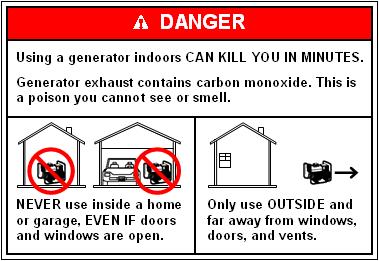
Credit: www.gentent.com
Maintenance Practices For Long-term Safety
Generators can be damaged if they get wet. Regular checks can prevent this issue. Keep generators covered and away from rain to ensure safe and reliable operation. Proper maintenance helps protect against water damage and extends the life of the equipment.
Maintaining your generator is crucial for long-term safety, especially if it has been exposed to wet conditions. Regular upkeep not only extends the life of the unit but also ensures it operates efficiently when you need it most. Let’s dive into some essential maintenance practices that can help keep your generator in top shape.Regular Inspections
Conducting regular inspections is vital for identifying potential issues early. Start by checking the external casing for any signs of rust or corrosion. A simple visual inspection can reveal problems before they escalate. Make it a habit to look at the fuel and oil levels. Low levels can cause your generator to work harder, leading to wear and tear. Clean any debris around the unit to prevent it from entering the engine. Consider setting a schedule for these inspections. Monthly checks can significantly reduce the risk of malfunction during critical times. Have you ever faced a power outage only to find your generator isn’t ready? Regular inspections can help you avoid that stressful situation.Replacing Worn Components
Components wear out over time, especially after exposure to moisture. Pay attention to parts like spark plugs, air filters, and fuel lines. These are essential for your generator’s performance. If you notice any signs of wear, replace them promptly. For instance, a worn spark plug can lead to starting issues or poor fuel efficiency. Keeping spare parts on hand can save you time and hassle. Don’t forget to consult the user manual for specific replacement intervals. Following these guidelines ensures your generator is always in peak condition. Have you checked your parts lately? Regular replacement can make a significant difference in performance and safety.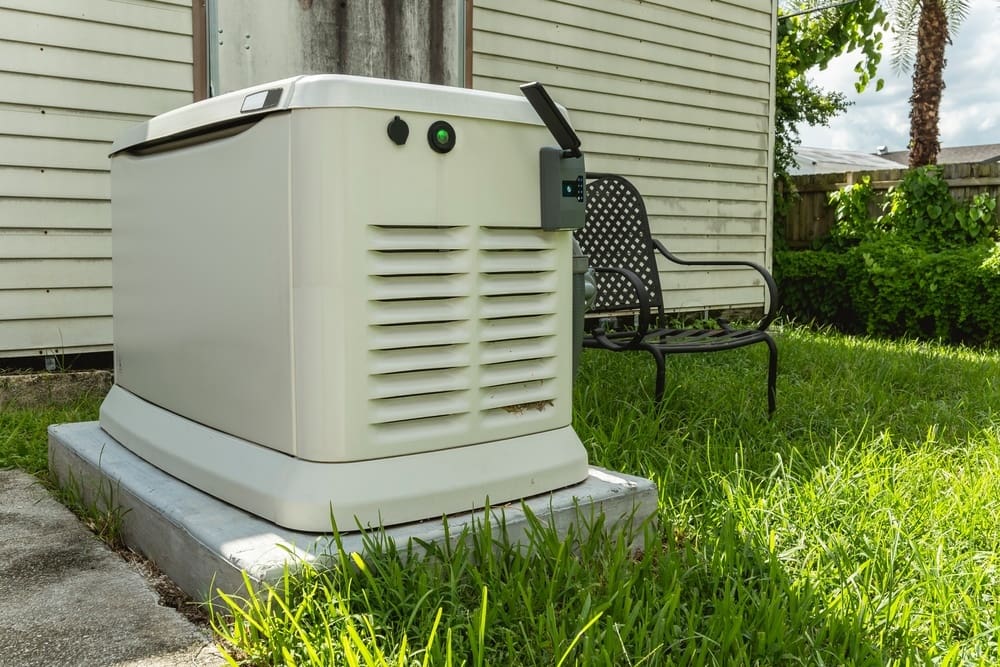
Credit: myreliablepower.com
Frequently Asked Questions
Can Generators Be Used In The Rain?
Using generators in the rain is not recommended. Water exposure can cause electrical shorts and damage the unit. Always place your generator under a shelter or use a protective cover. This ensures safety and prolongs the life of your generator.
What Happens If A Generator Gets Wet?
If a generator gets wet, it may short circuit and become inoperable. Water can damage the electrical components, leading to costly repairs. It’s crucial to dry the generator thoroughly before attempting to restart it. Preventive measures, like using a rain cover, can help avoid this situation.
How To Protect A Generator From Rain?
To protect a generator from rain, use a waterproof cover or tent. Ensure proper ventilation to avoid overheating. Elevating the generator on a platform can also keep it dry. Regular maintenance checks will help identify any potential issues caused by moisture exposure.
Is It Safe To Use A Wet Generator?
Using a wet generator is not safe. Water can create electrical hazards, posing risks of shock or fire. Always ensure that the generator is completely dry before use. If it gets wet, allow it to dry out fully and inspect for damage first.
Conclusion
Generators can handle some moisture, but caution is key. Always keep your generator dry to ensure safe operation. Wet conditions can lead to issues and potential hazards. Use a cover or store it indoors during rain. Regular maintenance helps keep it in good shape.
Understanding these tips protects your investment. Stay safe while enjoying the benefits of your generator. Remember, a little care goes a long way. Keep your generator running smoothly and efficiently.