
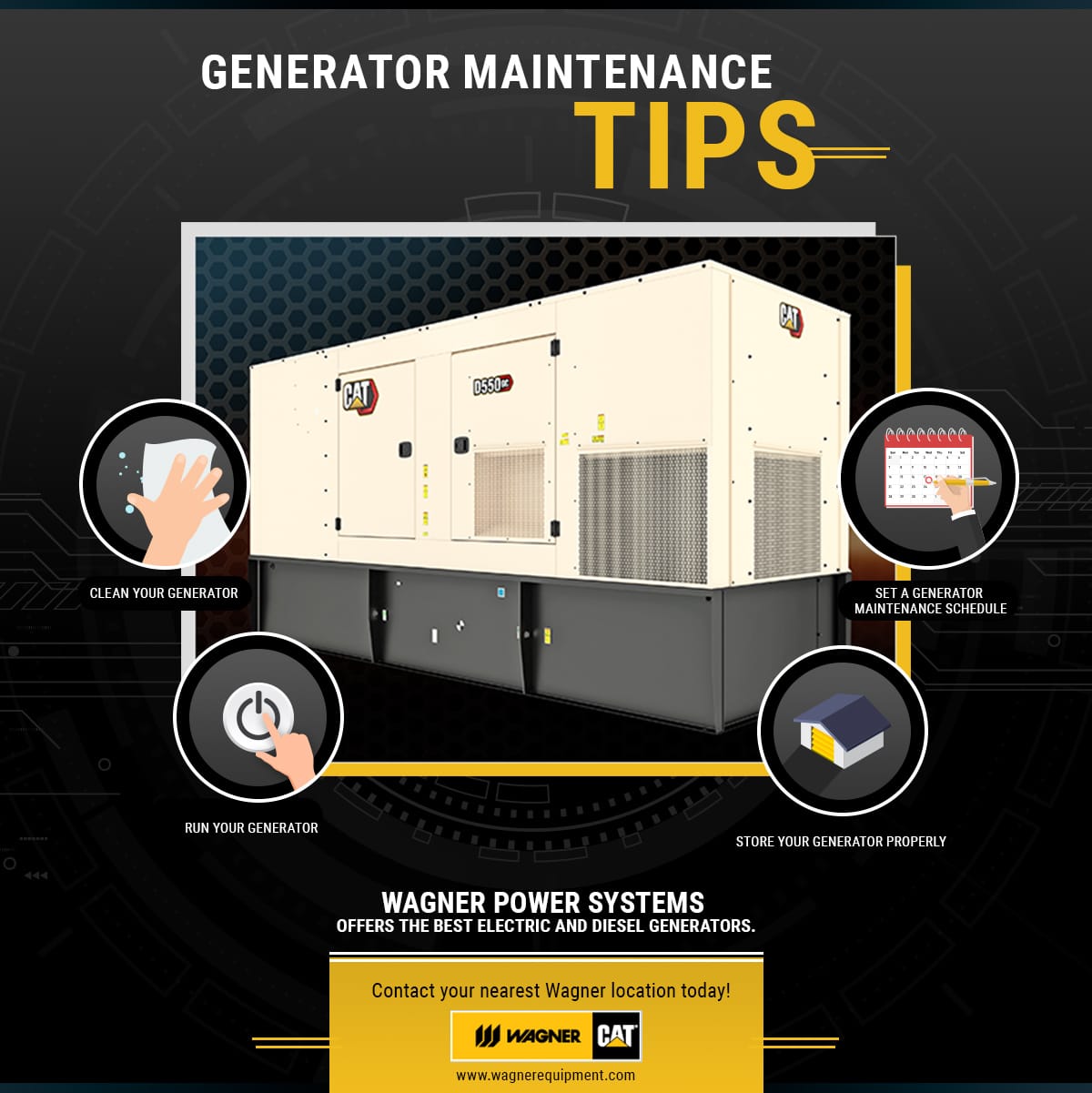
If you own a generator, you know how crucial it is for keeping your home running smoothly during power outages. But have you thought about how to keep your generator in top shape?
Regular maintenance is the key to ensuring your generator works when you need it most. Neglecting it could lead to costly repairs or even total failure when you rely on it the most. You will discover essential generator maintenance tips that can extend the life of your equipment and save you money in the long run.
From simple checks to more in-depth procedures, these tips are easy to follow and will give you peace of mind. Don’t wait until a power outage strikes—take control of your generator’s health today. Keep reading to learn how to ensure your generator is always ready to go!
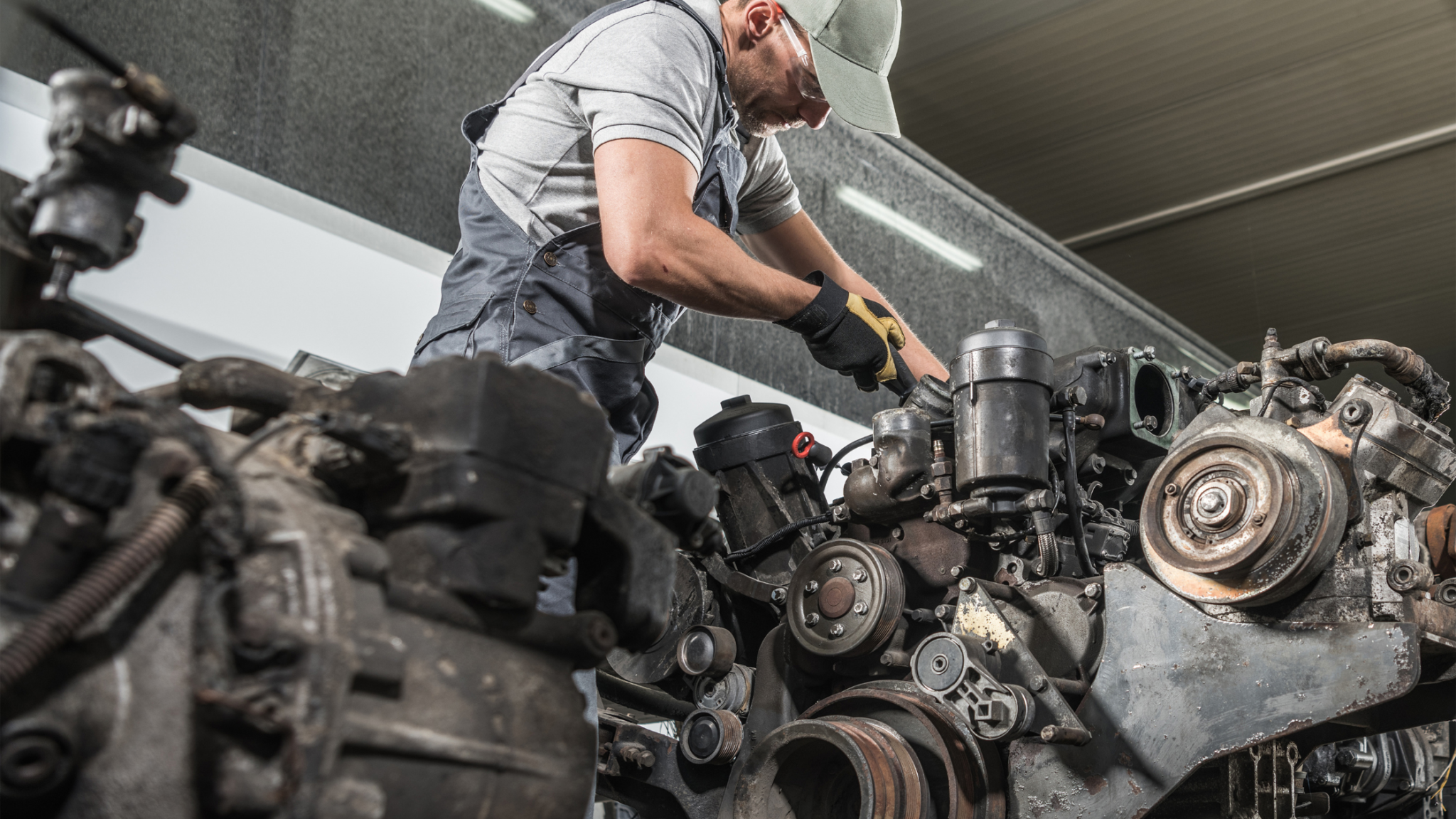
Credit: csdieselgenerators.com
Importance Of Regular Maintenance
Regular maintenance of generators is essential for their performance and longevity. Simple tasks like checking oil levels and replacing filters can prevent costly repairs. Keeping up with maintenance ensures your generator runs smoothly when you need it most.
Regular maintenance of your generator is not just a good idea; it’s essential for reliable performance. Neglecting this task can lead to unexpected breakdowns when you need your generator the most. Imagine being in the middle of a storm, and your generator fails because you overlooked a simple maintenance task.Maximizing Lifespan
Maintaining your generator ensures it lasts longer. Routine checks can identify minor issues before they become major problems. You’ll save money in the long run by avoiding costly repairs. – Change the oil regularly to keep the engine running smoothly. – Replace air filters to maintain efficiency. – Inspect fuel lines to prevent leaks or blockages. These small tasks can significantly extend your generator’s lifespan.Ensuring Reliability
A well-maintained generator provides peace of mind. You can rely on it during power outages, knowing it’s in good shape. Have you ever had a generator fail during a critical moment? I once experienced a blackout during a family gathering. Our generator sputtered and died because we hadn’t checked the oil levels. We missed out on a fun night, and it taught me the importance of regular checks.Improving Efficiency
Routine maintenance keeps your generator operating at peak efficiency. A clean, well-tuned machine consumes less fuel and produces more power. Consider these tips: – Regularly check fuel quality to avoid using stale fuel. – Clean the spark plugs to ensure a strong start. – Test the battery to prevent surprises. These steps can help you get the most out of your generator, both in performance and fuel economy.Safety First
Neglecting maintenance can lead to hazardous situations. Faulty generators can produce dangerous carbon monoxide. Regular checks reduce the risk of accidents and ensure safe operation. – Always check for gas leaks. – Inspect exhaust systems for blockages. – Use the generator in well-ventilated areas. Safety should always be a top priority when using your generator. Regular maintenance is not just a chore; it’s a necessity. What steps will you take today to ensure your generator is ready for anything?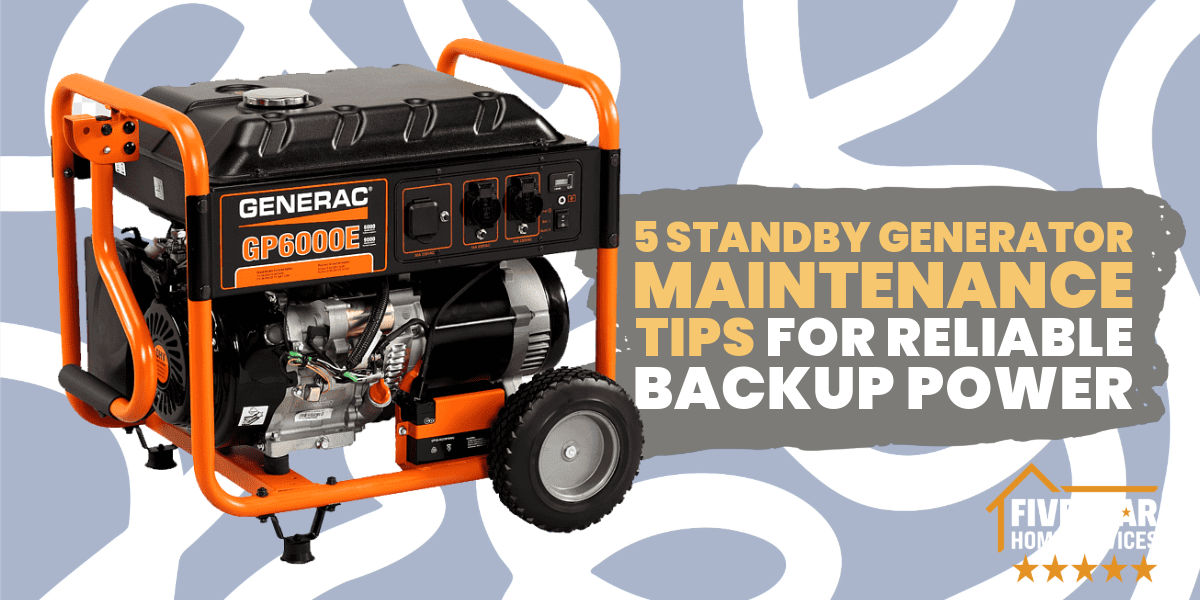
Credit: www.myfivestarhomeservices.com
Inspecting Key Components
Inspecting key components is essential for generator maintenance. Check the oil level, air filter, and fuel system regularly. Clean or replace parts as needed to ensure your generator runs smoothly and lasts longer. Keep an eye on these details for better performance.
Inspecting key components of your generator is essential for ensuring its longevity and reliability. Regular checks can prevent costly repairs and keep your unit running smoothly when you need it most. Let’s dive into some important areas to inspect.Air Filters And Their Role
Air filters are often overlooked, yet they play a vital role in your generator’s performance. A clean filter allows for optimal airflow, which keeps the engine running efficiently. Replace or clean your air filter every 50 hours of operation or as recommended in the user manual. A clogged filter can lead to reduced power output and increased fuel consumption. Have you ever noticed how a dirty air filter can make a generator struggle? Regular checks can save you from unexpected shutdowns during critical moments.Checking Oil Levels
Oil is the lifeblood of your generator. Regularly checking oil levels ensures that the engine remains lubricated and operates smoothly. Make it a habit to check the oil before every use. Low oil levels can lead to overheating and severe engine damage. Use the dipstick to determine the oil level, and don’t forget to look for any signs of contamination. Fresh oil should be clear, not murky or gritty. Have you ever experienced an engine failure due to neglecting oil changes? Regular checks can prevent that scenario.Examining Spark Plugs
Spark plugs ignite the fuel-air mixture in your generator, making them crucial for performance. Worn or dirty spark plugs can lead to misfires and difficulty starting. Inspect them every 100 hours of use. Clean or replace them if you notice any signs of wear or buildup. A personal experience taught me that a simple spark plug change can bring a generator back to life. Have you checked your spark plugs lately? You might be surprised at the difference they can make.Monitoring Fuel Systems
The fuel system is another critical area to keep an eye on. Regularly inspect the fuel lines, filters, and tanks for leaks or clogs. Stale fuel can cause starting issues, so consider using fuel stabilizers if your generator sits unused for extended periods. Have you ever run out of fuel at the worst possible moment? Keeping your fuel system in check can prevent those frustrating scenarios. Regular monitoring can make all the difference in your generator’s reliability.Cleaning For Optimal Performance
Keeping your generator clean helps it work better. Dirt and debris can block air and fuel flow. Regular cleaning extends the life of your generator. Follow these tips for effective maintenance.
Removing Dirt And Debris
Start by turning off the generator. Wait for it to cool down completely. Use a soft brush to remove dust from the exterior. A vacuum can help clear away dirt in hard-to-reach spots.
Pay attention to the air filter. A clogged filter can reduce efficiency. Clean or replace it as needed. Check the fuel tank for any debris. Make sure it is clean before refilling.
Preventing Corrosion
Corrosion can damage your generator over time. Inspect metal surfaces for rust. Use a wire brush to remove any rust you find. Apply a protective coating to prevent future rust.
Keep battery terminals clean and free of corrosion. Use a mixture of baking soda and water for cleaning. Rinse with water and dry thoroughly.
Maintaining Ventilation
Good ventilation is key for your generator’s performance. Ensure that air vents are clear of blockages. Remove any leaves or dirt that can restrict airflow.
Check the surroundings of the generator. Keep at least three feet of space around it. This helps maintain proper air circulation.
Scheduling Routine Checks
Regular checks keep your generator running smoothly. They help find problems early. Scheduling these checks is essential for reliability. Break down the tasks by frequency. This will make it easy to manage.
Weekly Inspection Tasks
Every week, check the generator’s fuel level. Ensure it has enough fuel for operation. Inspect the oil level and add more if needed. Look for any signs of leaks or damage. Clean the air filter to ensure proper airflow. Check the battery connections for corrosion or looseness.
Monthly Maintenance Activities
Each month, test the generator to ensure it runs properly. Run it for at least 30 minutes under load. Check the coolant level and top off if low. Inspect all belts for wear and adjust tension if necessary. Clean the exterior and remove any debris around the unit.
Annual Servicing Recommendations
At least once a year, schedule a professional service. A technician can perform a thorough inspection. They will change the oil and replace the oil filter. Inspect the fuel system and clean as needed. Replace the air filter and spark plugs to keep it efficient.
Storing Generators Properly
Proper storage is key for your generator’s life. Good care helps prevent issues. Follow these tips for better storage practices.
Ideal Storage Conditions
Store your generator in a cool, dry place. Avoid areas with extreme temperatures. Humidity can cause rust and other damage.
Choose a well-ventilated space. Good air circulation keeps the generator safe. Avoid storing it in a tight, closed area.
Draining Fuel Before Storage
Fuel can go bad over time. Empty the fuel tank before storing. This helps prevent clogs and engine issues.
Run the generator until it runs out of fuel. This ensures the system is clear. If you must store fuel, use a stabilizer.
Protecting Against Moisture
Moisture can harm your generator. Use a waterproof cover for protection. This keeps out rain and humidity.
Check for leaks or cracks in the storage area. Seal any openings to prevent water entry. Regularly inspect the generator for signs of rust.

Credit: www.gastech-systems.com
Addressing Common Issues
Generator maintenance is key to keeping your power supply reliable. Regular checks can prevent common issues like fuel leaks and battery problems. Simple tasks, such as changing the oil and cleaning the filters, ensure your generator runs smoothly for years.
Maintaining your generator is essential for ensuring reliable power during outages. However, even with regular care, you may encounter common issues that can disrupt its performance. Addressing these problems quickly can save you time and money, and help keep your generator running smoothly.Dealing With Power Fluctuations
Power fluctuations can be alarming. If you notice your generator’s output voltage is unstable, check the fuel levels first. Low fuel can lead to inconsistent power. Next, inspect the battery connections. Loose or corroded connections can cause fluctuations. Tighten any loose wires and clean off corrosion with a wire brush. If the problem persists, consider the load your generator is handling. Overloading can cause power fluctuations as well. Make sure you’re not running too many high-wattage appliances simultaneously.Resolving Startup Problems
Startup issues can be frustrating, especially during emergencies. If your generator won’t start, start with the basics. Ensure that there is enough fuel and check the oil level. Listen for the sound of the starter motor. If it clicks but doesn’t turn over, the battery might be dead or weak. Jump-starting it could solve the issue. Sometimes, the problem lies in the spark plugs. Dirty or worn plugs can prevent ignition. Regularly check and replace them as needed to keep your generator ready for action.Handling Overheating
Overheating is a serious concern that can damage your generator. If you notice it shutting down unexpectedly, it’s time to investigate. First, ensure the air vents are clear of debris. Blocked vents restrict airflow, leading to overheating. Check the coolant levels, too. Low coolant can cause the engine to run hot. If levels are low, refill with the appropriate coolant as specified in your manual. Lastly, consider the environment where you’re operating your generator. High ambient temperatures can contribute to overheating. If you’re in a hot area, try running your generator in a shaded spot to help regulate its temperature. What common issues have you faced with your generator, and how did you resolve them? Your experiences could help others maintain their generators effectively.Using Quality Replacement Parts
Using quality replacement parts is essential for generator maintenance. Proper parts help ensure your generator runs smoothly. They also extend the life of your equipment. Choosing the right components can save you time and money.
Choosing Genuine Components
Genuine components are made specifically for your generator model. They fit perfectly and perform well. Using these parts keeps your generator in good shape. They are often more reliable than generic parts. Genuine components also come with warranties. This gives you peace of mind.
Avoiding Counterfeit Products
Counterfeit products can harm your generator. They may not fit correctly or work as needed. These parts can break easily and cause more damage. Look for signs of authenticity. Check packaging and labels carefully. Avoid buying from unknown sources.
Tips For Finding Reliable Suppliers
Finding reliable suppliers is crucial for quality parts. Start by checking online reviews. Read what other customers say about their experiences. Ask for recommendations from friends or professionals. Visit local stores that specialize in generators. Ensure they offer genuine parts. Trustworthy suppliers will provide clear information and support.
Leveraging Professional Help
Keeping your generator in good shape is important. Professional help can ensure it runs well. Regular check-ups and maintenance can prevent problems and extend its life. Trusting experts can save you time and stress.
Leveraging professional help for generator maintenance can save you time, money, and stress. While regular upkeep is essential, some tasks require specialized knowledge. Understanding when to call a technician can keep your generator running smoothly and extend its lifespan.When To Call A Technician
Not every maintenance task is DIY-friendly. If you notice unusual noises, persistent warning lights, or leaks, it’s time to reach out for help. You should also consider calling a technician if your generator fails to start or runs inconsistently. These issues can indicate deeper problems that might worsen if left untreated. Regularly scheduled inspections by a professional are beneficial as well. Aim for at least once a year to catch potential issues before they escalate.Benefits Of Expert Inspections
Hiring a technician for inspections provides peace of mind. They have the training to identify issues that may not be obvious to you. Their expertise can reveal small problems before they evolve into significant repairs. Additionally, professionals use advanced tools and techniques. They can perform comprehensive checks that cover all components, ensuring your generator operates at peak efficiency. A technician can also provide you with tailored advice on maintenance best practices. This knowledge can help you manage your generator effectively and prolong its life.Cost Vs. Long-term Savings
Investing in professional help may seem costly upfront. However, it can save you significant money in the long run. Consider the expenses associated with major repairs or even replacing a generator. These costs can quickly add up, especially if issues are left unaddressed. Regular professional maintenance can enhance efficiency, reducing fuel consumption. It can also prevent breakdowns that disrupt your home or business, saving you time and inconvenience. How much is your peace of mind worth? Investing in expert help today can lead to substantial savings tomorrow.Frequently Asked Questions
How Often Should I Perform Generator Maintenance?
Regular generator maintenance should be conducted every six months. This ensures optimal performance and longevity. Additionally, before seasonal use, conduct a thorough check. Pay attention to fuel, oil levels, and battery conditions. Consistent maintenance helps prevent unexpected breakdowns and costly repairs.
What Are The Signs Of Generator Problems?
Common signs of generator problems include unusual noises, difficulty starting, and reduced power output. Other indicators may be leaking fluids or warning lights on the control panel. If you notice any of these issues, it’s crucial to address them immediately.
Early detection can save you from more significant issues later.
Can I Perform Generator Maintenance Myself?
Yes, you can perform basic generator maintenance yourself. Tasks like changing the oil, replacing filters, and checking fuel levels are manageable. Always refer to the manufacturer’s manual for specific guidelines. However, complex repairs should be handled by professionals. This ensures safety and proper functionality of your generator.
What Tools Do I Need For Generator Maintenance?
Essential tools for generator maintenance include a wrench set, screwdrivers, and an oil filter wrench. A multimeter can help check electrical systems, while a fuel stabilizer can maintain fuel quality. Safety gear like gloves and goggles is also recommended. Having the right tools ensures an efficient maintenance process.
Conclusion
Proper generator maintenance keeps your device running smoothly. Regular checks save you time and money. Clean filters and change oil as needed. Inspect fuel lines and connections frequently. These small steps make a big difference. A well-maintained generator lasts longer and performs better.
Stay safe and prepared for any situation. Follow these tips to ensure your generator works when you need it most. Keep your power source reliable and efficient. Simple care goes a long way. Your efforts today will pay off tomorrow.