

When it comes to keeping your home powered during an outage, where you place your generator can make all the difference. You might think any spot in your yard will do, but the truth is, the right placement is crucial for safety, efficiency, and even your neighbors’ peace of mind.
If you want to avoid carbon monoxide risks, meet local codes, and get the most from your investment, you need to know exactly where and how to set up your generator. Keep reading, because you’ll discover clear, simple guidelines to help you find the perfect spot for your generator—so you can stay powered up and worry-free no matter what.
Credit: www.gentent.com
Types Of Generators
Generators come in different types. Each serves a unique purpose for power needs.
Choosing the right type depends on power requirements and location. Understanding these types helps place the generator safely and effectively.
Portable Generators
Portable generators are small and easy to move. They run on gasoline, propane, or diesel. These generators are best for temporary power needs.
Place portable generators outdoors only. They produce carbon monoxide, which is dangerous indoors. Set them on a flat, non-combustible surface like concrete or asphalt.
Keep them away from windows, doors, and vents. Direct the exhaust away from the house. Never run a portable generator in enclosed spaces.
Standby Generators
Standby generators are permanently installed outside a home or business. They run on natural gas or propane. These generators start automatically during a power outage.
Placement must follow local codes and regulations. Installers should ensure proper distance from doors and windows. Good ventilation is critical to prevent overheating.
Clearance around the unit helps maintain airflow. This keeps the generator running safely and efficiently.
Inverter Generators
Inverter generators are quiet and fuel-efficient. They provide clean power, ideal for sensitive electronics. These units are smaller and lighter than standby generators.
Use inverter generators outdoors on stable, level ground. Keep exhaust directed away from living areas. They are suitable for camping, small homes, and outdoor events.
Diesel Generators
Diesel generators are powerful and durable. They are common in commercial and industrial settings. These generators run on diesel fuel and offer long run times.
Place diesel generators on a solid, level surface with good ventilation. Keep them away from flammable materials. Regular maintenance is important for safe operation.
Safety Distances
Maintaining proper safety distances is crucial when placing a generator. Safety distances prevent hazards like fire, carbon monoxide poisoning, and equipment damage. These clearances ensure good airflow and reduce risks to people and property.
Generators produce heat and exhaust gases. Keeping a safe distance helps these gases disperse safely. It also allows space for maintenance and emergency access. Ignoring safety distances can lead to dangerous situations.
Distance From Buildings
Generators should be placed at least 5 feet away from walls, doors, and windows. This distance stops exhaust fumes from entering the house. It also reduces the risk of fire spreading to the structure. Check local codes for specific distance rules.
Direction Of Exhaust
Always position the generator so the exhaust faces away from the home. Aim exhaust gases toward open air, not vents or people areas. This prevents carbon monoxide from entering living spaces. Use barriers or screens if needed to guide airflow.
Surface And Stability
Place the generator on a flat, stable surface like concrete or asphalt. Avoid grass, dirt, or wooden decks that may catch fire. A solid base keeps the generator steady and reduces vibration damage. It also prevents fuel leaks from contaminating soil.
Avoid Enclosed Spaces
Never run a generator inside garages, sheds, or basements. Enclosed spaces trap toxic fumes and increase fire risk. Always install generators outdoors in open areas with good ventilation. Use protective covers designed for outdoor use.
Exhaust Direction
The direction of a generator’s exhaust plays a key role in safe placement. Exhaust gases contain harmful carbon monoxide. This gas is colorless and odorless, making it very dangerous. Proper exhaust direction helps prevent gas from entering your home or nearby buildings.
Placing the generator with the exhaust facing away from windows, doors, and vents is essential. This reduces the risk of fumes entering living spaces. It also protects family members and pets from inhaling toxic gases. Planning exhaust direction carefully improves safety and comfort around your home.
Positioning The Exhaust Away From Openings
Keep the exhaust pipe pointed away from all building openings. Windows, doors, and air vents must not face the exhaust. This prevents harmful gases from drifting inside. A gap of several feet between the exhaust and openings works best. Never point the exhaust toward areas where people gather.
Considering Wind Direction
Observe the usual wind direction on your property. Position the exhaust so the wind carries fumes away from your home. This helps disperse gases safely. Avoid placing the exhaust where wind might push fumes toward neighbors or public spaces.
Using Exhaust Extensions Or Redirectors
Exhaust extensions help direct gases farther from the generator. They allow more flexibility in placement. Extensions must be installed securely to avoid leaks. Use heat-resistant materials to handle the hot gases. Redirectors can also help guide exhaust around obstacles or tight spaces.
Compliance With Local Safety Codes
Local building codes may set rules for exhaust direction. These codes protect your safety and your neighbors’. Check with local authorities or installers before final placement. Following codes avoids fines and ensures safe operation. Proper exhaust direction is part of legal and safe generator use.
Surface Requirements
Choosing the right surface for your generator is vital. A proper surface supports the generator’s weight and ensures safe operation. It also prevents damage and extends the generator’s life.
A good surface must be stable and level. Uneven ground can cause the generator to tip or vibrate excessively. This can lead to mechanical problems or unsafe conditions.
Stable And Level Surface
The generator needs a flat, steady base. Concrete slabs or thick asphalt are ideal. Avoid soft soil, grass, or gravel. These surfaces can shift or sink over time.
Non-combustible Material
Place the generator on surfaces that do not catch fire. Concrete, stone, and asphalt work best. Wood or dry leaves pose fire risks and should be avoided.
Drainage And Weather Protection
Choose a location where water will not pool. Standing water can damage the generator’s electrical parts. Slightly sloped surfaces help water run off quickly.
Clearance For Ventilation
Leave space around the generator for airflow. Proper ventilation prevents overheating. It also directs exhaust gases safely away from buildings.
Ventilation Needs
Proper ventilation is crucial for generator placement. Generators produce heat and exhaust gases. Without good airflow, these gases can build up and become dangerous. Proper ventilation keeps the generator cool and prevents carbon monoxide buildup.
Both portable and standby generators need enough space for air to flow freely. This space allows hot air to escape and fresh air to enter. It also helps the engine run efficiently and safely.
Ventilation For Portable Generators
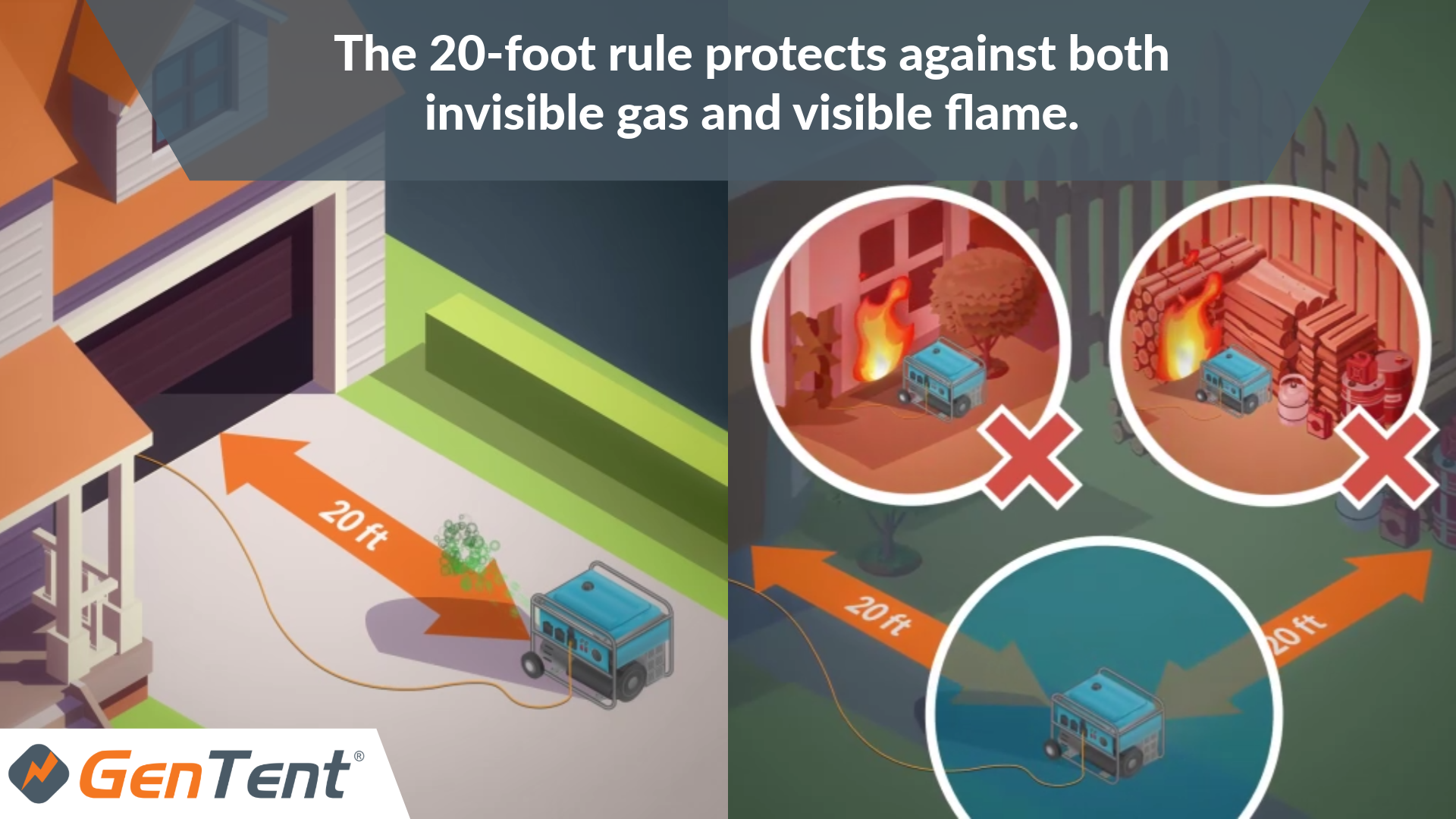
Portable generators must always be used outdoors. Never run them inside garages, basements, or enclosed spaces. These areas trap toxic exhaust gases. Place the generator at least 20 feet away from windows and doors. Point the exhaust away from the home.
Ventilation For Standby Generators
Standby generators require clear space around them. Local building codes often specify the minimum distance. This space allows air to circulate and cool the unit. It also prevents exhaust from entering the home. Keep vents and intake areas free from obstructions like plants or debris.
Signs Of Poor Ventilation
Watch for excessive heat around the generator. Notice if exhaust smells linger near your home. These signs mean airflow is blocked. Blocked ventilation risks carbon monoxide poisoning and equipment damage. Adjust placement to improve air movement immediately.
Local Codes And Regulations
Local codes and regulations play a key role in deciding where to place a generator. These rules protect people and property from hazards. They also ensure the generator works safely and efficiently.
Each city or county may have different laws. These rules cover how far the generator must be from buildings, property lines, and other structures. Following these codes is not optional. It is the law and helps avoid fines or forced relocation.
Understanding Distance Requirements
Most local codes specify a minimum distance between the generator and any building. This distance prevents fire risks and reduces noise impact. It also keeps exhaust fumes away from doors and windows.
For example, a common rule states placing the generator at least five feet from the house. Check your local regulations to find the exact distance needed in your area.
Placement Near Property Lines
Generators often must be placed a certain distance from property lines. This rule protects neighbors from noise and fumes. It also prevents disputes over generator placement.
Local codes may require a setback of ten feet or more from property boundaries. Confirm these details with your local building department before installation.
Clearance For Ventilation And Safety
Proper ventilation is crucial for safe generator operation. Local codes may require specific clearances around the unit. This helps exhaust gases to dissipate and prevents overheating.
Rules also forbid placing generators in enclosed spaces like garages or sheds. These areas can trap dangerous carbon monoxide gas. Always follow clearance rules to keep your home safe.
Proximity To Utilities
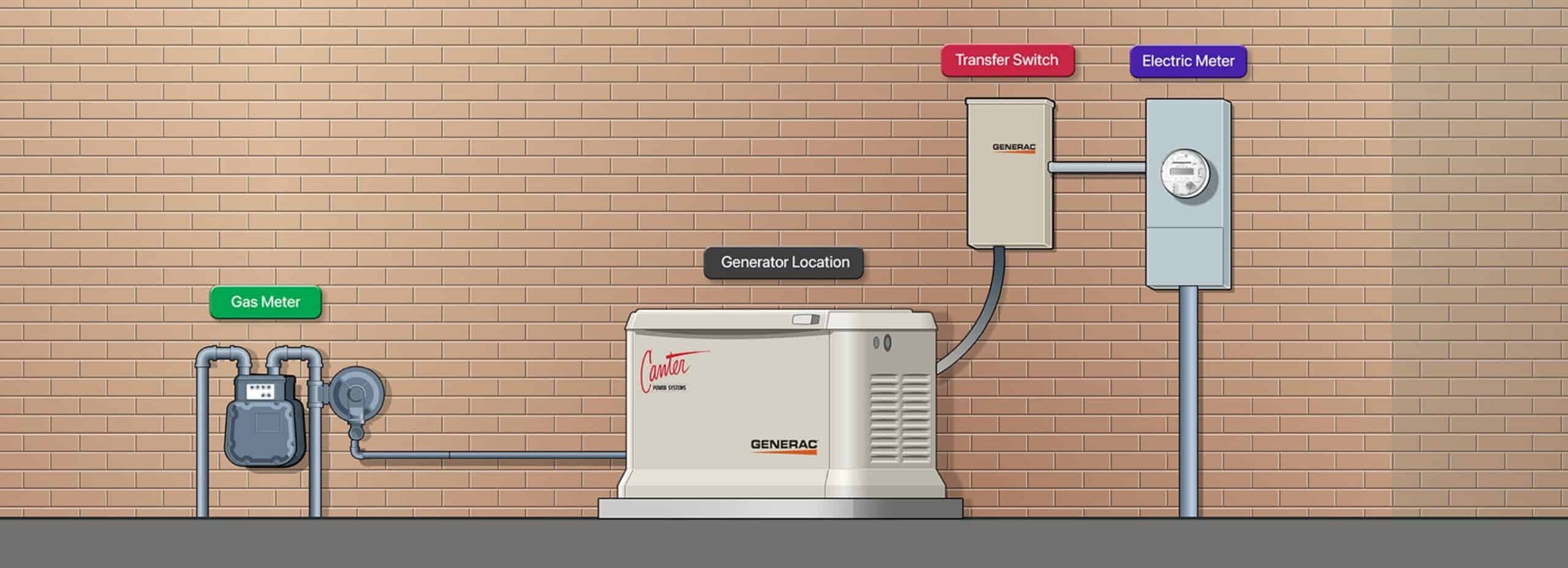
Choosing the right spot for your generator depends heavily on its proximity to utilities. Placing a generator near utilities like electrical panels, fuel lines, and water sources makes installation easier and safer. It also reduces the cost of extra wiring or piping. Proper placement helps ensure efficient power distribution and quick fuel supply during outages.
Keep in mind that being close to utilities means easier maintenance and faster repairs. This reduces downtime and keeps your home or business powered. Careful planning of generator placement near utilities minimizes risks and improves overall system performance.
Electrical Panel Access
Locate the generator close to the main electrical panel. This reduces the length of wiring needed. Shorter wires mean less voltage drop and better power efficiency. It also lowers installation costs and complexity. Easy access to the panel helps during maintenance or emergencies.
Fuel Supply Connection
Generators often run on natural gas, propane, or diesel. Position the generator near the fuel source to simplify connections. This reduces the risk of leaks and fuel line damage. A shorter fuel line also ensures steady fuel flow. Avoid sharp bends or long runs in fuel lines.
Water And Drainage Utilities
Some generators require water for cooling or have drainage needs. Place the generator near water lines or drainage systems if necessary. Proper drainage prevents water buildup around the unit. This protects the generator from damage and maintains safe operation.
Noise And Neighbor Impact
Noise from generators can affect your comfort and disturb neighbors. Proper placement reduces sound impact and keeps peace. Planning generator location carefully helps manage noise levels effectively.
Choosing A Quiet Location
Place the generator away from windows and outdoor seating areas. Noise spreads less when the generator is behind walls or fences. Natural barriers like trees also help block sound.
Using Sound Barriers
Install fences or walls made of wood or concrete around the generator. These barriers absorb and block noise from reaching neighbors. Adding soundproof enclosures can reduce noise further.
Maintaining Distance From Neighbors
Keep the generator as far as possible from neighboring homes. Greater distance means less noise will travel. Check local rules for minimum distance requirements to avoid complaints.
Regular Generator Maintenance
Maintain your generator to keep it running smoothly and quietly. Clean parts and replace worn components to reduce noise. A well-maintained generator is less likely to cause disturbances.
Portable Vs Standby Placement
Choosing the right placement for your generator depends on the type you own. Portable and standby generators have different needs for safe and effective operation. Understanding these differences helps protect your home and family while ensuring reliable power.
Portable Generators
Place portable generators outdoors only. They emit carbon monoxide, a deadly gas. Keep them far from windows, doors, and vents. Direct the exhaust away from your house to prevent gas buildup.
Set the generator on a stable, flat surface like concrete or asphalt. Avoid placing it on grass or wood. Never run portable generators inside garages or sheds. These areas trap dangerous fumes and pose fire risks.
Standby Generators
Standby generators usually stay outside your home, connected permanently. Local codes often guide their placement, so check with a professional installer. These rules ensure safety and proper function.
Keep standby units a safe distance from doors, windows, and vents. Proper ventilation around the generator is essential. This prevents heat buildup and allows exhaust gases to disperse safely.
Place standby generators on firm, level bases. Concrete pads are common. This keeps the unit stable and protects it from moisture damage.
Credit: canterpowersystems.com
Installation Best Practices
Proper installation of a generator is crucial for safety and performance. Following best practices helps avoid hazards and ensures the generator works efficiently. This section covers key steps for a correct setup.
Choosing The Right Location
Select a dry, stable, and level surface for the generator. Avoid low areas where water can collect. The site should be free of debris and away from flammable materials.
Maintaining Safe Distance
Keep the generator at least 5 feet away from doors, windows, and vents. This prevents harmful exhaust gases from entering the home. Check local codes for specific distance requirements.
Ensuring Proper Ventilation
Install the generator in a well-ventilated area. Good airflow reduces heat and exhaust buildup. Never place the generator in enclosed or partially enclosed spaces.
Using Stable And Non-combustible Surfaces
Set the generator on concrete, asphalt, or other non-combustible materials. Avoid placing it directly on grass, soil, or wooden decks. This reduces fire risks and improves stability.
Following Electrical Safety Standards
Hire a licensed electrician for all wiring and connections. Use proper grounding and circuit breakers. Follow the manufacturer’s instructions and local electrical codes.
Protecting From Weather Elements
Use a canopy or shelter designed for generators to shield from rain and snow. Avoid fully enclosing the unit to maintain ventilation. Keep the area clear of ice and snow.

Credit: truegear.com.au
Frequently Asked Questions
Where Should A Generator Be Placed?
Place generators outdoors on a stable, level surface away from windows, doors, and vents. Maintain clearance for ventilation. Follow local codes and keep standby generators near utility connections for safety and efficiency. Never operate portable generators indoors or in enclosed spaces.
What Is The 20 20 20 Rule For Generators?
The 20 20 20 rule for generators means running the generator at 20% load for 20 minutes every 20 days to maintain performance and reliability.
What Is The Code For Generator Placement?
The code for generator placement requires a minimum 5-foot distance from structures. Place on stable, non-combustible surfaces, with exhaust directed away from openings. Follow local regulations and ensure proper ventilation and accessibility for electrical and fuel connections.
How Far From The Wall Should A Generac Generator Be?
Place a Generac generator at least 5 feet away from any wall. Ensure exhaust directs away from windows and vents for safety.
What Is The Best Location For Generator Placement?
Place generators outdoors on a flat, stable surface away from doors and windows.
How Far Should A Generator Be From The House?
Keep generators at least 5 to 10 feet away from your home for safety.
Can I Place A Generator Inside My Garage?
No, generators produce carbon monoxide and must never be used indoors or in enclosed spaces.
Why Is Exhaust Direction Important In Generator Placement?
Direct exhaust fumes away from windows, doors, and vents to prevent harmful gas buildup.
What Surface Is Ideal For Setting Up A Generator?
Use a level, non-combustible surface like concrete or asphalt to place your generator.
Are There Legal Rules For Generator Placement?
Yes, local codes often regulate placement; always check with a professional before installing.
Conclusion
Proper generator placement ensures safety and efficiency in power backup. Always choose a stable, open area away from doors and windows. Follow local codes and keep enough distance from your home and neighbors. Position the exhaust to blow away from living spaces.
Check ventilation to avoid overheating. Taking time to plan placement reduces risks and keeps your generator running smoothly. Simple steps make a big difference in safety and performance. Stay informed and place your generator wisely for peace of mind during outages.