
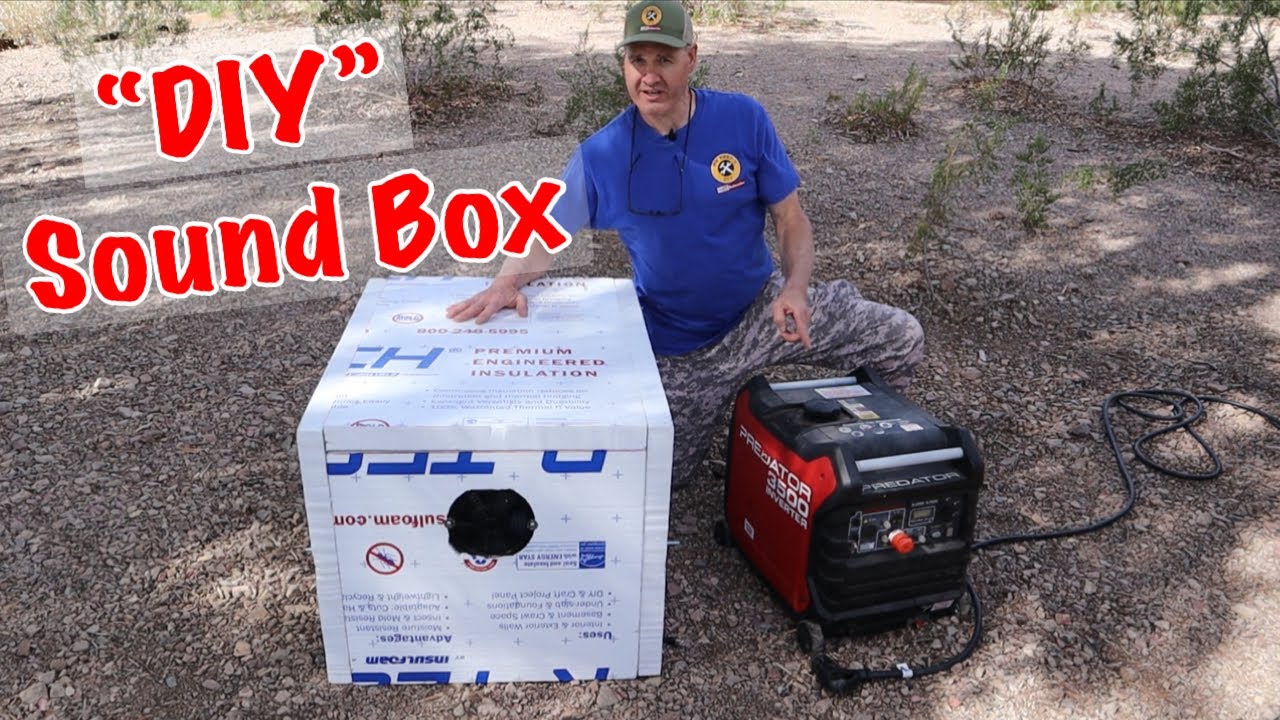
Are you tired of the disruptive noise from your generator? It can be incredibly frustrating when you’re trying to relax, work, or enjoy the outdoors.
Generator sound dampening can be the solution you need. By reducing the noise levels, you can create a more peaceful environment for yourself and those around you. Imagine enjoying your backyard barbecue or working on a project without the constant hum of your generator.
You’ll discover effective methods and tips to minimize generator noise, improve your comfort, and enhance your overall experience. Let’s dive in and explore how you can make your generator work for you—quietly.
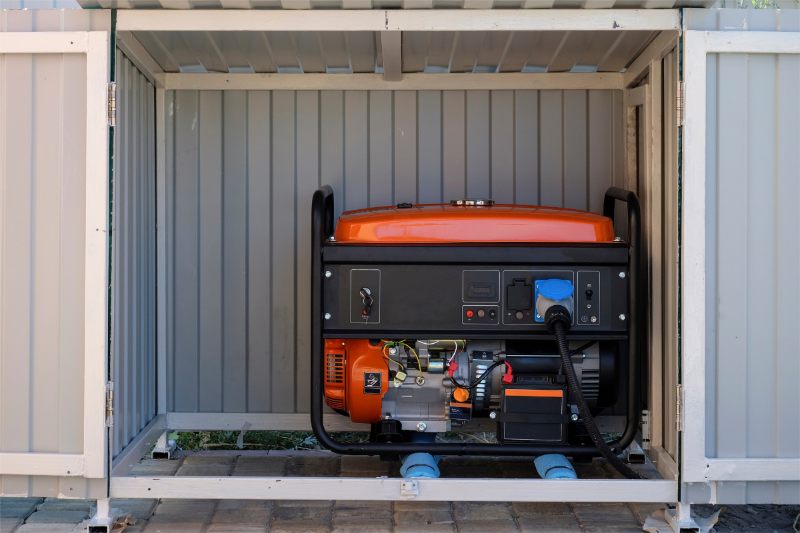
Credit: generator-pro.co.uk
Common Sources Of Generator Noise
Generator noise often comes from the engine, vibrations, and exhaust. These sounds can be loud and disruptive. Sound dampening helps reduce this noise, making generators quieter and more pleasant to use.
Understanding the common sources of generator noise is crucial for anyone looking to maintain a peaceful environment while using a generator. Noise can disrupt your daily activities or outdoor relaxation. Identifying these sources helps you target the right solutions for sound dampening.Engine Noise
The engine is the primary source of noise in any generator. It generates sound through combustion and mechanical operations. The louder the engine, the more it can disturb your peace. You might notice this noise is more pronounced when the generator is under heavy load.Exhaust Noise
Exhaust noise is another significant contributor. As the engine burns fuel, it releases gases that exit through the exhaust system. This process can produce a loud, rumbling sound. If you’ve ever stood near a running generator, you’ve likely experienced this firsthand. Using an exhaust silencer can help minimize this type of noise.Vibration Noise
Vibrations from the generator’s operation can create additional noise. These vibrations can travel through the ground and affect nearby surfaces. You may find that placing your generator on a rubber mat or platform can significantly reduce this issue. Have you considered how the surface your generator sits on influences noise levels?Cooling System Noise
The cooling system, including fans and coolant circulation, also contributes to generator noise. Fans can produce a constant whirring sound, which can be annoying in quiet settings. Regular maintenance of the cooling system can help keep noise levels down. Are you checking your generator’s cooling system regularly?Load Noise
The noise level can increase with the load on the generator. As you add appliances or tools, the generator works harder, leading to more noise. Consider what you plug in and how it affects your noise levels. Managing your load can help maintain a quieter operation. Understanding these common sources of generator noise empowers you to take action. Are you ready to make your generator experience more peaceful?Impact Of Generator Noise On Daily Life
Generator noise affects many aspects of daily life. It can disrupt peace and quiet. High noise levels can cause stress and annoyance. People often struggle to focus or relax when loud generators run nearby.
In homes, generator noise can interfere with conversations. It makes watching TV or listening to music difficult. Families may find it hard to enjoy time together. Noise can also disturb sleep, leading to tiredness and irritability.
Workplaces are not immune to the effects of generator noise. Employees may find it hard to concentrate. Poor focus can lead to mistakes and lower productivity. Meetings can become challenging, with voices drowned out by noise.
Outdoor activities also suffer from loud generators. Enjoying nature becomes harder. Sounds of birds or wind get lost in the noise. This can lessen enjoyment of parks or backyard gatherings.
Communities feel the impact too. Generators running constantly can reduce property values. Neighbors might complain, leading to conflicts. Maintaining a peaceful environment becomes a challenge.
Addressing generator noise is vital for a better quality of life. Finding ways to dampen the sound can restore peace. Solutions can help everyone feel more comfortable at home, work, and play.
Materials For Soundproofing
Generator sound dampening reduces noise effectively. Using materials like acoustic foam, mass-loaded vinyl, and soundproof blankets helps block sound. These options create a quieter environment, making them ideal for residential and commercial spaces. Soundproofing materials can significantly improve comfort and reduce disturbance.
Finding effective materials for soundproofing your generator can significantly reduce noise levels. Whether you’re looking for a peaceful backyard environment or trying to avoid disturbing neighbors, selecting the right materials can make a big difference. Let’s look at three key options to dampen that generator noise.Acoustic Foam Panels
Acoustic foam panels are popular for their sound-absorbing capabilities. They are designed to reduce echo and absorb sound waves, making them ideal for spaces where noise can bounce around. You can easily mount these panels on walls or ceilings. They come in various shapes and colors, allowing you to choose a style that fits your space. Plus, they are lightweight, making installation a breeze. Consider placing these panels around your generator area. You’ll notice a significant drop in noise levels, creating a more peaceful environment for you and your family.Mass Loaded Vinyl
Mass Loaded Vinyl (MLV) is another excellent choice for soundproofing. This heavy, flexible material adds mass to walls and barriers, effectively blocking sound transmission. MLV can be wrapped around your generator or used as a barrier between the generator and your living space. Its density is key to reducing noise, and it’s easy to cut and fit into any space. Think about using MLV if you’re looking for a durable solution. It can withstand the elements, making it perfect for outdoor use.Soundproof Blankets
Soundproof blankets are versatile and easy to use. They are thick and heavy, designed to absorb sound and reduce noise levels effectively. Drape these blankets around your generator or hang them from a frame. They can be moved easily, making them a flexible option for sound dampening. If you’re hosting an outdoor event, you can quickly set up these blankets to minimize generator noise. Your guests will appreciate the quieter atmosphere. Choosing the right materials for soundproofing your generator is essential. Each option has unique benefits, and combining them can yield even better results. What materials are you considering to create a quieter environment?Designing A Soundproof Enclosure
Creating a soundproof enclosure for your generator can greatly reduce noise. This project requires careful planning and execution. The right design makes a big difference.
Choosing The Right Location
Location is key for your enclosure. Place it away from living spaces. Find a spot with natural barriers like walls or trees. These can absorb sound effectively.
Consider the ground type too. A hard surface reflects sound. A soft surface, like grass, absorbs it. Aim for a flat area for stability.
Ventilation Considerations
Generators need air to run well. Ventilation is crucial for safety. Design vents that allow fresh air in. They should also let hot air escape.
Use soundproof vents to minimize noise. These can help control airflow without losing sound protection. Ensure vents are placed strategically for best performance.
Layered Insulation Techniques
Insulation plays a vital role in sound dampening. Use multiple layers to block noise effectively. Materials like foam, fiberglass, and mass-loaded vinyl work well.
Combine different materials for better results. Create a sandwich effect. This method traps sound between layers, reducing noise levels.
Seal all gaps tightly. Any openings can allow sound to escape. A well-insulated enclosure will keep noise contained.
Using Mufflers To Reduce Noise
Mufflers play a key role in reducing noise from generators. They help to quiet the sound, making it easier to work or relax nearby. Using a muffler can create a more peaceful environment while still providing the power you need.
Using a muffler on your generator can significantly reduce noise levels. This not only makes your environment more pleasant, but it also helps you comply with noise regulations in your area. If you’ve ever struggled to hear yourself over the roar of a generator, you know how vital this can be.Types Of Generator Mufflers
There are several types of mufflers available, each designed for specific applications.- Standard Mufflers:These are basic models that fit most generators. They reduce noise but may not eliminate it completely.
- High-Performance Mufflers:Designed for heavy-duty use, these mufflers provide superior sound reduction. They are perfect for construction sites or for use in residential areas.
- Resonator Mufflers:These work by manipulating sound waves to cancel out noise. They can be particularly effective but may require more complicated installation.
Installation Tips
Installing a muffler can be straightforward, but attention to detail is crucial.- Read the Manual: Always check the manufacturer’s guidelines for installation. Each model may have different requirements.
- Use the Right Tools: Ensure you have the necessary tools, like wrenches and screwdrivers, to make the process smoother.
- Check for Leaks: After installation, start the generator and listen for any unusual sounds. A leak can negate the benefits of your new muffler.
Positioning Your Generator Strategically
Finding the right spot for your generator is key. A good location can reduce noise and make your space more comfortable. Here are some tips to help you position your generator wisely.
Distance And Noise Reduction
The distance from your generator to your home matters. Place the generator at least 20 feet away from windows and doors. This distance helps lower the noise level inside.
Use natural barriers like trees or fences. These can absorb sound waves, cutting down on noise. Ensure you do not block air intake or exhaust vents. This keeps your generator running safely and efficiently.
Ground Padding For Vibration Control
Vibrations from your generator can cause noise. Use ground padding to help control this. Soft materials like rubber mats or carpet can reduce vibrations.
Place the generator on a stable, flat surface. This helps it run smoothly and quietly. Secure the generator to prevent movement. This keeps noise levels low and protects your unit.
Maintenance Tips For Quieter Operation
Maintaining your generator is key to ensuring a quieter operation. Regular upkeep not only extends its lifespan but also significantly reduces noise levels. Here are some effective maintenance tips to help you achieve a more peaceful environment while using your generator.
Regular Lubrication
Keeping your generator well-lubricated is essential for minimizing friction and noise. Use high-quality oil recommended by the manufacturer. Check the oil levels frequently and change the oil based on the usage hours.
During my last camping trip, I noticed that my generator was louder than usual. After checking the oil, I realized it was low. A quick top-up made a noticeable difference in sound levels. Don’t overlook this simple step!
Inspection Of Moving Parts
Regularly inspect the moving parts of your generator. Look for any signs of wear and tear, such as loose bolts or damaged belts. Tightening or replacing these components can significantly reduce vibrations and noise.
During a routine check, I found that a loose bolt was causing unnecessary rattling. After tightening it, the operation became much smoother. It’s small details like this that can lead to a quieter generator.
How often do you check the moving parts of your generator? Making this a regular part of your maintenance routine can keep your machine running efficiently and quietly.

Credit: www.secondskinaudio.com
Professional Solutions For Noise Reduction
Generator noise can be a big problem. It disrupts peace and quiet. Professional solutions can help you manage this issue. Experts use methods that reduce noise effectively. These methods keep your environment calm and comfortable.
Hiring Acoustic Experts
Acoustic experts know how to reduce sound. They assess your space and needs. Their experience helps them find the best solutions. They consider factors like layout and generator type. Working with them ensures effective noise control.
Experts can suggest materials to absorb sound. They may recommend soundproofing panels or barriers. These options can block and absorb noise. Hiring professionals saves time and effort. You can trust their knowledge and skills.
Customized Noise Control Systems
Every space is unique. Customized systems fit your specific needs. Acoustic experts design these systems based on your situation. They analyze sound levels and generator placement.
Custom systems may include sound barriers or enclosures. These options limit noise spread. Tailored solutions lead to better results. You enjoy a quieter environment with less hassle.
Investing in professional solutions pays off. You gain peace and quiet. This creates a better space for work or relaxation.
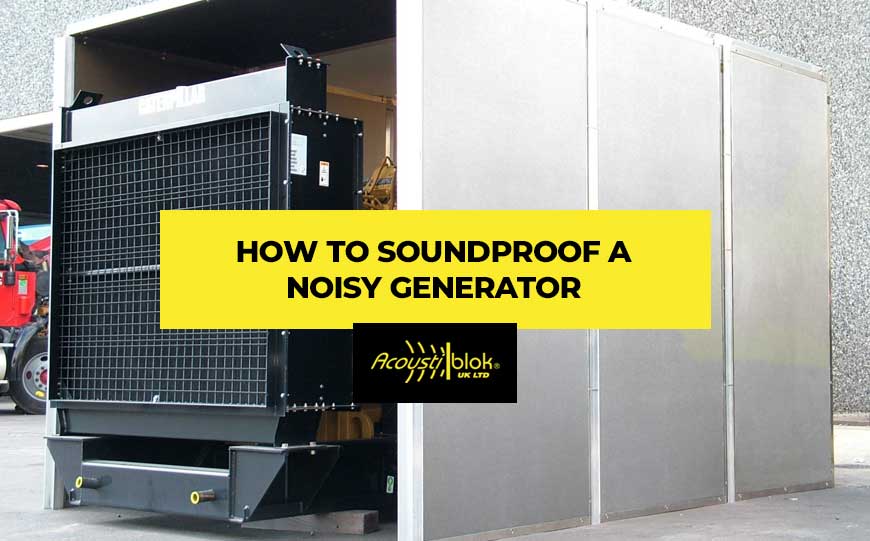
Credit: www.acoustiblok.co.uk
Frequently Asked Questions
How Can I Reduce Generator Noise?
To reduce generator noise, consider using soundproof enclosures or acoustic blankets. You can also place the generator on rubber mats to minimize vibrations. Additionally, keeping the generator away from living spaces and using mufflers can significantly lower noise levels. Regular maintenance also helps keep noise to a minimum.
What Are Effective Sound Dampening Materials?
Effective sound dampening materials include acoustic foam, mass-loaded vinyl, and soundproof curtains. These materials absorb sound waves and reduce noise transmission. Using dense materials like concrete or drywall can also help block sound. Incorporating these materials in your setup can significantly improve your generator’s noise level.
Do Soundproofing Kits Really Work?
Yes, soundproofing kits are effective in reducing noise. They typically include various materials designed to absorb sound and block noise transmission. When installed correctly, these kits can lower generator noise significantly. However, results may vary based on the specific materials used and installation quality.
Can I Build My Own Soundproof Enclosure?
Yes, you can build your own soundproof enclosure. Use soundproofing materials like foam and plywood for construction. Ensure proper ventilation to prevent overheating. Additionally, consider the generator’s size and accessibility for maintenance. A well-built enclosure can effectively dampen noise while keeping your generator safe.
Conclusion
Generator sound dampening is important for quiet enjoyment. It helps reduce noise and makes your environment more peaceful. Different methods exist for soundproofing your generator. Choose the right one based on your needs. Consider using soundproof boxes, barriers, or blankets.
Regular maintenance also plays a role in noise control. A quieter generator enhances comfort and reduces stress. Take steps today to improve your generator’s sound. Enjoy a more serene space with less noise. Your neighbors will appreciate it too. Invest in sound dampening for a better experience overall.