
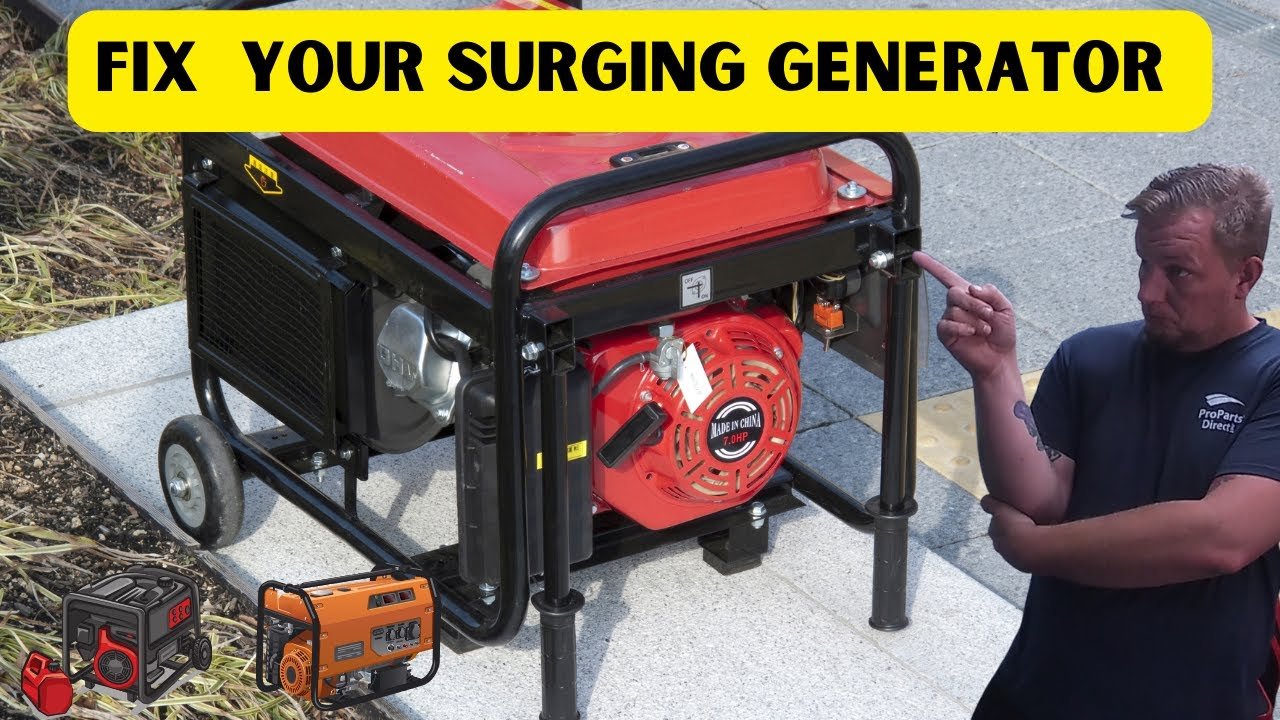
Have you noticed your generator making strange surging sounds? If so, you’re not alone.
This unsettling noise can be frustrating and concerning, especially when you rely on your generator for power. Understanding what causes these surging sounds is crucial for your peace of mind and your generator’s performance. We’ll explore the common reasons behind this issue and provide you with practical solutions to get your generator running smoothly again.
Don’t let these sounds keep you up at night—read on to discover how to troubleshoot and fix the problem effectively. Your generator’s reliability depends on it!
Causes Of Surging
Generator surging often stems from fuel issues, like low quality or dirty fuel. A clogged air filter can also cause this problem. Electrical load changes may create surging sounds as well, indicating the generator is struggling to keep up. Regular maintenance can help prevent these issues.
Understanding the causes of generator surging is crucial for maintaining its efficiency and longevity. Surging can lead to inconsistent power output and potential damage to your equipment. Let’s break down some common culprits behind this frustrating issue.Fuel System Issues
Fuel quality and delivery are essential for your generator’s performance. If your generator struggles to get the right amount of fuel, it may start to surge. Here are some common fuel system problems: – Clogged fuel filter: This can restrict the flow of fuel, causing surging. Regularly check and replace your fuel filter. – Dirty fuel lines: Contaminants in the fuel can accumulate in the lines. Ensure you use clean, high-quality fuel to minimize this risk. – Incorrect fuel type: Using fuel that doesn’t match your generator’s specifications can lead to poor performance. Always refer to your owner’s manual for guidance.Airflow Blockages
Airflow is vital for combustion. Any blockages can disrupt the fuel-air mix, leading to surging. Consider these factors: – Dirty air filter: A clogged air filter restricts airflow. Regular cleaning or replacement can prevent this issue. – Obstructed intake: Ensure there are no leaves, debris, or other obstructions around the generator’s intake. A clear path for air helps maintain stable operation. – Damaged ducts: Inspect the air ducts for any signs of damage or leaks. Fixing these can improve airflow and reduce surging.Electrical Problems
Electrical issues can also cause your generator to surge unexpectedly. A stable electrical supply is key to consistent performance. Watch out for: – Loose connections: Check all wiring and connections. Loose or corroded connections can lead to power fluctuations. – Faulty voltage regulator: This component regulates the voltage output. If it malfunctions, it can cause your generator to surge. – Worn out components: Regularly inspect your generator for worn electrical parts. Timely replacements can save you from bigger problems down the line.Engine Overload
Overloading your generator can lead to surging. It’s essential to know your generator’s capacity. Here’s how to avoid overload: – Understand wattage limits: Know the total wattage your generator can handle. Exceeding this can cause surging and damage. – Prioritize essential devices: When powering multiple devices, focus on essentials first. This approach helps distribute the load effectively. – Use a wattage meter: A wattage meter can help you monitor usage. This tool provides real-time data to prevent overloading. Have you experienced any of these issues with your generator? Identifying these causes early can save you time and money in repairs. Take proactive steps to maintain your generator’s performance and enjoy uninterrupted power.
Credit: www.amazon.com
Diagnosing The Problem
A generator that sounds like it’s surging may have a few issues. Common problems include fuel supply issues or a dirty air filter. Identifying the cause early can save time and money on repairs.
Diagnosing the problem of a generator that sounds like it’s surging can be a bit frustrating. The good news is that you can often identify the issue with some careful inspection. Here’s how to pinpoint the cause of those irregular sounds.Inspecting Fuel Quality
First, check the fuel you’re using. Poor quality fuel can lead to inconsistent performance. – Look for any signs of contamination, such as water or debris. – If the fuel smells off or has been sitting for a long time, it’s time to replace it. I once had a generator that surged unexpectedly. After inspecting the fuel, I discovered it had been mixed with water. Refilling with fresh, clean fuel solved the problem immediately.Checking Air Filters
Next, inspect the air filters. Dirty or clogged air filters can restrict airflow, leading to surging issues. – Remove the filter and check for dirt or damage. – If it’s dirty, clean it or replace it as necessary. When I cleaned my generator’s air filter last summer, the difference was astonishing. The machine ran smoothly without the annoying surging sounds. Your generator may need this simple maintenance too.Examining Spark Plugs
Another important element to inspect is the spark plugs. Worn or fouled spark plugs can result in poor ignition, causing the generator to surge. – Look for any signs of wear, such as corrosion or black soot. – If they appear damaged, replacing them can make a significant difference. After changing the spark plugs in my own generator, I was amazed at how much smoother it ran. It’s one of those tasks you might overlook, but it’s crucial for optimal performance.Monitoring Voltage Output
Lastly, keep an eye on your generator’s voltage output. Fluctuations in voltage can cause the engine to surge. – Use a multimeter to check if the output is stable. – If you notice irregularities, it may indicate deeper electrical issues. I remember a time when my generator was acting up during a power outage. Checking the voltage output revealed a faulty regulator, which I replaced. The generator returned to normal, providing consistent power just when I needed it. Take these steps to diagnose and address the surging issue in your generator. You’ll not only save yourself a headache but also ensure your machine runs smoothly for years to come.Fixing Fuel System Troubles
A generator that sounds like it’s surging often has fuel system issues. Check the fuel filter and lines for clogs or leaks. Cleaning or replacing these parts can help restore smooth operation. Regular maintenance ensures your generator runs efficiently and quietly.
Fixing Fuel System Troubles When your generator sounds like it’s surging, the fuel system often plays a crucial role. Addressing fuel system troubles can restore your generator’s performance and efficiency. Let’s dive into three critical aspects: cleaning the carburetor, replacing fuel lines, and adjusting the fuel mixture.Cleaning The Carburetor
A dirty carburetor can cause all sorts of problems. It restricts fuel flow and creates an imbalanced fuel-to-air mixture. Start by removing the carburetor from your generator. – Use a can of carburetor cleaner to spray all parts thoroughly. – Pay special attention to jets and passages. I once encountered a surging generator that had been sitting for months. After a quick carburetor cleaning, it ran smoothly again. Regular maintenance can prevent future issues.Replacing Fuel Lines
Old or damaged fuel lines can lead to leaks and air entering the system. This issue directly affects your generator’s performance. Inspect your fuel lines closely for any signs of wear or cracks. If you find any damage, replace them immediately. – Use high-quality fuel line material for durability. – Ensure secure connections to prevent leaks. After replacing the fuel lines on my generator, I noticed a significant improvement in fuel delivery. It’s a small step that can make a big difference.Adjusting Fuel Mixture
The fuel mixture must be precise for optimal generator performance. If the mixture is too rich or too lean, the generator will surge. Check the owner’s manual for the correct settings. – Use a screwdriver to adjust the mixture screws. – Make small adjustments and test the generator in between. After tinkering with the adjustments on my generator, I found the sweet spot. It ran steadily without any surging. Have you ever considered how a simple adjustment can change everything? Addressing these fuel system troubles can lead to smoother operation and a longer lifespan for your generator. Don’t overlook them!
Credit: surge-synthesizer.github.io
Resolving Airflow Blockages
Generator sounds like it’s surging? This could be a sign of airflow blockages. Check the air filter and exhaust for dirt. Clearing these can help stabilize the generator’s performance. Regular maintenance keeps your generator running smoothly.
Resolving airflow blockages is crucial for keeping your generator running smoothly. A generator that sounds like it’s surging can often be attributed to restricted airflow. Addressing this issue not only enhances performance but also extends the lifespan of your equipment. Let’s dive into some practical steps to clear those blockages.Cleaning Air Filters
Air filters play a vital role in maintaining proper airflow. Over time, dust and debris can clog these filters, leading to reduced efficiency. Start by locating the air filter on your generator. Remove it carefully and inspect for dirt accumulation. If it looks dirty, clean it using compressed air or warm soapy water. Make sure to let it dry completely before reinstalling. Regular cleaning can prevent airflow issues and improve your generator’s performance. Have you checked your air filter lately?Removing Debris From Vents
Vents are essential for allowing fresh air to enter your generator. Blocked vents can lead to overheating and unexpected shutdowns. Take a moment to walk around your generator and check the vents. Look for any visible debris, such as leaves, dirt, or other obstructions. Use a soft brush or cloth to clear away any buildup. Keeping the vents clear ensures that your generator stays cool and operates efficiently. Have you ever noticed how a simple clean-up can make a big difference?Inspecting Intake Valves
Intake valves are another key component that affects airflow. If they are stuck or blocked, your generator may struggle to function correctly. Open the generator’s access panel and locate the intake valves. Check for any signs of wear or obstruction. If they appear dirty, gently clean them with a soft cloth. Regular inspections of intake valves can prevent airflow problems before they escalate. How often do you check the internal parts of your generator? Taking these steps to resolve airflow blockages will help keep your generator running smoothly and efficiently. Your attention to these details can lead to a more reliable power source when you need it most.Addressing Electrical Problems
A generator that sounds like it’s surging may have several issues. Common causes include low fuel levels, clogged filters, or a faulty governor. Identifying the problem quickly can help keep your generator running smoothly and efficiently.
Addressing electrical problems in your generator is crucial when you notice it surging. A generator that isn’t functioning properly can lead to frustrating power outages and potential equipment damage. Understanding how to diagnose and fix these issues can save you time and money.Testing The Alternator
The alternator is a key component in your generator. A malfunctioning alternator can cause power fluctuations, leading to that annoying surging sound. To test it, follow these steps: 1. Turn off the generator. 2. Disconnect the battery. 3. Use a multimeter to check the output voltage of the alternator. It should typically be between 12 and 14 volts. If the reading is outside this range, your alternator might need repair or replacement.Inspecting Cables And Connections
Worn or loose cables can create a poor connection, resulting in a surge. Regularly inspect all cables connected to your generator. Look for: – Frayed wires: These can cause short circuits. – Loose connections: Tighten any loose terminal connections. – Corrosion: Clean any rust or buildup on terminals. Make this a routine check. A small issue can escalate into a major problem if left unattended.Replacing Damaged Components
Sometimes, the surge might be due to damaged internal components. If you’ve tested the alternator and checked the cables but the problem persists, it’s time to replace faulty parts. Consider these components: – Voltage regulator: This maintains consistent voltage levels. – Capacitors: These store electrical energy and can wear out over time. Replacing these parts can restore your generator’s performance. Don’t hesitate to consult a professional if you’re unsure about handling repairs. Have you experienced a surge with your generator? What steps did you take to resolve the issue? Your experience could help others facing the same problem.
Credit: www.youtube.com
Preventing Future Surging
Generator surging can be annoying and concerning. To prevent future surging, ensure proper maintenance. Check fuel levels and filters regularly. Keep the generator clean and free of debris. These steps help maintain stable performance and reduce unexpected issues.
Preventing future surging in your generator is crucial for maintaining its efficiency and lifespan. Surging can lead to unexpected power outages and costly repairs. By adopting a few practical habits, you can significantly reduce the risk of this issue.Regular Maintenance
Regular maintenance is the backbone of generator performance. Schedule routine checks every few months. – Clean or replace air filters to ensure proper airflow. – Inspect spark plugs for wear and replace them if necessary. – Change the oil as recommended in your owner’s manual. I remember the first time I neglected maintenance on my generator. It started surging during a storm, leaving me in the dark. Don’t wait for a problem to arise; proactive care will save you time and headaches.Proper Storage Practices
How you store your generator can affect its performance. If you leave it exposed to the elements, you’re inviting trouble. – Keep your generator in a dry, sheltered area to prevent rust and corrosion. – Use a cover designed for generators when not in use. – Drain fuel if you plan to store it for an extended period. I learned this the hard way after a rainy season left my generator damp and unresponsive. Taking simple steps to protect it will help maintain its reliability.Using High-quality Fuel
The fuel you choose plays a significant role in your generator’s performance. Low-quality fuel can lead to surging issues. – Opt for fresh fuel that meets the manufacturer’s specifications. – Avoid storing fuel for too long. Use it within a month or two. – Consider fuel additives to keep your generator running smoothly. I switched to a high-quality fuel after experiencing frequent surging. The difference was remarkable—my generator ran smoothly and efficiently. Why compromise on something so vital to your power supply? Implement these strategies to keep your generator running smoothly, and you’ll enjoy peace of mind knowing that you’re prepared for any situation.Frequently Asked Questions
Why Does My Generator Sound Like It’s Surging?
A surging generator typically indicates fuel delivery issues or an improper load. It can also stem from air leaks in the fuel system. Check the fuel level and filters for clogs. Ensure the generator is matched to the load requirements for optimal performance.
What Causes A Generator To Surge?
Generator surging can be caused by fluctuating fuel supply or irregular electrical loads. Additionally, a dirty air filter or a malfunctioning governor can contribute to this issue. Regular maintenance is essential to prevent these problems and ensure smooth operation.
How Can I Fix A Surging Generator?
To fix a surging generator, start by inspecting the fuel system. Clean or replace the fuel filter if necessary. Adjust the governor settings and ensure the load is appropriate for your generator model. Regular maintenance can also help prevent future surging issues.
Is A Surging Generator Dangerous?
Yes, a surging generator can be dangerous. It may indicate underlying issues that could lead to failures or damage. Surging can also affect the quality of the power produced, risking damage to connected appliances. Regular checks and maintenance are crucial for safe operation.
Conclusion
A generator that sounds like it’s surging needs attention. This issue may signal problems with fuel, air supply, or electrical components. Ignoring these signs can lead to bigger problems. Regular maintenance helps keep your generator running smoothly. Always check for loose connections or dirty filters.
If the sound persists, consider consulting a professional. Your generator’s health is important for reliable power. Stay proactive to ensure it works when you need it most. Don’t wait for a breakdown. Take action today for peace of mind tomorrow.