
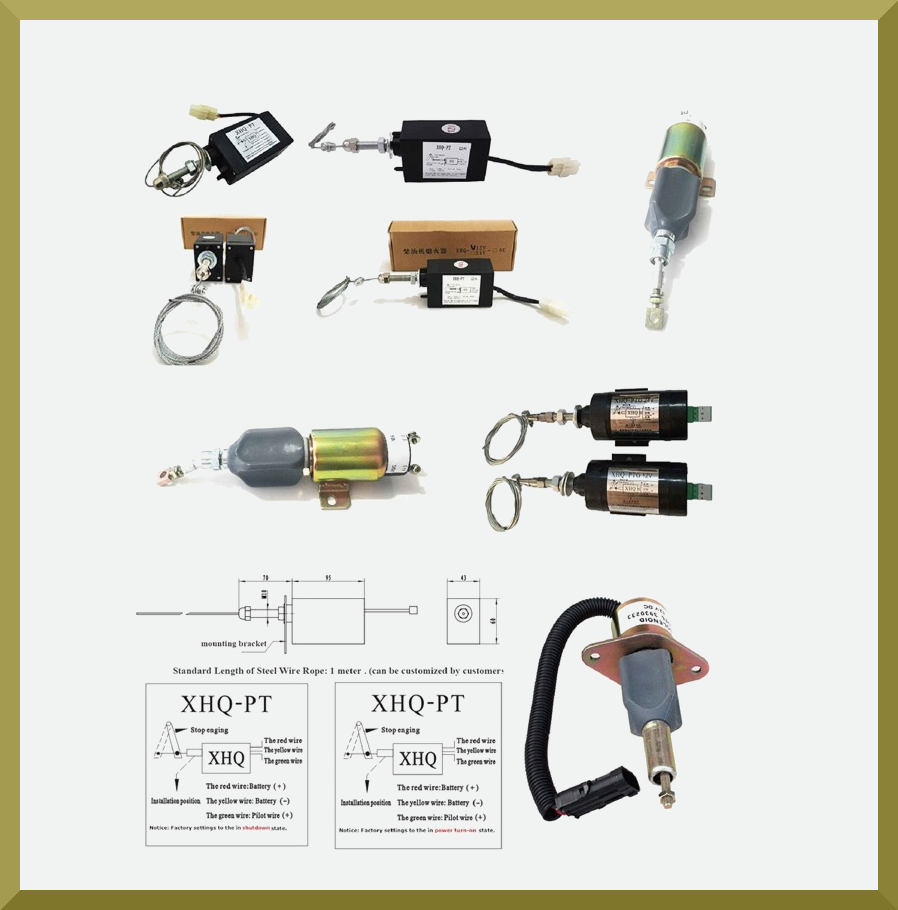
If you own a generator, you know how crucial it is to keep it running smoothly. One component that plays a vital role in this is the generator stop solenoid.
Understanding how it works and why it’s important can save you time and money in the long run. You might be wondering, what exactly does this part do? How does it affect your generator’s performance? We’ll break down everything you need to know about the generator stop solenoid.
Whether you’re troubleshooting an issue or simply wanting to enhance your generator’s efficiency, this information is for you. Stick around to uncover tips and insights that will empower you to take better care of your generator.

Credit: chinarunrun.en.made-in-china.com
Purpose Of The Stop Solenoid
The stop solenoid plays a crucial role in generators. It controls the fuel supply to the engine. When activated, it allows fuel to flow. When deactivated, it stops the fuel. This simple action helps control the engine’s operation.
Many generators use stop solenoids for safety. They ensure the engine stops quickly in emergencies. This prevents accidents and damage. Proper functioning of the stop solenoid is vital.
Fuel Control
The primary job of the stop solenoid is fuel control. It regulates the flow of fuel to the engine. Without it, the engine cannot start or stop correctly. This makes the solenoid essential for smooth operation.
Safety Mechanism
The stop solenoid acts as a safety mechanism. It helps shut down the engine in case of a fault. This feature protects the generator from potential damage. It also ensures user safety during operation.
Engine Protection
Generators can face many risks. Overheating or overloading can cause problems. The stop solenoid helps prevent such issues. It stops fuel supply, reducing the risk of engine failure.
Operational Efficiency
Efficient operation is key for any generator. The stop solenoid contributes to this efficiency. It helps manage fuel consumption effectively. This not only saves fuel but also extends engine life.
Key Components Of A Stop Solenoid
A generator stop solenoid controls the fuel flow to the engine. Key components include the coil, plunger, and housing. These parts work together to shut off the engine safely when needed, ensuring reliable operation. Proper understanding of these components helps in maintenance and troubleshooting.
The Stop Solenoid is a crucial component in generator systems, ensuring that fuel flow is halted when the engine is turned off. Understanding its key components can help you maintain your generator effectively and troubleshoot issues when they arise. Let’s break down these components to see how they work together to keep your generator running smoothly.1. Electromagnet
The heart of the stop solenoid is the electromagnet. When you turn on the generator, electrical current flows to the electromagnet, creating a magnetic field. This action pulls the plunger up, allowing fuel to flow to the engine. Once the current stops, the magnetism disappears, and the plunger drops back down, cutting off the fuel supply. You can think of it as a gatekeeper for your fuel.2. Plunger
The plunger is a metal rod that plays a pivotal role in controlling fuel flow. When the electromagnet is energized, the plunger moves upward, opening the fuel line. If the plunger becomes sticky or corroded, it can lead to fuel flow issues. Regular maintenance can prevent this problem. Have you ever experienced delays in starting your generator? It might be due to a malfunctioning plunger.3. Spring
The spring is essential for the stop solenoid’s operation. It ensures that the plunger returns to its resting position when the current is turned off. A worn-out spring can lead to incomplete fuel shut-off, causing potential engine damage. Inspecting the spring for wear and tear can save you from costly repairs later.4. Housing
The housing protects the internal components from dirt, moisture, and other environmental factors. A sturdy housing ensures durability and longevity of the solenoid. If you notice cracks or damage to the housing, it’s time for a replacement. Keeping the housing clean and intact can help maintain the overall functionality of your generator.5. Electrical Connections
The electrical connections link the solenoid to the generator’s control system. Loose or corroded connections can interrupt the flow of electricity to the solenoid, leading to malfunction. Regularly checking these connections can prevent unexpected generator failures. Have you checked yours lately? By understanding these key components, you can better appreciate how the stop solenoid functions. This knowledge can empower you to troubleshoot issues more effectively and ensure your generator operates at its best.How The Stop Solenoid Works
Understanding how the stop solenoid works can significantly enhance your experience with generators. This small but mighty component plays a crucial role in the operation of diesel engines. Let’s break down its functionality, so you can grasp its importance in ensuring your generator runs smoothly.
What Is A Stop Solenoid?
A stop solenoid is an electromagnetic device found in diesel generators. Its primary function is to control the flow of fuel to the engine. When you turn off your generator, the stop solenoid ensures that fuel supply is cut off, preventing the engine from running.
How Does The Stop Solenoid Operate?
The stop solenoid operates through an electromagnetic field. When you activate the ignition switch, electrical current flows to the solenoid. This current creates a magnetic field that pulls a plunger, allowing fuel to flow to the engine.
When you switch off the generator, the electrical current stops. The magnetic field dissipates, causing the plunger to return to its original position. This action blocks the fuel flow, effectively stopping the engine.
Importance Of The Stop Solenoid
The stop solenoid is vital for safety and efficiency. It ensures that your generator doesn’t run out of control when you want to shut it down. Without it, fuel could continue to flow, leading to potential hazards like leaks or fire.
Have you ever experienced a generator that wouldn’t stop running? It could be a malfunctioning stop solenoid. Understanding its role can help you troubleshoot issues and maintain your generator effectively.
- Electrical Failures:Sometimes, the solenoid may not receive enough current due to faulty wiring.
- Mechanical Failures:Dirt or debris can block the plunger, preventing it from sealing properly.
- Corrosion:Exposure to moisture can lead to rust, affecting the solenoid’s performance.
Regular inspection of your stop solenoid can save you from unexpected downtime. Look for signs of wear and tear, and don’t hesitate to replace it if needed.
How confident are you in diagnosing generator issues? Keeping your stop solenoid in check is a practical step towards ensuring your generator’s longevity and reliability.
Common Issues With Stop Solenoids
Stop solenoids are crucial for generator operation. They control fuel flow. When these solenoids fail, problems arise. Understanding common issues helps in quick fixes.
Electrical Failures
Electrical issues are frequent with stop solenoids. Wires can break or short-circuit. This stops the solenoid from working. Checking connections often solves the problem.
Clogged Fuel Lines
Clogs in fuel lines affect solenoid function. Dirt and debris can build up. This restricts fuel flow. Regular maintenance can prevent clogs.
Mechanical Damage
Mechanical damage can occur over time. Corrosion or wear may hinder movement. Inspecting the solenoid regularly helps spot damage early.
Incorrect Voltage Supply
Stop solenoids need the right voltage. Too high or too low can cause issues. Check the power supply to ensure proper voltage.
Temperature Effects
Extreme temperatures can affect solenoid performance. Heat can cause expansion and failure. Cold can lead to sluggish operation. Keep the generator in a stable environment.
Improper Installation
Improper installation can lead to many problems. Misalignment may cause the solenoid to jam. Follow installation guides carefully to avoid this issue.
Signs Of A Failing Stop Solenoid
A stop solenoid is crucial for generator operation. It controls fuel flow to the engine. A failing solenoid can cause various issues. Recognizing the signs early helps prevent bigger problems. Watch for these common signs of failure.
Engine Fails To Start
The engine may not start at all. This issue often links to the stop solenoid. It may not allow fuel to reach the engine. Check if the solenoid is functioning properly.
Engine Stops Unexpectedly
Does the engine stop while running? This could signal a bad solenoid. The solenoid may be failing to keep fuel flowing. Regular checks can help find this problem.
Unusual Noises From The Generator
Listen for strange sounds. Clicking or buzzing noises may indicate issues. These sounds often come from a malfunctioning solenoid. Inspect the generator to identify the source.
Fuel Leaks
Check for fuel leaks around the solenoid. A failing solenoid can cause leaks. Fuel leaks are dangerous and need immediate attention. Address this issue quickly to avoid hazards.
Inconsistent Power Output
Notice changes in power output? Fluctuating power can relate to the stop solenoid. It may fail to regulate fuel properly. This can lead to unreliable generator performance.
Warning Lights Or Alarms
Modern generators often have warning systems. Pay attention to warning lights or alarms. They may indicate a problem with the stop solenoid. Don’t ignore these alerts for your safety.
Steps To Test A Stop Solenoid
Testing a generator stop solenoid involves a few simple steps. First, check the power supply to ensure it’s connected. Next, use a multimeter to measure the solenoid’s resistance. Finally, activate the solenoid and observe if it functions properly.
Testing a stop solenoid is crucial for ensuring your generator operates smoothly. A malfunctioning solenoid can lead to starting issues or even prevent your generator from running altogether. Knowing how to test it can save you time and money, and you’ll feel more confident in maintaining your equipment.Gather Necessary Tools
Before you start, gather the tools you’ll need for testing the stop solenoid. – Multimeter: This is essential for measuring voltage and resistance. – Screwdriver: You’ll use this to access the solenoid. – Wrench: To disconnect any terminals. – Safety Gear: Always prioritize safety with gloves and goggles. Having everything ready will make the process smoother.Locate The Stop Solenoid
Next, identify where your stop solenoid is located on the generator. – Check the user manual if you’re unsure. – Typically, it’s near the fuel system or on the engine block. Once you find it, ensure the generator is off and unplugged to avoid any accidents.Inspect The Solenoid Physically
A visual inspection is a good starting point. – Look for any signs of damage, such as cracks or corrosion. – Ensure all connections are secure and free from dirt or debris. Sometimes, a simple cleaning can resolve issues without further testing.Test The Voltage
Using your multimeter, check the voltage at the solenoid. 1. Set your multimeter to the DC voltage setting. 2. Attach the positive lead to the positive terminal of the solenoid. 3. Attach the negative lead to the ground. You should see a voltage reading. If it’s below the specified range, that could indicate a problem.Check Resistance
Next, measure the resistance of the solenoid to ensure it’s functioning properly. 1. Set the multimeter to the resistance (ohm) setting. 2. Disconnect the wires from the solenoid. 3. Place the leads on the solenoid terminals. A typical reading should be in the range specified in your manual. High resistance might mean the solenoid is faulty.Test The Activation
Finally, you can test the solenoid activation. 1. Reconnect the wires. 2. Start the generator while observing the solenoid. You should hear a click, indicating that the solenoid is working. If you don’t, it might need replacement. Taking these steps to test your stop solenoid can prevent unexpected generator failures. Have you ever faced a situation where your generator wouldn’t start due to a simple issue like this? Addressing these small components can make a big difference in your generator’s reliability.Tips For Proper Maintenance
Proper maintenance of your generator’s stop solenoid is crucial for ensuring reliable performance. A well-maintained solenoid can prevent unexpected failures and prolong the life of your generator. Here are some actionable tips to keep it running smoothly.
Regular Inspections
Inspect your stop solenoid regularly. Look for signs of wear, corrosion, or damage. A quick check can save you from bigger issues later.
- Check the electrical connections for tightness.
- Inspect the solenoid housing for cracks.
- Look for any signs of leaks around the solenoid.
Consider setting a schedule for these inspections. Monthly checks can become a part of your routine maintenance tasks.
Cleanliness Is Key
Keeping the area around the solenoid clean can improve its performance. Dust and debris can lead to overheating or malfunctioning.
Use a soft brush or cloth to gently clean the solenoid. Avoid using harsh chemicals that can damage the components.
Electrical Connections
Loose or corroded connections can lead to solenoid failure. Regularly tighten and clean the electrical connections.
Use dielectric grease to protect connections from moisture and corrosion. This simple step can enhance the lifespan of your generator’s components.
Testing Functionality
Testing the solenoid periodically ensures it operates correctly. You can do this by observing if it engages smoothly when you start the generator.
If you notice any delays or stuttering, address it immediately. A malfunctioning solenoid can lead to generator failures.
Consult The Manual
Your generator’s manual contains specific maintenance guidelines. Familiarize yourself with these recommendations.
Each generator model may have unique requirements. Following the manufacturer’s advice will help you avoid costly mistakes.
Have you ever experienced a generator failure due to a neglected solenoid? Think about the impact it had on your plans. Taking these maintenance steps now can prevent those frustrations later.
Replacing A Faulty Stop Solenoid
A faulty generator stop solenoid can cause engine issues. Replacing it ensures the generator stops when needed. This simple fix can improve performance and reliability.
Replacing a faulty stop solenoid can be a straightforward task, but it’s crucial for the smooth operation of your generator. A malfunctioning solenoid can prevent your generator from starting or cause it to shut down unexpectedly. Understanding how to replace this component can save you time and money, and keep your generator running efficiently.Signs Of A Faulty Stop Solenoid
Recognizing the symptoms of a faulty stop solenoid is the first step. Look for these common signs: – Generator won’t start: If your generator fails to ignite, the stop solenoid may be at fault. – Intermittent shutdowns: A generator that starts and stops unpredictably could indicate solenoid issues. – Unusual noises: Clicking or buzzing sounds during operation might also signal a problem. Have you experienced any of these issues?Gathering The Necessary Tools
Before you dive into the replacement, make sure you have the right tools. You’ll need: – Wrenches (specifically for your generator model) – Screwdrivers (both flathead and Phillips) – Replacement stop solenoid (check your generator’s manual for specifications) – Safety gloves and goggles (to protect yourself) Having everything on hand will make the process smoother.Steps To Replace The Stop Solenoid
Follow these simple steps to replace your faulty solenoid: 1. Disconnect the power: Always ensure your generator is off and unplugged to avoid electrical shocks. 2. Locate the solenoid: Refer to your generator’s manual to find the exact location. 3. Remove the old solenoid: Unscrew and detach the faulty solenoid carefully. 4. Install the new solenoid: Position the new solenoid in place and secure it with screws. 5. Reconnect power: Once everything is in place, reconnect the power and test your generator. Each step is crucial, so take your time to do it right.Testing Your Generator After Replacement
After you’ve replaced the stop solenoid, testing is essential. Start your generator and listen for any irregular sounds. – Does it start smoothly? – Is it running without issues? If all seems well, you’ve successfully completed the task! If problems persist, consider consulting a professional. Replacing a faulty stop solenoid may seem daunting, but with the right approach, you can tackle it yourself. Knowing when to replace it and how to do so can make a significant difference in your generator’s performance. Are you ready to take charge of your generator maintenance?Impact On Generator Performance
The generator stop solenoid plays a crucial role in performance. It controls fuel flow to the engine. A well-functioning solenoid ensures smooth operation. A faulty solenoid can lead to problems.
Fuel Management
The solenoid manages fuel delivery precisely. It opens and closes to allow fuel flow. This ensures the engine receives the right amount. Proper fuel management enhances generator efficiency.
Engine Start-up
The solenoid helps the engine start easily. It allows fuel to flow during ignition. A malfunctioning solenoid can cause starting issues. This leads to frustration and downtime.
Safety Features
Generators need safety mechanisms to operate safely. The stop solenoid acts as a safety device. It stops fuel flow in emergencies. This prevents potential hazards and protects users.
Operational Longevity
A reliable solenoid contributes to the generator’s lifespan. It minimizes wear and tear on engine components. Regular maintenance of the solenoid is vital. This keeps the generator running smoothly for years.
Performance Monitoring
Monitoring the solenoid’s function is essential. Signs of wear indicate the need for replacement. Keeping an eye on performance helps prevent breakdowns. This proactive approach saves time and money.

Credit: www.amazon.in
Choosing The Right Stop Solenoid
Choosing the right stop solenoid for your generator is crucial for its reliable operation. The right solenoid can enhance performance and ensure safety. You might be surprised at how a small component can significantly impact your generator’s efficiency.
Understand Your Generator’s Requirements
Every generator has specific requirements that dictate which stop solenoid will work best. Check your generator’s manual for details on voltage and amperage specifications. This information will guide you in selecting a compatible solenoid.
Consider Solenoid Types
Stop solenoids come in various types, primarily electromagnetic and pneumatic. Electromagnetic solenoids are the most common in generators. If your generator uses diesel, it might require a specific solenoid type to ensure proper shutdown.
Evaluate Quality And Durability
Not all solenoids are created equal. Look for solenoids made from high-quality materials to resist wear and tear. Investing a little more in a durable component can save you money on replacements later.
Check Compatibility With Your Generator Model
Always verify that the solenoid you choose is compatible with your generator model. Manufacturers often provide lists of compatible components. Using an incompatible solenoid can lead to malfunctions or damage.
Seek Recommendations And Reviews
Researching customer reviews can provide insights into the reliability of specific solenoid brands. Engaging in online forums or asking for recommendations from other generator owners can also help. Your peers’ experiences can guide you toward a wise purchase.
Assess Price And Warranty
Price should not be the only factor. Compare costs across brands but also consider the warranty offered. A good warranty can provide peace of mind, knowing you’re covered if anything goes wrong.
Choosing the right stop solenoid doesn’t have to be overwhelming. By understanding your generator’s needs and conducting thorough research, you can make an informed decision. Have you checked your generator’s manual today? That could be your first step toward a more reliable power source.
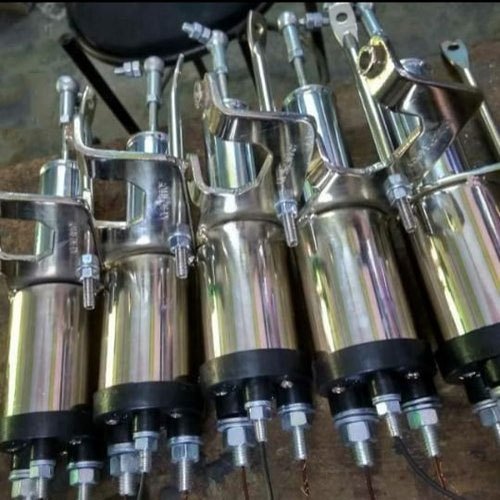
Credit: www.fastenersweb.com
Frequently Asked Questions
What Is A Generator Stop Solenoid?
A generator stop solenoid is a device that controls fuel flow to the engine. It prevents the engine from running when activated. This is crucial for safe operation and maintenance. Understanding its function can help diagnose engine issues effectively.
How Does A Stop Solenoid Work?
The stop solenoid operates by using an electromagnetic mechanism. When energized, it pulls the plunger to allow fuel flow. When de-energized, it blocks fuel, stopping the engine. This simple mechanism is vital for engine control and safety.
Why Is My Generator Solenoid Clicking?
A clicking sound from the solenoid often indicates a power issue. It may suggest insufficient voltage reaching the solenoid. This could be due to weak batteries or faulty connections. Checking the power supply and connections is advisable.
How To Test A Generator Stop Solenoid?
To test the stop solenoid, use a multimeter to check voltage. Disconnect the solenoid and apply voltage directly to see if it actuates. If it clicks and operates, it’s functioning well. If not, it may need replacement.
Conclusion
A generator stop solenoid plays a crucial role in engine safety. It controls fuel flow and prevents accidents. Regular maintenance ensures it works well. Signs of problems include starting issues and unusual noises. Addressing these issues promptly can save time and money.
Understanding its function helps you keep your generator reliable. Simple checks can make a big difference. Stay informed to ensure your generator runs smoothly. Remember, a well-maintained generator is always ready when you need it.