
Have you ever faced the frustration of a generator that stops working the moment you apply a load? You’re not alone.
Many people encounter this issue, and it can be more than just an inconvenience. Understanding why your generator fails under load is crucial for maintaining its efficiency and ensuring your power needs are met. We’ll dive into the common reasons behind this problem and provide practical solutions to keep your generator running smoothly.
You’ll learn how to troubleshoot effectively and avoid costly repairs. By the end, you’ll be equipped with the knowledge to prevent this issue from recurring. Keep reading to empower yourself and make your generator work for you, not against you!

Credit: m.youtube.com
Common Causes Of Shutdown
Generators are essential for power supply. They can stop working suddenly. Understanding why this happens is important. Here are common causes of shutdown.
Overloading The Generator
Overloading is a frequent issue. It occurs when you connect too many devices. Each generator has a power limit. Exceeding this limit causes the generator to shut down. This protects the generator from damage. Always check the load before starting your generator.
Faulty Voltage Regulator
A faulty voltage regulator can cause problems. This part controls the voltage output. If it fails, the generator may stop. The generator might also produce too much or too little voltage. Both situations can lead to shutdown. Regular checks can help avoid this issue.
Fuel System Issues
The fuel system is vital for generator operation. Clogs or leaks can disrupt fuel flow. This leads to shutdowns during load. Always inspect the fuel lines and filters. Clean or replace them as needed. Ensure you have enough fuel before use.
Air Intake Blockages
Air intake blockages can stop your generator. The engine needs air to run properly. Dirt, dust, or debris can block the intake. This lack of airflow causes the generator to fail. Regularly check and clean the air filter. A clean filter ensures smooth operation.

Credit: thompsonpowersystems.com
Diagnosing The Problem
A generator that stops when a load is applied can indicate several issues. Common causes include fuel problems, electrical faults, or mechanical wear. Identifying the right problem is key to restoring function and ensuring reliable power supply.
Diagnosing the problem when your generator stops upon load application can be frustrating. Understanding the underlying issues can save you time and money. Let’s break down the key areas to inspect so you can get your generator back up and running.Inspecting Load Connections
Start with the load connections. Loose or corroded connections can lead to significant issues. – Check all wiring: Ensure that each connection is tight and free of corrosion. – Inspect the connectors: Look for any signs of wear or damage that could affect performance. A personal experience taught me the importance of this step. I once faced a similar issue, and a simple tightening of the connections made all the difference.Testing Voltage Output
Next, test the voltage output of your generator. This step is crucial to determine if your generator is producing sufficient power. – Use a multimeter: Measure the voltage at the output terminals. – Compare with specifications: Ensure the voltage matches the generator’s rated output. If the voltage is too low, it could indicate a problem with the generator’s components or a misconfiguration that needs addressing.Checking For Error Codes
Modern generators often have diagnostic features that display error codes. – Refer to the user manual: Identify what each code means and how to resolve the issue. – Reset the generator: Sometimes, a simple reset can clear temporary faults. Don’t overlook this step. An error code can lead you directly to the problem, saving you from unnecessary troubleshooting.Examining Fuel And Airflow
Fuel supply and airflow are critical for any generator’s operation. – Check the fuel level: Ensure you have enough fuel and that it’s clean. – Inspect the air filter: A clogged air filter can restrict airflow, leading to performance issues. I learned firsthand that regular maintenance of these components is vital. A dirty air filter once caused my generator to stall under load, and a quick clean fixed the issue. By systematically checking these areas, you can diagnose the problem effectively. What steps have you taken to troubleshoot your generator? Your insights might just help someone else facing the same challenge.Essential Maintenance Steps
Generators can stop working when a load is applied due to several issues. Check fuel levels and ensure the connections are secure. Regular maintenance helps identify problems early and keeps the generator running smoothly.
Maintaining your generator is crucial for ensuring it operates smoothly, especially when you apply a load. Neglecting maintenance can lead to unexpected shutdowns or inefficiencies. Here are some essential steps to keep your generator in top shape.Cleaning Air Filters
Air filters play a vital role in your generator’s performance. When they get clogged with dirt and debris, the engine struggles to breathe. Regularly inspect and clean the air filters. A clean filter can improve efficiency and prolong the life of your generator. Consider setting a reminder every few months to check them. You’ll be surprised at how much better your generator runs with just a little effort.Inspecting Fuel Lines
Fuel lines can become damaged or clogged over time. This can lead to inadequate fuel supply, causing your generator to stop unexpectedly. Check for any signs of wear, such as cracks or leaks. Replacing damaged fuel lines promptly will prevent bigger issues down the road. Keep an eye on fuel quality too. Old or contaminated fuel can also lead to performance problems.Lubricating Moving Parts
Generators have many moving parts that need lubrication to function smoothly. Without proper lubrication, these components can wear out quickly. Use the manufacturer’s recommended oil for lubrication. Applying oil to the moving parts regularly can significantly extend the lifespan of your generator. Have you ever noticed how much quieter your generator runs after a good lubrication? It’s a simple task that yields noticeable results.Monitoring Electrical Components
Electrical components are the heart of your generator. Issues with wiring or connections can lead to operational failures. Regularly check for frayed wires, loose connections, or signs of corrosion. These can all contribute to your generator stopping unexpectedly under load. If you spot any issues, address them immediately. You wouldn’t ignore electrical problems in your home, so don’t overlook them in your generator. Taking these essential maintenance steps will help ensure your generator runs smoothly and efficiently. What maintenance tasks have you found to be most effective for your generator?Preventive Measures
Preventing generator stops when a load is applied is essential. Simple steps can help ensure reliable operation. Focus on sizing, maintenance, and inspections. These actions can save time and money.
Choosing The Right Generator Size
Selecting the correct generator size is crucial. An undersized generator will struggle under load. This can cause it to stop unexpectedly. Analyze your power needs carefully. Consider all devices that will use power. Use a generator size calculator for accuracy.
Maintaining Consistent Load Levels
Consistent load levels help keep the generator stable. Avoid sudden spikes in demand. Gradually increase the load when starting devices. This reduces stress on the generator. Monitor the load regularly to avoid issues.
Regularly Inspecting Components
Inspecting generator components is key to performance. Check oil levels, filters, and connections. Look for signs of wear or damage. Replace parts as needed. This can prevent unexpected stops.
Scheduling Professional Servicing
Professional servicing ensures your generator runs well. Schedule regular check-ups with a qualified technician. They can spot potential issues early. Regular servicing extends the life of your generator.
Tools For Troubleshooting
Troubleshooting tools can help you identify why a generator stops when a load is applied. Common issues include low fuel, air leaks, or faulty components. Using these tools effectively can ensure your generator runs smoothly under load.
When your generator stops working under load, it can be frustrating and confusing. However, having the right tools can make troubleshooting much easier. Understanding how to use these tools effectively will help you identify the problem and get your generator back up and running quickly. Here’s a look at some essential tools you should have on hand.Multimeter Usage
A multimeter is an indispensable tool for diagnosing electrical issues in your generator. It measures voltage, current, and resistance, allowing you to pinpoint where things may be going wrong. 1. Check Voltage Output: Start by measuring the voltage output of the generator. If it’s below the manufacturer’s specifications, the generator may struggle under load. 2. Inspect Connections: Use the multimeter to check for continuity in wires and connections. Loose or corroded connections can cause interruptions, leading to a loss of power. 3. Test Battery Voltage: If your generator has a battery, ensure it’s fully charged. A weak battery can lead to inadequate performance.Fuel Pressure Gauges
Fuel supply issues often cause generators to stop under load. A fuel pressure gauge helps you ensure your generator is receiving the right amount of fuel. – Check Fuel Pressure: Attach the gauge to the fuel line. Compare the reading to the generator’s specifications. If the pressure is too low, there could be a blockage or a failing fuel pump. – Inspect Fuel Filters: A clogged filter can restrict fuel flow. Replace or clean the filter if you notice low pressure readings. – Evaluate Fuel Quality: Bad fuel can also lead to problems. Make sure you’re using fresh, clean fuel that meets the generator’s requirements.Airflow Testing Kits
Proper airflow is critical for your generator’s performance. An airflow testing kit helps you determine if the generator is getting enough air to operate efficiently. – Inspect Air Filters: A dirty air filter can choke the engine. Clean or replace the filter to ensure optimal airflow. – Check Ventilation: Ensure there’s adequate space around the generator for airflow. Lack of ventilation can cause overheating and shutdowns. – Use Anemometers: These devices measure airflow speed and direction. They can help identify whether your generator’s air intake is obstructed.Load Simulation Devices
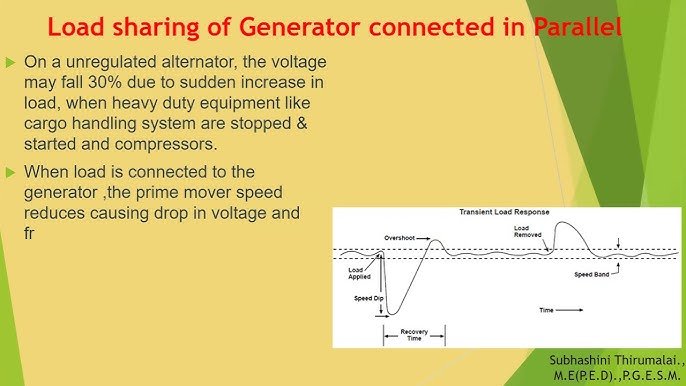
Load simulation devices allow you to safely test your generator under various load conditions. These devices help you replicate real-world scenarios without risking damage to your equipment. – Simulate Load Conditions: By connecting a load simulator, you can observe how your generator reacts under different loads. This can reveal weaknesses that might not be apparent at idle. – Monitor Performance: Watch for fluctuations in voltage and frequency. Consistent drops could indicate an issue with the generator’s capacity or internal components. – Test Safety Features: Ensure that the generator’s safety features activate properly when overloaded. This can help prevent further damage. With the right tools, you can confidently troubleshoot your generator when it stops under load. Each tool plays a vital role in diagnosing specific issues. What will you check first?
Credit: www.linkedin.com
Frequently Asked Questions
Why Does My Generator Stop Under Load?
A generator may stop under load due to insufficient fuel supply, overloaded circuits, or mechanical issues. It’s crucial to check the fuel level and load capacity. Additionally, inspect the electrical connections and engine performance. Regular maintenance can help prevent these issues, ensuring reliable operation under load.
What Causes A Generator To Shut Down Suddenly?
Sudden shutdowns can result from overheating, low oil levels, or electrical faults. Generators have safety features that trigger shutdown to prevent damage. Always monitor the temperature and oil levels. Address any electrical issues promptly to maintain optimal performance and prevent unexpected shutdowns.
How Can I Prevent My Generator From Stalling?
To prevent stalling, ensure your generator is well-maintained. Regularly check fuel levels, oil quality, and air filters. Avoid overloading the generator beyond its capacity. Following the manufacturer’s guidelines can also enhance performance and reliability, reducing the chances of stalling during operation.
Is My Generator Overloaded If It Stops?
Yes, if your generator stops when a load is applied, it may be overloaded. Check the wattage requirements of your devices to ensure they don’t exceed the generator’s capacity. It’s essential to balance the load properly to avoid tripping the generator and maintain consistent power supply.
Conclusion
A generator that stops when a load is applied can be frustrating. Understanding the causes helps you find solutions. Check fuel levels, connections, and load capacity first. Regular maintenance can prevent many issues. When problems arise, troubleshooting steps guide you to fix them.
Keeping your generator in good shape ensures reliable power. Don’t ignore warning signs; address them quickly. A well-functioning generator provides peace of mind during outages. Stay informed and keep your generator ready for use.