
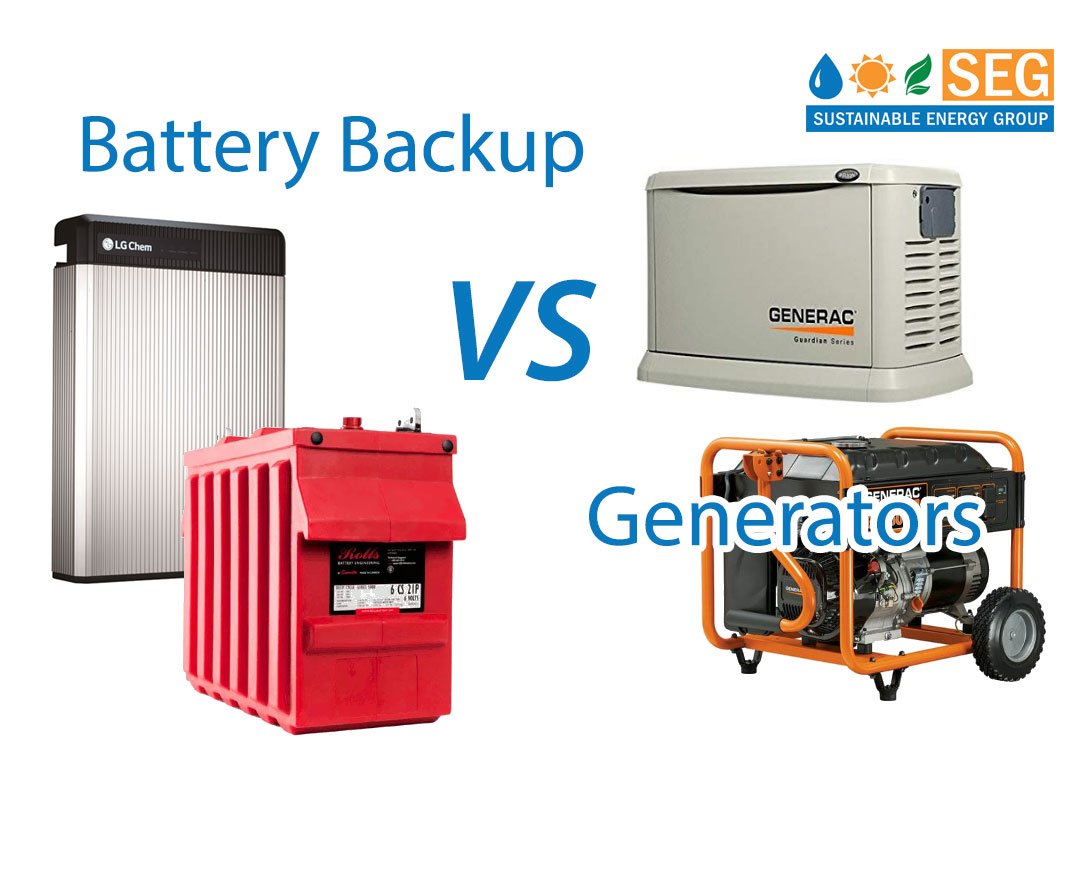
When the power goes out, your first thought is probably about how to keep your home running smoothly. You have two main options: a generator or a battery backup system.
But which one is right for you? Each has its own advantages, and understanding them can make a big difference in your comfort and peace of mind. Imagine not having to worry about food spoiling in the fridge or being left in the dark during a storm.
Choosing the right power solution can give you that security. We’ll break down the pros and cons of generators and battery backups, helping you make an informed decision. By the end, you’ll know exactly what fits your needs best. Let’s dive in!
Generator Basics
Understanding the basics of generators can help you make informed choices when considering power backup solutions. A generator can provide essential electricity during outages, especially in areas prone to blackouts. Let’s break down how generators work and what you need to know.
What Is A Generator?
A generator is a device that converts mechanical energy into electrical energy. This is typically done using fuel like gasoline, diesel, or natural gas. The engine drives an alternator, which generates electricity.
Types Of Generators
- Portable Generators:These are small, easy to move, and ideal for temporary power needs. Great for camping or during short outages.
- Standby Generators:Permanently installed, they automatically turn on during a power failure. They provide a seamless power supply for your home.
- Inverter Generators:These offer clean power for sensitive electronics. They are quieter and more fuel-efficient than traditional generators.
How Do Generators Work?
Generators work by using a fuel source to power an engine. This engine spins a rotor inside a magnetic field, creating electricity. The output can be connected directly to your home or business electrical system.
Benefits Of Using Generators
- Reliable Power Source:They provide essential electricity during outages, keeping your home running.
- Versatility:Use them for various applications, from powering tools on a job site to running your fridge during an outage.
- Independence:You won’t rely solely on the grid, which is especially important in remote areas.
Considerations When Choosing A Generator
Think about your power needs. Calculate the wattage required to run essential appliances. Also, consider fuel availability and storage options.
Have you ever experienced a power outage and wished you had a generator? It’s a wake-up call for many homeowners. Investing in a generator can offer peace of mind when the lights go out.
Credit: goodfaithenergy.com
Battery Backup Essentials
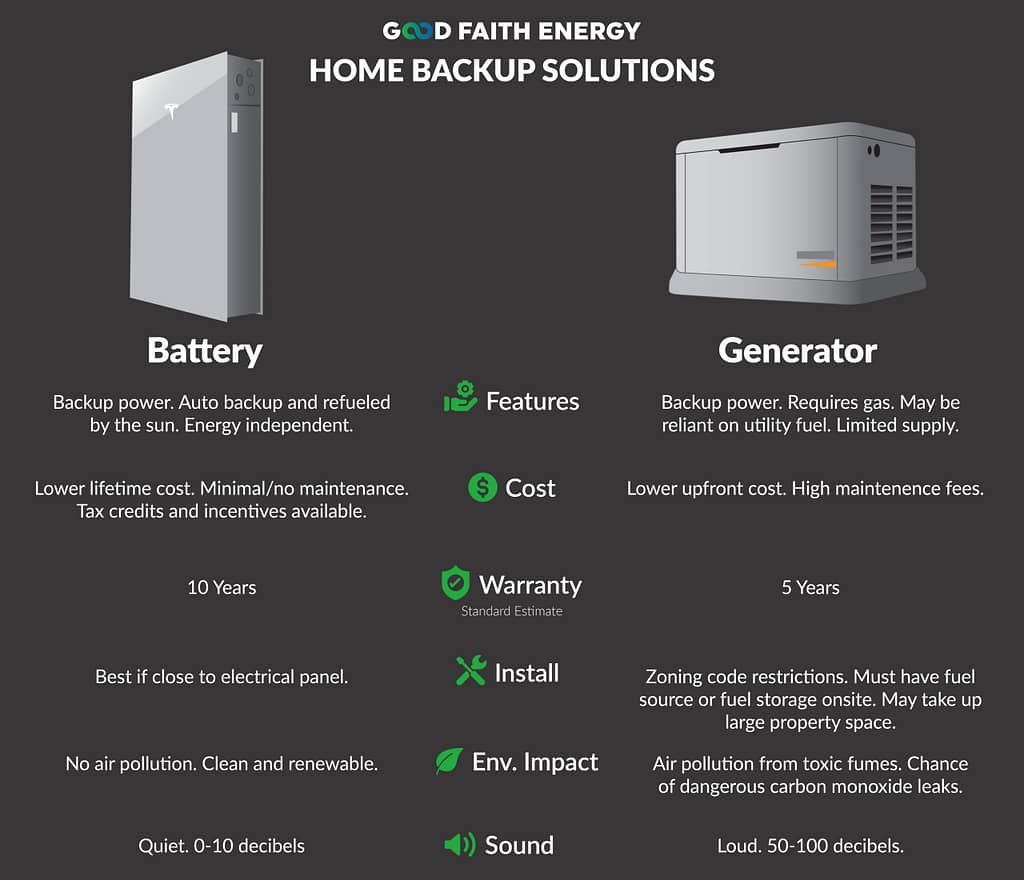
Choosing between a generator and battery backup can be tough. Generators provide power during outages, but they can be noisy and need fuel. Battery backups are quieter and easier to use, but may have limited power for a shorter time.
Consider your needs for reliable electricity.
Battery Backup Essentials When power outages strike, having a reliable battery backup can be a lifesaver. It ensures your essential devices remain operational during unexpected blackouts. Understanding the key components of battery backup systems helps you make informed choices for your home or business.Understanding Battery Types
There are several types of batteries available for backup systems. The most common include: – Lead-Acid Batteries: Affordable and widely used, but they have a shorter lifespan. – Lithium-Ion Batteries: More expensive upfront but last longer and charge faster. – AGM Batteries: A type of lead-acid battery that is sealed and maintenance-free. Choosing the right type depends on your budget and power needs. You want something that fits your lifestyle and usage.Capacity And Runtime
Battery capacity is measured in amp-hours (Ah). Higher numbers indicate longer runtime. Consider how long you need power during an outage. – Small devices: A small battery might suffice for phones and laptops. – Larger systems: If you rely on medical equipment or refrigeration, opt for a battery with a larger capacity. Calculate your total wattage needs to find the best fit.Inverter Considerations
An inverter converts stored battery power into usable electricity. Choose one that matches your battery type and capacity. – Pure Sine Wave Inverters: Ideal for sensitive electronics. – Modified Sine Wave Inverters: More affordable but less efficient for delicate devices. Assess your devices to ensure compatibility. Using the right inverter maximizes performance and protects your equipment.Charging Options
How you charge your battery backup matters. Several options are available: – Standard AC Charger: Works for most household systems. – Solar Panels: Eco-friendly and can save money in the long run. – Car Charger: Useful for emergencies on the go. Evaluate your situation. Do you have access to solar power? It might be worth considering for long-term savings.Maintenance And Lifespan
Regular maintenance extends the life of your battery backup. Keep it clean and check connections regularly. – Monthly checks: Look for corrosion and ensure proper ventilation. – Battery replacement: Know the lifespan of your battery. Lead-acid batteries typically last 3-5 years, while lithium-ion can last up to 15 years. What’s your plan for maintaining your battery backup? A proactive approach can save you from future headaches.Cost Considerations
Investing in a battery backup system may seem daunting, but think of it as a safety net. Here’s a breakdown to consider: – Initial Cost: Upfront investment in batteries and inverters. – Long-Term Savings: Reduced risk of damage to electronics and less reliance on generators. – Insurance Benefits: Some insurance policies may offer discounts for having backup systems. Evaluate your budget and consider the potential long-term benefits. What price would you pay for peace of mind during a blackout? Understanding these essentials puts you in control. Battery backup systems can provide security and reassurance when you need it most.Power Reliability
Power reliability is crucial for homes and businesses. It ensures that you have a steady power source. Two popular options are generators and battery backups. Each has its strengths in providing reliable power.
Generators: A Steady Source Of Power
Generators offer a strong power supply during outages. They can run for hours or even days. Most generators rely on fuel like gasoline or propane. This fuel ensures they can produce electricity when needed.
Generators can power many devices at once. They can handle heavy loads. This makes them suitable for larger homes or businesses. However, they require regular maintenance. Fuel must be kept on hand for operation.
Battery Backups: Convenience And Clean Energy
Battery backups provide a different type of reliability. They store energy for later use. This means no need for fuel. They are quiet and easy to use.
Battery backups are great for short outages. They can power essential devices like lights and refrigerators. Many systems can be charged using solar energy. This makes them eco-friendly.
Cost And Maintenance Considerations
Generators can be more costly upfront. They also require ongoing fuel costs. Maintenance is necessary to keep them running smoothly.
Battery backups usually have lower maintenance needs. They can be more affordable in the long run. Initial costs may vary based on capacity.
Choosing The Right Option For You
Consider your power needs. Think about how long you need backup power. Generators are best for extended outages. Battery backups work well for short interruptions.
Evaluate your budget and maintenance preferences. This will help you decide which option fits your lifestyle. Power reliability is key for peace of mind.
Cost Comparison
Understanding costs helps make the right choice. Generators and battery backups have different price points. Each option has its own expenses. This section dives into the costs of both systems.
Initial Purchase Costs
Generators often have a higher upfront cost. Prices can range widely based on size and type. A small portable generator may cost around $500. Larger standby generators can exceed $5,000.
Battery backups generally cost less initially. A good battery system starts around $300. Advanced systems may reach $3,000 or more. Your choice depends on your power needs and budget.
Installation Costs
Installation costs vary for both options. Generators may require professional installation. This can add $1,000 or more to the total cost. Proper setup is crucial for safety and efficiency.
Battery backup systems are easier to install. Many users can do it themselves. This saves money on installation fees. Some systems may still need a professional for complex setups.
Maintenance Expenses
Generators require regular maintenance. You must check oil levels and change filters. Maintenance costs can add up to $200 a year. Neglecting maintenance can lead to costly repairs.
Battery backups need less upkeep. Most systems last several years with minimal care. Battery replacement is the main cost. Replacing batteries may cost between $100 and $300.
Operating Costs
Generators use fuel, which affects operating costs. Gasoline or propane prices can vary. Frequent use during outages can increase these costs. Budget for fuel when considering a generator.
Battery backups typically have lower operating costs. They use electricity from your home. Charging a battery is usually cheaper than buying fuel. Some systems even offer smart charging options.
Environmental Impact
The environmental impact of your power backup choice is more significant than you might think. Every option comes with its own set of consequences for the planet. Understanding these effects can help you make a more informed decision.
Generator Emissions
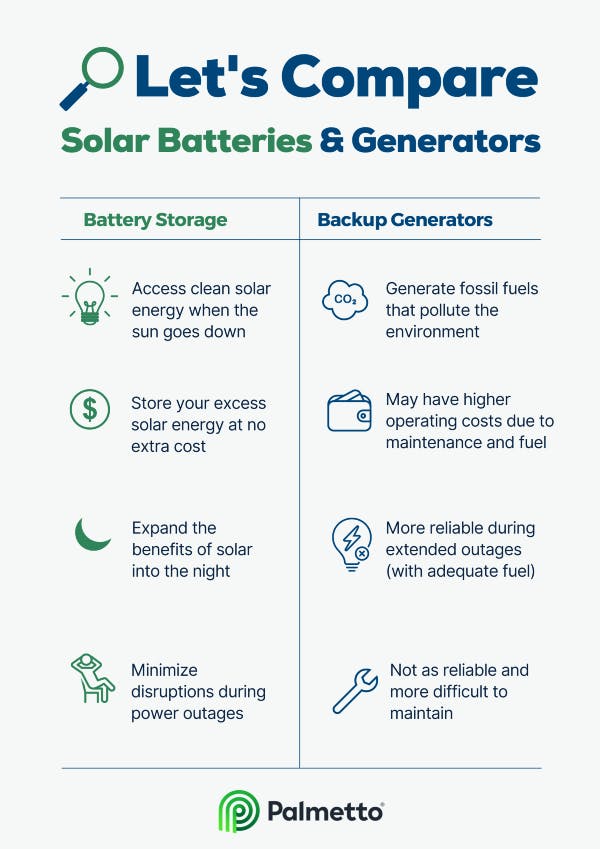
Generators run on fuel, typically diesel or gasoline. This means they emit carbon dioxide (CO2) and other harmful pollutants into the atmosphere.
These emissions contribute to air pollution, which can lead to health problems and climate change. For instance, using a generator for extended periods can significantly increase your carbon footprint.
Think about it: how often do you rely on a generator? The more you use it, the more you contribute to environmental degradation.
Battery Backup Solutions
Battery backup systems, especially those powered by renewable energy sources, have a much lower environmental impact. They don’t emit harmful gases while operating.
Consider solar batteries. They store energy from the sun, which is a clean and renewable resource. By relying on solar power, you not only reduce emissions but also promote sustainability.
Waste And Recycling
Generators can produce waste, especially when they require maintenance or fuel disposal. Old generators may end up in landfills, contributing to environmental pollution.
On the other hand, battery systems can often be recycled or repurposed. Many manufacturers offer recycling programs to manage battery waste responsibly.
Have you thought about what happens to your backup power system at the end of its life? Choosing a solution with a robust recycling process can make a difference.
Energy Efficiency
Battery backups tend to be more energy-efficient than generators. They store energy and release it as needed, minimizing waste.
Generators operate on demand, often leading to energy loss during idle times. This inefficiency can add up over time, impacting not just your wallet but also the environment.
Are you maximizing your energy use? Opting for a more efficient system could save you money and help the planet.
Long-term Sustainability
Choosing battery backup systems aligns with long-term sustainability goals. As technology advances, batteries are becoming more efficient and environmentally friendly.
In contrast, reliance on fossil fuels for generators poses a significant risk to future generations. Transitioning to cleaner energy sources is essential for a sustainable future.
What kind of legacy do you want to leave? Making an informed choice today can have lasting impacts on the environment.
Maintenance Needs
Understanding the maintenance needs of generators and battery backups is essential for anyone considering these power sources. Both options have distinct requirements, which can significantly affect their performance and longevity. Let’s dive into what you need to know about keeping your power solutions running smoothly.
Generator Maintenance
Generators require regular maintenance to ensure they function efficiently. This includes:
- Checking and changing the oil every 100 hours of operation.
- Cleaning or replacing air filters to prevent dust buildup.
- Inspecting the spark plugs and fuel system regularly.
Neglecting these tasks can lead to decreased efficiency or even complete failure. Personally, I learned this the hard way when a neglected generator failed to start during a power outage. Regular upkeep could have prevented that stressful night.
Battery Backup Maintenance
Battery backups demand a different approach. Their maintenance primarily involves:
- Checking battery health and charge levels regularly.
- Replacing batteries every 3 to 5 years, depending on usage.
- Keeping connections clean and corrosion-free.
These tasks are simpler but just as crucial. A friend of mine faced major issues when their battery backup system failed because they ignored the battery replacement schedule. Regular checks could have ensured uninterrupted power.
Cost Considerations
Consider the long-term costs when deciding between a generator and a battery backup. Generators generally have higher maintenance costs due to parts and fuel. Battery backups, while cheaper to maintain, require periodic battery replacements, which can add up over time.
What fits your budget best? Weighing these factors carefully can help you make a more informed choice.
Both generators and battery backups have specific maintenance needs that can’t be overlooked. Regular upkeep will extend the life of your power solution and ensure reliability when you need it most. Are you prepared to commit to the maintenance your choice requires?
Suitability For Homes
Choosing between a generator and a battery backup system is important for homes. Each option has its own benefits. Understanding these can help in making the right choice.
Power Needs
Assess your home’s power needs first. Generators can provide more power. They are better for larger homes or those with high energy use.
Battery backups are more suitable for essential devices. They work well in smaller homes or apartments.
Noise Levels
Noise is an important factor. Generators can be noisy during operation. This may disturb your peace, especially at night.
Battery backups operate quietly. They do not create noise pollution, making them ideal for residential areas.
Installation Requirements
Generators need more space. They often require a dedicated area outside. Installation can take time and effort.
Battery backups are easier to install. They fit well in tight spaces. Setup is often quicker and less complex.
Fuel Sources
Generators usually run on fuel like gasoline or propane. This can be a concern during fuel shortages.
Battery backups use electricity stored in batteries. This makes them reliable as long as they are charged.
Maintenance
Generators need regular maintenance. This includes oil changes and fuel checks. Neglect can lead to issues during outages.
Battery backups require less upkeep. Regular charging is essential, but they are generally low maintenance.
Cost Considerations
Generators can be more expensive upfront. They may also have higher running costs over time.
Battery backups often have lower initial costs. Savings on fuel can make them a cost-effective choice.
Suitability For Businesses
Choosing between a generator and a battery backup system can significantly impact your business operations. Each option has distinct advantages and drawbacks that can cater to different needs. Understanding their suitability for your specific business context is essential.
Power Needs Assessment
First, consider your power requirements. What kind of equipment do you rely on? If your business involves heavy machinery or high-energy tools, a generator may be the better choice.
Generators can supply high wattage for extended periods. They are ideal for construction sites or manufacturing units where power demand fluctuates.
Battery backups suit smaller operations or businesses that require less energy. They work well for offices running computers, lights, and basic appliances.
Operating Costs
Evaluating costs is crucial. Generators usually have higher upfront costs but can be more economical in the long run. Fuel costs and maintenance should be factored into your budget.
Battery backups tend to have lower initial costs. However, they may require replacement batteries, which can add to your expenses over time. Think about your budget and how often you can afford maintenance.
Ease Of Use And Maintenance
Consider how much time you can dedicate to maintenance. Generators require regular servicing and fuel management. If you lack the resources for upkeep, this might not be the best option.
Battery systems, on the other hand, are generally easier to maintain. They often come with smart technology that alerts you when something is wrong. This feature can save you time and headaches.
Think about your company’s environmental footprint. Generators can produce emissions, contributing to air pollution. If sustainability is a core value for your business, a battery backup may align better with your goals.
Battery systems are cleaner and quieter. They provide a more eco-friendly solution, especially for businesses in urban areas where noise and emissions regulations are strict.
Business Continuity And Reliability
How critical is uninterrupted power for your business? If downtime means lost revenue, consider a generator. They can handle extended outages and keep your operations running smoothly.
Battery backups offer quick response times but are limited by their capacity. If your power needs exceed the battery’s output, you may face interruptions. Evaluate your risk tolerance and the potential impact on your business.
What are your unique business demands? Assessing these factors will guide you in making the right choice between a generator and battery backup. Investing wisely can protect your business from power-related disruptions.
Future Trends In Power Solutions
Power solutions are evolving. Generators provide reliable energy during outages, while battery backups offer quiet, clean power. Each option has its own strengths and weaknesses, making it essential to evaluate needs for the best choice. Understanding these trends can help in selecting the right power source for the future.
The landscape of power solutions is evolving rapidly. With increasing energy demands and a shift towards sustainability, both generators and battery backups are undergoing significant transformations. Understanding these future trends can help you make informed decisions about your energy needs.Shift Towards Renewable Energy Sources
More households and businesses are tapping into solar and wind energy. This shift not only reduces reliance on fossil fuels but also enhances energy independence. As technology improves, solar panel efficiency continues to rise. You can now store surplus energy generated during the day for use at night. This trend is expected to grow, making solar battery backups a viable option for many. Are you ready to embrace renewable energy in your power solutions?Integration Of Smart Technology
Smart technology is revolutionizing how we manage energy consumption. With smart meters and IoT devices, you can monitor your energy use in real-time. Generators and battery backups are becoming increasingly connected. Imagine receiving alerts on your phone about battery levels or generator performance. Such advancements allow for proactive management of your energy systems. Wouldn’t it be convenient to control your power needs from your smartphone?Increased Focus On Sustainability
The push for sustainable solutions affects both generators and battery backups. Manufacturers are now focusing on creating eco-friendly models. For instance, some generators run on biodiesel or propane, reducing carbon footprints. Meanwhile, battery technology is moving towards using less toxic materials. Choosing sustainable options not only benefits the environment but can also save you money in the long run. Are you considering the environmental impact of your power choices?Cost-effectiveness Over Time
The initial investment in advanced battery systems may seem high, but costs are decreasing. As technology progresses, battery prices are expected to drop significantly. Generators, while still popular, require ongoing fuel costs and maintenance. You might find that a battery backup could be more economical in the long run. Assess your energy needs and calculate potential savings. Would a battery backup fit better into your financial plan?Hybrid Power Solutions On The Rise
Combining generators and battery backups is becoming a popular approach. Hybrid systems offer the best of both worlds, ensuring you have power when you need it most. When the grid goes down, your generator can kick in, while your battery stores energy for later use. This flexibility can be particularly useful during emergencies or unpredictable weather events. Consider if a hybrid system could provide peace of mind for you and your family. What power solution will you choose to secure your future?
Credit: www.energysage.com
Credit: palmetto.com
Frequently Asked Questions
What Is The Difference Between Generator And Battery Backup?
A generator provides power by converting fuel into electricity, while a battery backup stores energy for later use. Generators are ideal for long outages, while battery backups are great for short-term power needs. Choose based on your energy requirements and outage duration.
Which Is More Cost-effective: Generator Or Battery?
Generally, battery backups have lower upfront costs compared to generators. However, generators may be more economical for long-term use, especially during extended outages. Evaluate your power needs and budget to determine the most cost-effective solution for your situation.
How Long Can A Generator Run Continuously?
Most generators can operate for 8 to 12 hours on a full tank. However, larger models can run longer with proper fuel supply. It’s essential to monitor fuel levels and consider maintenance needs for optimal performance and safety during extended use.
Are Battery Backups Safe For Electronics?
Yes, battery backups are designed to protect sensitive electronics. They provide clean, stable power and prevent surges. This makes them ideal for computers, appliances, and other devices. Always choose a quality battery backup to ensure reliability and safety for your electronics.
Conclusion
Choosing between a generator and battery backup matters. Each option has its strengths. Generators provide power for longer periods. They are great for heavy use. Battery backups are quieter and cleaner. They work well for short outages. Consider your needs before deciding.
Think about your budget and power requirements. Your choice affects comfort and safety. Both options can keep your home running smoothly. Make the best decision for your situation. Power outages don’t have to be stressful. Take your time, and choose wisely.