
Are you confused about the difference between a generator and an inverter? You’re not alone.
Many people find it challenging to choose the right power source for their needs. Whether you’re preparing for a camping trip, dealing with power outages, or looking to power your home efficiently, understanding these two devices is crucial. You’ll discover the key features, benefits, and drawbacks of both generators and inverters.
By the end, you’ll have the knowledge you need to make an informed decision that suits your lifestyle. So, let’s dive in and clear up the confusion once and for all!
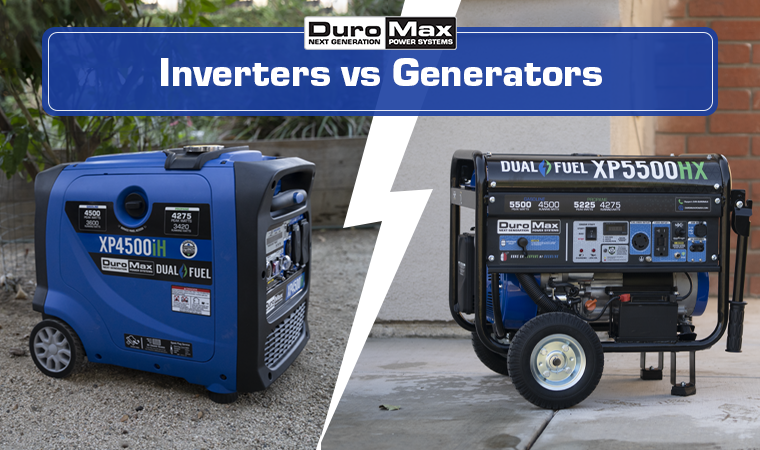
Credit: www.duromaxpower.com
Power Source Comparison
Choosing between a generator and an inverter involves understanding their power sources. Each type has unique features that affect performance. Knowing these differences helps in making the right choice for your needs.
Fuel Type Options
Generators typically run on gasoline, diesel, or propane. These fuel types provide reliable power. They are great for heavy-duty tasks. Inverters, on the other hand, use batteries. These batteries can be charged using solar energy or from a wall outlet. This makes inverters quieter and cleaner. They are ideal for small appliances and electronics.
Energy Efficiency
Energy efficiency varies between generators and inverters. Generators often waste fuel when running. They need more fuel to produce power. In contrast, inverters convert energy more effectively. They use only what is necessary. This efficiency leads to less fuel consumption. Inverters also produce clean power, protecting sensitive devices.
Performance Differences
Generators and inverters serve the same purpose. They provide power. However, their performance differs in key areas. Understanding these differences helps in making the right choice.
Output Consistency
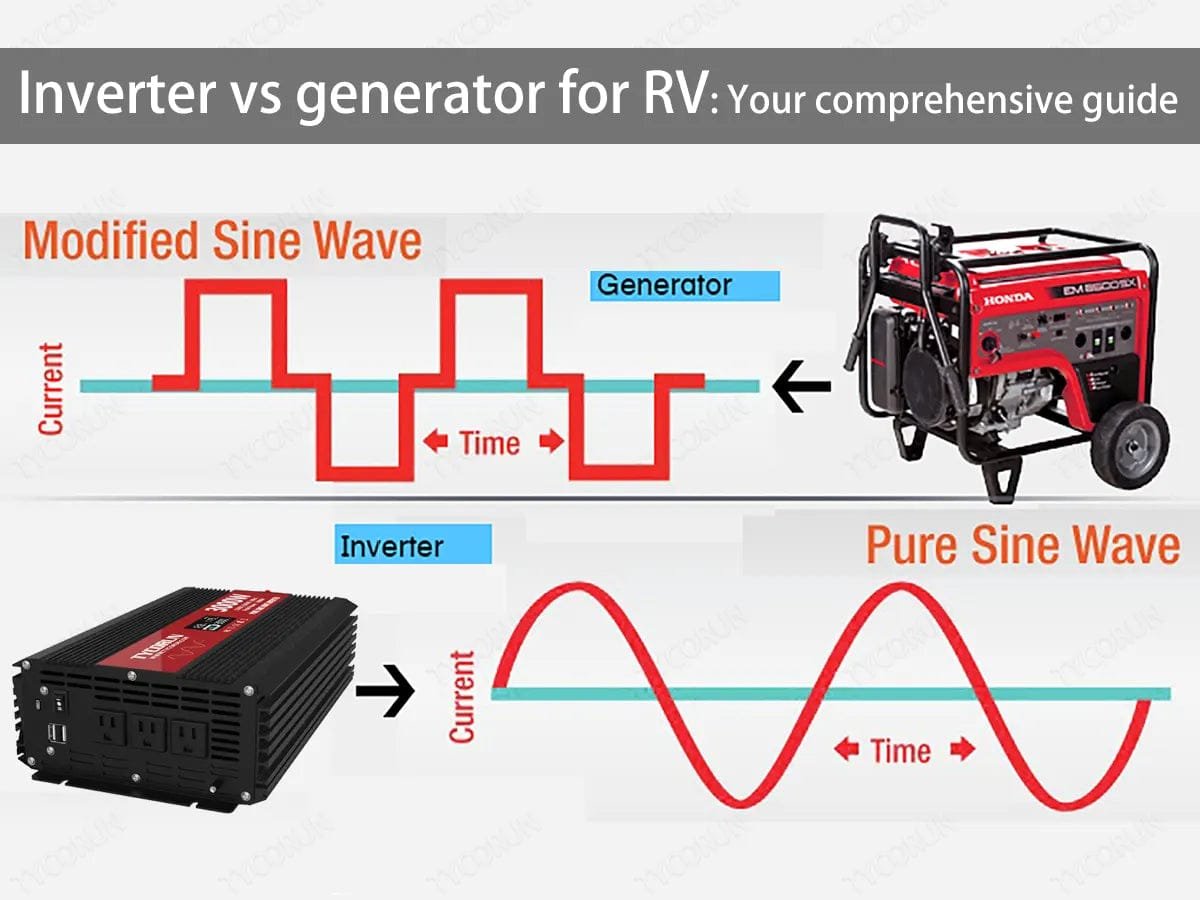
Generators produce a steady flow of electricity. They typically run at a constant speed. This means the output can vary. It may not be safe for sensitive devices.
Inverters offer a stable output. They convert DC to AC power. This creates smooth and clean electricity. Inverters are ideal for electronics like laptops and TVs.
Noise Levels
Generators can be noisy. They often have larger engines that produce sound. This can be a problem in quiet areas.
Inverters are quieter. They use advanced technology to minimize noise. This makes them suitable for camping or residential use.
Cost Considerations
Cost considerations play a key role in choosing between a generator and an inverter. Generators usually have lower upfront costs but higher fuel expenses. Inverters are often pricier initially but offer better fuel efficiency and quieter operation, making them a valuable long-term investment.
Cost considerations play a crucial role in choosing between a generator and an inverter. Understanding the financial implications can help you make an informed decision that fits your needs and budget. Let’s break down the initial investment and ongoing maintenance expenses associated with both options.Initial Investment
The initial cost is often the first thing to consider. Generators typically have a lower upfront price. You can find portable generators starting around $300, while larger stationary units can cost several thousand dollars. Inverters, on the other hand, tend to be pricier. A good quality inverter may start at about $600 and can go up significantly based on its capacity. Think about your specific requirements. Do you need a powerful unit for heavy-duty appliances, or will a smaller model suffice?Maintenance Expenses
Maintenance costs can add up over time. Generators require regular oil changes, filter replacements, and occasional repairs. This can mean spending anywhere from $100 to $300 annually, depending on usage. Inverters generally demand less upkeep. Many have fewer moving parts, which leads to lower maintenance costs. You might spend about $50 to $100 a year, mainly for battery care and occasional checks. Consider your lifestyle and how often you plan to use your power source. Are you prepping for emergencies, or do you need consistent power for daily use? Your answer may significantly affect your long-term expenses.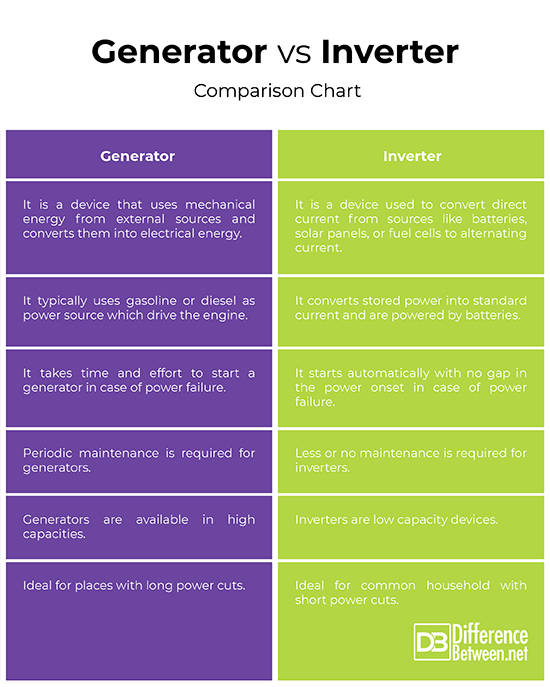
Credit: www.differencebetween.net
Portability And Size
Generators are often larger and heavier, making them less portable. Inverters are smaller and lighter, making them easy to transport. For camping or outdoor events, inverters usually offer better mobility.
Portability and size are crucial factors when choosing between a generator and an inverter. You want something that meets your power needs without weighing you down. Let’s break down the differences between these two options in terms of their compact designs and weight factors.Compact Designs
Generators are typically larger and bulkier. They’re designed to handle heavy loads and provide high wattage. This means they often come with larger engines and fuel tanks, which can take up significant space. Inverters, on the other hand, boast a more compact design. Many models are small enough to fit in a car trunk or even a backpack. If you need power while camping or during a power outage, a portable inverter can easily come along without taking up much room. Think about your lifestyle. Do you often find yourself in need of backup power during outdoor adventures? A compact inverter could be your best friend.Weight Factors
Weight is another significant consideration. Traditional generators can weigh anywhere from 50 to over 200 pounds. This heft makes them less portable and can be a hassle to transport. Conversely, most inverters are lightweight, often weighing between 20 to 50 pounds. Their lighter design means you can carry them easily, whether you’re heading to a picnic or a worksite. Have you ever tried lifting a heavy generator alone? It can be a struggle. With an inverter, you can quickly grab it and go, making it a practical choice for many users. Choosing between a generator and an inverter often comes down to your specific needs for portability and size. What will work best for your situation?Environmental Impact
The choice between generators and inverters affects our planet. Each has different effects on air quality and noise levels. Understanding these impacts helps us make informed decisions.
Emissions Levels
Generators often run on fossil fuels. They emit harmful gases like carbon monoxide and nitrogen oxides. These emissions contribute to air pollution. Inverters, on the other hand, are more efficient. They produce fewer emissions, making them better for the environment.
Some inverters can use renewable energy sources. This further reduces their carbon footprint. Lower emissions mean cleaner air and a healthier planet.
Eco-friendly Features
Inverters come with features that support eco-friendliness. Many are designed to be quieter than traditional generators. Less noise pollution is better for wildlife and communities.
Some models allow for solar panel connections. This feature enhances their eco-friendly appeal. Generators lack these advanced options, making inverters the greener choice.
Choosing an inverter can lead to a more sustainable lifestyle. Every small step counts in protecting our environment.
Ideal Applications
Generators and inverters serve different purposes. Understanding where to use each can help you decide. Here are some ideal applications for both.
Home Backup Power
Generators are great for home backup power. They can keep your home running during a blackout. A powerful generator can supply energy for all your appliances.
Inverters are useful for smaller power needs. They work well for charging devices like phones and laptops. Inverter systems are quieter and produce clean energy.
Outdoor And Recreational Use
Generators are perfect for camping and outdoor events. They can power tools, lights, and even small refrigerators. A portable generator provides comfort in remote areas.
Inverters shine for recreational vehicles and tailgating. They are lightweight and easy to transport. Inverters produce less noise, making them ideal for quiet settings.
Durability And Lifespan
Generators are known for their strength and durability, often lasting longer than inverters. Inverters, while quieter and more efficient, may have a shorter lifespan under heavy use. Choosing between them depends on your needs for power and longevity.
When choosing between a generator and an inverter, one crucial aspect to consider is their durability and lifespan. These factors can significantly impact your investment, and understanding the differences can help you make the right choice for your needs.Wear And Tear
Generators often face more wear and tear than inverters. This is due to their heavier components and reliance on mechanical parts, which can be prone to breakdowns over time. Frequent use in harsh conditions can accelerate this wear. If you’re using a generator for extended periods, be prepared for maintenance costs to rise. On the other hand, inverters are generally more robust. They have fewer moving parts, which means less friction and a lower chance of failure. This design leads to a longer lifespan for most models.Long-term Reliability
Reliability is key when you need power consistently. Generators can provide that, but they require regular maintenance to ensure they run smoothly. Neglecting upkeep can lead to unexpected failures, especially during critical moments. Inverters, however, are designed for efficiency and reliability. Many users report that their inverters last years longer than their generators, often without needing substantial repairs. Consider your usage patterns. If you rely on power for essential tasks, investing in a quality inverter could save you money and hassle in the long run. What are you willing to sacrifice for peace of mind in power supply?
Credit: www.solentpower.co.uk
Frequently Asked Questions
What Is The Main Difference Between Generator And Inverter?
Generators produce electricity from mechanical energy, while inverters convert DC power to AC. Generators typically run on fuel, offering continuous power. Inverters, on the other hand, are often quieter and more efficient for smaller loads. Understanding this difference is crucial for choosing the right power source for your needs.
Which Is Better For Home Use: Generator Or Inverter?
For home use, inverters are generally better for safety and efficiency. They provide clean power without fluctuations, protecting sensitive electronics. Generators are suitable for larger power needs but can be noisy and require fuel. Your choice depends on the appliances you need to power and your noise tolerance.
Are Inverters More Fuel-efficient Than Generators?
Yes, inverters are typically more fuel-efficient than traditional generators. They adjust their output based on the load, consuming less fuel. This efficiency translates to cost savings over time, especially for smaller applications. If you’re looking for a cost-effective option, inverters may be the better choice.
Can A Generator Power Sensitive Electronics Safely?
Generators can power sensitive electronics, but they may not provide clean power. The voltage output can fluctuate, potentially damaging your devices. Using a generator with a built-in inverter or a separate inverter can help ensure stable power. Always check the specifications before connecting sensitive equipment.
Conclusion
Choosing between a generator and an inverter depends on your needs. Generators provide more power for heavy appliances. They work well for long usage times. Inverters are quieter and more efficient for small devices. They are great for short trips or camping.
Think about your power requirements. Consider portability and noise levels too. Both options have their pros and cons. Make a choice that fits your lifestyle best. Understanding these differences helps you make an informed decision. Power your life with the right tool for your needs.