
When it comes to electrical systems, understanding the difference between a generator and a transformer is crucial for anyone interested in energy production and distribution. You might think these two devices serve the same purpose, but they play very different roles.
A generator converts mechanical energy into electrical energy, while a transformer adjusts the voltage of that electrical energy for safe transmission. You’ll discover how each device works, their key differences, and why that matters for your projects or interests. Whether you’re a student, a DIY enthusiast, or just curious about how electricity powers your life, grasping these concepts can empower you to make informed decisions.
Keep reading to unlock the secrets behind generators and transformers, and find out which one is right for your needs.
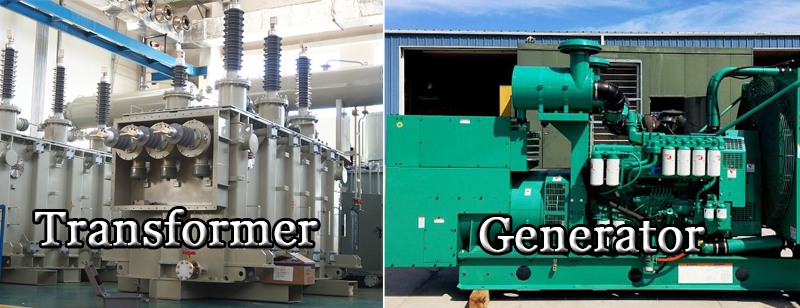
Credit: www.daelimtransformer.com
Core Functions
The core functions of generators and transformers are fundamental to understanding how they operate within electrical systems. While both play crucial roles in electricity management, their purposes and mechanisms differ significantly. Let’s break down these core functions.
Core Function Of Generators
Generators convert mechanical energy into electrical energy. They achieve this through electromagnetic induction, where a coil rotates within a magnetic field. This process creates a flow of electric current, powering homes and industries.
Think about your favorite camping trip. When you used a portable generator to power your devices, you relied on its ability to turn fuel into electricity. This showcases the generator’s primary role: providing immediate power when needed.
Core Function Of Transformers
Transformers, on the other hand, do not generate electricity. Instead, they transfer electrical energy between circuits. They adjust voltage levels, either stepping up or stepping down the voltage for efficient power distribution.
Imagine you’re watching a movie on your TV. The transformer ensures that the voltage coming from the power lines is at the right level for your device. Without transformers, your electronics would struggle to function correctly, leading to inefficiencies and potential damage.
Key Differences In Their Functions
- Energy Conversion:Generators convert energy from one form to another, while transformers manage energy already in electrical form.
- Voltage Management:Generators produce electricity at a certain voltage. Transformers modify that voltage to suit different applications.
- Application Context:Generators are often used in remote areas without a power grid, whereas transformers are integral to the power grid infrastructure.
Understanding these core functions can help you make informed decisions about energy use in your home or business. Do you know how your local power grid utilizes these devices? It’s fascinating to see how they work together to keep the lights on!
Operational Mechanism
The operational mechanism of generators and transformers varies significantly. Each device serves a unique purpose in the world of electricity. Understanding these differences helps grasp their functions better.
Generators: How They Work
Generators convert mechanical energy into electrical energy. They use a process called electromagnetic induction. A rotating coil moves through a magnetic field. This movement produces electricity.
Generators can run on various fuels. Common sources include gasoline, diesel, or natural gas. They are essential for power generation in many settings.
Transformers: Their Functionality
Transformers change voltage levels in electricity. They do this without changing the amount of power. A transformer has two coils of wire. One coil receives the electrical energy, and the other delivers it at a different voltage.
Transformers work on the principle of electromagnetic induction as well. They are vital for long-distance power transmission. High voltages reduce energy loss during transmission.
Key Differences In Operation
Generators create power, while transformers adjust power levels. Generators produce electricity from energy sources. Transformers manage the voltage of existing electricity.
Generators are often mobile, used in various locations. Transformers are usually stationary and part of the power grid.
Energy Conversion
Energy conversion is a key concept in electricity generation and distribution. It describes how one form of energy changes into another. Understanding this helps us see how generators and transformers work. Each plays a vital role in our electrical systems.
Generators: Converting Mechanical To Electrical Energy
Generators change mechanical energy into electrical energy. They use moving parts, often powered by fuel or wind. This motion spins a rotor inside a magnetic field. The movement creates electricity through electromagnetic induction. This process is efficient and reliable for power generation.
Transformers: Altering Voltage Levels
Transformers convert electrical energy from one voltage to another. They do not create energy. Instead, they adjust voltage for safe and efficient transport. High voltage is used for long-distance travel. Lower voltage is needed for homes and businesses. This process helps reduce energy loss.
Energy Loss In Conversion
Both generators and transformers can lose energy. Generators lose energy as heat during the conversion process. Transformers also lose some energy in the form of heat. These losses can affect overall efficiency. Understanding these losses helps improve designs and systems.
Importance Of Efficient Energy Conversion
Efficient energy conversion is crucial for sustainability. It reduces waste and maximizes output. Generators and transformers must be optimized for best performance. This helps meet growing energy demands while protecting the environment. Better technology leads to cleaner energy solutions.

Credit: texasgateway.org
Design And Structure
The design and structure of generators and transformers differ significantly. Each device serves a unique purpose in electrical systems. Understanding their designs helps clarify how they operate.
Generator Design
Generators convert mechanical energy into electrical energy. They have a rotor and a stator. The rotor spins inside the stator, creating electricity. This process relies on electromagnetic induction.
Most generators use copper wire coils. These coils are wrapped around a magnetic field. The design ensures efficient energy conversion. Generators can be large or small, depending on their use.
Transformer Design
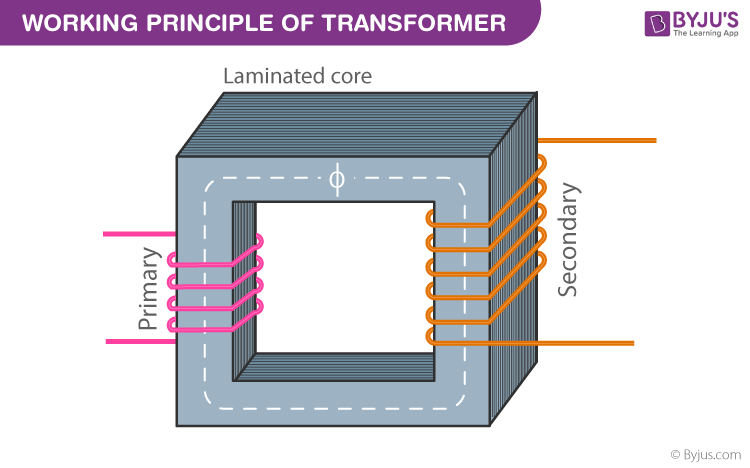
Transformers change the voltage of electricity. They consist of two coils of wire. These coils are wrapped around a magnetic core. The primary coil receives the input voltage.
The secondary coil delivers the output voltage. The design allows for energy transfer without moving parts. Transformers are usually lighter than generators. They vary in size, from small units to large installations.
Key Structural Differences
Generators require movement to function. Their structure supports spinning parts. Transformers rely on stationary coils and magnetic fields. This fundamental difference affects their applications.
Generators often have complex designs. They include engines, bearings, and cooling systems. Transformers are simpler, focusing on efficient energy transfer.
Applications In Industries
Understanding the distinct applications of generators and transformers in various industries can help you make informed decisions for your projects. Both devices play critical roles, but their functions and uses differ significantly. Let’s dive into how each is utilized across different sectors.
Generators In Power Generation
Generators are vital for producing electrical energy. They convert mechanical energy into electrical power, making them essential in power plants.
Industries heavily rely on generators during power outages. Hospitals, for instance, use backup generators to ensure continuous operation of life-saving equipment.
- Construction sites utilize portable generators for tools and machinery.
- Events and festivals depend on generators to power lighting and sound systems.
Transformers In Electrical Distribution
Transformers are crucial for transmitting electricity over long distances. They adjust voltage levels to minimize energy loss during distribution.
Utility companies use transformers to step up voltage for transmission and step down voltage for consumer use. This ensures safety and efficiency in delivering power to homes and businesses.
- Industrial plants employ transformers to manage high voltage equipment.
- Renewable energy sources, like solar farms, utilize transformers to connect to the grid.
Generators In Remote Locations
Generators shine in remote areas lacking a stable power grid. They provide reliable electricity for mining operations, remote research facilities, and rural communities.
Imagine working in a remote research station. You depend on a generator for heating and power, making it indispensable for your daily activities.
Transformers In Renewable Energy Systems
Transformers play a significant role in renewable energy systems. They help integrate solar and wind energy into the existing power grid.
As more industries focus on sustainability, transformers help manage the fluctuations in energy output from these sources.
Can you picture the future of energy? With transformers optimizing renewable energy usage, we could achieve a greener planet.
Understanding the applications of generators and transformers helps you recognize their importance in various industries. Whether ensuring power in emergencies or optimizing energy distribution, both devices are indispensable.
Which device do you think plays a more crucial role in your industry? Share your thoughts!
Efficiency Comparison
The efficiency of generators and transformers plays a crucial role in determining their performance and suitability for various applications. Understanding how each device operates can help you make informed decisions about energy use. Let’s break down their efficiency levels and what that means for you.
Efficiency Of Generators
Generators convert mechanical energy into electrical energy. Their efficiency typically ranges from 75% to 90%. Factors like load, fuel type, and maintenance can impact this efficiency.
When I first used a portable generator for a camping trip, I noticed how quickly it drained fuel when under heavy load. This experience highlighted the importance of matching the generator’s capacity to your actual needs. Overloading can reduce efficiency significantly.
Efficiency Of Transformers
Transformers, on the other hand, are designed to transfer electrical energy between circuits. They boast impressive efficiency levels, often exceeding 95%. Their design minimizes energy loss, making them a vital component in electrical distribution.
Have you ever thought about how much energy is lost in transmission? A well-designed transformer can ensure that you receive nearly all the energy generated. This can lead to significant savings on electricity bills.
Comparative Analysis
| Device | Typical Efficiency | Key Factors Affecting Efficiency |
|---|---|---|
| Generator | 75% – 90% | Load, fuel type, maintenance |
| Transformer | 95%+ | Design, load conditions |
Generators may struggle with efficiency under varying loads, while transformers maintain high efficiency regardless of conditions. This difference can impact your energy costs and reliability in different settings. Are you considering the right device for your energy needs?
Choosing between a generator and a transformer requires understanding their efficiency. If you’re looking for reliability and minimal energy loss, transformers stand out. Generators are excellent for specific applications but require careful management to optimize efficiency.
Maintenance Requirements
Maintaining generators and transformers is essential for their performance. Each has specific needs. Understanding these needs helps avoid failures. Regular maintenance can extend their lifespan and efficiency.
Generator Maintenance
Generators require routine inspections. Check oil levels and filters regularly. Cleaning the air filter is crucial for smooth operation. Fuel quality affects performance. Always use clean and fresh fuel.
Battery maintenance is also important. Keep terminals clean and connections tight. Test the battery’s charge regularly. This ensures reliable starting.
Inspect belts and hoses for wear. Replace them if they show signs of damage. Schedule regular professional servicing for deeper checks.
Transformer Maintenance
Transformers have different maintenance needs. Regular visual inspections are key. Look for signs of leaks or corrosion. Check the integrity of insulation regularly.
Cooling systems must be monitored. Ensure they are functioning properly. Overheating can damage transformers. Cleaning the cooling fins helps maintain efficiency.
Test the electrical connections. Loose connections can cause issues. Schedule periodic testing to ensure proper operation.
Both generators and transformers benefit from good maintenance. Stay proactive to avoid costly repairs. Regular checks lead to better performance.
Cost Analysis
Understanding the costs of generators and transformers is essential. Each device serves different needs and has unique expenses. This section breaks down the costs associated with both.
Initial Purchase Costs
Generators often have higher initial purchase costs. They require complex engines and additional components. The prices can vary based on size and brand.
Transformers generally cost less upfront. They are simpler devices. Most transformers are built for specific voltage requirements.
Maintenance Expenses
Generators need regular maintenance. This includes oil changes and filter replacements. The cost of parts and labor adds up over time.
Transformers have lower maintenance needs. They usually only require inspections. This makes their upkeep less expensive compared to generators.
Operational Costs
Generators consume fuel during operation. This leads to ongoing fuel costs. The type of fuel also affects overall expenses.
Transformers do not use fuel. They convert electrical energy without additional costs. This can make them more economical in the long run.
Longevity And Replacement
Generators may need replacement sooner. Their engines wear out with heavy use. This can lead to higher long-term costs.
Transformers are built to last. They can function for decades with proper care. This durability can save money over time.
Environmental Impact
The environmental impact of generators and transformers is an essential aspect to consider, especially as we strive for more sustainable energy solutions. Both devices play critical roles in the energy landscape, yet they differ significantly in their environmental footprints. Understanding these differences can help you make more informed choices for your energy needs.
Generators: Emissions And Noise Pollution
Generators typically run on fossil fuels, which contribute to greenhouse gas emissions. This can lead to air pollution and climate change, affecting both health and the environment.
Noise pollution is another concern. Many generators produce loud sounds, disrupting the peace in residential areas. Living near a generator can be quite unsettling, especially during extended power outages.
Transformers: Energy Loss And Efficiency
Transformers are generally more efficient than generators. They reduce energy loss during transmission, which means less fuel is burned to generate electricity.
However, transformer installations can also have environmental impacts. For instance, if they leak oil, it can contaminate soil and water sources. Proper maintenance is crucial to mitigate these risks.
Renewable Alternatives
The rise of renewable energy sources offers a promising alternative. Solar panels and wind turbines reduce reliance on fossil fuels, decreasing emissions significantly.
Consider the impact of switching to solar energy. You could not only reduce your carbon footprint but also lower your energy bills. Is it time to rethink your energy sources?
Making Sustainable Choices
When choosing between a generator and a transformer, think about your long-term impact. Are you willing to invest in cleaner technologies?
Research local regulations and available incentives for renewable options. Sometimes, the upfront costs are offset by savings over time.
Ultimately, your choices can drive change. What steps will you take towards a more sustainable future?
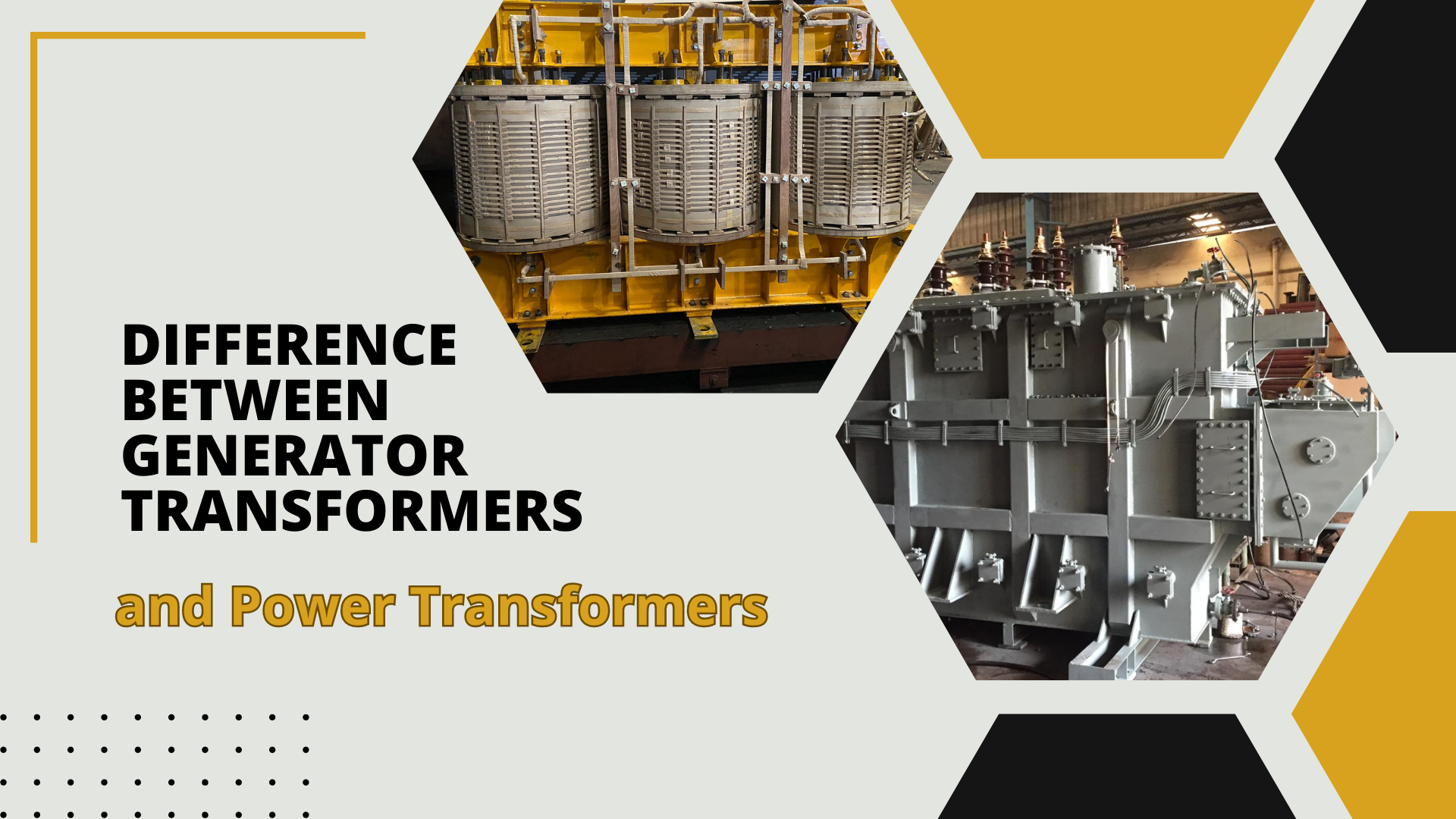
Credit: makpowertransformer.com
Future Trends
Generators and transformers play key roles in electricity. Generators produce electrical power, while transformers change voltage levels for safe distribution. Understanding their differences is vital for future energy solutions. As technology evolves, their functions will adapt to meet new energy demands.
The future of energy systems is evolving rapidly, especially in the realms of generators and transformers. As technology advances, so do the applications and efficiencies of these devices. Understanding upcoming trends in this field can help you make informed decisions about energy solutions.Innovative Technologies
New technologies are shaping the future of generators and transformers. – Smart Grid Integration: Generators are increasingly being integrated into smart grids. This allows for real-time data analysis and improved energy distribution. – Renewable Energy Sources: Solar and wind generators are gaining traction. Their efficiency is on the rise, making them viable options for sustainable energy. – Advanced Transformers: Innovations like amorphous steel transformers reduce energy loss. These improvements enhance the overall efficiency of electrical systems.Environmental Considerations
The push for greener energy solutions is undeniable. – Lower Emissions: Future generators aim to produce fewer emissions. This aligns with global sustainability goals and regulatory standards. – Recyclable Materials: More manufacturers are using recyclable materials in transformers. This not only reduces waste but also appeals to eco-conscious consumers. – Energy Storage Systems: Integrating energy storage with generators can optimize energy use. This is crucial for balancing supply and demand.Market Trends
Understanding market trends can help you stay ahead. – Increased Demand: The need for reliable power is growing. As industries expand, generators and transformers become essential. – Cost Efficiency: Innovations are driving costs down. You can expect more affordable options without compromising on quality. – Hybrid Solutions: Combining traditional and renewable sources is becoming common. This flexibility can cater to various energy needs. Future developments in generators and transformers promise exciting possibilities. How prepared are you to embrace these changes? Keeping an eye on these trends can help you make smarter choices for your energy needs.Frequently Asked Questions
What Is The Main Function Of A Generator?
A generator converts mechanical energy into electrical energy. It produces electricity through electromagnetic induction. This process involves rotating coils within a magnetic field. Generators are essential for supplying power to homes, businesses, and industries, especially in remote areas.
How Does A Transformer Work?
A transformer transfers electrical energy between circuits. It uses electromagnetic induction to change voltage levels. By increasing or decreasing voltage, transformers help to efficiently transmit electricity over long distances. This ensures that power reaches consumers safely and effectively.
What Are The Main Differences Between Generators And Transformers?
Generators produce electricity, while transformers modify voltage levels. Generators require fuel or mechanical energy to operate. In contrast, transformers rely on existing electrical currents. Their roles are complementary in power systems, with generators supplying energy and transformers optimizing its distribution.
Can A Generator And Transformer Be Used Together?
Yes, generators and transformers are often used together. Generators create electricity that can be transmitted over long distances. Transformers adjust the voltage for safe and efficient delivery. This combination is crucial for reliable power supply in various applications, from homes to industries.
Conclusion
Generators and transformers serve different purposes. Generators create electricity, while transformers change voltage levels. Understanding these differences helps in choosing the right equipment for your needs. Both play vital roles in energy systems. Knowing how they work can improve efficiency and safety.
Choose wisely based on your specific requirements. This knowledge empowers you to make informed decisions. Always prioritize your needs and goals. By doing so, you ensure a reliable energy solution.