
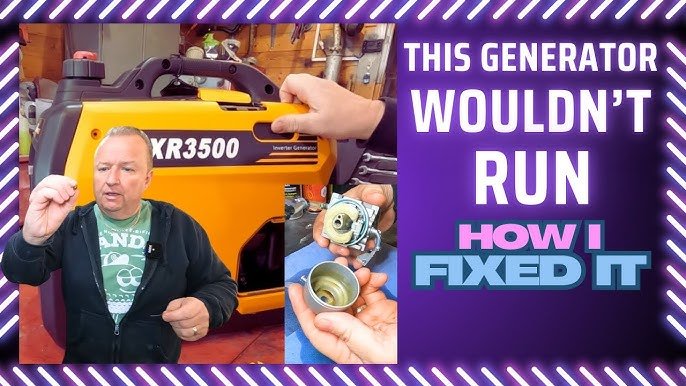
Is your generator refusing to start after a long run? You’re not alone.
Many people face this frustrating issue, and it can leave you feeling stuck and helpless. Whether you rely on your generator for power outages, outdoor events, or construction sites, a malfunction can disrupt your plans. You need answers, and fast.
We’ll explore common reasons why your generator won’t start and offer practical solutions to get it up and running again. You’ll discover easy troubleshooting tips and maintenance advice that could save you time and money. By the end, you’ll be equipped with the knowledge to tackle this problem head-on. Don’t let a stubborn generator ruin your day—read on to regain control and peace of mind!

Credit: www.facebook.com
Common Causes Of Starting Issues
A generator that won’t start after running can have several common causes. Check the fuel level, as it may be low or empty. Also, consider issues with the battery, spark plug, or air filter, which can affect performance and starting.
Starting issues with your generator can be frustrating, especially after you’ve just used it. Understanding the common causes of these problems can save you time and hassle. Let’s break down some typical reasons why your generator might not start after running.Fuel-related Problems
Fuel is the lifeblood of your generator. If your generator won’t start, check the fuel level first. – Empty Tank: It may sound simple, but sometimes the tank is just empty. – Old Fuel: Fuel can degrade over time. If you haven’t used your generator in a while, the fuel might be stale. – Clogged Fuel Filter: A clogged filter can restrict fuel flow. This can prevent your generator from getting the fuel it needs to start. Have you ever found yourself in a situation where you thought you had enough fuel, only to find out you were mistaken? It’s a common oversight.Spark Plug Malfunctions
The spark plug ignites the fuel-air mixture in your generator. If it’s not functioning properly, your generator won’t start. – Worn Out Spark Plug: Over time, spark plugs can wear down. A worn plug may not create a strong enough spark. – Dirty Spark Plug: Carbon buildup can lead to starting issues. A quick cleaning might solve the problem. – Loose Connections: Ensure that the spark plug is tightly connected. A loose connection can disrupt the ignition process. Have you checked your spark plug lately? Sometimes a simple inspection can save you from bigger headaches.Battery Issues
Your generator relies on a battery to start. If the battery isn’t working, your generator won’t respond. – Dead Battery: A battery can lose its charge, especially in cold weather. – Corroded Terminals: Check for corrosion on the battery terminals. This can hinder the electrical flow. – Loose Connections: Ensure the battery cables are securely fastened. A loose connection can cause starting problems. Have you ever jumped a car battery? The same principle applies here.Oil Level Concerns
Oil plays a crucial role in your generator’s performance. Low oil levels can trigger safety mechanisms that prevent starting. – Low Oil Level: Always check your oil level before starting your generator. – Old Oil: Oil can become contaminated over time. Regular changes are essential for optimal performance. – Oil Sensor Issues: Some generators have sensors that prevent starting if oil levels are too low. Have you ever forgotten to check the oil? It’s an easy mistake that can lead to unnecessary frustration. Understanding these common causes can help you troubleshoot your generator effectively. Regular maintenance and checks can prevent many of these issues, ensuring your generator starts when you need it most. What steps will you take today to ensure your generator is ready for action?Inspecting The Fuel System
The fuel system plays a crucial role in your generator’s performance. A problem here can stop your generator from starting. Inspecting the fuel system should be your first step. Here’s how to check it effectively.
Checking For Stale Fuel
Stale fuel can cause starting issues. Fuel can go bad after a few months. Check the fuel date. If it’s older than three months, replace it. Fresh fuel helps your generator run smoothly. Always use fuel that meets the manufacturer’s specifications.
Clogged Fuel Lines Or Filters
Clogged fuel lines or filters can block fuel flow. This can prevent the engine from starting. Inspect the fuel lines for any visible clogs. Look for cracks or damage too. Replace any damaged parts. Clean or replace filters as needed. Proper fuel flow is essential for starting.
Carburetor Blockages
The carburetor mixes air and fuel for combustion. Blockages here can cause starting problems. Remove the carburetor for inspection. Look for dirt or debris inside. Clean it thoroughly. Ensure all jets are clear. A clean carburetor is key for smooth operation.
Examining The Ignition System
The ignition system is vital for your generator’s operation. It creates the spark needed to ignite the fuel. Without this spark, the generator will not start. Understanding how to check this system is key to troubleshooting.
Common issues include a damaged spark plug or a faulty ignition coil. These parts wear out over time. Regular checks can save you time and money.
Testing The Spark Plug
The spark plug is essential for starting your generator. If it is dirty or damaged, it can cause starting issues. First, remove the spark plug using a socket wrench. Check for carbon buildup or cracks. Clean the spark plug with a wire brush. If it’s too worn, replace it.
Once cleaned or replaced, reinsert the spark plug. Make sure it is snug but not too tight. A good spark plug helps ensure reliable starts.
Replacing A Faulty Ignition Coil
The ignition coil boosts the battery’s voltage. This process creates a strong spark. If the coil is faulty, the spark may be weak or absent. To check it, first, disconnect the coil from the generator.
Use a multimeter to test the coil’s resistance. A reading outside the recommended range indicates a problem. If the coil is bad, replace it with a new one. Ensure all connections are secure after installation.
A working ignition coil can solve many starting issues. Regular checks can prevent future problems.

Credit: www.youtube.com
Testing The Battery And Electrical Components
A generator that won’t start after running may have battery or electrical issues. Testing the battery and electrical components is essential. Check for loose connections, low voltage, or damaged parts to identify the problem. Proper maintenance can help prevent these issues in the future.
Testing the battery and electrical components is essential when your generator won’t start after running. Often, the source of the problem lies within these areas. By thoroughly checking the battery and electrical systems, you can identify issues that may prevent your generator from functioning properly.Battery Charge And Connections
Start with the battery. Is it charged? A weak or dead battery is a common culprit. – Check the battery voltage with a multimeter. A reading below 12.4 volts usually indicates a low charge. Next, inspect the connections. Loose or corroded terminals can disrupt the flow of electricity. – Make sure connections are tight and free from corrosion. If you see any rust or buildup, clean it off with a wire brush. Have you ever had a battery that looked fine but just wouldn’t start? That’s often because of poor connections.Inspecting Fuses And Wiring
Fuses play a critical role in your generator’s electrical system. They protect components from overload. – Check the fuses for any signs of damage or burn marks. Replace any blown fuses immediately. Next, look at the wiring. Damaged or frayed wires can lead to electrical failures. – Inspect all visible wiring for wear and tear. If you find any issues, consider replacing the damaged sections. Have you ever overlooked a simple fuse only to find it was the root of your problem? Sometimes, the simplest checks can save you time and frustration. Taking the time to test the battery and electrical components can lead you to a quick and effective solution. Don’t let a small issue keep your generator from running smoothly.Assessing The Engine
A generator that won’t start after running can be frustrating. Checking the engine is the first step. Look for fuel issues, battery problems, or signs of overheating. These simple checks can help identify the cause of the problem.
Assessing the engine is crucial when your generator won’t start after running. Understanding the underlying issues can save you time and money. Let’s dive into two common problems: compression issues and overheating problems.Compression Issues
Low compression in the engine can hinder its ability to start. This often results from worn piston rings or damaged cylinder walls. To check for compression issues, you can use a compression gauge. Here’s how: – Remove the spark plug. – Insert the compression gauge into the spark plug hole. – Crank the engine for a few seconds. If the reading is below the manufacturer’s specifications, you may need to consider repairs or replacements. Have you ever experienced a sudden loss of power? It’s likely due to compression loss, and it can happen without warning.Overheating Problems
Overheating can cause your generator to shut down unexpectedly. It might be due to low oil levels or a clogged cooling system. Check the oil level first. If it’s low, fill it up and see if that resolves the issue. Next, inspect the cooling system: – Clean the air filter. – Clear any debris from the exhaust. – Ensure the radiator is not blocked. If the generator still won’t start, it might be time to examine the thermostat or water pump. Have you noticed any unusual noises or smells before the shutdown? Those could be warning signs of overheating that should not be ignored. Taking the time to assess these engine issues can lead to a quick resolution and get your generator back in action.
Credit: www.bellperformance.com
Air Filter And Ventilation Checks
After running your generator, you might encounter the frustrating issue of it not starting up again. One common culprit could be related to the air filter and ventilation system. Ensuring these components are clean and functioning properly can make a significant difference in your generator’s performance.
Cleaning Or Replacing The Air Filter
A dirty air filter can restrict airflow, leading to poor engine performance. Regularly check your generator’s air filter for dirt and debris. If it looks clogged, it’s time to clean or replace it.
- Cleaning:Use compressed air to blow out any dust and dirt.
- Replacing:If the filter is damaged or excessively dirty, buy a new one. They are often affordable and easy to install.
Neglecting the air filter can lead to bigger issues down the line. A clean filter will help your generator run efficiently, ultimately saving you time and money.
Ensuring Proper Airflow
Proper airflow is essential for your generator to function correctly. Check for any obstructions around the air intake and exhaust. Even something as simple as grass clippings can hinder airflow.
Make it a habit to clear away debris regularly. This small task can prevent overheating and prolong your generator’s life.
Are you doing enough to ensure your generator has the air it needs? Regular checks can help avoid unexpected failures when you need your generator the most.
Resetting The Generator
After running, a generator may stop working. This can be frustrating. Resetting the generator often helps. There are two main ways to do this.
Using The Manual Reset Function
Many generators have a manual reset button. This button is usually located near the control panel. Press this button to reset the generator. It can clear minor errors. If the generator still does not start, check the manual. Each model may have a different reset process.
Allowing Cool-down Time
Generators can overheat when running for long periods. If this happens, allow the generator to cool down. Turn it off and wait for about 15 to 30 minutes. This can help prevent damage. After cooling, try starting the generator again. It may work perfectly.
Preventive Maintenance Tips
Keeping your generator in good shape is important. Regular maintenance helps avoid starting issues. Here are some easy tips to follow.
Regular Oil Changes
Changing the oil often is key for your generator’s health. Old oil can cause damage. Check the oil level every month. Change the oil every 50 hours of use. Use the right type of oil for your generator.
Seasonal Storage Preparation
Preparing your generator for storage is essential. Clean it before storing. Drain the fuel to prevent clogs. Cover it to protect from dust and moisture. Store it in a dry place. Check it regularly during the off-season.
Periodic System Inspections
Inspect your generator every few months. Look for leaks, rust, or wear. Test the battery and connections. Make sure all parts work well. Fix any issues right away. Regular checks can save you time and money.
Frequently Asked Questions
Why Won’t My Generator Start After Running?
If your generator won’t start after running, it could be due to several issues. Common causes include fuel problems, clogged filters, or electrical issues. Check the fuel level, battery connections, and ensure the oil is at the correct level. Troubleshooting these areas can help identify the root cause.
How Do I Troubleshoot A Non-starting Generator?
To troubleshoot a non-starting generator, start with basic checks. Ensure there’s enough fuel, the battery is charged, and the oil level is adequate. Inspect for any visible damage, loose connections, or blown fuses. If these steps don’t resolve the issue, consult the user manual for specific troubleshooting advice.
What Are Common Reasons For Generator Starting Issues?
Common reasons for generator starting issues include fuel starvation, battery failure, or a faulty ignition system. Additionally, dirty air filters or spark plugs can hinder performance. Regular maintenance and prompt attention to these issues can prevent starting problems and extend the lifespan of your generator.
Should I Check The Fuel Filter First?
Yes, checking the fuel filter first is advisable. A clogged fuel filter can restrict fuel flow, preventing the generator from starting. Regularly inspecting and replacing the fuel filter as part of maintenance ensures optimal performance. It’s a simple step that can save time and effort in troubleshooting.
Conclusion
A generator that won’t start can be frustrating. It often signals an issue that needs attention. Check fuel levels first. Inspect the battery and connections too. Regular maintenance can prevent many problems. Keep the air filter clean and change the oil as needed.
Understanding common issues helps you troubleshoot effectively. Don’t hesitate to seek help if you’re unsure. Taking these steps can get your generator running again. Stay prepared for the next power outage. A reliable generator is essential for peace of mind.