
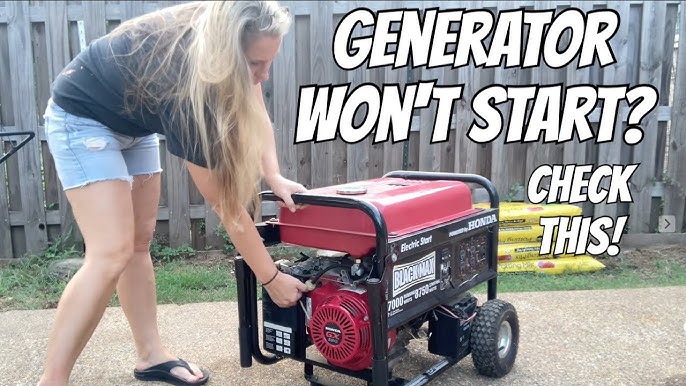
Have you ever found yourself in a situation where your generator won’t start because of old gas? You’re not alone.
Many people face this frustrating issue, especially when they need power the most. The truth is, old gas can cause serious problems for your generator, leaving you scrambling for answers. But don’t worry; you’ll discover why this happens and how to fix it.
You’ll learn practical tips to get your generator running smoothly again. Whether you’re a seasoned DIYer or a beginner, you’ll find valuable insights to save you time and money. Keep reading to take control of your generator issues and ensure you’re always prepared.

Credit: www.reddit.com
Common Causes Of Startup Issues
Generators can fail to start for many reasons. Old gas is a common problem. Understanding these issues helps in troubleshooting effectively. Let’s explore the main causes of startup problems.
Impact Of Old Gas
Gasoline can go bad over time. Old gas loses its ability to ignite. It can create starting problems. This is especially true for gas older than three months. The chemical makeup changes, causing engine issues. Stale gas can also lead to deposits in the fuel system.
Clogged Fuel System
A clogged fuel system can block gas flow. Dirt and debris build up in the fuel lines. This can happen from using old gas. A clogged filter can also prevent fuel from reaching the engine. Regular maintenance can help avoid this issue. Check the fuel lines for blockages.
Dirty Spark Plug
A dirty spark plug can stop the engine from starting. Carbon buildup can prevent the spark. This is crucial for ignition. Inspecting and cleaning spark plugs is essential. If they are too worn, replacement is necessary. A clean spark plug ensures a strong spark.
Faulty Carburetor
The carburetor mixes air and fuel for combustion. If it is faulty, the mixture can be wrong. This can lead to poor engine performance. Dirty carburetors can also cause starting issues. Regular cleaning and maintenance are key. Always ensure the carburetor is in good condition.

Credit: www.youtube.com
Testing The Fuel System
Old gas can cause your generator to fail. Testing the fuel system is essential for a smooth restart. Check for clogged fuel lines and clean the carburetor to ensure proper fuel flow.
Testing the fuel system is crucial when your generator won’t start due to old gas. The quality of the fuel can significantly impact the performance of your generator. A simple assessment can save you time and money while ensuring your generator runs smoothly.Checking Gas Quality
Start by examining the gas. Old fuel degrades over time, leading to issues like varnish buildup. – Visual Inspection: Look for any discoloration or floating debris in the fuel. Fresh gas should be clear and bright. – Smell Test: If the fuel has a sour smell, it’s likely degraded and should be replaced. It’s essential to ensure you’re using high-quality fuel to avoid further complications. Have you ever experienced a generator hiccup because of bad gas? It can be frustrating, but identifying the problem early can save you headaches down the road.Draining Old Fuel
If you suspect the fuel is old, it’s time to drain it. Most generators have a fuel shutoff valve that makes this step easier. – Tools Needed: You’ll need a siphon pump or a suitable container to catch the old fuel. – Draining Process: Open the valve and let the old gas flow out completely. Make sure to dispose of the old fuel responsibly. Taking this step can rejuvenate your generator and prepare it for a fresh start. Have you ever drained fuel before? It can be surprisingly satisfying to eliminate that old, stale gas.Inspecting Fuel Lines
Once the old fuel is out, inspect the fuel lines for any cracks or clogs. Damaged lines can restrict fuel flow, causing starting issues. – Visual Check: Look for any signs of wear or leaks along the lines. – Cleaning: Use compressed air to clear any debris or blockages. A clean and intact fuel line is vital for your generator’s performance. When was the last time you checked your fuel lines? Regular maintenance can prevent many frustrating starting problems. Taking these steps to test your fuel system can greatly enhance your generator’s reliability. Your generator deserves the best care to keep it running when you need it most.Cleaning And Replacing Components
Old gas can prevent your generator from starting. Cleaning or replacing parts like the fuel filter and spark plug may help. Regular maintenance is key to keeping your generator running smoothly.
Cleaning and replacing components in your generator can make all the difference when it refuses to start due to old gas. Over time, fuel can leave behind residues that clog critical parts, leading to frustration and wasted time. Taking a few simple steps to clean or replace these components can revive your generator and save you from future headaches.Cleaning The Carburetor
The carburetor is often the first culprit when your generator won’t start. Old gas can leave varnish and gunk inside, affecting fuel flow. Start by removing the carburetor from the engine. Use a carburetor cleaner to spray the interior parts thoroughly. Pay special attention to jets and passages, as these areas can easily get clogged. After cleaning, let the carburetor dry completely before reassembling. This simple step can significantly improve your generator’s performance. Have you ever noticed a smoother start after a good cleaning?Replacing The Spark Plug
A worn-out spark plug can prevent your generator from starting, even if all other components are in good shape. If your spark plug looks dirty or corroded, it’s time for a replacement. Remove the old spark plug using a socket wrench. Check the gap on the new plug to ensure it matches the manufacturer’s specifications. Install the new spark plug, tightening it snugly but not overly tight. This small change can lead to a noticeable improvement in ignition. Have you checked your spark plug lately?Cleaning Fuel Filters
Fuel filters are essential in keeping dirt and debris from reaching your generator’s engine. If they become clogged, they can restrict fuel flow and cause starting issues. Locate the fuel filter and remove it carefully. Clean it with fuel or replace it entirely if it’s too dirty. Regular maintenance of your fuel filter can prevent bigger problems down the line. Make it a habit to check your fuel filter during each generator service. Are you making this simple check part of your routine? Taking the time to clean and replace these components can lead to a generator that starts easily, even after sitting for a while. Don’t let old gas keep you from getting the power you need.Preventive Measures For Future Issues
Old gas can cause a generator to fail at startup. To prevent this, always use fresh fuel. Regular maintenance and checking fuel quality will help avoid future problems. Store fuel properly and replace it regularly to ensure smooth operation.
Preventive measures can save you from the frustration of a generator that won’t start due to old gas. Taking steps to maintain your generator not only ensures reliability but also extends its lifespan. Simple actions can make a significant difference in keeping your generator in top shape.Using Fresh Gas
Always fill your generator with fresh gas. Gasoline can degrade over time, especially if it sits unused for weeks or months. You can avoid starting problems by replacing old gas with new fuel. Make it a habit to check the fuel level and quality before each use. If your generator has been idle for a while, drain any stale gas and refill it with fresh gasoline.Adding Fuel Stabilizer
Fuel stabilizers are your best friend when it comes to preventing old gas issues. These additives help keep gas fresh for longer periods. By adding a stabilizer when you fill your generator, you can slow down the oxidation process. Consider using a stabilizer especially during off-seasons or if you know your generator will sit unused for a while. Your future self will thank you when your generator starts smoothly after a long break.Regular Maintenance Tips
Regular maintenance is key to preventing issues with your generator. Create a schedule for checks and stick to it. Here are some essential maintenance tasks:- Change the oil every 50-100 hours of operation.
- Inspect and clean the air filter regularly.
- Check spark plugs and replace them if worn out.
- Keep the generator clean and free of debris.
When To Seek Professional Help
Generators are helpful tools. They provide power when you need it. But what happens when your generator won’t start? Old gas can cause issues. Sometimes, it is best to seek professional help. Here are some signs that point to needing a technician.
Signs Of Major Damage
Watch for signs that indicate serious problems. If your generator makes strange noises, that is a warning. Smoke or leaks can signal damage too. A burnt smell is another red flag. If you notice any of these signs, do not ignore them. They could mean your generator needs expert care.
Cost Vs. Benefit Analysis
Consider the cost of repairs versus buying a new generator. Sometimes repairs are expensive. If the cost is high, a new generator may be smarter. Calculate repair costs. Think about how often you use it. If repairs will not extend its life, it may be time for a replacement.

Credit: www.reddit.com
Frequently Asked Questions
Why Won’t My Old Gas Generator Start?
Old gas generators often face starting issues due to stale fuel. Gasoline can degrade over time, causing clogs in the fuel system. Additionally, other factors like a dead battery or worn-out spark plugs may contribute. Regular maintenance is crucial to ensure reliable operation.
How Can I Troubleshoot A Non-starting Generator?
To troubleshoot a non-starting generator, start by checking the fuel level and quality. Inspect the battery for charge and connections. Examine the spark plug for wear or damage. Finally, ensure that the oil levels are adequate, as low oil can prevent startup.
What Should I Do If The Fuel Is Stale?
If the fuel is stale, it’s best to drain the old gas completely. Replace it with fresh fuel to ensure optimal performance. You may also consider adding a fuel stabilizer in the future to prolong gasoline life. Regularly check your fuel and replace it as necessary.
Can I Use Old Gas In My Generator?
Using old gas in your generator is not recommended. Stale fuel can lead to poor performance and operational issues. Always opt for fresh gasoline to avoid damaging the engine. If you must use old gas, mix it with fresh fuel to dilute its effects.
Conclusion
Old gas can cause many problems for your generator. It may not start or run smoothly. Regular maintenance is key to avoiding these issues. Always use fresh fuel and store it properly. If your generator won’t start, check the gas first.
Clean or replace the fuel system parts as needed. A little care goes a long way. With the right steps, you can keep your generator running. Remember, prevention is easier than repair. Stay prepared and enjoy reliable power when you need it most.