
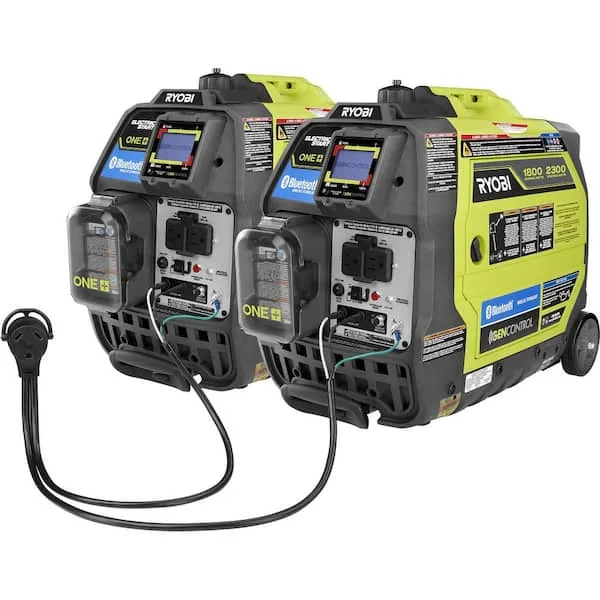
Are you looking to maximize your power supply? If so, understanding how generator parallel kits work can be a game changer for you.
These kits allow you to connect multiple generators, boosting your energy output and efficiency. Imagine having the flexibility to power more devices during outages or on your next outdoor adventure. We’ll break down the mechanics of generator parallel kits, the benefits they offer, and how you can set one up for your needs.
By the end, you’ll have the knowledge to make an informed decision about enhancing your power capabilities. Let’s dive in!
Basics Of Generator Parallel Kits
Generator parallel kits allow two or more generators to work together. This setup helps increase power output. It is useful for homes and businesses. Understanding how these kits function can help you use them effectively.
What Is A Generator Parallel Kit?
A generator parallel kit is a set of cables and connectors. It connects multiple generators. This connection lets them share the load. It helps in balancing the power output.
Benefits Of Using Parallel Kits
Using parallel kits offers several advantages. You can increase total power capacity. This setup provides flexibility for different power needs. It can improve fuel efficiency as well.
How Do They Connect?
Connecting generators with a parallel kit is simple. First, place the generators close together. Then, use the kit to connect them. Make sure to follow the instructions carefully.
Power Management
Power management is crucial in parallel setups. Each generator shares the load based on its capacity. This sharing helps prevent overload. Proper management enhances performance and lifespan.
Safety Considerations
Safety is important when using parallel kits. Ensure all connections are secure. Follow all safety guidelines to prevent accidents. Regular maintenance also helps ensure safe operation.
Key Components
Understanding generator parallel kits requires knowing their key components. Each part plays a role in making generators work together. Here are the main components you should know about.
Control Modules
Control modules are crucial for managing the generators. They monitor the output and balance the load. This ensures both generators work efficiently. The control module adjusts settings automatically. Users can also set them manually. Good control modules make parallel operation smooth.
Connection Cables
Connection cables link the generators. They carry power between units. Quality cables are essential for safety and efficiency. Properly sized cables prevent overheating. They also minimize power loss. Strong connections ensure stable operation during use.
Safety Mechanisms
Safety mechanisms protect both generators and users. They prevent overloads and electrical faults. Some kits include circuit breakers or fuses. These features stop power flow in emergencies. Always check safety components before using a parallel kit. They ensure safe operation and peace of mind.
Synchronization Process
Generator parallel kits allow multiple generators to work together. This synchronization process ensures they share the load evenly. Proper setup helps maintain a stable power supply and improves efficiency.
The synchronization process is crucial for the effective operation of generator parallel kits. This process ensures that multiple generators work together seamlessly, enhancing their collective output and efficiency. If you’ve ever experienced a power outage, you know the importance of having a reliable backup. Understanding how synchronization works can empower you to make informed decisions about your energy solutions.Voltage Matching
Achieving voltage matching is the first step in synchronization. Each generator must output the same voltage level to avoid electrical shocks or damage. – Testing Voltage: Before connecting, test the voltage of each generator using a multimeter. – Adjustment: Adjust the generator settings until the voltages are equal. This process can be as simple as turning a dial. Have you ever noticed how crucial these small adjustments can be during an emergency?Frequency Alignment
Next, frequency alignment is essential. The generators must run at the same frequency to synchronize properly. – Understanding Frequency: Typically, generators operate at 50 or 60 Hz. – Monitoring: Use a frequency meter to monitor each generator’s output. If one generator runs at a different frequency, it can cause fluctuations, leading to potential equipment damage. Have you ever had a device malfunction because of inconsistent power supply?Phase Balancing
Phase balancing is the final piece of the puzzle. It ensures that the output from each generator is in sync with the others. – Identifying Phases: Each generator has three phases—A, B, and C. – Balancing Output: Connect the generators in such a way that each phase is equal. Unbalanced phases can lead to inefficient power distribution. Have you considered how even minor imbalances can affect your overall power system’s reliability? Each of these steps is vital for a successful synchronization process. By understanding and implementing voltage matching, frequency alignment, and phase balancing, you can ensure that your generators operate harmoniously.
Credit: www.rvtravel.com
Benefits Of Parallel Kits
Generator parallel kits offer several advantages. They enhance power and flexibility. They also provide reliability. Here are the key benefits.
Increased Power Output
Using parallel kits boosts your power output. You can connect two or more generators. This increases total wattage. More power meets bigger demands. This is ideal for larger appliances or tools.
Improved Flexibility
Parallel kits allow you to mix and match generators. You can use different brands and sizes. This gives you more options. You can adapt to any situation. Whether at home or on a job site, flexibility matters.
Redundancy For Reliability
Parallel kits add redundancy to your setup. If one generator fails, the other keeps running. This ensures continuous power supply. You won’t be left in the dark. Reliability is key for critical operations.
Common Applications
Generator parallel kits provide flexibility and reliability in various settings. Understanding their common applications can help you see how they can fit your specific needs. Let’s explore where these kits truly shine.
Industrial Use
In industrial settings, generator parallel kits are essential for maintaining productivity. Factories often require a consistent power supply to run heavy machinery. When one generator isn’t enough, paralleling allows multiple units to work together, providing the necessary power.
Consider a manufacturing plant that operates 24/7. If a single generator fails, the entire operation can grind to a halt. By using parallel kits, the facility can keep running with minimal disruption, ensuring that production schedules are met.
Emergency Power Supply
During power outages, having a robust emergency power supply is crucial. Generator parallel kits enable you to connect multiple generators, significantly boosting your backup power capacity. This setup ensures that you have enough power to keep essential services running.
Imagine a hospital that relies on constant power for life-saving equipment. If the primary power source fails, having a parallel system in place means the hospital can seamlessly switch to backup generators. This reliability can be the difference between life and death in critical situations.
Off-grid Systems
For those living off the grid, generator parallel kits offer a practical solution for energy independence. Combining several generators allows for greater flexibility in managing energy needs. This is particularly useful for homes that may have varying power demands throughout the day.
Many off-grid homeowners use solar panels alongside generators. When solar power dips during cloudy days, paralleling generators ensures a continuous energy supply. This approach not only enhances energy reliability but also allows for a more sustainable lifestyle.
What’s your experience with generator setups? Have you considered how a parallel kit could improve your power supply, whether at home or work?

Credit: www.youtube.com
Installation And Setup
Setting up a generator parallel kit requires careful planning. Follow these steps for a smooth installation. Each step is important for safety and efficiency.
Preparing Generators
Start by choosing the right generators. Ensure they are compatible with the parallel kit. Check the power ratings and fuel types. Place the generators on a flat surface. This helps with stability during operation.
Turn off both generators before connecting anything. Inspect each unit for any damage. Clean the connections and terminals. This improves the flow of electricity. Ensure that the generators have enough fuel. This prevents interruptions during use.
Connecting Components
Next, connect the parallel kit to both generators. Follow the manufacturer’s instructions carefully. Use the right cables and connectors. Make sure they fit securely.
Connect the output cables to your appliances. Ensure that all connections are tight. Loose connections can cause problems. Check the ground connections for safety.
Testing And Calibration
After setup, it’s time to test the system. Start both generators one at a time. Monitor the power output on each unit. Check for any unusual sounds or vibrations.
Calibrate the generators if needed. Adjust the settings for optimal performance. Ensure they work well together. Keep an eye on the load balance. This ensures both generators share the power load equally.
Maintenance Tips
Generator parallel kits connect multiple generators to work together. This setup boosts power output and efficiency. Proper maintenance ensures smooth operation and longevity of your generators. Regular checks can prevent issues and keep your systems running well. Understanding how these kits function is key to effective use.
Maintaining your generator parallel kit is essential for optimal performance and longevity. Regular upkeep ensures that your equipment runs smoothly, especially during critical times when you need it most. Here are some practical maintenance tips to keep your generator parallel kit in peak condition.Regular Inspections
Schedule routine inspections to identify any potential issues early. Look for signs of wear or damage in the generators and the parallel kit itself. Check for loose connections and ensure that all components are securely attached. Consider keeping a maintenance log to track your inspections. This can help you spot patterns and address recurring issues more effectively.Cable Checks
Cables are the lifelines of your generator setup. Regularly inspect them for fraying, cracking, or corrosion. Make sure connections are tight and free from dirt or moisture. This prevents disruptions and ensures efficient power transfer. If you notice any damage, replace the cables immediately. Using high-quality cables can also boost performance and reduce risks.Software Updates
Many modern generator systems come equipped with software that helps manage performance. Regularly check for software updates from the manufacturer. These updates can improve efficiency and fix bugs that may affect operation. Set reminders to check for updates every few months, ensuring your system benefits from the latest enhancements. Keeping your generator parallel kit well-maintained is not just a good practice; it’s a necessity. Are you ready to implement these tips and safeguard your power supply?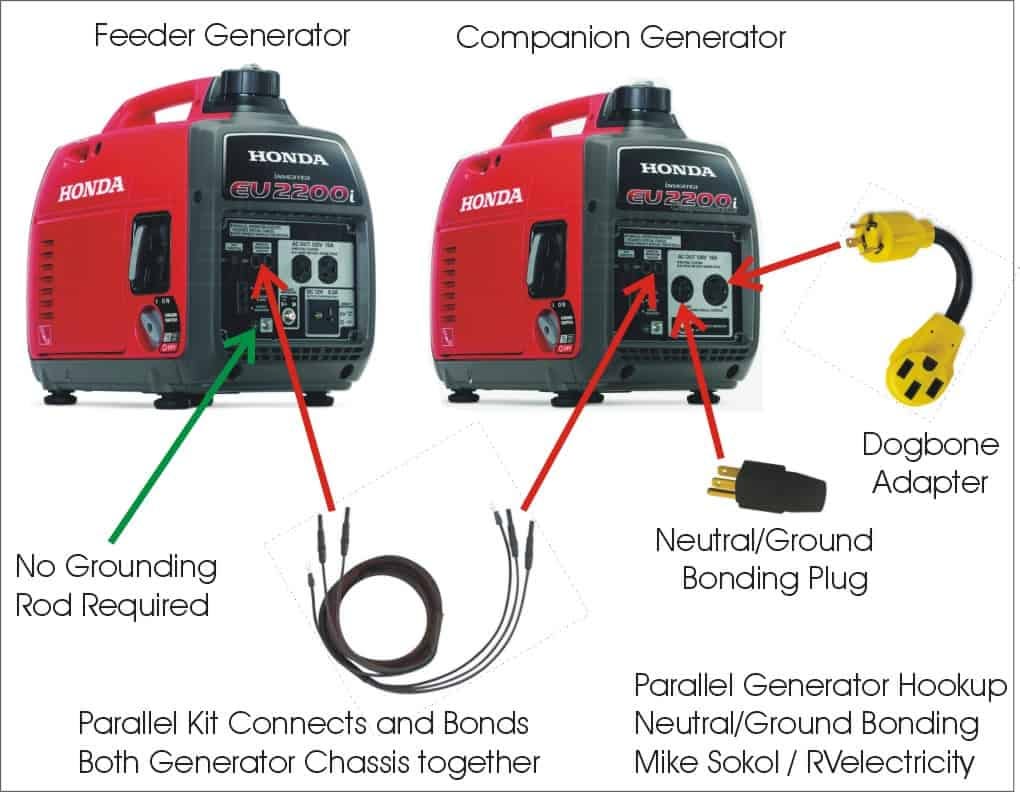
Credit: rvelectricity.substack.com
Frequently Asked Questions
How Do Generator Parallel Kits Operate?
Generator parallel kits allow multiple generators to work together. They synchronize their output to increase power capacity. This means you can run larger appliances without overloading a single generator. The kits include cables and connectors for easy installation. They enhance efficiency and provide backup options during power outages.
What Are The Benefits Of Using Parallel Kits?
Using parallel kits provides increased power availability and flexibility. You can combine smaller generators for greater output. This setup is more cost-effective than purchasing a larger unit. Additionally, it offers redundancy; if one generator fails, the others can still function.
This ensures a reliable power supply when you need it most.
Are Parallel Kits Safe To Use?
Yes, parallel kits are designed with safety in mind. They include built-in protection features to prevent overloads. Proper installation and usage are key to maintaining safety standards. Always follow the manufacturer’s guidelines for operation. When used correctly, these kits can provide safe and efficient power solutions.
Can Any Generator Use A Parallel Kit?
Not all generators are compatible with parallel kits. You must check if your generator has parallel capability. Manufacturers often specify which models can be paired together. Using incompatible units can lead to performance issues or damage. Always refer to the user manual for compatibility information.
Conclusion
Generator parallel kits connect multiple generators. This setup boosts power and efficiency. Understanding how they work helps in choosing the right kit. With the right knowledge, users can enjoy reliable power. Keeping safety in mind is crucial. Regular maintenance will extend the life of your generators.
A parallel kit offers flexibility and convenience. Investing time in learning about these kits pays off. Power your needs with confidence and ease.