
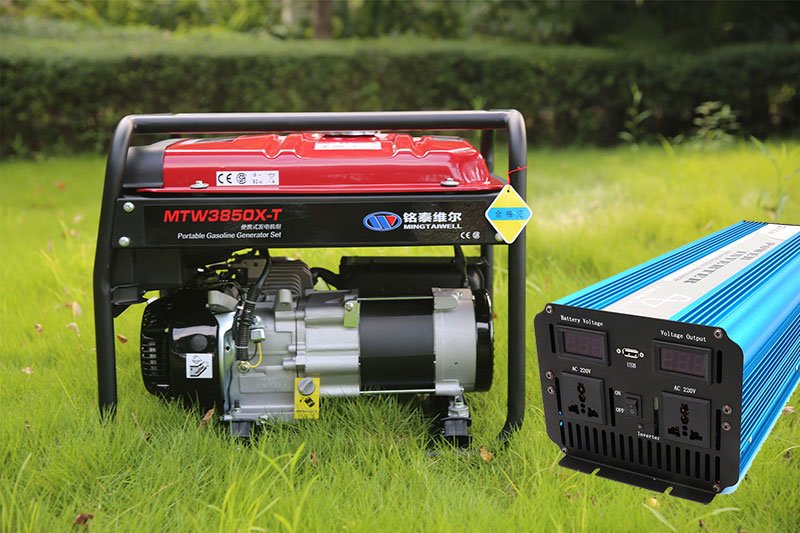
When it comes to powering your home or outdoor adventures, knowing the type of generator you have is crucial. But how can you tell if your generator is an inverter?
Understanding this can make a big difference in how you use and maintain your equipment. Inverters are known for their efficiency and the clean, stable power they provide. This is especially important for sensitive electronics like laptops and smartphones. If you’re unsure about your generator’s type, you might miss out on its full potential.
We’ll walk you through simple ways to identify whether your generator is an inverter. You’ll gain insights that could save you time, money, and hassle in the long run. So, keep reading to empower yourself with the knowledge you need to make the most of your generator!
What Makes An Inverter Generator Different
Inverter generators stand out from regular generators. They use advanced technology to produce power. This results in cleaner energy. It is more stable and safe for sensitive devices.
Power Quality
Inverter generators produce a smooth, steady current. This current is less likely to harm electronics. Regular generators may have fluctuations. These fluctuations can damage sensitive equipment.
Noise Levels
Inverter generators operate quietly. They adjust engine speed based on power needs. This means less noise when running. Regular generators can be loud and disruptive.
Portability
Inverter generators are usually lighter. They often have compact designs. This makes them easy to carry. You can take them anywhere you need power.
Fuel Efficiency
Inverter generators use less fuel. They adjust their output to match demand. Regular generators run at full speed constantly. This leads to wasted fuel and higher costs.
Parallel Capability
Some inverter generators can connect together. This allows for increased power output. You can combine two units for more energy. Regular generators do not usually offer this feature.
Benefits Of Inverter Generators
Inverter generators offer many advantages. They are designed for quiet operation. Their fuel efficiency saves you money. Stable power output protects your devices. Let’s explore these benefits in detail.
Quiet Operation
Inverter generators run much quieter than traditional generators. They use advanced technology to reduce noise. This makes them perfect for camping or outdoor events. You can enjoy nature without loud distractions.
Fuel Efficiency
These generators use less fuel than regular models. They adjust their engine speed based on the load. This means they only use what they need. You can save money on fuel costs over time.
Stable Power Output
Inverter generators provide a stable power supply. They produce clean energy with fewer fluctuations. This is important for sensitive electronics. Your devices will run smoothly without risk of damage.
Identifying Key Features Of Inverter Generators
Identifying key features of inverter generators helps determine if yours is one. Look for features like quiet operation and clean power output. Check for a lightweight design and fuel efficiency, which are common in inverter models.
Identifying the key features of inverter generators can help you determine if your generator falls into this category. These generators are known for their efficiency and convenience. Let’s break down the main characteristics that set them apart.
Compact Design
Inverter generators are typically smaller and lighter than traditional generators. This compact design makes them easier to transport and store. You might appreciate how an inverter generator can fit snugly in the trunk of your car, perfect for camping trips or tailgating events. Their lightweight nature doesn’t compromise power, allowing you to enjoy significant output without the bulk.
Advanced Technology
Inverter generators use advanced technology to produce clean energy. They often feature a digital inverter system that converts the raw power into a stable current. This technology ensures that sensitive electronics, like laptops and smartphones, are protected from surges. If you’ve ever worried about damaging your devices while charging, an inverter generator gives you peace of mind.
Low Noise Levels
Noise can be a significant concern with traditional generators. Inverter generators stand out because they operate at much lower decibel levels. You can enjoy a quiet evening outdoors without the loud hum of a generator interrupting your relaxation. Imagine having a peaceful camping experience where the only sounds are nature’s whispers, thanks to your quiet inverter generator. Being aware of these key features can help you determine if your generator fits the inverter category. So, take a closer look and see how your generator measures up!

Credit: www.weldclass.com.au
Checking For Built-in Inverter Technology
Determining whether your generator has built-in inverter technology can be a game changer for your power needs. Inverter generators offer cleaner power and quieter operation compared to conventional generators. Knowing how to identify this technology can help you make informed choices, especially when you need reliable energy sources.
Understanding Inverter Technology
Inverter technology allows generators to produce a stable and consistent power output. This is crucial for sensitive electronics like laptops or smartphones. Unlike traditional generators that run at a constant speed, inverter generators adjust their engine speed based on the load, making them more fuel-efficient.
Look For Specific Labels
Check your generator for labels or markings. Most inverter generators will have “Inverter” or “Inverter Technology” printed on the body. If you see these terms, it’s a strong indication that your generator is equipped with this technology.
Check The User Manual
Your user manual can provide valuable information. Look under the specifications section to see if inverter technology is mentioned. If you’ve misplaced the manual, many manufacturers offer downloadable versions online.
Examine The Output Type
Inverter generators typically produce clean sine wave power. This means the electricity is smooth and stable, suitable for sensitive devices. If your generator specifies this type of output, it likely has built-in inverter technology.
Listen To The Noise Level
Consider the sound your generator makes while operating. Inverter generators are generally quieter than conventional ones. If you notice a softer hum, that’s another sign you might have an inverter generator.
Evaluate The Weight And Size
Inverter generators are often more compact and lightweight than traditional models. If your generator is portable and easy to carry, it might be an inverter type. This design feature is great for camping or tailgating.
Ask The Right Questions
Have you ever wondered how your generator compares to others? Think about your power needs and what you want from your generator. Understanding its capabilities can help you decide if it’s time to upgrade or invest in a new one.
Inspecting The Power Output Characteristics
Understanding your generator’s power output is key. It helps determine if your generator is an inverter. Inverters produce cleaner power. This is essential for sensitive devices. Let’s look at two main characteristics: consistent voltage and pure sine wave output.
Consistent Voltage
Inverter generators maintain stable voltage levels. This stability is vital for many devices. Traditional generators can fluctuate. These changes may harm sensitive electronics. Check the output specifications. Look for a voltage range that is narrow. A consistent output means it is likely an inverter.
Pure Sine Wave Output
Inverter generators produce pure sine wave output. This type of output is smooth and clean. It is safe for all electronics. Regular generators often create modified sine waves. These can damage sensitive equipment. Look for a generator that specifies pure sine wave. This indicates it is an inverter.
Credit: firmanpowerequipment.com
Examining The Generator’s Label And Specifications
Check the generator’s label for key details. Look for terms like “inverter” or “inverter generator. ” Specifications can help you confirm if it is an inverter model. Understanding these terms is important for choosing the right generator.
Examining your generator’s label and specifications is a straightforward yet crucial step in determining whether it’s an inverter model. Understanding the details on the label can save you time and help you make informed decisions about your power needs. Let’s dive into what you should look for.
Check The Model Number
Start by locating the model number on the generator’s label. Inverter generators often have specific model numbers that indicate their inverter capability. For instance, if you see numbers or letters like “i” or “ inverter” in the model name, it’s likely an inverter generator. Don’t overlook this detail; it’s your first clue.
Look For Output Specifications
Next, examine the output specifications listed on the label. Inverter generators usually provide a clean sine wave output, which is safe for sensitive electronics. Check for terms like “pure sine wave” or “THD” (Total Harmonic Distortion) specifications. If the label mentions these, your generator is likely an inverter model.
Review The Power Rating
Understanding the power rating is also essential. Inverter generators typically have lower wattage ratings compared to conventional generators. You may find ratings like 1,000 to 3,000 watts for inverter models, while traditional ones can go much higher. This lower output is designed for efficiency and portability.
Examine The Features List
Take a closer look at the features highlighted on the generator’s label. Inverter generators often include features like eco-mode, which adjusts power output based on demand. You might also notice options for parallel operation, allowing two generators to work together for increased power. These features are designed to enhance efficiency and convenience.
Consult The Manual
Don’t forget to check the user manual. This document typically outlines the specifications in detail, including whether your model is an inverter generator. If you’ve misplaced it, many manufacturers provide manuals online for easy access. Knowing how to read the manual can clarify any uncertainties. As you examine your generator’s label and specifications, keep these points in mind. Understanding the differences between inverter and conventional generators can empower you to make the right choice for your power needs. Do you feel more confident about identifying your generator type now?
Comparing Conventional Generators And Inverter Models
Understanding the difference between conventional generators and inverter models is important. Each type has unique features and benefits. Knowing these can help you choose the right generator for your needs.
Size And Weight Differences
Conventional generators are usually larger and heavier. They often use a lot of fuel and take up more space. This makes them less portable.
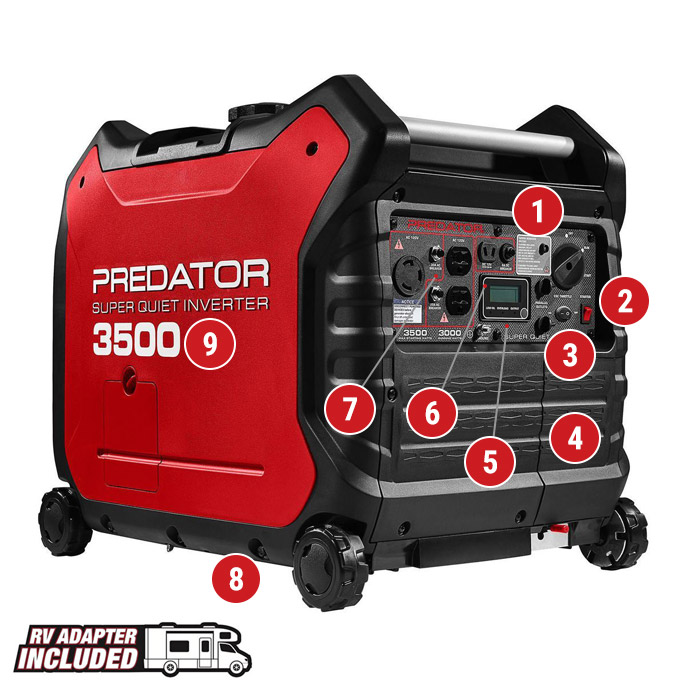
Inverter generators are compact and lightweight. They fit easily in small spaces. Many models come with handles for easy transport. This makes them ideal for camping or outdoor events.
Performance Comparison
Conventional generators produce a steady output. They are great for powering large appliances. However, they can be noisy and produce more emissions.
Inverter generators provide cleaner power. They adjust their output based on the load. This means they run quieter and are more efficient. They also produce less pollution.
Inverter models are often better for sensitive electronics. They deliver stable voltage and frequency. This helps protect devices from damage.
Credit: www.harborfreight.com
Testing The Generator’s Noise Levels
Testing the generator’s noise levels helps determine if it’s an inverter. Inverters run quieter than traditional models. Listen for a soft hum, which indicates efficiency and low sound output.
Testing the generator’s noise levels is a crucial step in determining whether you have an inverter generator. Inverter generators are known for their quiet operation, making them ideal for camping, tailgating, and home backup power. If you’re unsure about your generator, checking its noise levels can provide clear insights.
Understanding Noise Levels
Noise levels are measured in decibels (dB). Most inverter generators operate at a noise level between 50 to 60 dB, which is comparable to normal conversation. If your generator exceeds 60 dB, it might not be an inverter model. Consider this: if you’re using your generator during a family gathering, would you want it to drown out your conversations?
Using A Decibel Meter
To accurately test your generator’s noise levels, a decibel meter is your best friend. You can find affordable options online or at local hardware stores. Place the meter about 20 feet away from the generator while it’s running. Record the reading. If it falls within the inverter range, you likely have an inverter generator. If not, you might be dealing with a traditional model.
Listening To The Sound Quality
Not all sounds are created equal. Inverter generators produce a smooth, steady hum, while conventional generators emit a loud, choppy noise. Next time you run your generator, pay attention to the sound. Does it have a consistent tone, or does it fluctuate wildly? If it’s the latter, your generator is probably not an inverter model. You want a generator that complements your environment, not disrupts it.
Real-life Experience
I once borrowed a friend’s generator for a weekend camping trip. His inverter generator was whisper-quiet, allowing us to enjoy the serene sounds of nature. In contrast, I’ve used a conventional generator that sounded like a lawnmower. It was disruptive and made our relaxing getaway feel chaotic. This experience reinforced how vital noise levels are in choosing a generator that suits your needs. Now that you know how to assess noise levels, are you ready to determine if your generator is an inverter? Pay attention to both the decibel readings and the sound quality. Doing so will help you make an informed decision about your generator type.
Recognizing Common Applications For Inverter Generators
Inverter generators are popular for many reasons. They produce clean energy. This makes them ideal for various uses. Here are two common applications where inverter generators shine.
Camping And Outdoor Activities
Camping trips often require power. Inverter generators provide this power quietly. They are lightweight and easy to transport. Many campers prefer them over traditional generators.
These generators run quietly. This helps maintain a peaceful environment. You can charge devices like phones and tablets. They also power lights and small appliances.
Inverter generators are fuel-efficient. They adjust their power output based on demand. This saves fuel and reduces noise. Enjoy nature without disturbing others.
Powering Sensitive Electronics
Many devices require stable power. Inverter generators deliver clean and stable energy. This is crucial for laptops, TVs, and gaming consoles.
Surges can damage sensitive electronics. Inverter generators prevent this with advanced technology. They keep your devices safe and running smoothly.
Using an inverter generator means peace of mind. You can work or play without worry. Keep your electronics powered with confidence.
Frequently Asked Questions
How Can I Identify An Inverter Generator?
To identify an inverter generator, check for a few key features. Inverter generators are typically quieter and more fuel-efficient than conventional models. They also produce cleaner power, making them safe for sensitive electronics. Look for specifications that mention “inverter technology” or “pure sine wave output.
“
What Are The Benefits Of Inverter Generators?
Inverter generators offer several advantages. They are quieter, making them ideal for camping or residential use. Their compact size allows for easy transport and storage. Additionally, they provide stable power, which protects sensitive devices, and often have better fuel efficiency compared to traditional generators.
Can I Convert A Regular Generator To An Inverter?
Converting a regular generator to an inverter is generally not feasible. Inverter technology requires specific components that regular generators do not have. It’s more practical to invest in a dedicated inverter generator. This ensures efficiency, performance, and safety for your power needs.
Do Inverter Generators Cost More Than Conventional Ones?
Yes, inverter generators usually cost more than conventional generators. This price difference reflects their advanced technology and efficiency. While the initial investment is higher, inverter generators can save money on fuel and are often quieter, providing better long-term value.
Conclusion
Knowing if your generator is an inverter is crucial. Check for features like quiet operation and clean power output. These signs help you identify an inverter generator. It’s important for your devices and appliances. Regular maintenance keeps your generator running well.
Understanding these points ensures you make the right choice. Keep your needs in mind when selecting a generator. This knowledge protects your investment and enhances your experience. Stay informed to enjoy reliable power in any situation.