
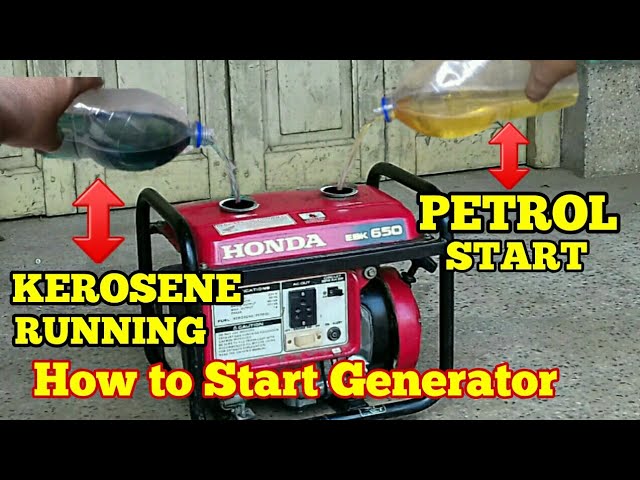
Turn on the fuel, set choke, switch to run, then pull or press the starter.
I’ve worked with Honda generators for years on job sites and at home, so I know exactly how do you start a honda generator safely and reliably. This guide walks you step-by-step through preparation, both recoil and electric start methods, common problems, and simple maintenance so your generator starts every time.

Safety and preparation
Before you learn how do you start a honda generator, prioritize safety. Always operate the generator outdoors in a well-ventilated area to avoid carbon monoxide. Keep the unit on a level surface and clear of flammable materials. Wear gloves and eye protection when you check fuel and oil to avoid spills or burns.
Prepare the area and tools before you start. Have fresh fuel, a funnel, a battery (if electric start), and a spark plug wrench nearby. Read the owner’s manual for model-specific warnings and the recommended oil type. Personal experience: a stable, clean setup cuts startup issues in half.

Check fuel, oil, and basic systems
A common reason people ask how do you start a honda generator is simple: bad fuel or low oil. Check the fuel tank for fresh gas. If fuel is old or has ethanol problems, drain and replace it.
Check the oil level with the dipstick and top off if needed. Honda generators have a low-oil shutdown—if oil is low, the generator won’t start. Inspect the air filter and spark plug for visible dirt or wear and clean or replace them as needed.
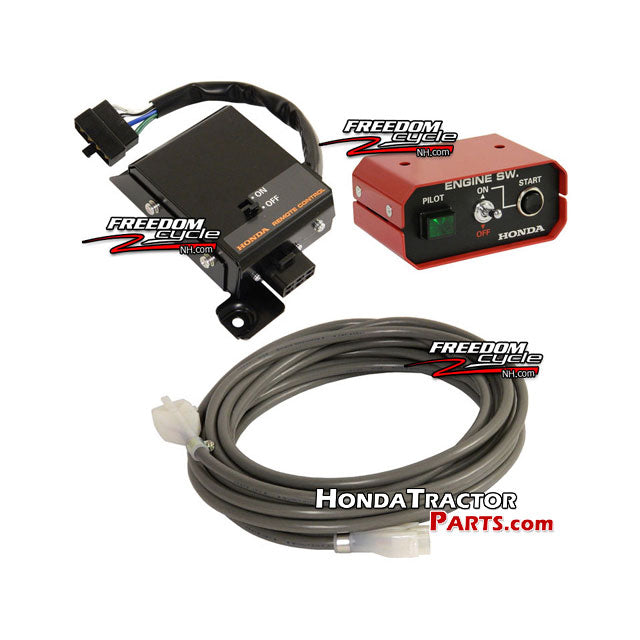
Starting electric start models (push-button or key)
If your model has an electric start, here’s an easy routine for how do you start a honda generator with minimal fuss:
- Turn the fuel valve to the ON position.
- Move the choke to CHOKE (if the engine is cold).
- Turn the engine switch to ON or turn the key to START.
- When the engine fires and begins to run, move the choke to RUN.
- Let the generator warm for a minute before applying a load.
Tips from experience:
- If the engine cranks but does not start, check the battery charge and connections.
- Avoid holding the starter for more than 10 seconds at a time; wait 30 seconds between attempts to avoid damage.

Starting recoil (pull-start) models
Many Honda generators use a recoil starter. Here’s how do you start a honda generator with a pull cord, step by step:
- Turn the fuel valve to ON.
- Set the choke to CHOKE for a cold start, or to RUN if warm.
- Turn the engine switch to ON.
- Grip the starter handle firmly, then pull smoothly and quickly until you feel resistance. Give a strong, quick pull to spin the engine.
- Once it starts, move the choke to RUN and allow the engine to warm a minute.
Practical tip: Place one foot on the frame to steady the generator. A slow or weak pull often means the choke or fuel flow needs adjustment.
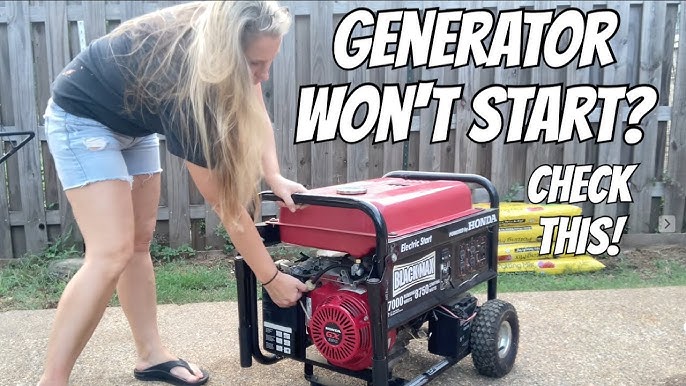
Troubleshooting common startup issues
If you still wonder how do you start a honda generator when it won’t fire, these checks solve most problems. If the engine cranks but won’t start, confirm fuel flow and choke position. A flooded carburetor can cause repeated cranking; set choke to RUN and open the throttle slightly, or remove the spark plug to clear excess fuel.
If there is no crank and the electric starter clicks, check the battery voltage and cable connections. If the engine starts then stalls under load, the fuel filter or carburetor could be clogged. Replace the spark plug yearly and clean the air filter every 50 hours of use. Simple, routine checks often answer the question of how do you start a honda generator when things go wrong.
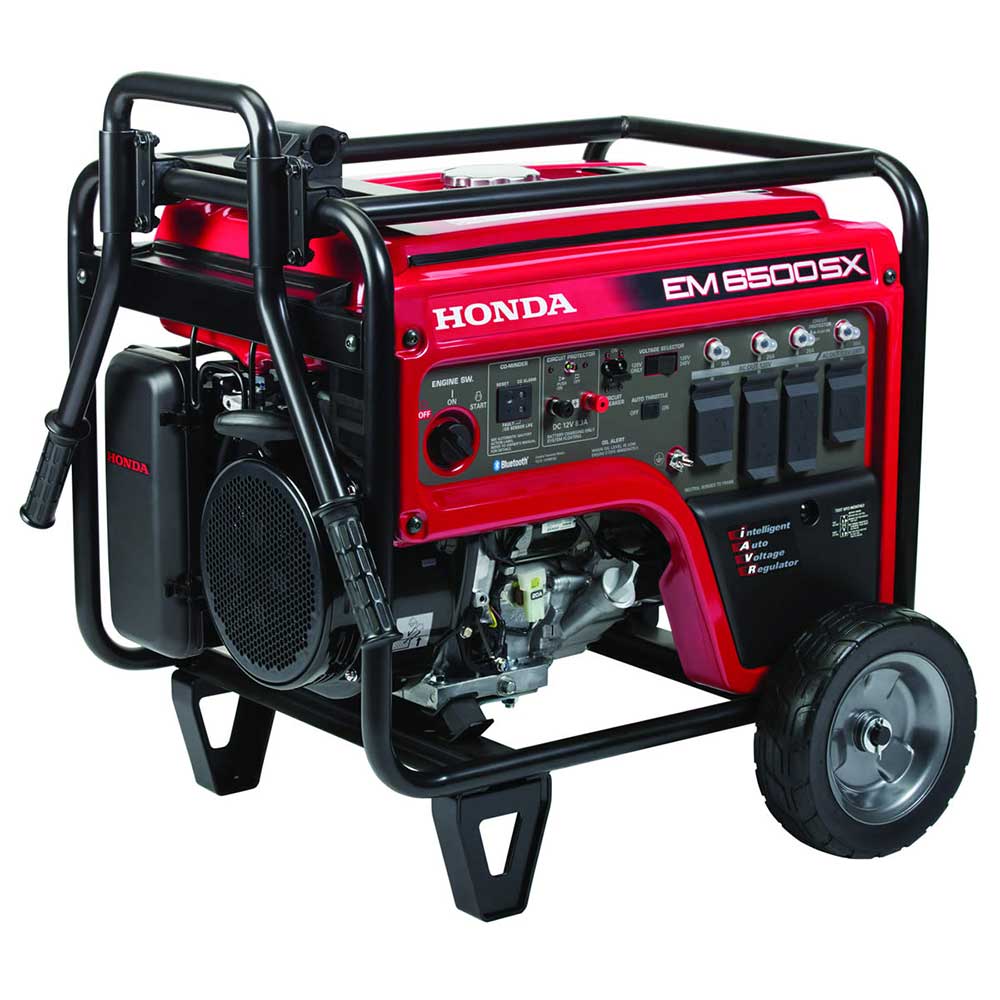
Maintenance tips to ensure reliable starts
Regular care makes answering how do you start a honda generator much easier over time. Follow these maintenance habits:
- Change the oil every 100 hours or yearly, using the correct grade.
- Use fresh gasoline and a fuel stabilizer if storing for more than 30 days.
- Clean or replace the air filter every 100 hours or sooner in dusty conditions.
- Inspect spark plugs annually and replace if fouled or worn.
- Run the generator for 20 minutes monthly to keep the carburetor clean and battery charged.
From my experience, a small checklist on the generator lid saves time and prevents stranded starts. Seasonal prep before winter or storm season is especially valuable.

Frequently Asked Questions of how do you start a honda generator
how do you start a honda generator with an electric key?
Turn the fuel valve on, set the choke if cold, switch the engine to ON, and turn the key or push the start button. Release the choke to RUN once it fires and lets the engine warm.
how do you start a honda generator with a pull start?
Open the fuel valve, set the choke for a cold engine, switch to ON, and pull the recoil cord firmly until the engine starts. Move the choke to RUN after it warms.
how do you start a honda generator if it won’t start?
Check fuel, oil level, choke position, spark plug condition, and battery (for electric start). Address clogged filters or stale fuel and try again.
how do you start a honda generator after storage?
Use fresh fuel, add stabilizer if needed, change oil if due, and prime or inspect the carburetor. Charge or replace the battery and follow normal startup steps.
how do you start a honda generator safely during a storm?
Place the generator outside in a dry, ventilated spot away from doors and windows. Follow standard startup steps and run only necessary appliances to avoid overload.
Conclusion
You now have a clear, tested path for how do you start a honda generator, whether it uses an electric key or a pull cord. Follow safety steps, check fuel and oil, use the correct choke routine, and perform simple maintenance to avoid most startup problems. Take action: check your generator’s fuel and oil today, run a practice start, and save this guide for storm season or power outages. If you found this helpful, subscribe for more hands-on tips or leave a comment about your model and startup experience.