

Imagine suddenly losing power at home during a storm or an outage. What if your generator could instantly take over without you having to scramble with complicated controls?
That’s exactly what a generator transfer switch does—it acts as the smart bridge between your home’s electrical system and your backup power source. Understanding how this switch works can empower you to keep your lights on, your appliances running, and your family safe.
You’ll discover the simple yet crucial role a transfer switch plays, how it prevents dangerous electrical issues, and why it might be the key to hassle-free backup power whenever you need it. Keep reading to unlock the secrets behind this essential device and make sure your generator setup works flawlessly when it matters most.
Generator Transfer Switch Basics
A generator transfer switch controls the flow of electricity between the main power grid and a backup generator. It ensures safe and smooth power transfer during outages. Understanding its basics helps you see why it is essential for generator use.
The transfer switch stops electricity from both sources mixing. This prevents damage to your generator and the utility lines. It also protects utility workers from unexpected power backfeed.
What Is A Generator Transfer Switch?
A generator transfer switch is a device that connects your home’s electrical system to a generator. It switches power supply from the main grid to the generator automatically or manually. This switch keeps your home powered safely during an outage.
Two main types exist: manual and automatic transfer switches. Manual switches require you to flip a switch to change power sources. Automatic switches detect power loss and switch to the generator without user help.
How The Transfer Switch Works
The transfer switch monitors the main power supply. When it detects an outage, it disconnects the home from the grid. Then, it connects the home to the generator. When power returns, it switches back to the grid safely.
Safety Benefits Of Using A Transfer Switch
Transfer switches prevent electrical backfeed into the grid. This protects utility workers repairing power lines. They also stop overloads that can damage appliances. Using a transfer switch makes generator use safer and more reliable.
Types Of Transfer Switches
Transfer switches connect a generator to your home’s electrical system safely. They stop electricity from flowing back to the power grid. This protects utility workers and your generator. There are two main types of transfer switches. Each type works differently and fits different needs.
Manual Transfer Switch
A manual transfer switch requires you to move the switch by hand. When the power goes out, you start the generator. Then, you flip the switch to connect the generator to your home circuits. It is simple and less costly than automatic switches.
This type is good for small homes or occasional use. You must be near the switch to operate it. It gives you control over which circuits get power from the generator.
Automatic Transfer Switch
An automatic transfer switch works without any effort from you. It senses when the main power goes out. Then, it starts the generator and moves power to your home automatically. When utility power returns, it switches back and shuts down the generator.
This switch is useful for homes that need constant power. It keeps essential appliances running without delay. It is more expensive but very convenient and safe.
Power Source Isolation
Power source isolation is a critical function of a generator transfer switch. It keeps the utility power and generator power separate. This separation prevents electricity from flowing back into the grid. Backfeeding can cause serious safety hazards for utility workers and damage to equipment.
The transfer switch acts as a gatekeeper. It only allows one power source to feed your home or business at a time. This ensures that your electrical system receives power safely and reliably.
What Is Power Source Isolation?
Power source isolation means separating two electricity sources. The generator and the utility line never connect directly. The transfer switch breaks the circuit from one source before connecting the other. This process stops electricity from two sources mixing in your wiring.
How Does Isolation Protect Safety?
Isolating power sources stops dangerous backfeed. Backfeed sends generator power into utility lines. This puts utility workers at risk during outages. It can also overload the generator and damage appliances. Isolation avoids these dangers by controlling power flow strictly.
Isolation And Automatic Transfer Switches
Automatic transfer switches monitor power from the utility. If the utility fails, the switch isolates it. Then, it connects the generator to your electrical system. When utility power returns, the switch reverses the process. This seamless isolation keeps power steady and safe.
Manual Transfer Switches And Isolation
Manual transfer switches require you to flip a switch. This action isolates the utility power before connecting the generator. It prevents both sources from feeding power at the same time. Manual switches still provide essential isolation but need user control.

Credit: www.youtube.com
Preventing Backfeed Hazards
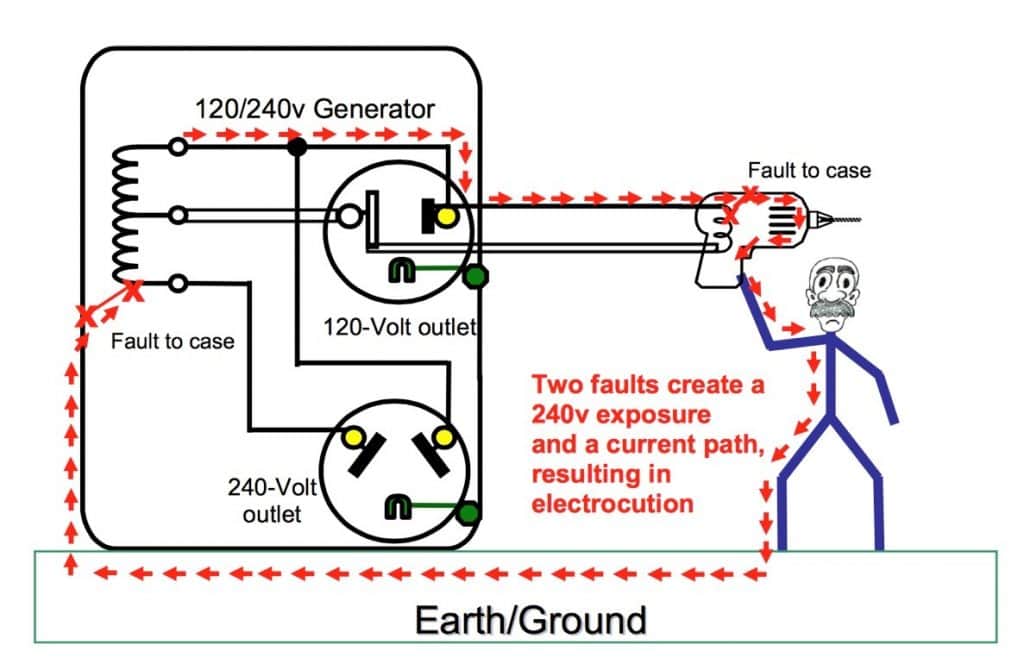
Backfeed is a dangerous condition that can happen if a generator feeds power into the main utility lines. This can cause serious harm to utility workers and damage electrical equipment. A generator transfer switch helps stop backfeed by safely isolating the generator’s power from the utility lines.
It acts as a protective barrier. The switch controls the flow of electricity, making sure power from the generator only goes to the home or building circuits. This prevents electricity from traveling back into the power grid.
What Is Backfeed And Why Is It Dangerous?
Backfeed occurs when generator power flows backward into utility lines. This can shock line workers fixing the grid. It can also cause fires or damage electrical devices. The risk is high without a proper transfer switch.
How Transfer Switches Stop Backfeed
Transfer switches disconnect the main power from the utility before connecting the generator. This separation keeps the two power sources from mixing. The switch ensures only one source powers the home at a time.
Manual Vs. Automatic Transfer Switches
Manual switches need you to turn off the utility power before starting the generator. Automatic switches do this automatically. Both types prevent backfeed by isolating the generator from the grid.
Safety Benefits For Utility Workers
By preventing backfeed, transfer switches protect workers on power lines. They can repair safely without risk of electric shock. This safety feature is vital during power outages.
Code Requirements And Installation
Electrical codes require transfer switches to prevent backfeed. Proper installation by a licensed electrician ensures safety. Permits are often needed before installation.
How Manual Transfer Switch Operates
Understanding how a manual transfer switch operates helps you manage backup power safely. This switch allows you to connect a generator to your home’s electrical system. It prevents dangerous back feeding to the grid. The manual transfer switch is simple and reliable.
What Is A Manual Transfer Switch?
A manual transfer switch is a device that you operate by hand. It connects your home’s circuits to either utility power or generator power. It ensures only one power source supplies electricity at a time.
How To Use A Manual Transfer Switch
First, turn off the main power breaker. This stops electricity from the grid. Next, start your generator. Then, move the switch to connect your home to generator power. Your home will now run on backup power from the generator.
Safety Features Of Manual Transfer Switches
The switch prevents electricity from flowing back to utility lines. This protects utility workers from electric shock. It also stops damage to your generator and home wiring. Always follow safety instructions when operating the switch.
Benefits Of Manual Transfer Switches
Manual switches are cost-effective and easy to install. They do not require complex electronics. You control when to switch power sources. This makes them ideal for occasional power outages.
How Automatic Transfer Switch Operates
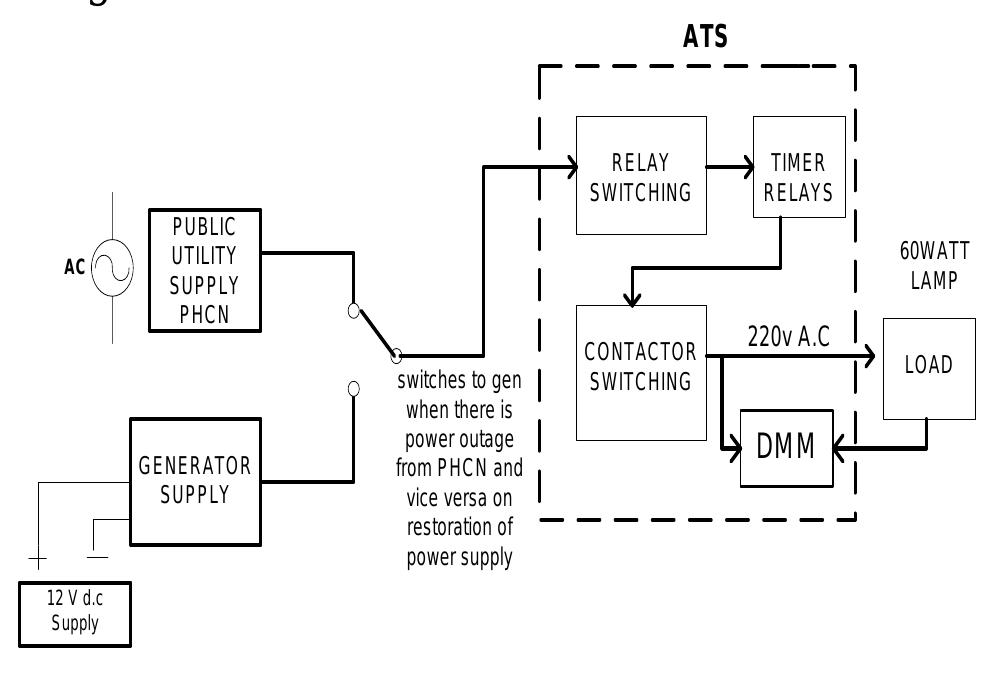
An automatic transfer switch (ATS) works as a smart gatekeeper for your home’s power supply. It detects power loss from the main grid instantly. Then, it signals the generator to start supplying electricity without any delay.
The ATS ensures a smooth switch between the utility power and generator. It keeps your home running safely and without interruption during outages.
Power Loss Detection
The ATS constantly monitors the electrical flow from the utility. When the power fails or drops below a safe level, the ATS senses this change. It reacts quickly to avoid any damage to your appliances or system.
Generator Activation
Once the ATS detects power loss, it sends a start signal to the generator. The generator powers up and begins producing electricity. This process usually takes just a few seconds.
Switching The Power Source
After the generator reaches stable operation, the ATS shifts the electrical load. It disconnects the home from the utility and connects it to the generator. This change happens automatically and safely to prevent backfeeding.
Power Restoration And Reversion
When the utility power returns, the ATS detects the stable supply. It then switches the load back from the generator to the main grid. After switching, the ATS signals the generator to shut down. Your home is safely connected to the main power again.
Switching Power Sources Safely
Switching power sources safely is crucial for protecting your home and appliances. A generator transfer switch ensures smooth and secure power shifts. It prevents dangerous backfeed that can harm utility workers and damage equipment.
The transfer switch isolates your home’s electrical circuits from the grid. This separation stops electricity from flowing back into power lines. It also stops the generator from running at the same time as the main power. This action keeps everyone safe during an outage.
How The Transfer Switch Controls Power Flow
The transfer switch acts like a gatekeeper. It connects either the utility power or the generator power to your home circuits. It never allows both sources to connect at once. This prevents power conflicts and electrical hazards.
When the main power fails, the transfer switch senses the outage. It then switches the connection to the generator supply. When utility power returns, the switch moves back to the main grid safely. This process happens smoothly and automatically with an automatic switch.
Manual Vs. Automatic Transfer Switches
Manual switches need you to flip a lever or switch to change power sources. They require you to turn off the main breaker first. This step protects the utility workers and your generator from damage.
Automatic transfer switches do the job without your help. They detect power loss and switch over immediately. This quick action keeps your home powered without delay. It also switches back when utility power is restored.
Safety Features Built Into Transfer Switches
Transfer switches have built-in safety features. They prevent backfeed, short circuits, and overloads. Many include circuit breakers for extra protection. These features keep your electrical system and your family safe.
Proper installation and regular maintenance are important. Always hire a licensed electrician to install your transfer switch. This ensures the system works correctly and follows local codes.
Installation Requirements And Permits
Installing a generator transfer switch requires careful planning and adherence to local rules. These rules protect your home and the power grid. Permits are often necessary before starting installation. Knowing the requirements helps avoid delays and extra costs.
Electric codes and safety standards guide the installation process. A licensed electrician usually performs the work. The electrician ensures the switch connects correctly to your home’s electrical system. Proper installation prevents hazards like backfeeding, which can harm utility workers and damage equipment.
Permits Needed For Installation
Most cities require a permit for installing a transfer switch. The permit shows that the installation meets safety codes. You must apply through your local building department. Permit fees vary by location. Approval often requires an inspection after installation.
Electrical Code Compliance
The transfer switch must follow the National Electrical Code (NEC). NEC rules control wiring methods and switch types. Compliance ensures safe and reliable operation. The electrician must use approved materials and methods. Inspections verify that all code requirements are met.
Professional Installation Requirements
A qualified electrician should install the transfer switch. They understand local codes and safety practices. They connect the switch to your main electrical panel. The electrician tests the system to ensure proper function. Professional installation reduces the risk of faults and accidents.
Handling Power Restoration
Handling power restoration is a crucial part of how a generator transfer switch works. It ensures your home or business switches back to the main power safely and smoothly. This process prevents damage to electrical systems and keeps everyone safe.
Detecting The Return Of Utility Power
The transfer switch constantly monitors the utility power supply. It senses when the power comes back on after an outage. Once it detects stable utility power, it prepares to switch back.
Switching Back To Main Power
The switch disconnects the generator from your electrical system. It then reconnects your home or building to the utility power. This switch happens automatically in an automatic transfer switch or manually in a manual one.
Shutting Down The Generator
After switching back, the transfer switch signals the generator to stop running. This step saves fuel and reduces wear on the generator. The generator stays off until the next power outage.
Ensuring Safety During Transfer
The transfer switch prevents backfeed, which can harm utility workers. It ensures only one power source feeds your home at a time. This safety feature protects people and electrical equipment.
Credit: www.jadelearning.com
Choosing The Right Transfer Switch
Choosing the right transfer switch is crucial for safe and efficient power backup. It controls how electricity flows between your generator and home. Selecting the correct one ensures your devices get power without damage or risk. This choice depends on your needs and generator type.
Two main types exist: manual and automatic. Manual switches require you to flip a switch to change power sources. Automatic switches detect outages and switch power on their own. Consider how often you need backup power and your comfort with operating the switch.
Power Capacity And Compatibility
Match the switch’s capacity to your generator and home power needs. A switch too small will overload and cause problems. Check the wattage rating of both your generator and home circuits. Proper compatibility prevents electrical hazards and equipment failure.
Installation And Safety Features
Choose a transfer switch that is easy to install and meets safety codes. Some models include built-in circuit breakers for extra protection. Professional installation is recommended for safety and code compliance. A well-installed switch keeps you safe during power outages.
Credit: www.academia.edu
Frequently Asked Questions
Do You Have To Turn Off The Main Breaker When Using A Transfer Switch?
Yes, turn off the main breaker when using a manual transfer switch to prevent backfeed and ensure safety.
Do I Need A Permit To Install A Generator Transfer Switch Near?
Yes, you generally need a permit to install a generator transfer switch. Check local regulations and codes before installation.
What Happens To The Transfer Switch When Power Comes Back On?
The transfer switch switches power back to the utility source once power returns. It disconnects the generator safely. Automatic switches do this instantly; manual switches require user action.
How Does A Transfer Switch Prevent Backfeed?
A transfer switch isolates your home’s electrical system from the utility grid. It safely directs power flow, preventing generator backfeed into utility lines. This isolation protects utility workers and equipment from dangerous reverse current.
What Is A Generator Transfer Switch?
A generator transfer switch safely connects a generator to your home’s electrical system.
How Does An Automatic Transfer Switch Work?
It detects power loss and switches to generator power automatically.
What Is The Difference Between Manual And Automatic Transfer Switches?
Manual switches require you to flip a switch; automatic do it for you.
Why Is A Transfer Switch Important For Generator Safety?
It prevents back feeding, protecting utility workers and your generator.
Can I Install A Transfer Switch Myself?
Installation usually requires a licensed electrician for safety and code compliance.
Do I Need A Permit To Install A Transfer Switch?
Most areas require permits to ensure the installation meets local codes.
Conclusion
A generator transfer switch keeps your power safe and reliable. It stops electricity from flowing back to utility lines. This protects utility workers and your equipment. The switch changes power sources smoothly, avoiding outages. Automatic switches work without needing your attention.
Manual switches give you control over the process. Understanding how it works helps you choose the right one. Proper installation ensures safety and efficiency. A transfer switch is a smart addition to any backup power plan. Stay prepared and keep your home powered during outages.