
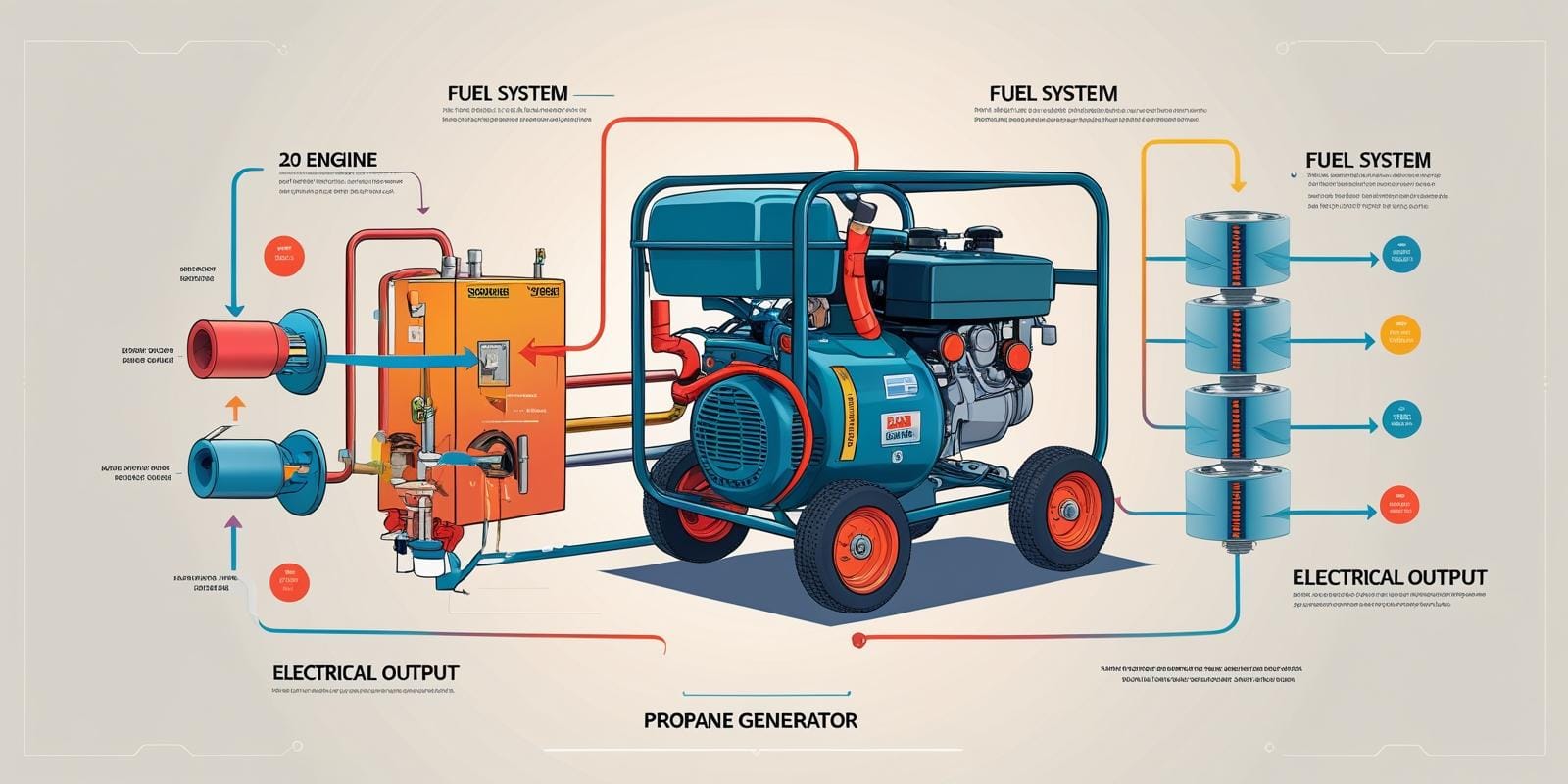
Are you curious about how a propane generator works? Understanding the mechanics behind this powerful tool can help you make informed decisions for your home or business.
Whether you’re preparing for an emergency or looking for a reliable energy source, knowing how a propane generator operates is key. Imagine having the ability to keep your lights on and your appliances running, even during a blackout. You’ll discover the benefits of using propane, how it fuels the generator, and the essential components that make it all happen.
Stick with us, and you’ll gain the confidence to choose the right generator for your needs. Let’s dive in!
Principle Of Power Generation
A propane generator converts fuel into electricity. It uses propane gas as its energy source. Understanding how this process works is essential. It shows how energy is created and used.
The main function of a generator is to produce power. It does this by converting mechanical energy into electrical energy. Propane plays a key role in this process. It burns in an engine, creating energy.
Fuel Combustion
The process starts with fuel combustion. Propane gas mixes with air inside the engine. This mixture ignites when a spark occurs. The explosion pushes the piston down. This movement generates mechanical energy.
Mechanical Energy To Electrical Energy
Next, the mechanical energy needs conversion. The engine connects to an alternator. The alternator transforms the mechanical energy into electrical energy. It does this by rotating magnets within coils of wire.
Power Output
The generated electrical energy flows out of the generator. It travels through wires to power devices. The output voltage depends on the generator’s design. Some generators are made for specific tasks or loads.
Efficiency And Performance
Efficiency is vital for a propane generator. Proper maintenance improves performance. Regular checks ensure the engine runs smoothly. Clean filters and good fuel quality help maintain efficiency.
Role Of Propane As Fuel
The role of propane as fuel in generators is significant. It offers a clean-burning alternative to traditional fuels, making it an attractive choice for many users. Understanding how propane powers your generator can help you make informed decisions for your energy needs.
Why Choose Propane?
Propane is known for its efficiency and reliability. It burns cleaner than gasoline or diesel, producing fewer emissions. This makes it a better option for the environment and your health.
- Availability:Propane is widely available in many regions.
- Storage:It can be stored safely in tanks, ensuring you have fuel on hand.
- Longevity:Propane has a long shelf life, meaning it won’t degrade over time like gasoline.
How Propane Powers Your Generator
When you start a propane generator, the fuel is fed into a carburetor. Here, it mixes with air to create a combustible mixture. This mixture then enters the engine cylinders.
In the cylinders, the fuel-air mixture is compressed and ignited by a spark plug. This combustion pushes the pistons, which turn the generator’s rotor. The rotor then creates electricity that you can use.
Benefits Of Using Propane
Switching to propane has many benefits for generator users. It reduces maintenance costs due to cleaner combustion. Less soot buildup means fewer repairs and longer engine life.
Propane also offers flexibility. You can use it for various applications, from powering your home during outages to fueling outdoor equipment. Have you ever considered how a dual-fuel generator could provide even more versatility in your energy plans?
Safety Considerations
While propane is a safe fuel, it’s essential to follow proper storage and handling guidelines. Ensure that your storage tanks are in good condition and stored in well-ventilated areas. Regular maintenance checks on your generator can prevent accidents and ensure optimal performance.
Understanding the role of propane as fuel empowers you to make smarter choices. As you think about energy options, consider how propane can fit into your life. Your next adventure or emergency power solution could be just a propane tank away.
Engine Mechanism
The engine mechanism of a propane generator is the heart of its operation. Understanding how this mechanism works can help you appreciate its efficiency and functionality. Let’s break down the key components that drive these generators.
Propane generators operate using an internal combustion engine. When you start the generator, propane fuel mixes with air and enters the combustion chamber. This mixture ignites, creating a rapid expansion of gases that pushes the engine’s pistons.
The combustion process not only powers the engine but also generates the electricity you need. This cycle repeats continuously as long as the generator runs. Each ignition produces energy, creating a reliable power source.
Piston And Crankshaft Movement
The pistons play a crucial role in converting the energy from combustion into mechanical energy. As the pistons move up and down, they turn the crankshaft. This rotation ultimately drives the generator’s alternator, which produces electricity.
When I first used a propane generator during a camping trip, I was amazed at how smoothly it operated. The engine’s efficiency meant we could power our lights and cook meals without hassle. Understanding the piston and crankshaft movement made me appreciate this technology even more.
Cooling System
Every engine generates heat, and the cooling system is vital to prevent overheating. Propane generators often use a liquid cooling system or air cooling. This ensures the engine maintains an optimal temperature, improving efficiency and prolonging the generator’s life.
Have you ever experienced a generator shutting down due to overheating? It’s frustrating. A well-functioning cooling system can save you from such interruptions, keeping your power supply steady.
Fuel System
The fuel system in a propane generator is straightforward yet effective. It consists of a propane tank, a regulator, and fuel lines. The regulator controls the flow of propane to ensure a steady supply for combustion.
Choosing the right propane tank size is essential for your needs. A larger tank means longer run times, while a smaller one might be more portable. Consider your power requirements before making a decision.
Understanding the engine mechanism of your propane generator equips you to make informed decisions. Whether you’re using it for home backup or outdoor adventures, knowing how it works enhances your experience. Are you ready to harness the power of propane for your next project or outing?
Combustion Process
The combustion process is key to how a propane generator works. It involves burning propane gas to create energy. This energy powers the generator and produces electricity. Understanding this process helps you appreciate how generators operate.
Fuel Delivery
First, propane gas enters the generator through a fuel line. The propane is stored in a tank. When you start the generator, the gas flows into the combustion chamber. Here, it mixes with air. This mixture is crucial for combustion.
Ignition
Next, the ignition system lights the propane-air mixture. This can happen in two ways: using a spark plug or a glow plug. The ignition creates a small explosion. This explosion pushes a piston inside the engine.
Piston Movement
The piston moves up and down. This movement turns the crankshaft. The crankshaft converts linear motion into rotational motion. This rotation is what generates electricity. It powers your devices and appliances.
Exhaust Release
After combustion, exhaust gases need to escape. The generator has an exhaust system for this purpose. It directs the gases outside. This keeps the generator running smoothly and prevents overheating.
Several factors affect combustion efficiency. Proper fuel mixture is important. Air quality and temperature also play a role. Maintaining your generator ensures optimal performance. Regular checks help prevent issues during operation.
Electricity Conversion
Understanding how a propane generator converts energy is important. This process is essential for generating electricity. Propane generators use a simple method to turn fuel into power.
Fuel Combustion
The process starts with fuel combustion. Propane gas enters the generator’s engine. The engine mixes propane with air. This mixture ignites, creating a small explosion.
This explosion pushes the engine’s pistons. The movement of the pistons powers the generator.
Mechanical Energy To Electrical Energy
Next, the generator converts mechanical energy to electrical energy. The engine spins a rotor inside a magnetic field. This action creates electricity through electromagnetic induction.
As the rotor spins, it generates alternating current (AC). This AC electricity can power your devices.
Voltage Regulation
Voltage regulation is crucial for stable power. The generator has a voltage regulator. This device keeps the output voltage steady. It ensures your devices receive the right amount of power.
Output Connection
The final step is the output connection. The generator connects to your home or equipment. You can easily plug in appliances or tools. This allows you to use the generated electricity.
Cooling System Function
The cooling system plays a key role in a propane generator. It prevents the engine from overheating. An overheated engine can cause serious damage. This system ensures the generator runs smoothly and safely.
How Cooling Systems Work
Cooling systems use either air or liquid to control temperature. Air-cooled systems rely on airflow. Fans draw in air and push it across the engine. This helps remove heat quickly.
Liquid-cooled systems use coolant. The coolant absorbs heat from the engine. It then travels to a radiator. Here, it releases heat into the air. This process keeps the engine at a safe temperature.
Importance Of Regular Maintenance
Regular maintenance keeps the cooling system effective. Check coolant levels often. Low coolant can lead to overheating. Inspect hoses for leaks or damage. Replace them if necessary.
Cleaning the radiator is also important. Dust and debris can block airflow. This reduces cooling efficiency. A clean radiator helps the generator run better.
Signs Of Cooling System Issues
Watch for warning signs of cooling problems. Engine overheating is a major red flag. If the temperature gauge rises, check the system. Look for leaks or strange noises.
Another sign is steam coming from the engine. This indicates a possible coolant leak. Address these issues quickly to avoid further damage.
Control Panel Operations
The control panel of a propane generator is the nerve center of its operations. This is where you manage everything from starting the generator to monitoring its performance. Understanding how to navigate this panel can make a significant difference in how effectively you use your generator.
Power Switches
The first thing you’ll notice on the control panel is the power switch. This is usually a simple toggle or push-button switch.
- Turn it on to start generating power.
- Turn it off when you’re done using it.
Remember to always turn off the generator before performing any maintenance.
Voltage And Frequency Meters
Next, look for the voltage and frequency meters. These gauges show the electrical output of your generator.
Monitoring these readings is crucial. If the voltage is too high or low, it can damage your appliances.
Control Panel Indicators
Many propane generators come with indicator lights. These lights provide real-time information on the generator’s status.
- Green light means everything is running smoothly.
- Red light indicates a problem, like low oil or overheating.
Paying attention to these indicators can save you from unexpected failures.
Start/stop Button
The start/stop button is central to operating your generator. Pressing this button starts the engine and begins power generation.
Some models may have a remote start option, adding convenience. You can start the generator from a distance, which is especially useful during storms.
Emergency Shutoff
Most propane generators include an emergency shutoff switch. This is your safety net.
If something goes wrong, you can quickly turn off the generator to prevent damage or hazards. Knowing where this button is located is essential for your safety.
Have you ever been in a situation where you wished you could quickly shut something down? This button can be a lifesaver in emergencies.
Maintenance Alerts
Some advanced models feature maintenance alerts on the control panel. These alerts remind you when it’s time for upkeep.
Regular maintenance ensures the longevity of your generator. Ignoring these alerts can lead to costly repairs down the line.
Taking control of your generator through its panel can enhance your overall experience. You gain confidence in using it effectively and safely.
Efficiency Factors
Understanding the efficiency of a propane generator is crucial. Efficiency affects how much power it generates and how much fuel it uses. Several factors play a role in this efficiency.
Fuel Quality
The quality of propane impacts generator performance. High-quality propane burns cleaner and produces more energy. Impurities in fuel can lower efficiency. Use fresh propane for the best results.
Generator Size
The size of the generator matters. A generator that is too small will struggle. It may not provide enough power for your needs. A generator that is too large may waste fuel. Choose the right size for your requirements.
Load Management
Managing the load affects efficiency. Running a generator near its rated capacity improves fuel use. Overloading causes the generator to work harder. This leads to more fuel consumption and wear.
Maintenance
Regular maintenance keeps your generator running efficiently. Change the oil and filters as needed. Clean or replace spark plugs regularly. A well-maintained generator uses fuel more effectively.
Operating Conditions
Environmental factors can influence efficiency. Extreme temperatures may affect performance. High altitudes can reduce power output. Keep these conditions in mind for optimal use.
Safety Features
Safety is a top priority when using a propane generator. Many built-in features help protect users and prevent accidents. Understanding these safety features can ensure a safe experience.
Automatic Shutoff
Propane generators often include an automatic shutoff feature. This shuts down the generator if it detects problems. This feature prevents damage and reduces fire risks.
Low Oil Shutdown
A low oil shutdown feature is common in propane generators. This feature stops the engine when oil levels are too low. It protects the engine from overheating and damage.
Overload Protection
Overload protection helps manage power output. If the generator is overloaded, it will shut down. This feature prevents electrical issues and keeps equipment safe.
Carbon Monoxide Detector
Many propane generators have carbon monoxide detectors. These devices alert users to dangerous gas levels. This helps prevent poisoning and ensures safe operation.
Ground Fault Circuit Interrupter (gfci)
A Ground Fault Circuit Interrupter protects against electrical shock. It cuts off power if it detects a ground fault. This feature is crucial for outdoor use, especially in wet conditions.
Ventilation Requirements
Proper ventilation is essential for safe generator use. Generators must be placed outdoors in open areas. This prevents gas buildup and reduces the risk of fire.
Durable Construction
Most propane generators are built with durable materials. This construction helps them withstand harsh conditions. Strong frames and housing protect internal parts from damage.
Environmental Impact
The environmental impact of propane generators is an important consideration for anyone thinking about using one. While they provide a reliable power source, it’s essential to understand how they affect the air and our surroundings. Let’s break down the main aspects of their environmental footprint.
Emissions And Air Quality
Propane generators produce fewer emissions compared to gasoline or diesel generators. They emit lower levels of carbon monoxide and nitrogen oxides.
This means you can enjoy the benefits of backup power without significantly harming air quality. However, it’s still vital to use these generators in well-ventilated areas to avoid any buildup of harmful gases.
Noise Pollution
Noise can be a significant downside when using generators. Propane generators are generally quieter than their gasoline counterparts. This makes them a better choice for residential areas or outdoor events.
Have you ever tried to enjoy a peaceful evening, only to be interrupted by the roar of a generator? A quieter option can help maintain your tranquility while still providing the power you need.
Waste Management
Using propane reduces the risk of fuel spills, which can harm soil and water sources. Propane tanks are recyclable, and proper disposal can minimize their environmental impact.
Make sure you follow local guidelines for disposing of empty tanks. Responsible waste management is part of being environmentally conscious.
Carbon Footprint
While propane is a fossil fuel, it has a lower carbon footprint than other options. Transitioning from gasoline to propane can lead to a reduction in greenhouse gas emissions.
Consider how your choice of fuel impacts the planet. Every small step you take can contribute to a healthier environment.
Choosing a propane generator is more than just a practical decision; it’s also an environmental one. Understanding these factors can help you make a more informed choice that benefits both you and the planet.
Frequently Asked Questions
What Is A Propane Generator?
A propane generator is a machine that generates electricity using propane gas as fuel.
How Does A Propane Generator Work?
It works by burning propane to create energy, which powers an alternator to produce electricity.
What Are The Benefits Of Using Propane?
Propane is cleaner than gasoline, burns more efficiently, and produces less pollution.
Can I Use Propane Indoors?
No, propane generators should always be used outdoors due to carbon monoxide risks.
How Long Can A Propane Generator Run?
A propane generator can run as long as it has propane fuel available.
Is Propane Cheaper Than Gasoline?
Propane is often cheaper than gasoline, but prices can vary by location and market.
How Do I Maintain A Propane Generator?
Regularly check oil levels, replace filters, and inspect hoses for leaks or wear.
What Size Propane Generator Do I Need?
Choose a generator size based on your power needs and the appliances you want to run.
Can I Convert A Gasoline Generator To Propane?
Yes, many gasoline generators can be converted to run on propane with a conversion kit.
Is Propane Safe To Use?
Propane is generally safe when used correctly. Follow safety guidelines to minimize risks. “`
Conclusion
Understanding how a propane generator works is essential for safe use. These generators convert propane gas into energy through combustion. They provide reliable power during outages and can be used for outdoor activities. Regular maintenance ensures they run smoothly and efficiently.
Knowing the basics helps you make informed choices. Always consider your power needs before purchasing a propane generator. This knowledge can guide you in selecting the right model for your situation. Explore more about propane generators to enhance your understanding and make the best decision for your needs.