
Have you ever wondered how a generator transforms fuel into electricity? You’re not alone.
Many people rely on generators but don’t fully understand their inner workings. This knowledge can empower you to make better decisions, whether you need backup power at home or are considering a generator for your business. We’ll break down the process of how generators work in simple terms.
You’ll learn about the key components and the science behind electricity production. By the end, you’ll have a clear understanding of how generators operate and why they are vital for providing power when you need it most. Let’s dive in and uncover the fascinating mechanics of electricity generation!

Credit: www.youtube.com
Basics Of Electricity Generation
Electricity generation is an essential process. It powers our homes, schools, and businesses. Understanding how it works helps us appreciate its importance. This section explains the basic concepts behind electricity generation.
What Is Electricity?
Electricity is a form of energy. It flows through wires and powers devices. It can be generated in various ways. Common methods include burning fuels, solar energy, and wind power.
How Do Generators Work?
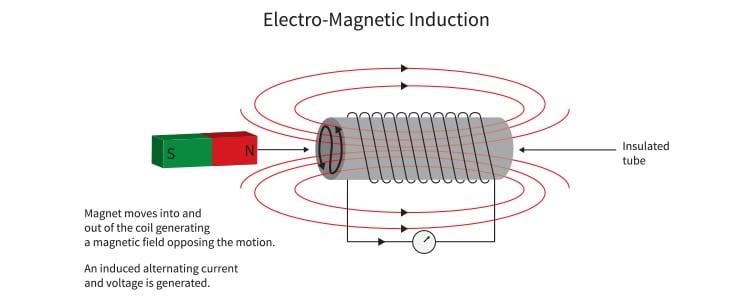
Generators convert mechanical energy into electrical energy. They use magnets and coils of wire. When the coil moves within the magnetic field, electricity is produced. This process is known as electromagnetic induction.
The Role Of Energy Sources
Energy sources are vital for generating electricity. Fossil fuels, like coal and natural gas, are common. Renewable sources include sunlight, wind, and water. Each source has its own method of converting energy.
Different generators serve various needs. Portable generators provide temporary power. Standby generators support homes during outages. Industrial generators supply large facilities and businesses.
The Importance Of Voltage
Voltage is the force that pushes electricity through wires. It determines how much power devices receive. Higher voltage can transmit electricity over long distances. Lower voltage is safer for small devices.
Key Components Of A Generator
Generators convert mechanical energy into electrical energy. Key components include the engine, alternator, and control panel. Together, they work to produce electricity, providing power when needed. Understanding these parts helps in grasping how generators function effectively.
Understanding the key components of a generator is crucial for anyone interested in how electricity is produced. Each part plays a specific role that ensures the generator operates efficiently and reliably. Let’s break down these essential components to give you a clearer picture of how a generator works.Engine
The engine is the powerhouse of the generator. It converts fuel into mechanical energy, which is the first step in generating electricity. You’ll find various types of engines, including diesel, natural gas, and gasoline. Choosing the right engine can depend on your needs, whether it’s for home backup or industrial use. A powerful engine ensures that your generator can handle the load during outages.Alternator
The alternator is where the magic happens. It transforms the mechanical energy produced by the engine into electrical energy. This process occurs through electromagnetic induction, where rotating coils generate alternating current (AC). The quality of the alternator directly affects the efficiency of the generator. A well-designed alternator will provide a stable and continuous power supply.Fuel System
The fuel system is responsible for supplying the engine with fuel. It includes components like the fuel tank, fuel pump, and fuel filters. A clean and efficient fuel system ensures that the engine runs smoothly and efficiently. Regular maintenance of your fuel system can prevent costly repairs down the line. Are you aware of the type of fuel your generator requires?Voltage Regulator
The voltage regulator maintains a consistent output voltage. It protects your electrical devices from overvoltage, which can cause damage. This component adjusts the amount of voltage produced based on the load. A malfunctioning voltage regulator can lead to unreliable performance. Keeping this component in check is essential for ensuring your generator functions properly.Cooling And Exhaust System
The cooling and exhaust system keeps the generator from overheating. It includes radiators, cooling fans, and exhaust pipes. Adequate cooling is vital for the longevity of the engine. Without proper cooling, the engine could fail, leading to significant downtime. How often do you check the cooling system of your generator?Control Panel
The control panel acts as the brain of the generator. It allows you to monitor performance and manage settings. With features like start/stop buttons and gauges, it provides essential information at a glance. A user-friendly control panel makes operating your generator straightforward. Are you familiar with all the indicators on your generator’s control panel?Battery Charger
The battery charger keeps the generator’s battery charged and ready for use. It ensures that the engine can start when needed, especially during power outages. A reliable battery charger is essential for maintaining the generator’s readiness. Regularly checking the battery condition can save you from unexpected surprises. Do you know how to perform a simple battery check? Understanding these key components equips you with the knowledge to maintain and troubleshoot your generator effectively. Each part plays a crucial role, and being aware of their functions can enhance your experience and ensure reliable power generation.The Principle Of Electromagnetic Induction
The principle of electromagnetic induction explains how generators produce electricity. It involves creating electric current using magnetic fields. This process is essential for modern power generation.
Generators rely on this principle to convert mechanical energy into electrical energy. The interaction between magnets and coils of wire plays a key role in this process.
What Is Electromagnetic Induction?
Electromagnetic induction occurs when a conductor moves through a magnetic field. This movement causes electrons to flow, creating an electric current. The basic idea was discovered by Michael Faraday in the 19th century.
How Does It Work?
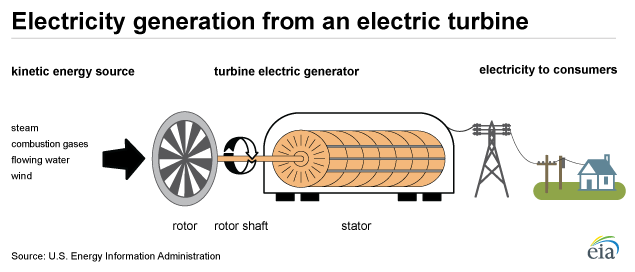
A generator typically contains a rotor and a stator. The rotor spins inside the stator, which is a coil of wire. As the rotor turns, it moves through the magnetic field.
This movement causes a change in the magnetic field around the coil. According to Faraday’s law, this change induces voltage in the coil.
There are two main types of generators: AC and DC. AC generators produce alternating current. DC generators produce direct current.
Both types use the same principle of electromagnetic induction. The difference lies in how they convert the generated voltage.
Applications Of Electromagnetic Induction
Electromagnetic induction is used in various applications. It powers homes, schools, and industries. It also plays a role in electric vehicles and renewable energy systems.
Understanding this principle helps us appreciate how electricity is generated. It shows the importance of magnets and motion in our daily lives.
How Mechanical Energy Converts To Electrical Energy
Understanding how mechanical energy converts to electrical energy can be fascinating. It’s a process that powers our daily lives, from the lights in your home to the devices you rely on. Let’s break down this conversion and see how it works in practical terms.
What Is Mechanical Energy?
Mechanical energy is the energy associated with the motion or position of an object. It exists in two forms: kinetic energy, which is the energy of motion, and potential energy, which is stored energy based on position. Think about the wind moving a wind turbine or water flowing through a dam—these are practical examples of mechanical energy at work.
How Does Mechanical Energy Become Electrical Energy?
The transformation of mechanical energy into electrical energy happens primarily in generators. A generator uses a moving magnet and a coil of wire to create electricity. As the magnet spins, it creates a magnetic field that induces an electric current in the wire.
The Role Of Electromagnetic Induction
This process is known as electromagnetic induction. It’s the principle that underlies how most generators work. When you move a magnet near a coil of wire, the magnetic field interacts with the electrons in the wire, causing them to move and generate electricity.
Real-life Applications
Consider a simple bicycle dynamo. When you pedal, the rotation of the wheel spins a small generator. This mechanical energy is converted into electrical energy to power your bike’s lights. It’s a straightforward example of how this conversion happens on a small scale.
Factors Influencing Efficiency
Several factors influence how efficiently mechanical energy converts to electrical energy. The speed of the magnet’s movement, the strength of the magnetic field, and the number of coils all play a role. A more efficient system will generate more electricity with less input energy.
Why It Matters To You
Understanding this process helps you appreciate the technology that powers your life. It can also guide you in making more informed choices about energy consumption. Are you considering renewable energy options? Knowing how mechanical energy converts to electrical energy can inform your decisions.
Next time you flip a switch, remember the fascinating journey of energy conversion that happens behind the scenes. It’s a powerful reminder of the intricate systems that keep our world running. How will you harness this knowledge in your daily life?
Role Of The Rotor And Stator
The rotor and stator are key parts of a generator. They work together to create electricity. Understanding their roles helps us see how generators function. Let’s explore each component.
The Rotor
The rotor is the rotating part of the generator. It spins inside the stator. This spinning creates a magnetic field. The rotor can be a magnet or have electromagnets. As it spins, it moves electrons in the stator.
This movement generates electricity. The speed of the rotor affects the amount of electricity produced. Faster rotation creates more energy. This is why the rotor’s design is crucial.
The Stator
The stator is the stationary part of the generator. It surrounds the rotor. The stator contains coils of wire. These coils capture the electricity created by the rotor.
When the rotor spins, it induces a current in the stator coils. This current is what we use as electricity. The stator’s design also impacts efficiency. A well-designed stator maximizes energy capture.
Interaction Between Rotor And Stator
The interaction between the rotor and stator is essential. The rotor’s magnetic field induces a current in the stator coils. This process is known as electromagnetic induction.
Without this interaction, no electricity would be produced. Both parts must work in harmony. Their relationship determines the generator’s overall performance.
Types Of Generators
Generators are machines that convert mechanical energy into electrical energy. They use various types, such as diesel, gas, or solar. Each type works by moving a magnet within coils of wire, creating electricity through electromagnetic induction. Understanding how they operate helps in choosing the right generator for specific needs.
Understanding the different types of generators can help you choose the right one for your needs. Each type serves a unique purpose and is designed for specific applications. Let’s dive into the most common types of generators available today.Portable Generators
Portable generators are versatile and easy to transport. They provide electricity wherever you need it—camping trips, outdoor events, or during power outages. These generators typically run on gasoline or propane. They can power small appliances, tools, and lights. Think about your needs. Do you often go camping or need backup power for your home? A portable generator might be the perfect fit.Standby Generators
Standby generators are permanently installed outside your home. They automatically kick in during a power outage, ensuring you stay connected. These generators are usually powered by natural gas or propane. They can power your entire home or specific appliances, depending on the model. Imagine not having to worry about food spoiling in your fridge during a storm. A standby generator can give you peace of mind.Inverter Generators
Inverter generators are known for their quiet operation and clean power output. They are ideal for sensitive electronics like laptops and smartphones. These generators adjust their engine speed based on the load, making them fuel-efficient. You can use them for camping, tailgating, or home use without disturbing your surroundings. Do you need a generator that won’t disrupt your peaceful retreat? An inverter generator could be your best option.Industrial Generators
Industrial generators are designed for heavy-duty applications. They can provide large amounts of power for construction sites, factories, and events. These generators are more robust and often run on diesel. They can handle high electrical loads and are built to endure tough conditions. Have you ever considered how businesses keep running during emergencies? Industrial generators are crucial for maintaining operations when the grid goes down. Understanding these types of generators equips you with the knowledge to make an informed decision. Evaluate your needs and choose the generator that best suits your lifestyle or business.Common Fuels Used In Generators
Generators produce electricity by converting fuel into energy. Common fuels include gasoline, diesel, propane, and natural gas. Each fuel type affects the generator’s efficiency and power output, making the choice important for different needs. Understanding these fuels helps in selecting the right generator for your situation.
Understanding the common fuels used in generators is essential for selecting the right power source for your needs. Each fuel type has its advantages and disadvantages, affecting efficiency, cost, and environmental impact. Let’s look at the four primary fuels used in generators: gasoline, diesel, natural gas, and propane.Gasoline
Gasoline is one of the most popular fuels for portable generators. It’s easily accessible at gas stations and provides a quick start-up. Many homeowners prefer gasoline generators for emergency power during outages. However, gasoline can be less efficient than other fuels. It has a shorter shelf life, which means you need to regularly rotate your supply. This can lead to wasted fuel if not managed properly.Diesel
Diesel generators are known for their durability and longevity. They are often used in commercial settings due to their ability to run for extended periods without frequent refueling. You might find diesel generators more efficient in terms of fuel consumption compared to gasoline models. They produce more energy per gallon, making them a cost-effective choice for heavy-duty applications. Keep in mind that diesel generators can be noisier and may require more maintenance.Natural Gas
Natural gas generators are gaining popularity, especially for residential use. They connect directly to your home’s gas supply, eliminating the need for fuel storage. This convenience often means lower operating costs. Natural gas is typically cheaper than gasoline or diesel. On the downside, if there’s a disruption in your gas supply, your generator won’t work. This risk might lead you to consider a backup fuel source.Propane
Propane generators offer a balance between efficiency and convenience. They can be stored for long periods without degrading, unlike gasoline. Using propane can also be cleaner for the environment, producing fewer emissions than gasoline or diesel. If you have a propane tank already, it’s an easy transition to a propane generator. However, keep in mind that propane is less energy-dense than diesel. This means you may need to refill more often if you rely heavily on your generator. Which fuel type do you think would suit your needs best? Consider your typical usage, costs, and availability as you make your choice.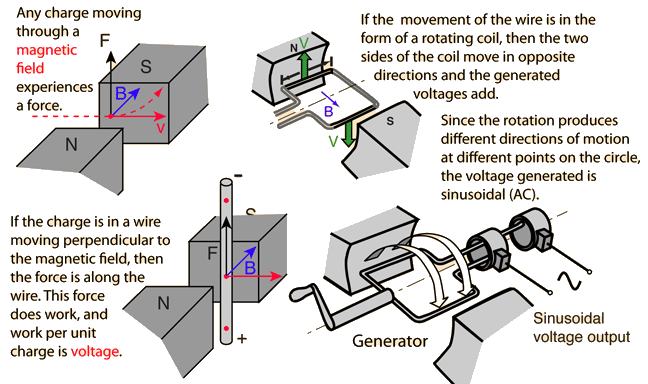
Credit: hyperphysics.phy-astr.gsu.edu
Factors Affecting Generator Efficiency
Generator efficiency depends on several factors. These include fuel type, maintenance, and design. Understanding how these elements affect performance helps improve electricity production.
Understanding the factors affecting generator efficiency can greatly improve your energy output. Several elements play a pivotal role in how effectively a generator converts fuel into electricity. By paying attention to these factors, you can enhance performance and save on fuel costs.Fuel Quality
The type of fuel you use directly influences efficiency. High-quality fuel burns more completely, leading to more energy produced from the same amount. Low-quality or contaminated fuel can cause incomplete combustion, resulting in wasted energy. Have you ever noticed how your vehicle performs differently with premium fuel versus regular? The same principle applies to generators.Load Management
Understanding load management is crucial for optimal generator performance. A generator operates most efficiently at its rated load capacity. Running a generator at too low or too high a load can decrease efficiency. Have you ever run a generator at a fraction of its capacity? You probably noticed it didn’t run as smoothly or economically as expected.Maintenance Practices
Regular maintenance can significantly boost your generator’s efficiency. Clean air filters, oil changes, and spark plug checks are essential. Neglecting these tasks can lead to reduced performance and higher fuel consumption. Think about the last time you skipped an oil change—how did your car react?Ambient Conditions
External conditions like temperature and humidity also play a role. Generators operate best in moderate climates. Extreme heat or cold can affect fuel combustion and overall performance. Have you ever tried to start your generator on a chilly morning? You might have noticed it struggled more than usual.Generator Design
The design and technology of your generator matter too. Modern generators often come with advanced features for better efficiency. Choosing a generator with innovative technology can lead to significant savings in the long run. Are you using the latest model, or are you still relying on an older, less efficient unit? By considering these factors, you can make informed decisions to enhance the efficiency of your generator. Your power needs may vary, but understanding what affects your generator’s performance will ensure you maximize its potential.Generator Maintenance Tips
Generator maintenance is crucial for ensuring that your equipment operates smoothly and efficiently. Regular upkeep not only extends the life of your generator but also enhances its performance. A well-maintained generator can save you from unexpected power outages, giving you peace of mind.
Regular Inspection
Inspect your generator at least once a month. Look for any signs of wear, leaks, or rust. Pay attention to the fuel lines and connections, as these can deteriorate over time.
- Check the oil level and quality.
- Examine the air filter for dirt and debris.
- Inspect the battery terminals for corrosion.
Noticing small issues early can prevent bigger problems later. You wouldn’t ignore a strange noise from your car, so don’t overlook your generator!
Change The Oil Regularly
Oil acts as the lifeblood of your generator. Changing it regularly keeps the engine lubricated and running smoothly. Aim for an oil change every 50-100 hours of operation, depending on the model.
Use the type of oil recommended in the user manual. Don’t forget to check the oil filter, too. A dirty filter can cause oil to become contaminated.
Keep It Clean
Dust and debris can accumulate on your generator, affecting its efficiency. Regularly clean the exterior and ensure that the air intake is clear. A clean generator runs cooler and more efficiently.
Using a soft cloth and mild detergent is usually sufficient. Be gentle around electrical components. A little care goes a long way in maintaining performance.
Test Your Generator
Running your generator for a few minutes monthly can help you identify any potential issues. Make sure it is loaded while testing to simulate actual conditions. This practice ensures that it starts easily when you need it most.
Have you ever been caught in an outage with a non-working generator? Testing helps avoid that frustrating experience.
Store Properly
If you plan to store your generator, follow the manufacturer’s recommendations. Drain the fuel to prevent it from going stale and causing starting issues. Cover it to protect it from dust and moisture.
Consider placing it in a dry, well-ventilated area. Proper storage can significantly prolong its life and reliability.
Maintaining your generator doesn’t have to be daunting. With these simple tips, you can ensure that your generator is ready to power your life whenever you need it. What maintenance step will you tackle first?
Credit: www.electricgeneratorsdirect.com
Frequently Asked Questions
How Does A Generator Convert Mechanical Energy To Electricity?
A generator converts mechanical energy into electrical energy using electromagnetic induction. When a conductor, like copper wire, moves through a magnetic field, it generates an electric current. This process relies on the principles of physics, specifically Faraday’s law of induction, making it efficient for power production.
What Are The Main Components Of A Generator?
The main components of a generator include the engine, alternator, and fuel system. The engine provides mechanical energy, while the alternator converts that energy into electricity. Other essential parts include the voltage regulator, cooling system, and frame, which work together to ensure efficient operation and safety.
How Is Electricity Generated From A Generator?
Electricity is generated in a generator by rotating a coil within a magnetic field. This rotation induces an electric current in the coil due to electromagnetic induction. The produced current is then directed through electrical circuits for use, powering homes, businesses, and various devices.
What Types Of Generators Produce Electricity?
Generators can be categorized into various types, including portable, standby, and inverter generators. Portable generators are useful for temporary power needs, while standby generators provide backup electricity during outages. Inverter generators offer cleaner power suitable for sensitive electronics, making them versatile for different applications.
Conclusion
Generators play a vital role in producing electricity. They convert mechanical energy into electrical energy. This process involves key components like the rotor and stator. Understanding how generators work helps you appreciate electricity’s importance. They provide power during outages and support industries.
Knowing their function can guide your choices when buying one. Always consider efficiency and reliability. Generators are essential tools for modern life. They ensure we have energy when we need it most. Explore more about generators to make informed decisions.