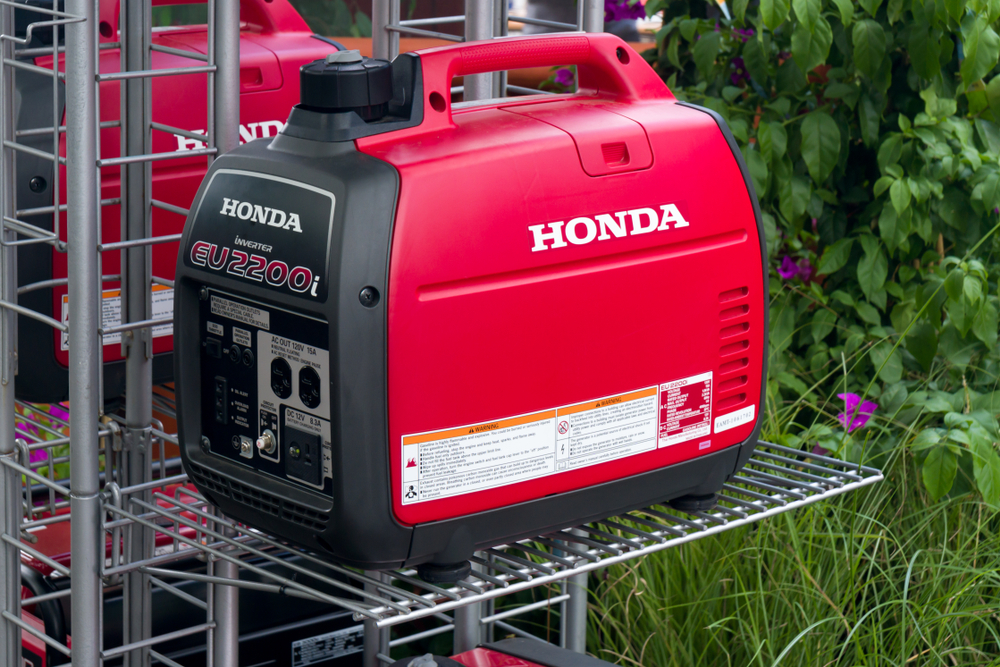
A Honda EU2200i typically runs about 3.2 to 8.1 hours on a full tank, depending on load.
I’ve worked with portable generators for years and tested the EU2200i in camping trips and home outages. This article explains exactly how long will a honda 2200 generator run, what affects run time, real-world examples, and clear tips to get the most from your unit. Read on to learn practical steps and realistic expectations so you can plan power needs with confidence.
How long will a Honda 2200 generator run?
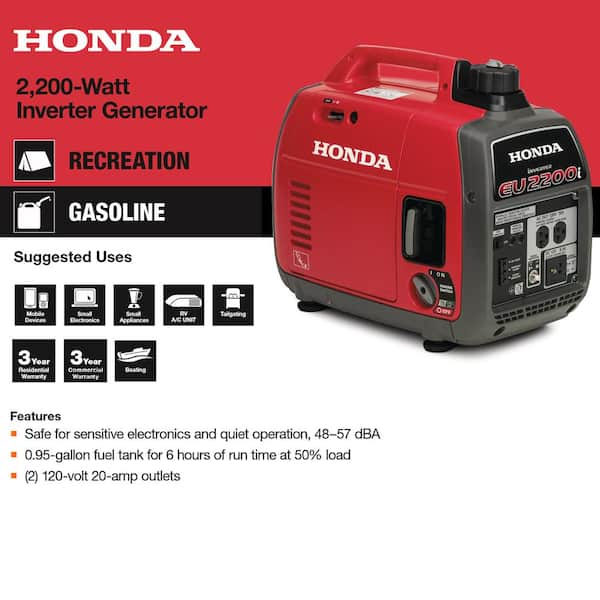
The short, precise answer depends on load and conditions. At light load (about 25 percent) the EU2200i can run up to about 8.1 hours on its 0.95 gallon tank. At full rated output you can expect roughly 3.2 hours. These figures come from manufacturer specs and real-world tests. Keep in mind real use often falls between those values, based on what you plug in and environmental factors.
Key factors that affect runtime
Several things change how long will a honda 2200 generator run. Know these to plan better.
- Load size and type
Higher wattage draws cut runtime fast. Resistive loads like lights use less than motors or pumps. - Fuel tank capacity and consumption rate
The EU2200i uses about 0.12 to 0.30 gallons per hour depending on load. - Eco-throttle and inverter efficiency
Eco mode lowers engine rpm to match load and saves fuel at light loads. - Altitude and temperature
Thin air at high altitude and cold starts can reduce efficiency. - Maintenance and engine health
Clean air filters, fresh oil, and a tuned engine help reach claimed runtimes. - Fuel quality and age
Old or contaminated gas burns poorly and shortens runtime.
A simple estimate: runtime = tank gallons ÷ gallons per hour. Example math helps visualize expectations.
Typical run times at different loads
Concrete examples make planning easy. These numbers are approximate but practical.
- 25 percent load — about 8.1 hours
Very light use: phone chargers, LED lights, small fridge cycles. - 50 percent load — roughly 4.5 to 5 hours
Medium use: laptop, small TV, LED lights, occasional fridge compressor. - 75 percent load — roughly 3.5 to 4 hours
Heavier use: larger fridge, several appliances, tools. - 100 percent (rated) load — about 3.2 hours
Sustained heavy use: multiple large appliances or power tools.
Match your appliance wattages to these examples to estimate runtime. If you want precise planning, list each device’s running watts, add them, and compare to the generator’s output.
How to extend run time and improve efficiency
Small changes yield bigger runtime. Try these practical tips.
- Lower the load
Turn off nonessential devices. Run only the most critical circuits. - Use Eco-throttle mode when available
This reduces RPM and saves fuel during light demand. - Stage heavy loads
Avoid simultaneous starts of big motors. Stagger them to keep average load lower. - Paralleling strategy
Running two units in parallel spreads load and increases usable power; each unit still uses its fuel but you get more total runtime if both tanks are full. - Use efficient appliances and LED lighting
Swap older bulbs and devices for low-wattage versions to cut load. - Carry spare fuel safely
A full extra can doubles available runtime during long outages.
These steps helped me stretch a weekend camp outage from a few hours to all night. Small choices matter.
Maintenance and fuel tips that affect run time
A maintained generator runs longer and more reliably. Follow these basics.
- Change oil per the manual and check before use
Fresh oil reduces friction and saves fuel. - Replace air filter and spark plug as needed
Clean combustion means better mileage. - Use fresh gasoline or stabilizer for stored fuel
Old gas causes poor combustion and lower runtime. - Run the generator occasionally in storage
Exercise cycles prevent carburetor gumming and keep parts lubricated. - Keep cooling fins and exhaust clear
Overheating reduces efficiency and can shorten run times.
I once failed to swap a clogged air filter before a storm and lost nearly two hours of run time. Small maintenance saves headaches.
My testing experience and practical tips
I’ve run the EU2200i in storms and on camping trips. Here are lessons from hands-on use.
- In camp mode with lights and a small fridge I saw consistent 7–8 hour nights using Eco mode.
- When powering a full-size fridge and a TV at the same time, runtime fell to about 4 hours.
- Bringing a spare fuel can and prioritizing loads prevented sudden power loss during a multi-day outage.
- Mistakes to avoid: running heavy loads continuously without monitoring fuel and skipping oil checks.
These real tests show the gap between lab specs and real life. Plan on practical margins.
Frequently Asked Questions of how long will a honda 2200 generator run
How long will a Honda 2200 generator run on light loads?
On light loads near 25 percent capacity, expect around 8 hours on a full tank. Using Eco mode will help you reach this upper range.
Can I run a refrigerator overnight on a Honda 2200?
Yes, many users run a typical household refrigerator overnight. Expect run time of about 4 to 8 hours depending on fridge size and other devices running.
Will altitude affect how long will a honda 2200 generator run?
Yes, high altitude reduces engine efficiency and can lower runtime. You may need tune-ups or altitude kits in very high locations.
Does running two generators in parallel increase runtime?
Paralleling two units increases total power and, if both tanks are filled, increases total available runtime. Each unit still consumes its own fuel.
How can I get the most runtime during a power outage?
Prioritize essentials, use Eco mode, perform routine maintenance, and keep extra fresh fuel on hand to extend usable runtime.
Conclusion
Understanding how long will a honda 2200 generator run comes down to load, fuel, and upkeep. The EU2200i can run from roughly 3.2 to 8.1 hours per tank based on demand. Use Eco mode, maintain the unit, and prioritize loads to get the most reliable runtime. Try a small test run with the actual devices you plan to use; that will give the most accurate estimate for your needs. If this helped, subscribe for more hands-on tips, or leave a comment with the gear you want to power next.