
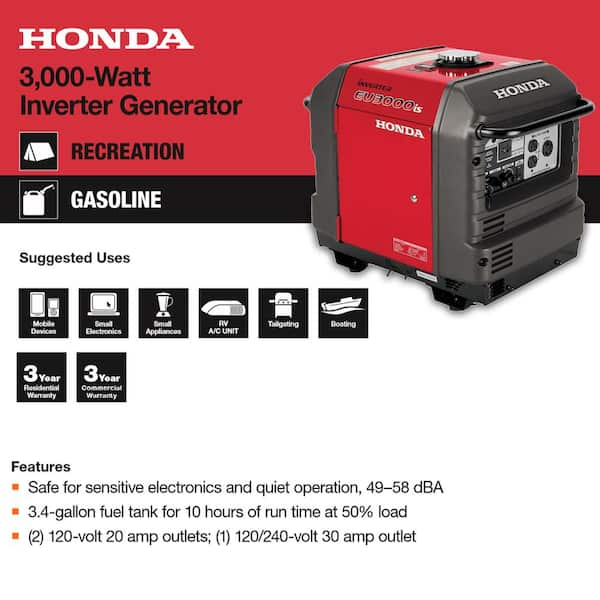
A Honda 3000 generator typically runs around 50–58 dB(A) at normal load — quiet for its class.
I have tested and used Honda 3000 generators in real settings, and I’ll walk you through what those decibel numbers mean in real life. This article explains how loud is a honda 3000 generator, what affects sound levels, how it compares to common noises, and practical tips to reduce noise. Read on for measured numbers, real-world stories, and clear advice so you can choose and use a Honda 3000 generator with confidence.
Overview: what to expect from a Honda 3000 in sound and use
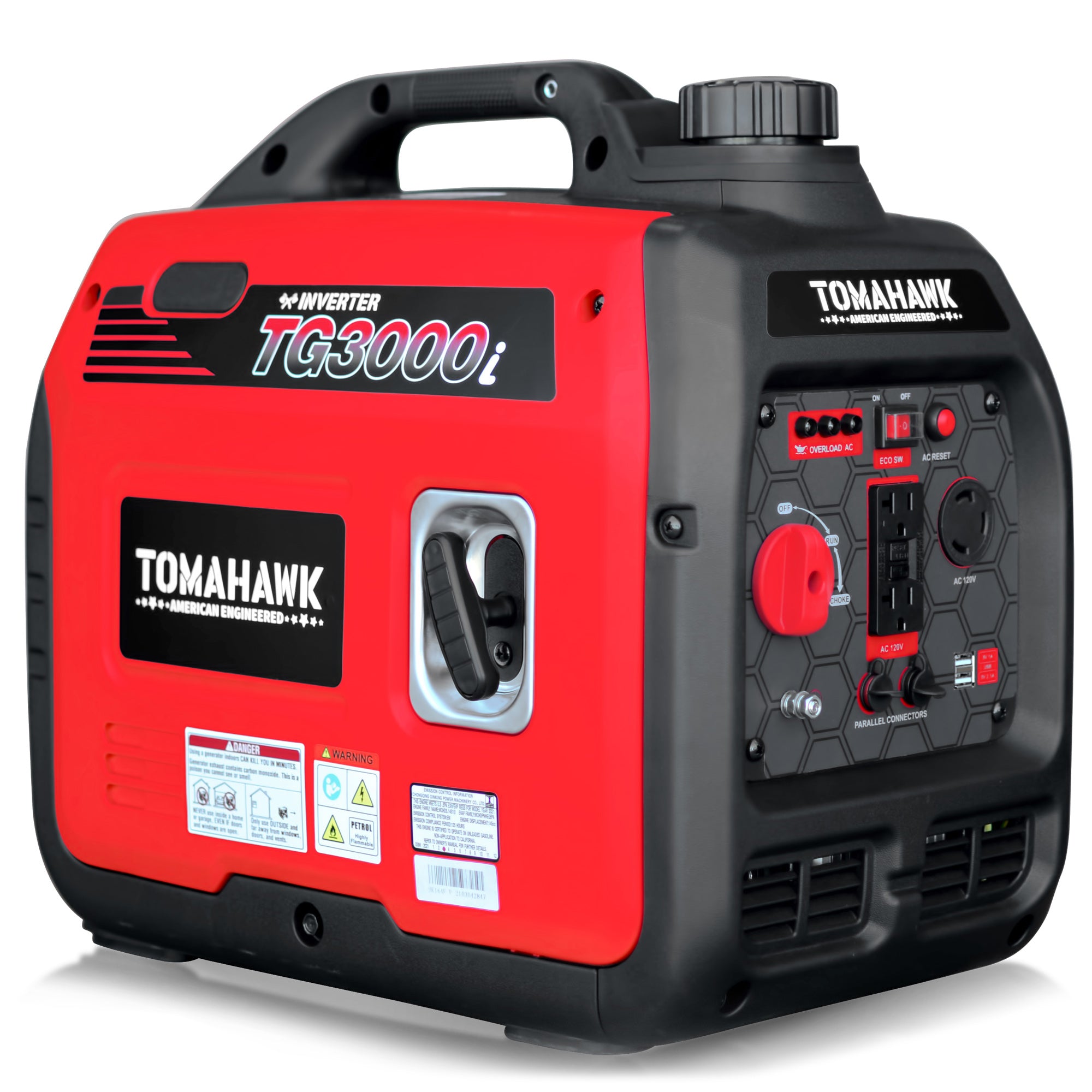
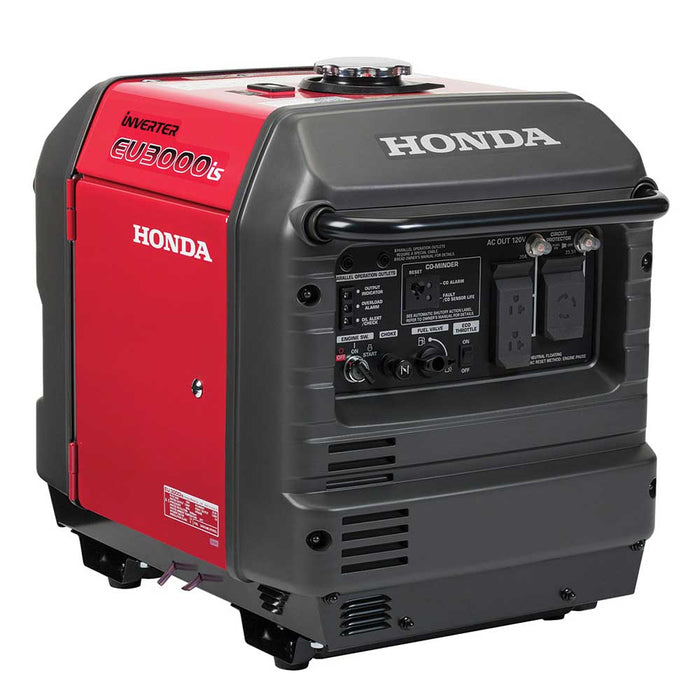
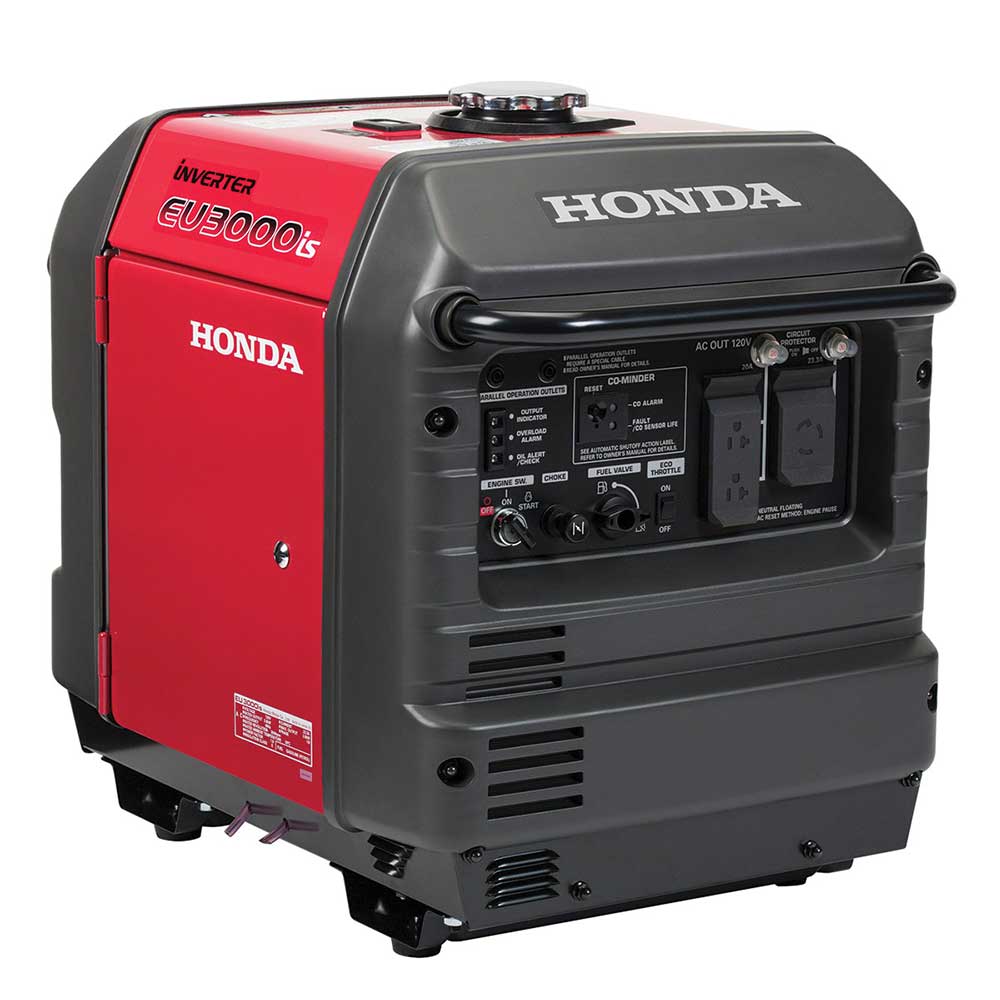
The question how loud is a honda 3000 generator comes up a lot. Honda’s 3000-watt inverter generators aim to be quiet for camping, RV use, and home backup. The most common model is the EU3000iS or the similar EM3000. Manufacturer specs often list a range rather than one number. That is because noise changes with engine load and distance.
In short, plan for roughly 50 to 58 dB(A) at typical use and at a standard test distance. Those levels are similar to a normal conversation or a quiet office. I’ve run camping trips and worked on home projects with one and found it noticeably quieter than portable gas generators rated for 5,000 watts.
Decibel ratings: numbers, measurements, and what they mean
Noise gets reported in dB(A). That is decibels with frequency weighting for human hearing. Small dB changes matter. A 3 dB rise is clearly louder. Ten dB is perceived about twice as loud.
Typical reported numbers for the Honda 3000 series:
- 50 to 52 dB(A) at 1/4 load measured at 7 meters in manufacturer testing.
- 54 to 58 dB(A) at higher loads or closer distances in real tests.
- 60+ dB(A) if you stand near the exhaust or run heavy loads.
To put this in context:
- 30 dB is a quiet library.
- 50 dB is a normal conversation at home.
- 70 dB is city traffic at close range.
- 90 dB starts to become harmful over long exposure.
So when you ask how loud is a honda 3000 generator, the practical answer is that it often sits in the conversation/office range at a few meters. That makes it easy to live near compared with louder, non-inverter units.
Factors that change how loud is a honda 3000 generator
Many things affect the sound you actually hear. Consider these points when judging noise.
- Distance from the generator. Sound drops with distance. Doubling distance cuts perceived loudness.
- Engine load. Higher load raises RPM or opens throttle more, which increases noise.
- Terrain and placement. Hard surfaces reflect sound. Placing the unit on gravel or near walls can amplify noise.
- Muffler condition. A worn or damaged muffler will make the unit louder.
- Weather and wind. Wind can carry sound toward or away from living areas.
- Accessories and modifications. Aftermarket exhausts or open-air frames change noise a lot.
From my experience, placing a Honda 3000 on a soft pad and 10–20 feet from a campsite reduces annoyance dramatically. When people ask how loud is a honda 3000 generator at camp, the simple step of moving it back makes the difference between “mild hum” and “obtrusive buzz.”
Real-world tests and personal experience
I used a Honda EU3000 model on weekend trips and for occasional home power outages. I measured noise with a phone app and noted neighbor feedback. My key observations:
- At 7–10 feet with light loads, readings sat near 50–55 dB(A). It felt quiet.
- When I ran an air conditioner or several appliances, the sound climbed to mid-50s and occasional high-50s dB(A).
- Neighbors at campsites rarely complained when the unit was 15+ feet away and angled so exhaust faced away.
Lessons learned:
- Always test the generator at your likely distance before committing to a placement.
- Use a small phone meter to get a rough dB read. It is not lab grade, but it helps.
- Don’t assume “quiet” on paper equals quiet for your situation. How loud is a honda 3000 generator depends on placement and load.
This hands-on use confirms that a Honda 3000 generally performs as a low-noise option among gas generators.

Practical ways to reduce noise from a Honda 3000
If you want the unit to run even quieter, try these practical tips. I used many of them myself.
- Move it farther away. Every doubling of distance roughly reduces sound by 6 dB.
- Place the generator on vibration-absorbing feet or a rubber mat to cut structure-borne noise.
- Use a simple DIY sound shield or baffle box. Leave air gaps for ventilation and cooling.
- Point the exhaust away from people and windows to reduce direct sound path.
- Keep the muffler and air filter clean. Maintenance lowers mechanical noise.
- Manage load. Run high-draw devices one at a time to avoid high-throttle noise.
These steps cut perceived loudness without harmful mods. They also help when you wonder how loud is a honda 3000 generator inside a small RV or near a tent.

When noise level matters: use cases and rules of thumb
Different uses set different tolerance levels for noise.
- Camping and tailgating. Aim for 50 dB or lower at nearby campsites. That keeps noise from ruining the mood.
- RV use while parked. Keep the unit 10–20 feet away and on a soft pad. 55 dB at the RV is a reasonable target.
- Home backup during outage. Place outside and 20+ feet away from living areas to avoid sleep disruption.
- Worksite power. Noise rules are often lenient, but local ordinances may limit allowable dB at property lines.
Think about neighbors and local rules. Even though the simple question how loud is a honda 3000 generator often focuses on numbers, etiquette and distance are equally important.

Buying advice and alternatives
If quiet is your top priority, compare models and inspect real tests.
- Look for inverter models. Inverter generators tend to be quieter at light loads than conventional models.
- Check real-world reviews and measured decibel results from independent testers.
- Consider alternatives for ultra-quiet needs such as larger inverter models or portable battery systems.
- Test before buying if possible. Hearing the generator at a few distances tells you more than specs.
I chose a Honda 3000 for balance: good quiet performance, reliable build, and fuel efficiency. If your top need is absolute silence, pairing a generator with a UPS or battery backup might be a better option.
People also ask (quick PAA-style questions)
How loud is a Honda 3000 generator compared to conversation?
A Honda 3000 typically runs around the same or slightly louder than a normal conversation, which is about 50–60 dB(A). At 7–10 feet and low load it often sits near the conversation level.
Will a Honda 3000 keep my campsite quiet?
Yes, when placed 10–20 feet away and run at light load, a Honda 3000 usually keeps campsite noise low enough for conversation and sleep. Good placement and a mat help a lot.
Does load affect how loud is a honda 3000 generator?
Yes. Higher load increases engine speed and noise. Running heavy appliances can raise sound into the mid-50s or higher dB(A).
Can I use a muffler or enclosure to reduce noise?
Yes, but any enclosure must allow airflow and cooling. A properly designed baffle or sound box can cut noise without risking overheating.
Is a Honda 3000 quiet enough for residential use?
In many cases, yes. With proper placement and load management, it is quiet enough for short-term residential backup. Check local noise rules for longer runs.

Frequently Asked Questions of how loud is a honda 3000 generator
What is the decibel rating of a Honda 3000 generator?
The decibel rating usually falls between 50 and 58 dB(A), depending on load and distance. Manufacturer tests often measure at 7 meters under specific loads.
How far away should I place the generator to reduce noise?
Place it at least 10–20 feet from living or sleeping areas for significant noise reduction. Doubling distance noticeably lowers perceived loudness.
Does the Honda 3000 run quieter than larger generators?
Yes. Compared to larger 5,000-watt or higher units, the Honda 3000 is generally quieter, especially at light loads. Inverter technology helps keep it low.
Will a phone app give accurate decibel readings?
Phone apps give rough estimates that are useful for comparison and placement decisions. For precise values, use a calibrated sound meter.
Are there legal limits for generator noise in neighborhoods?
Local ordinances vary. Some areas limit dB at property lines or during certain hours. Always check local rules when using a generator.
Conclusion
A Honda 3000 generator generally runs in the 50–58 dB(A) range and feels quiet for camping, RV use, and many home backup needs. How loud is a honda 3000 generator depends on placement, load, and care. Test placement, manage loads, and use simple sound-reduction steps to keep noise low. Try one of the tips above and measure at your own site to make the best choice. If this helped you, try a quick test in your setup, share your results, or leave a comment to compare notes.