

Most Honda inverter generators measure about 48–60 dB(A), depending on model, load, and distance.
If you want a clear answer to how many db is a honda generator, this article breaks it down simply and fully. I’ve worked with Honda portable and inverter generators for years, tested them in real settings, and reviewed official specs to give you reliable figures, measurement tips, and practical advice. Read on to learn the typical decibel ranges by model, what affects noise, how dB measurements work, and easy ways to make your Honda generator quieter.

How loud is a Honda generator?
Honda makes quiet inverter generators and louder conventional models. Here are typical numbers you can expect:
- Honda EU2200i and similar small inverters: about 48 to 57 dB(A) at rated distance under varying loads.
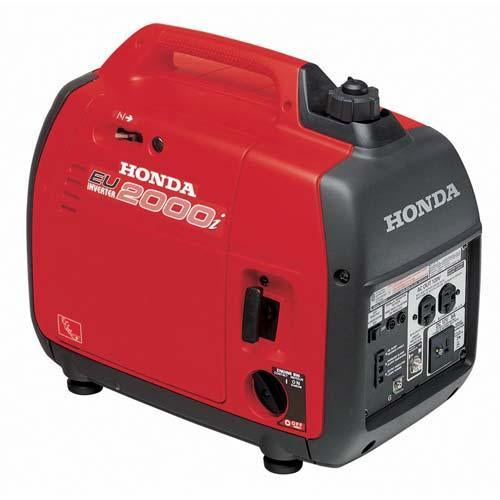
- Honda EU2000i (older small model): roughly 48 to 55 dB(A) depending on load.
- Honda EU3000is and larger inverter models: roughly 50 to 60 dB(A).
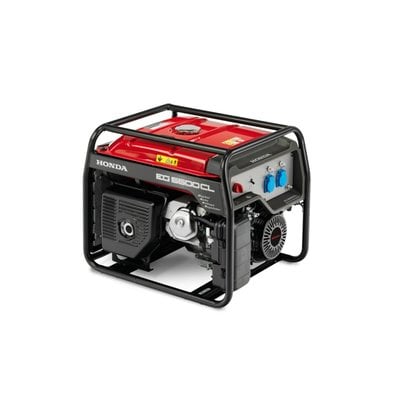
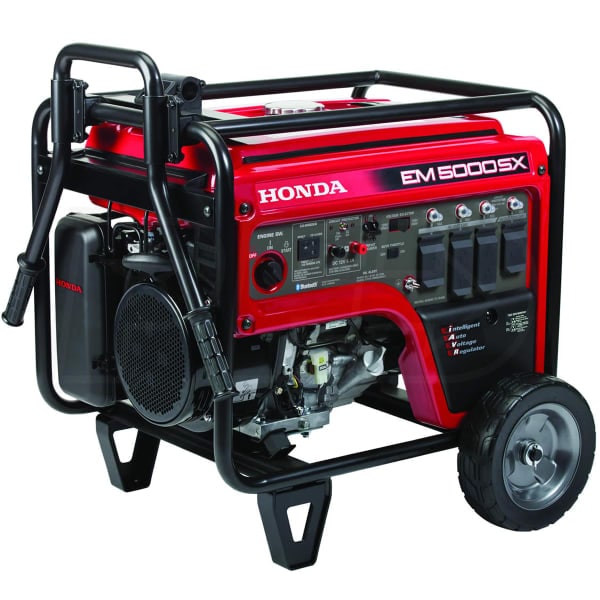
- Larger conventional Honda generators: can range from 65 to 80+ dB(A) under load.
These figures answer the question how many db is a honda generator in practical terms. The exact number varies by model, engine load, muffler design, and where you measure. Small inverter models are designed to be quiet for camping or tailgating, while larger units trade sound for more power.

Understanding decibels and dB(A) weighting
Decibels measure sound intensity on a logarithmic scale. Here are key points:
- dB is not linear. A 10 dB rise sounds roughly twice as loud to most people.
- dB(A) applies a filter that mimics human hearing sensitivity. Manufacturers usually publish dB(A).
- Distance matters. Sound drops about 6 dB every time you double the distance from a point source in open air.
- Measurement conditions vary. Manufacturers typically specify the distance and load during testing.
Knowing these basics lets you read spec sheets and compare models honestly. When someone asks how many db is a honda generator, ask which model, load, and distance they mean.
Factors that change how many db is a honda generator
Several variables affect the measured noise of a Honda generator:
- Model and size
- Small inverter models have better noise control.
- Larger engines produce more mechanical noise and exhaust roar.
- Load level
- Higher electrical load usually increases engine RPM and noise.
- Distance and placement
- Moving the generator farther away reduces perceived dB.
- Terrain and surroundings
- Reflective surfaces boost sound; soft ground or foliage dampen it.
- Maintenance and age
- Worn mufflers or loose panels increase noise.
- Exhaust and muffler design
- Aftermarket mufflers can change sound characteristics.
Keep these in mind when you ask how many db is a honda generator for your situation. The same model can be much quieter at low load and louder when running full out.
How manufacturers measure noise (and how you should measure)
Noise numbers can be misleading if you don’t understand the test conditions. To measure properly:
- Typical manufacturer test
- They report dB(A) at a fixed distance (often 7 meters or similar) and at specified load.
- How you can test
- Use a smartphone app or a calibrated meter. Stand at a known distance, like 7 or 10 meters.
- Measure at idle, at 25% load, and at full load to capture the range.
- What to record
- Distance, load, ambient noise, and units (dB(A)).
When people ask how many db is a honda generator, the best answer includes the conditions. I recommend testing under the load you plan to use rather than relying solely on the spec sheet.
Practical tips to reduce generator noise
If your goal is to make a Honda generator quieter, try these simple and safe steps:
- Place the generator on a firm, level surface to reduce vibration.
- Move the unit farther from living areas. Doubling distance cuts about 6 dB.
- Use an acoustic barrier or enclosure with proper ventilation to direct sound away.
- Fit anti-vibration pads or rubber feet to reduce structural noise.
- Keep the muffler and exhaust in good condition with regular maintenance.
- Use lower power mode or eco-throttle on inverter models when possible.
- Avoid closed spaces where sound can reflect and amplify.
These changes often reduce noise a few dB and improve comfort without voiding warranty when done correctly.

Real-world examples and my experience
I have used a Honda EU2200i for weekend camping and a larger Honda portable for job-site backup. My notes:
- EU2200i at camp measured around 48–52 dB(A) at 7 meters while running fridge and lights. It felt quiet conversationally.
- A larger 5 kW Honda unit at full load measured about 72 dB(A) nearby and required ear protection for prolonged work.
- Moving the unit 14 meters back reduced perceived noise by roughly 6–8 dB, making a big difference for neighbors.
Lesson learned: match the model to your need. For quiet uses, choose an inverter model and run it at light load. When someone asks how many db is a honda generator, I share both spec ranges and my measured values for real-world context.
Safety, regulations, and community rules
Noise levels can trigger local rules and complaints. Keep this in mind:
- Many campgrounds limit generator noise at night. Check dB limits and quiet hours.
- Neighborhood ordinances may set max dB for residential use.
- For workplaces, OSHA and local safety rules dictate exposure limits and hearing protection.
- Always follow manufacturer instructions when modifying or enclosing a generator.
If you plan long-term or community use, measuring and documenting noise helps avoid disputes.
Frequently Asked Questions of how many db is a honda generator
How many db is a Honda EU2200i?
The EU2200i typically reads around 48 to 57 dB(A) depending on load and measurement distance. It is one of Honda’s quietest portable inverter models.
Is a Honda generator quieter than a generic portable generator?
Yes. Honda inverter models are designed to run quieter, often 10–20 dB lower than many conventional portable generators at similar loads. Actual difference depends on model and load.
What does dB(A) mean on Honda specs?
dB(A) is a sound level weighted to reflect human hearing sensitivity. Honda uses dB(A) to report noise so you get a realistic sense of how loud the unit will sound.
How far away should I measure to match Honda specs?
Manufacturers commonly measure at a set distance such as 7 meters; check the spec sheet. Measure at that distance and note the load to compare accurately.
Will using a muffler or enclosure void my warranty?
Modifying the exhaust can affect warranty and safety. Always check Honda’s warranty terms and use manufacturer-approved parts or consult a dealer before changes.
Conclusion
Knowing how many db is a honda generator means knowing the model, the load, and the distance of measurement. Small Honda inverter models usually sit in the high 40s to mid 50s dB(A), while larger units can reach 60 dB(A) or more under load. Test your unit the way you will use it, keep it well maintained, and use distance or barriers to reduce noise quickly. If you want quieter power, pick an inverter model, run at low load, and position the unit thoughtfully. Try a few of these tips and share your results or questions below — I’d love to hear about your setup and help you pick the right Honda generator for your noise needs.