

Atmospheric water generators typically cost between $1,000 and $100,000+ depending on size and features.
I have worked with residential and commercial water systems for years and have tested several atmospheric water generators in real homes and field sites. This guide explains how much do atmospheric water generators cost, why prices vary so much, the true operating costs, and practical tips to pick the right unit so you can make a smart purchase.

How atmospheric water generators work
Atmospheric water generators pull moisture from air. They condense vapor into liquid using cooling, adsorption, or hybrid methods. Units then filter and mineralize the water so it is safe to drink. Understanding the method helps explain why how much do atmospheric water generators cost can vary a lot.

Cost breakdown: purchase, installation, and add-ons
Costs vary by capacity, tech, and build quality. Below are common price ranges and what they cover.
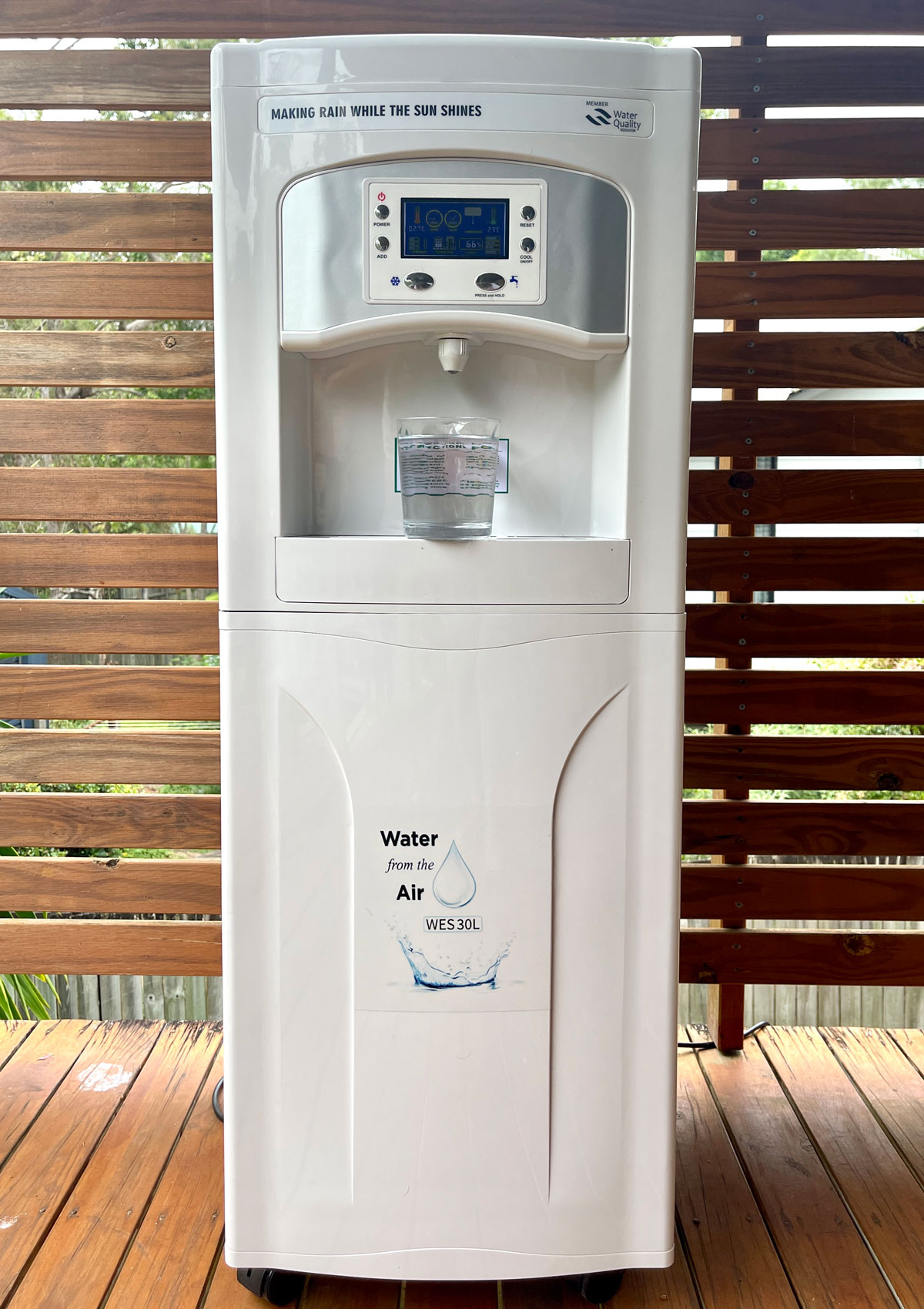
- Small portable or countertop units: $500 to $2,000. These serve 5 to 20 liters per day in ideal conditions.
- Whole-house or mid-size units: $2,000 to $15,000. These support family use and include better filtration and storage.
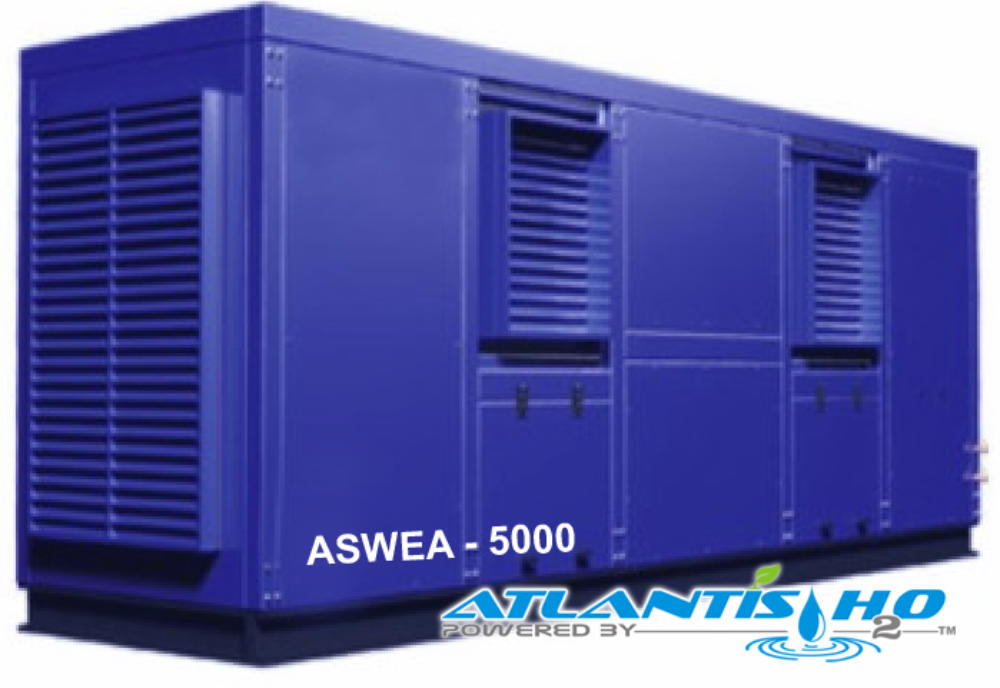
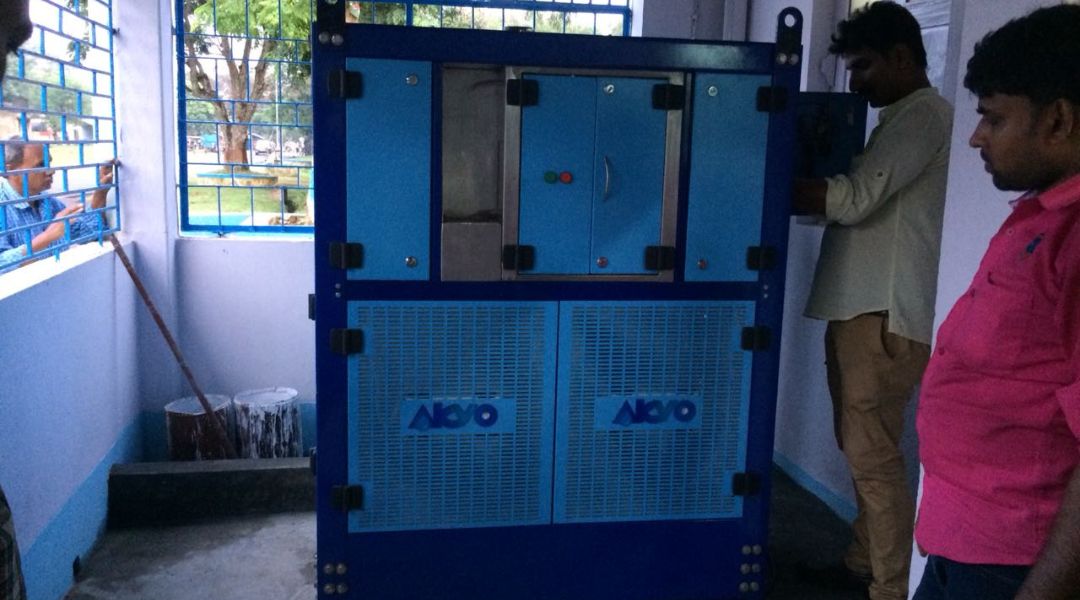
- Commercial units: $15,000 to $75,000. These produce hundreds of liters per day for offices or shops.
- Industrial and municipal systems: $75,000 to $1,000,000+. These serve large communities or manufacturing needs.
- Installation and plumbing: $200 to $5,000. Costs depend on plumbing, storage tanks, and electrical upgrades.
- Filtration, certification, and storage: $100 to $10,000. Higher-grade filtration, mineral dosing, and large tanks add cost.
When people ask how much do atmospheric water generators cost, they often mean purchase price. Real cost includes installation, filters, power supply, and periodic maintenance. Compare those elements to get a true price.
Factors that influence how much do atmospheric water generators cost
Many variables shape final price. Here are the main drivers.
- Capacity and output: Higher liters per day raise equipment and compressor size costs.
- Technology: Cooling-based units cost differently than adsorption or desiccant systems.
- Climate and performance rating: Units rated for low-humidity operation cost more.
- Energy source and efficiency: Energy-efficient models and solar-ready units are pricier up front.
- Filtration and disinfection: Medical-grade or multi-stage filters and UV raise cost.
- Build materials and certifications: Food-grade materials and safety certifications add expense.
- Brand and warranty: Established brands with long warranties usually cost more.
- Local labor and permit needs: Some regions add permit or electrician fees.
From my testing, small efficiency gains often cost a lot more up front. That means a cheaper unit may be fine if you live in humid areas. This insight helps when weighing how much do atmospheric water generators cost against expected benefits.
Operating costs, energy use, and ROI
Ongoing costs can equal or exceed purchase price over time. Here’s how to estimate them.
- Energy consumption: Typical energy use ranges widely. In humid, warm climates, expect about 0.2 to 0.6 kWh per liter. In drier or cooler climates, it can exceed 1.0 kWh per liter.
- Electricity cost example: A 20 L/day unit at 0.5 kWh/L uses 10 kWh/day. At $0.15/kWh, that’s $1.50 per day or about $45 per month.
- Filters and maintenance: Annual filter and sanitizing costs usually run $50 to $600 per year.
- Parts and service: Compressor and pump repairs appear every 5–10 years, often $200 to $2,000.
- Water cost comparison: Compare to bottled water or municipal cost to calculate payback. If bottled water costs $1.50 per liter, AWG may pay back faster. If tap water is very cheap, ROI takes longer.
From hands-on use, I learned to track kilowatt-hours for a month before buying. That simple check gives a realistic monthly cost and clarifies true answers to how much do atmospheric water generators cost.

Benefits and limitations to consider
Weigh pros and cons to decide if the cost makes sense for you.
- Benefits
- Independent water source during outages.
- Consistent water quality when properly filtered.
- Reduced bottled water use and plastic waste.
- Limitations
- Performance drops in low humidity.
- Energy use can be high, raising running costs.
- Upfront cost is substantial for reliable systems.
These trade-offs directly affect how appealing a price is when you ask how much do atmospheric water generators cost for your situation.
Buying, installation, and financing tips
Follow practical steps to get the best value and avoid common mistakes.
- Test your climate: Measure average humidity and temperature where the unit will operate.
- Request performance curves: Ask vendors for liters/day at specific humidity and temperature points.
- Check certifications: Look for food-contact materials and water safety testing.
- Plan for power: Confirm electrical capacity or choose solar-ready options for remote sites.
- Ask about warranties and service plans: Include maintenance in your cost model.
- Consider leasing or financing: Many vendors offer payment plans that lower initial outlay.
- Pair with storage: A properly sized tank reduces waste and smooths supply.
My mistake early on was buying based on "maximum liters" without checking real-world output in my dry season. Do the climate test first so you don’t overpay for capacity you won’t get.
People also ask
How much electricity does an atmospheric water generator use?
Electricity use depends on capacity and humidity. Expect 0.2 to 1.0+ kWh per liter; low humidity raises consumption.
Are atmospheric water generators worth the cost?
They are worth it if you need off-grid water, high water quality, or reduced bottled water use. For cheap municipal water, ROI is slower.
Can I run an AWG on solar power?
Yes, many systems can pair with solar, but you must size panels and batteries to match peak usage and storage needs.

Frequently Asked Questions of how much do atmospheric water generators cost
How much does a home atmospheric water generator cost?
Home models usually range from $500 to $15,000 depending on capacity and features. Include installation and filters to estimate total cost.
What are typical running costs per month?
Running costs often fall between $20 and $200 per month for residential units, based on energy prices and humidity. Commercial systems may cost much more.
Do larger units cost less per liter?
Yes. Larger units typically have lower cost per liter due to scale, but they have higher upfront and maintenance costs. Evaluate overall usage to decide.
How often do filters need replacement?
Filters commonly need changing every 6 to 12 months, depending on usage and water quality. Some systems also need periodic sanitizing or UV lamp changes.
Is financing available for AWG purchases?
Many manufacturers and vendors offer financing or leasing, especially for commercial systems. Financing cuts the initial barrier but increases long-term cost.
Can I get government rebates or incentives?
Some regions offer rebates for water or energy-efficient equipment. Check local programs to see if your purchase qualifies.
Conclusion
How much do atmospheric water generators cost depends on capacity, technology, climate, and ongoing energy needs. Small units start around a few hundred dollars, while industrial systems can reach six or seven figures. Run the numbers for your humidity, electricity prices, and water needs to see if an AWG is a smart choice. If you value independence from bottled water or want a backup water source, start by measuring local humidity and asking vendors for real-world output curves. If this guide helped, explore more reviews, compare quotes, or leave a question below to get tailored advice.