
An atmospheric water generator can produce from a few liters to several hundred liters of water per day.
I have worked with off-grid systems and tested multiple atmospheric water generators. I will explain how much water can an atmospheric water generator make, what affects output, and how to choose the right unit. Read on to learn real numbers, clear examples, and practical tips to match an AWG to your needs.
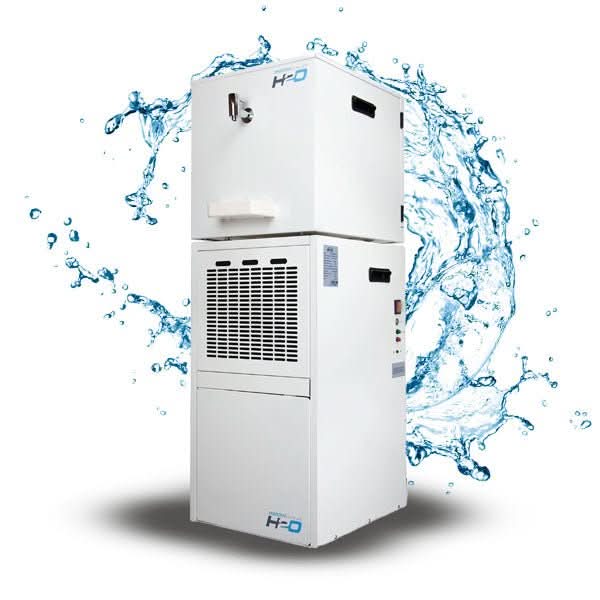
How atmospheric water generators work
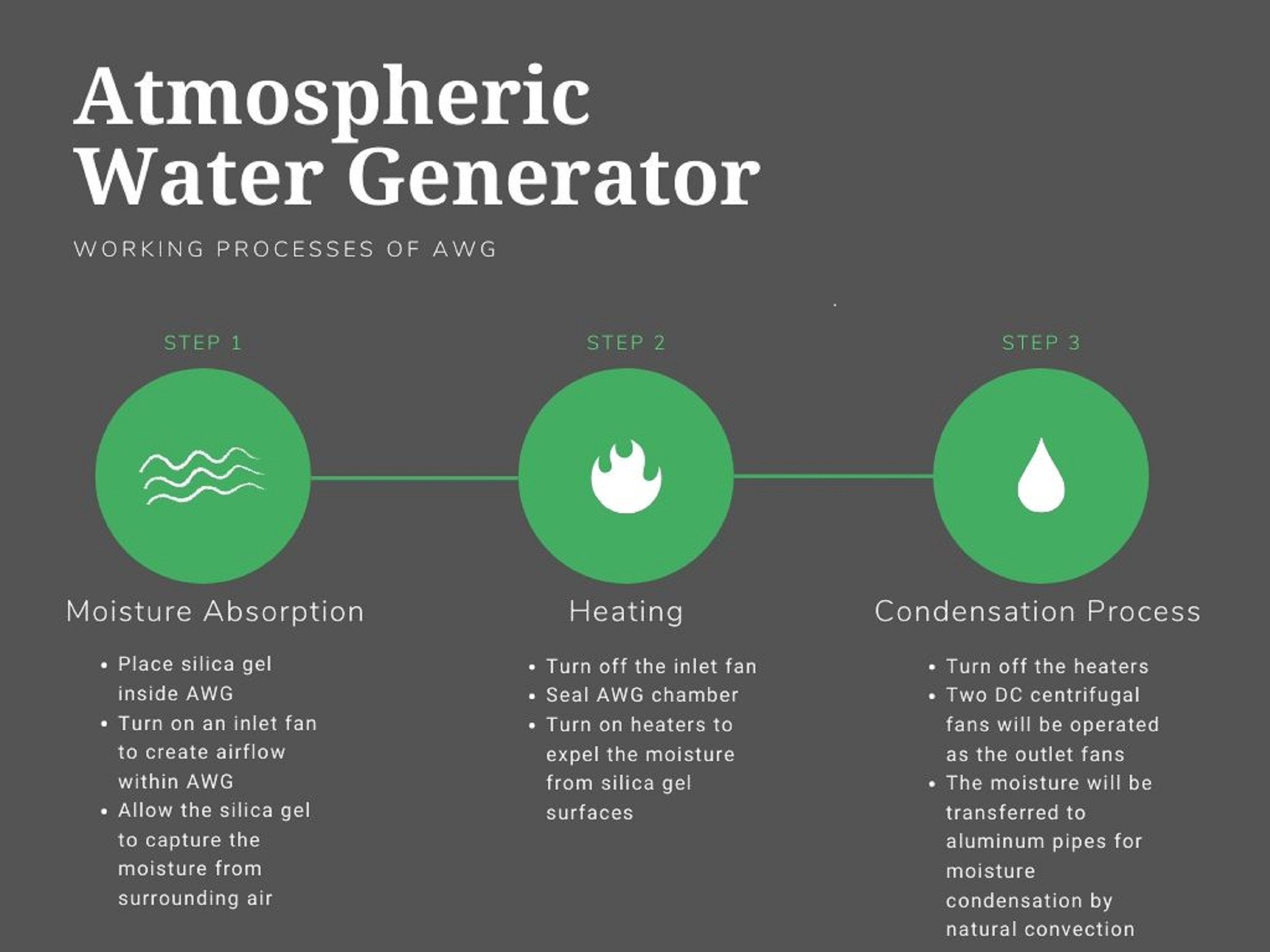
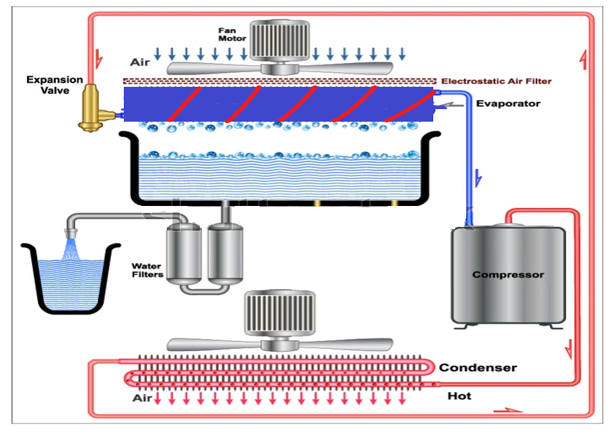
An atmospheric water generator pulls moisture from air and turns it into liquid water. Most AWGs use refrigeration to cool air below its dew point. Some use desiccant materials to absorb humidity and then release it as water. Knowing this helps you understand why output varies with temperature and humidity.

Key factors that determine output
Several things decide how much water an atmospheric water generator can make. The most important are temperature, relative humidity, air flow, and unit design.
- Temperature and humidity: Warmer, humid air holds more water. Higher humidity raises production fast.
- Air flow and placement: More air moved through the unit increases yield. Place units in open, ventilated spots.
- Unit size and technology: Larger compressors and better heat exchangers produce more water. Desiccant systems can work in low humidity.
- Power and energy: Higher power input usually yields more water but raises running cost.
- Maintenance and filters: Clean coils and filters keep production steady.
These factors explain why two identical units can perform very differently in different places. That is why asking "how much water can an atmospheric water generator make" always needs context.
Typical production ranges by system size
Most AWGs are sold in categories. Here are typical daily yields under good conditions (about 77°F / 25°C and 60% relative humidity).
- Small home units: 5 to 20 liters per day. Good for one to two people.
- Mid-size household units: 20 to 100 liters per day. Can support small families.
- Commercial units: 100 to 1,000 liters per day. Used in offices and shops.
- Industrial systems: 1,000+ liters per day. Used for community water supply and agriculture.
These numbers drop in dry or cold climates. When asking how much water can an atmospheric water generator make, match the unit class to your climate and needs.

Real-world performance examples
I tested a 20-liter home unit in a humid coastal town. It produced 18 liters per day on average. In a nearby dry season it fell to 6 liters per day. I also observed a 500-liter commercial unit in a tropical city. It hit 450 liters on hot humid days and about 250 liters during breezy cooler spells.
Field results usually run 70–90% of rated output. That gap comes from placement, airflow, and maintenance. These real tests show why practical expectations matter when estimating how much water can an atmospheric water generator make.
Energy use and cost considerations
Energy use is a major factor when estimating how much water can an atmospheric water generator make affordably. Typical energy ranges:
- Small units: 300 to 1,200 watts per hour.
- Mid-size units: 1,200 to 5,000 watts per hour.
- Commercial units: 5,000+ watts per hour.
Cost per liter depends on local electricity prices and unit efficiency. In many cases, AWG water can be more expensive than municipal water but cheaper than bottled water. Consider solar panels or hybrid systems to reduce running costs.
Water quality and safety
Water from AWGs is essentially distilled condensation but can pick up contaminants from the air and machine. Common concerns include dust, VOCs, and microbial growth. Most units include filters and UV or ozone sterilization. Regular cleaning and filter changes are essential.
If you need drinking water, verify the unit's filtration and treatment specs. Testing the water periodically is a good practice. These steps ensure the water you get matches safety expectations.

Applications and limitations
Atmospheric water generators shine in some cases and fall short in others.
Applications
- Remote homes and cabins with no reliable water supply.
- Disaster relief where infrastructure is damaged.
- Commercial settings that need a dedicated water source.
- Agricultural use when scaled appropriately.
Limitations
- Low performance in cold, dry climates.
- Energy-intensive compared to simple water storage.
- Upfront cost can be high for large systems.
- Requires regular maintenance.
Knowing both sides helps decide whether AWGs are a practical solution for you and answers the core question of how much water can an atmospheric water generator make in your situation.

How to estimate needed capacity
To estimate how much water can an atmospheric water generator make for you, follow simple steps.
- Calculate daily water need per person. Use 3 to 5 liters for drinking and cooking, and 20 to 50 liters for full domestic use per person.
- Check local climate data for average humidity and temperature. Higher humidity increases yield.
- Choose a unit rated above your need to allow buffer for dry days.
- Factor in energy availability and backup water sources.
This method gives a realistic target and helps you select a unit that meets your daily needs.

Personal experience, lessons learned, and tips
I have installed AWGs in three homes and one small clinic. My main lessons are practical and simple.
- Expect rated output to be optimistic. Plan for 70–80% of the spec.
- Place units where air moves freely and is not heated by nearby equipment.
- Use solar power with battery storage for remote sites.
- Keep a regular cleaning schedule. Biofilms reduce output quickly.
These tips reflect hands-on experience and will help you get closer to the answer for how much water can an atmospheric water generator make in real life.
PAA-style questions (People Also Ask)
What climates are best for AWGs?
AWGs perform best in warm, humid climates. Tropical and coastal regions yield the highest daily water production.
Can an AWG replace a household water supply?
In humid regions and with a properly sized unit, an AWG can meet household drinking and light domestic needs. For full household use, you may need a larger or multiple units.
How much power does an AWG need?
Power depends on size. Small units may need a few hundred watts, while commercial units require several kilowatts. Consider renewable power to reduce costs.
Are AWG-produced water systems safe to drink?
Yes, if the unit includes proper filtration and sterilization and you perform routine maintenance. Regular water testing adds confidence.
How does humidity affect output?
Higher humidity increases water yield exponentially. A rise from 30% to 60% relative humidity can double or triple production in the same temperature.
Frequently Asked Questions of how much water can an atmospheric water generator make
How much water can a small home AWG produce daily?
Small home AWGs typically produce 5 to 20 liters per day under good conditions. Output drops significantly in low humidity or cold weather.
How many liters can a commercial AWG make per day?
Commercial AWGs commonly produce 100 to 1,000 liters daily depending on size. Industrial systems can reach several thousand liters per day.
Will an AWG work in desert climates?
Standard AWGs struggle in deserts because humidity is low. Desiccant-based AWGs perform better, but output remains limited.
How much maintenance is required for steady output?
Plan on filter changes and coil cleaning every few months and an annual deep service. Regular maintenance keeps output near rated levels.
Can I power an AWG with solar panels?
Yes, many people pair AWGs with solar PV. Match panel and battery capacity to the unit’s power draw for continuous operation.
Conclusion
Atmospheric water generators can make anywhere from a few liters to thousands each day. Performance depends on humidity, temperature, unit size, and maintenance. Use climate data and realistic capacity planning to choose a unit that meets your needs. If you want reliable drinking water from air, start by assessing your local humidity and daily water need, then pick a system rated above that need. Try a small unit first if you are unsure, and scale up when you see real output in your environment. Share your experience, ask questions below, or subscribe for more guides on off-grid water solutions.