
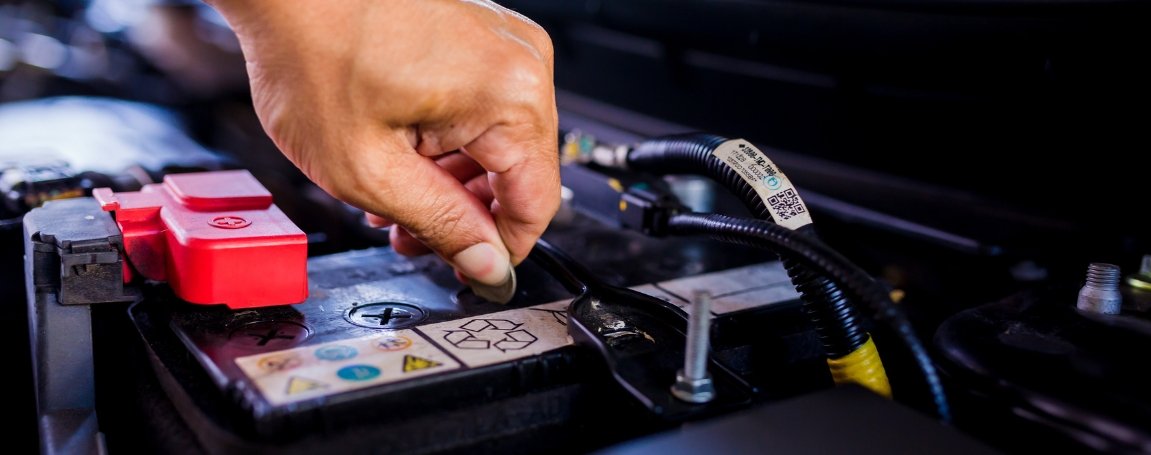
Is your car struggling to start or acting sluggish in the morning? If so, your car battery might be sending you a warning sign.
Knowing how often car batteries need to be replaced can save you from unexpected breakdowns and costly repairs. You might be wondering, “Is it time to replace my battery? ” or “How can I tell if my battery is dying?
” you’ll discover the key signs that show when your battery is failing, how long a typical car battery lasts, and simple steps you can take to keep your car running smoothly. Keep reading to learn exactly when and why you should replace your car battery before it leaves you stranded.
Battery Lifespan
Car batteries do not last forever. Their lifespan depends on many factors like usage, climate, and maintenance. Knowing how long a battery typically lasts helps plan for replacements and avoid unexpected breakdowns.
Most car batteries last between 3 to 5 years. Some may fail earlier, while others can last longer with proper care. The battery’s health affects your car’s starting ability and electrical system performance.
Average Lifespan Of Car Batteries
The average car battery lasts about 4 years. Extreme heat or cold can shorten this time. Frequent short trips also reduce battery life because the battery doesn’t fully recharge.
Regular driving helps keep the battery charged and extends its life. Checking the battery regularly can spot problems early before the battery dies completely.
Factors That Affect Battery Lifespan
Temperature plays a big role in battery life. Hot weather causes faster chemical reactions that wear out the battery. Cold weather slows the battery’s ability to deliver power.
Using electrical accessories like lights and radios while the engine is off drains the battery faster. Poor maintenance such as not cleaning terminals can cause corrosion, reducing battery life.
Signs Your Battery Needs Replacement
Slow engine crank means the battery is weak. The engine turns over slower or sounds sluggish when starting. Clicking noises while starting also signal battery issues.
Dim or flickering lights show the battery is not supplying enough power. Electrical problems like slow power windows or malfunctioning accessories are warning signs.
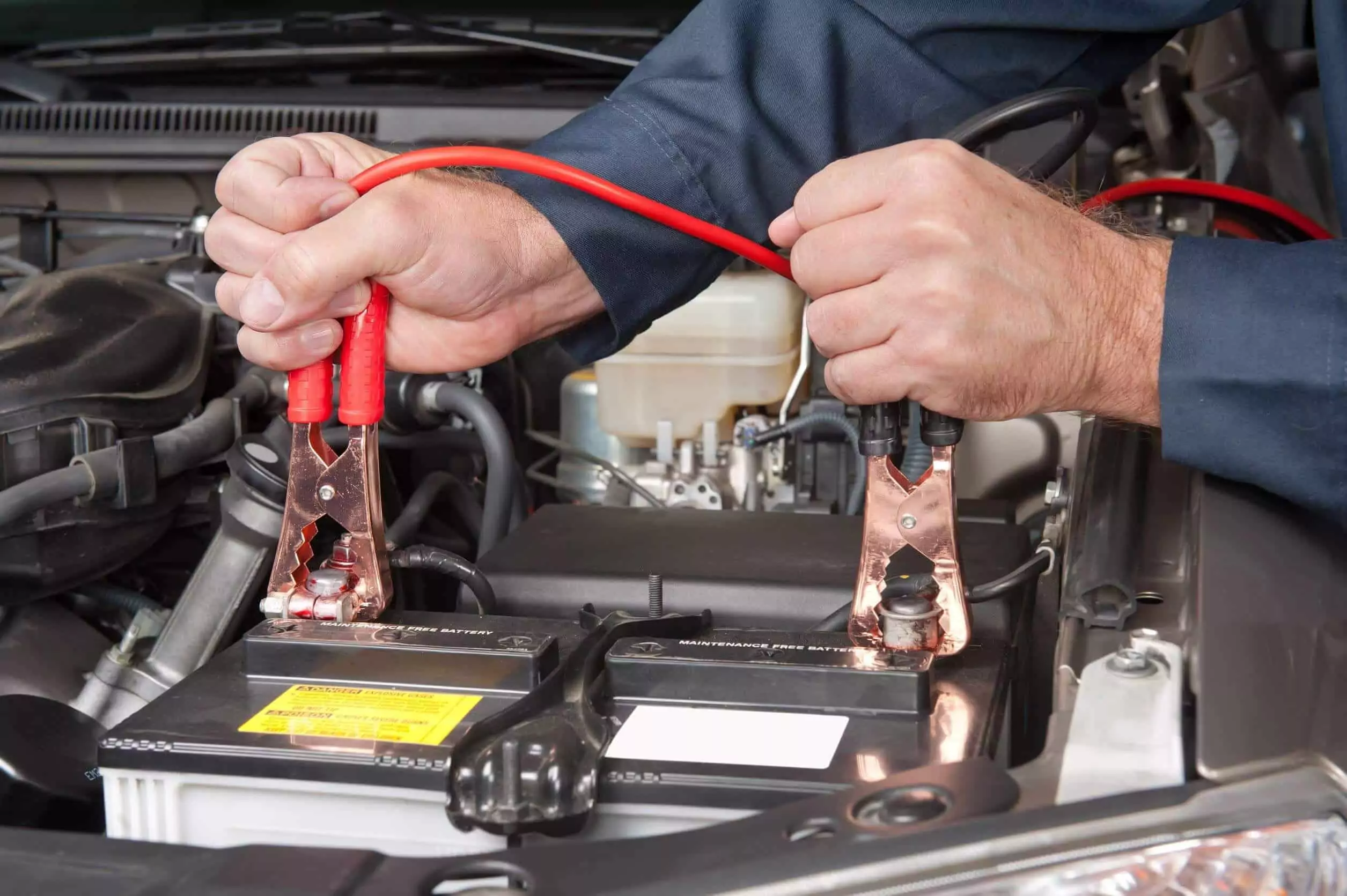
Frequent jump-starts indicate the battery fails to hold a charge. A swollen or leaking battery case shows physical damage and needs immediate replacement.
Credit: baterihub.com
Signs Of Battery Failure
Car battery failure shows clear signs before it completely stops working. Recognizing these signs helps avoid unexpected breakdowns. Early detection can save time and money on repairs. Here are common signs that your car battery needs replacement.
Slow Engine Crank
The engine takes longer to start than usual. It may sound weak or sluggish when you turn the key. This slow cranking happens because the battery cannot supply enough power.
Clicking Noise
A repetitive clicking sound occurs when trying to start the car. This noise often means the battery is dead or dying. The starter motor does not get enough electricity to turn the engine over.
Dim Or Flickering Lights
Headlights, dashboard, and interior lights appear dim or flicker. This happens especially when you turn the key to start. The battery struggles to provide steady electrical power to the lights.
Electrical Issues
Car accessories like power windows or radio may work slowly or stop. Electrical parts need a steady power supply, which a weak battery cannot provide. You may notice other electronics acting strangely too.
Frequent Jump-starts
Needing to jump-start your car often is a clear warning. It means the battery cannot hold a charge well. Frequent jump-starts indicate the battery life is ending and replacement is needed soon.
Physical Battery Problems
Physical battery problems often signal the need for replacement. These issues affect battery performance and safety. Spotting them early can prevent sudden breakdowns and costly repairs.
Swollen Battery Case
A swollen or bloated battery case shows internal damage. Heat buildup causes the battery to expand. This condition weakens the battery and can lead to leaks. Swelling is a clear sign the battery needs replacement immediately.
Corrosion On Terminals
Corrosion looks like white or blue powder around battery terminals. It blocks the flow of electricity and reduces battery efficiency. Corroded terminals can cause starting problems and electrical issues. Cleaning helps temporarily, but severe corrosion means the battery may fail soon.
Unusual Battery Smell
A strong, rotten egg or sulfur smell comes from battery acid leaks. This odor means the battery is damaged or overheating. Smelling acid near the battery is dangerous and needs quick attention. Replacing the battery is the safest solution to avoid harm or fire risk.
Dashboard Alerts
Dashboard alerts serve as early warnings about your car battery’s health. They notify you of potential battery problems. Understanding these alerts helps prevent unexpected battery failure. Paying attention to these signs can save time and money on repairs.
Battery Warning Light
The battery warning light appears as a battery icon on your dashboard. It lights up when the car’s charging system has issues. This alert often means the battery is not charging properly. It may signal a failing battery or alternator problem. Ignoring this light can lead to a dead battery. Stop driving and check your battery as soon as possible.
Check Engine Light
The check engine light can also indicate battery problems. This light is more general and covers many engine issues. A weak or dying battery can trigger this alert. The car’s computer detects low voltage from the battery. This causes the check engine light to come on. Have your battery tested if this light stays on. It may need replacement to avoid further issues.
Battery Age And Testing
Battery age and testing play a vital role in knowing when to replace your car battery. Over time, batteries lose their ability to hold a charge. Regular checks help prevent unexpected failures and keep your vehicle running smoothly.
Understanding the battery’s age and condition allows timely replacement. Testing ensures the battery delivers enough power for your car’s needs. Both steps protect you from being stranded due to a dead battery.
Checking Battery Age
Every car battery has a date code showing its manufacture date. This code helps determine the battery’s age. Most batteries last between three to five years. Older batteries may struggle to start the car, especially in cold weather.
Look for the date code on the battery label or case. It usually shows the month and year of production. If the battery is over three years old, consider testing its performance regularly. A new battery can prevent many starting problems.
Professional Load Testing
Load testing measures the battery’s ability to hold and deliver power. Mechanics use special devices to simulate starting conditions. This test shows if the battery can support your car’s electrical demand.
Load testing identifies weak or failing batteries before they die. It helps avoid sudden breakdowns on the road. Professionals can recommend replacement based on test results. This ensures your car remains reliable and safe to drive.
Credit: www.euronews.com
Maintaining Battery Health
Keeping your car battery in good shape helps extend its life. Proper maintenance reduces the chance of unexpected failures. Simple steps can protect your battery and improve performance. Regular care ensures your car starts smoothly every time.
Cleaning Terminals
Battery terminals can get dirty or corroded. This buildup blocks electrical flow. Clean terminals with a mix of baking soda and water. Use a brush to scrub away corrosion gently. Rinse with water and dry before reconnecting. Clean terminals help maintain a strong electrical connection.
Ensuring Tight Connections
Loose battery cables cause starting problems and power loss. Check connections regularly for tightness. Use a wrench to tighten any loose clamps. Make sure cables sit firmly on the terminals. Tight connections prevent power interruptions and extend battery life.
Environmental Effects
Environmental effects play a big role in how long a car battery lasts. Different conditions can speed up the battery’s wear and tear. Understanding these effects helps you know when to replace your battery. Two main factors stand out: temperature and driving habits.
Impact Of Temperature
Extreme heat can cause a battery to dry out and weaken fast. High temperatures increase the chemical reactions inside the battery. This shortens its life significantly. Cold weather also affects batteries by slowing down their chemical processes. It reduces the battery’s ability to start the engine. Batteries in places with harsh climates usually need replacement more often.
Driving Habits
Short trips do not give the battery enough time to recharge. Frequent stops and starts drain the battery faster. Long drives help keep the battery charged and healthy. Using many electrical accessories while the engine is off can also drain the battery. Consistent, moderate driving habits extend the battery’s lifespan. Careful use of electrical devices reduces the risk of early battery failure.
Replacing Your Battery
Replacing your car battery is a necessary step to keep your vehicle running smoothly. Batteries wear out over time and lose their ability to hold a charge. Knowing how to replace your battery properly saves time and avoids damage to your car. This section guides you through choosing the right battery and offers simple installation tips.
Choosing The Right Battery
Pick a battery that fits your car’s make and model. Check the size, type, and power rating to match your vehicle’s needs. Consider the climate where you live; some batteries perform better in cold or hot weather. Look for a battery with a good warranty for extra security. Avoid guessing or buying the cheapest option to ensure reliability.
Installation Tips
Turn off your car before starting the replacement. Wear gloves and eye protection for safety. Remove the negative cable first, then the positive cable. Take out the old battery carefully to avoid spills or damage. Clean the battery terminals using a brush and baking soda solution. Place the new battery in the tray and secure it tightly. Attach the positive cable first, then the negative cable. Double-check all connections to avoid loose contacts. Start the car to test if the battery works well.
Battery Recycling
Battery recycling plays a vital role in protecting the environment and conserving resources. Car batteries contain lead and acid, which can harm nature if not disposed of properly. Recycling helps recover these materials and reduces pollution.
Many auto shops and recycling centers accept used car batteries. They break down the batteries safely and reuse parts to make new ones. This process saves energy and reduces the need for mining raw materials.
Recycling also keeps harmful chemicals out of landfills and water supplies. Proper disposal prevents acid leaks and lead contamination. It supports a cleaner, safer community.
How Battery Recycling Works
Recycling starts with collecting old batteries. Workers remove the plastic cases and separate the lead plates and acid. The lead is melted and purified to create new battery parts. The acid is treated to neutralize its harmful effects.
Benefits Of Recycling Car Batteries
Recycling reduces waste and conserves natural resources. It lowers pollution from mining and manufacturing. Recycling also saves energy compared to making new batteries from scratch. Many car owners help the environment by recycling their old batteries.
Where To Recycle Your Car Battery
Auto shops, recycling centers, and some retailers accept used car batteries. Many places offer free recycling when you buy a new battery. Always check local regulations and drop-off points to ensure safe disposal.
Preventive Tips
Taking care of your car battery can extend its life and keep your vehicle running smoothly. Simple preventive steps help avoid sudden battery failure. Regular attention prevents costly replacements and inconvenient breakdowns. These tips are easy to follow and require little time.
Regular Battery Checks
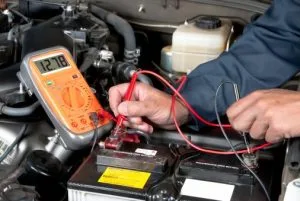
Check your battery every few months. Look for corrosion on terminals and clean it off. Ensure connections are tight and secure. Test the battery voltage using a multimeter. A healthy battery should read about 12.6 volts when the engine is off. Visit a mechanic for a professional check if unsure. Early detection of problems saves money and hassle.
Avoiding Deep Discharges
Deep discharges harm your battery and reduce its lifespan. Avoid leaving lights or electronics on when the engine is off. Short trips may not fully recharge the battery. Take longer drives occasionally to keep the battery charged. Store the car in a garage during cold weather to prevent battery drain. Use a battery maintainer if the car sits unused for weeks. Proper charging habits protect your battery’s health.
Credit: www.carfixprodubai.ae
Frequently Asked Questions
How Do I Know When My Car Needs A New Battery?
Your car needs a new battery if it starts slowly, lights dim, electrical issues occur, warning lights show, or jump-starts increase. Check for swelling, corrosion, or bad smells on the battery case. Test battery health if over three years old or showing these signs.
Should A 7 Year Old Car Battery Be Replaced?
A 7-year-old car battery usually needs replacement. Test it for slow starts, dim lights, or frequent jump-starts. Replace if it shows swelling, corrosion, or dashboard warning lights. Regular testing after three years helps avoid unexpected failure and ensures reliable vehicle performance.
What Is The Average Life For A Car Battery?
The average car battery lasts about 3 to 5 years. Factors like climate and driving habits can affect its lifespan. Regular testing helps ensure reliable performance. Replace your battery if you notice slow starts, dim lights, or frequent jump-starts.
What Are The Symptoms Of A Weak Car Battery?
Symptoms of a weak car battery include slow engine crank, dim or flickering lights, frequent jump-starts, clicking sounds, and dashboard battery warning light. Physical signs like a swollen battery case or corrosion also indicate battery issues. Electrical glitches and unusual smells may signal battery failure.
How Long Does A Typical Car Battery Last?
Car batteries usually last between 3 to 5 years under normal conditions.
What Factors Shorten Car Battery Life?
Extreme temperatures, short trips, and leaving lights on can reduce battery life.
How Often Should I Check My Car Battery?
Check your battery every 6 months to catch early signs of failure.
What Are Signs A Car Battery Needs Replacing?
Slow engine start, dim lights, and frequent jump-starts signal battery issues.
Can I Replace A Car Battery Myself?
Yes, with basic tools and safety precautions, you can replace it yourself.
How Does Weather Affect Car Battery Life?
Hot and cold weather strain batteries, causing faster wear and shorter life.
Conclusion
Car batteries usually last three to five years. Regular checks help spot problems early. Watch for slow starts, dim lights, or warning lights. Clean terminals and avoid frequent jump-starts to extend battery life. Replace batteries showing swelling, corrosion, or strange smells immediately.
Timely replacement prevents unexpected breakdowns and keeps your car running smoothly. Stay alert to signs, and maintain your battery well. This simple care saves time and money in the long run.