
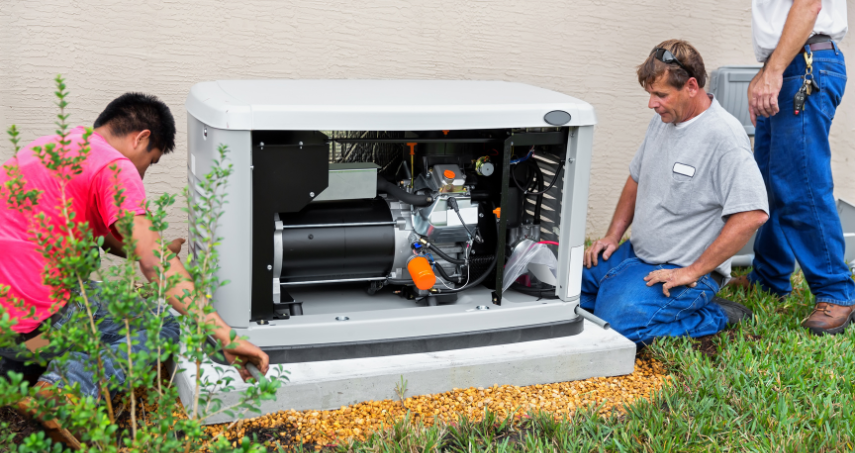
When it comes to your generator, regular testing is essential to ensure it runs smoothly when you need it most. But how often should you really be testing it?
You might think a quick check here and there is enough, but that could leave you vulnerable during a power outage or emergency. We’ll break down the ideal testing frequency, the benefits of keeping your generator in top shape, and some easy tips to make the process hassle-free.
By the end, you’ll have a clear plan that can save you time, money, and stress. Keep reading to protect your power supply and ensure your peace of mind.

Credit: www.reactpower.com
Testing Frequency
Testing your generator regularly is key to its performance. Knowing how often to test helps keep it ready. A consistent schedule can prevent surprises during power outages. Let’s break down the recommended testing frequency.
Weekly Checks
Perform weekly checks on your generator. Start by inspecting the fuel level. Ensure it has enough fuel for operation. Next, check the oil level and coolant. Look for any leaks or unusual sounds. Running the generator for a few minutes helps spot issues early. This quick check keeps everything in good shape.
Monthly Runs
Every month, run your generator under load. This means using it as if there was an outage. Let it run for at least 30 minutes. This practice helps ensure it functions well. Check the battery condition and clean any dirt. Monthly runs help prevent stagnation and keep the system ready.
Seasonal Assessments
At the start of each season, conduct a thorough assessment. Check all components for wear and tear. Replace old parts as needed. Test the transfer switch to ensure it works. Clean the air filter and spark plugs. Seasonal assessments help maintain your generator’s reliability.

Credit: www.crossvilleheatingandcooling.com
Factors Affecting Testing
Testing a generator regularly is important for its performance. Several factors can influence how often testing should occur. These include the generator’s usage, age, and the environment where it operates. Regular checks ensure reliability and safety when it’s needed most.
Understanding the factors that affect how often you should test your generator is crucial for its longevity and reliability. Regular testing ensures that your generator will perform when you need it most. Here are some key elements that should guide your testing schedule.Usage Patterns
Your generator’s usage patterns play a significant role in determining how often you should test it. If you frequently use your generator, more regular testing is essential. Consider how often you rely on it during power outages or for specific events. Testing it monthly is a good rule of thumb for high-use scenarios. For occasional users, quarterly testing might suffice. Have you ever had your generator fail during an important moment? That experience can change your perspective on regular testing.Environment Conditions
Environmental factors can dramatically affect your generator’s performance. If you live in an area with extreme temperatures or high humidity, your generator may need more frequent testing. Dust and debris can also hinder its functionality. Ensure you check it more often if it’s exposed to harsh conditions. If your generator is kept in a damp location, consider testing every month to catch any potential issues early. Have you noticed how the weather can impact your equipment? It’s something to keep in mind as you develop your testing routine.Age Of Generator
The age of your generator is another important factor. Older models typically require more frequent testing to maintain their reliability. As generators age, their components can wear out, leading to potential failures. If your generator is over five years old, aim for monthly testing to ensure it’s still in good shape. Keep an eye out for any unusual sounds or performance issues during these tests. When was the last time you checked your generator’s performance? Regular assessments can prevent unexpected breakdowns.Recommended Testing Procedures
Understanding how to properly test your generator is crucial for ensuring its reliability. Regular testing not only identifies potential issues but also keeps your generator ready for emergency situations. The following recommended testing procedures will help you maintain your equipment effectively.
Load Testing
Load testing is essential to determine if your generator can handle the power requirements during an outage. Aim to conduct a load test at least once a year. During this test, connect a load bank to simulate the electrical load your generator would face in a real situation.
- Run the generator at 75% of its rated capacity for a minimum of 30 minutes.
- Monitor voltage, frequency, and temperature throughout the test.
- Document any irregularities for future reference.
This hands-on approach can reveal issues that might not show up during routine checks. Have you ever wondered how your generator would perform under real stress? Load testing provides the answers you need.
Inspection Of Components
Regularly inspecting your generator’s components can save you from unexpected failures. Check the battery, coolant, and oil levels monthly. Look for signs of wear or damage.
- Inspect the air filter and replace it if it’s dirty.
- Examine the belts and hoses for cracks or fraying.
- Ensure all electrical connections are tight and corrosion-free.
These small checks can prevent larger issues down the line. Have you ever experienced a generator failure right when you needed it most? Keeping your components in check can help avoid such frustrating situations.
Fuel System Evaluation
The fuel system needs attention to ensure your generator operates efficiently. Inspect fuel lines for leaks and ensure that the fuel is fresh. Old fuel can lead to clogging and poor performance.
- Change the fuel filter annually.
- Keep the fuel tank at least half full to prevent condensation.
- Consider using fuel stabilizers if you plan to store fuel for an extended period.
A well-maintained fuel system is vital for your generator’s reliability. Have you checked your fuel lately? A simple evaluation can make a big difference in performance.
Signs You Need More Frequent Tests
Generators need regular testing to stay reliable. Some signs show you may need to test more often. Pay attention to these signs. They can help you avoid problems later.
Performance Issues
Is your generator struggling to keep up? Notice any drops in power? These performance issues might signal a bigger problem. Testing more often can catch these issues early. It helps ensure your generator runs smoothly.
Unusual Noises
Does your generator make strange sounds? Whining, clanking, or grinding noises are not normal. These unusual noises can mean something is wrong. More frequent tests can help identify the cause. Fixing problems early can save you time and money.
Startup Failures
Does your generator fail to start sometimes? This is a major red flag. Startup failures can indicate serious issues. Regular testing will help you spot these problems. Ensuring your generator starts reliably is essential.
Maintenance And Testing Balance
Finding the right balance between maintenance and testing is crucial for your generator’s longevity and reliability. Regular maintenance keeps your generator in good shape, while testing ensures it works when you need it most. Striking this balance can save you time, money, and headaches down the line.
Scheduling Regular Maintenance
Set a routine for maintenance that fits your generator’s usage. A good rule of thumb is to perform maintenance every six months, or after every 100 hours of use. This includes changing the oil, replacing air filters, and checking the spark plugs.
Mark your calendar for these tasks. This simple step helps you avoid overlooking important maintenance. You can even create a checklist to ensure nothing gets missed.
Have you ever faced a power outage during a storm? It’s a stressful situation. Regular maintenance can help prevent those panic moments by keeping your generator ready for action.
Combining Maintenance With Testing
Combine your maintenance schedule with testing. After servicing your generator, run a test cycle to ensure everything is functioning correctly. This not only confirms that the maintenance was effective but also allows you to catch any issues early.
Consider running a load test at least once a year. This involves using your generator to power a load similar to what you would use in an emergency. It helps verify that your generator can handle the demands you’ll place on it.
Have you ever waited until the last minute to check your generator? That moment of uncertainty can be avoided. By testing regularly, you gain peace of mind knowing your equipment is ready to go.
Keep a log of your maintenance and testing dates. This record can help you identify patterns or issues over time, making it easier to plan for future services. You’ll also be better prepared to discuss any concerns with a technician.
Common Mistakes To Avoid
Testing your generator is crucial for reliability. Many people make common mistakes that can lead to problems. Avoiding these mistakes helps ensure your generator runs smoothly. Here are key areas to focus on.
Neglecting Key Components
Some owners forget to check important parts. Fuel lines, batteries, and filters need regular inspection. Neglecting these components can lead to failures. Always inspect and clean the air filter. Replace old batteries before they fail. Check fuel quality to prevent engine issues.
Skipping Load Testing
Load testing is vital for your generator’s performance. Many skip this step, thinking it’s unnecessary. Running the generator without load can hide problems. Conduct load tests regularly to ensure it can handle demands. This helps spot issues before they become serious.
Ignoring Manufacturer Guidelines
Every generator has specific guidelines. Owners often overlook these recommendations. Following manufacturer instructions is important for safety. Check the manual for testing schedules and procedures. Ignoring these can void warranties and lead to failures.
Credit: www.trystar.com
Frequently Asked Questions
How Often Should I Test My Generator?
Testing your generator should be done at least once a month. Monthly testing ensures that the generator is functioning properly and ready for emergencies. Additionally, perform a thorough inspection every six months to check for wear and tear. This routine maintenance will extend the lifespan of your generator.
What Is The Best Way To Test A Generator?
The best way to test a generator is to run it under load. Start the generator and connect it to a load bank or essential appliances. Let it run for 30 minutes to ensure it operates smoothly. This method helps identify any issues while simulating real-world conditions.
Can I Run My Generator Without A Load?
Running your generator without a load is not recommended. Operating without a load can lead to carbon buildup and engine damage. It is essential to test your generator under load conditions for optimal performance. Always ensure it is connected to appliances or a load bank during testing.
How Long Should A Generator Run During Testing?
During testing, a generator should ideally run for 30 minutes. This duration allows the engine to reach optimal operating temperatures. It also helps identify any potential issues that may arise. Ensure to monitor the generator’s performance throughout the testing period for any irregularities.
Conclusion
Testing your generator regularly is key to its performance. Aim for monthly checks to catch issues early. Annual professional inspections can help ensure everything runs smoothly. Keep a log of your tests for easy tracking. This practice not only extends the life of your generator but also gives you peace of mind.
A reliable generator is essential during power outages. Stay proactive and maintain your equipment for the best results. Regular testing keeps your power source ready when you need it most.