
Change the oil in a Honda 2000 generator every 100 hours of use or at least once per year.
I’ve worked on small engines and used Honda 2000-series generators for years, so I know how oil care directly affects performance and life. This guide explains exactly how often to change oil in honda 2000 generator, why that schedule matters, how to check oil, step-by-step oil-change instructions, and real-world tips I’ve learned from hands-on use. Read on to get clear, practical advice you can apply the next time you service your Honda 2000 generator.
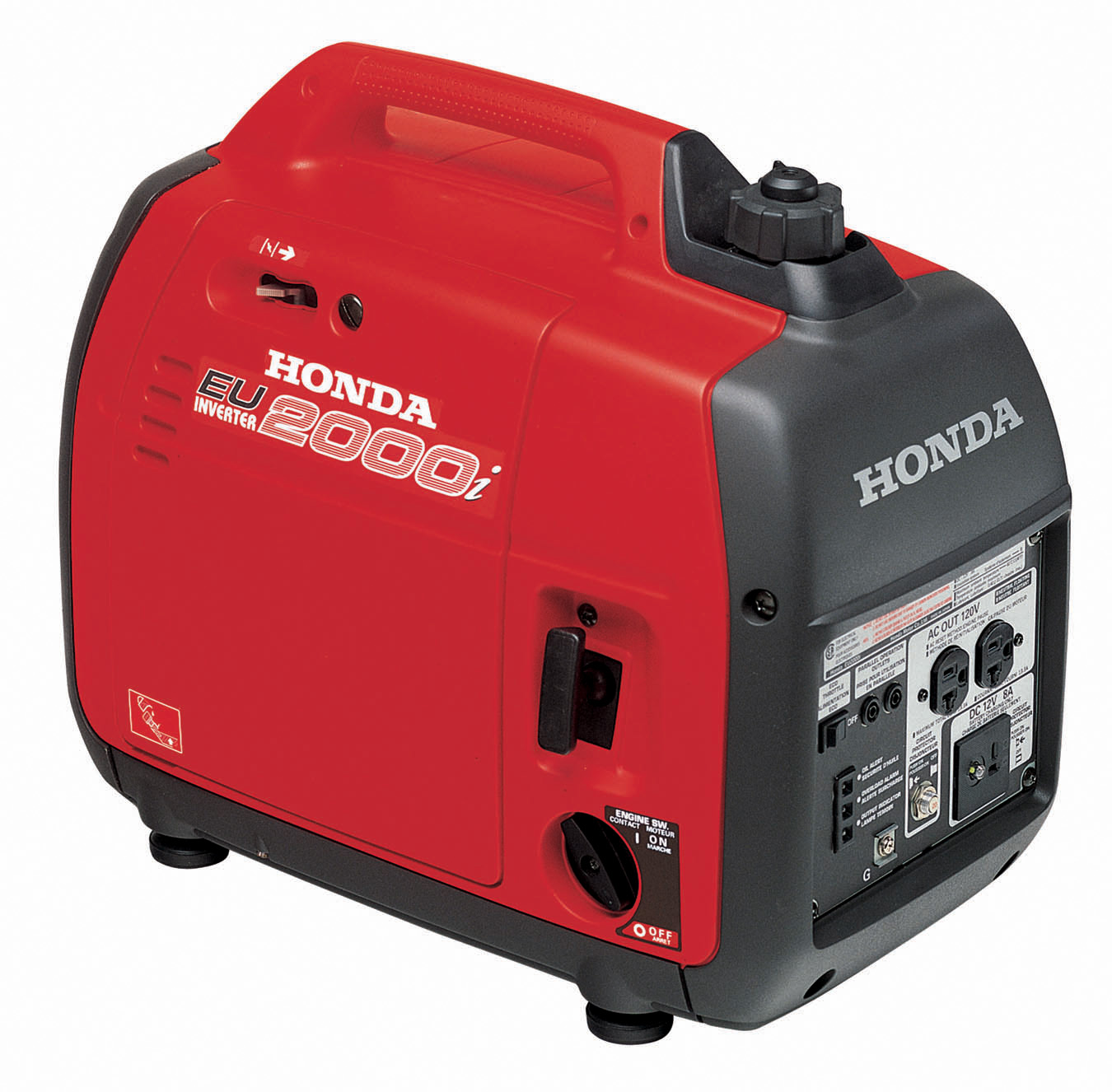
Why regular oil changes matter for your Honda 2000 generator
Clean oil keeps the engine parts lubricated and cool. Fresh oil reduces wear on bearings, piston rings, and valves. Old oil thickens, foams, and carries contaminants that speed up engine wear. For a Honda 2000 generator, following a stable oil-change schedule prevents costly repairs and keeps power delivery steady when you need it.
Common outcomes of skipping oil changes:
- Reduced engine life and higher repair costs.
- Lower fuel efficiency and unstable idle.
- Increased chance of overheating or engine seizure.

Recommended oil-change intervals and exceptions
The baseline rule is simple: change the oil in honda 2000 generator every 100 hours of operation or at least once per year, whichever comes first. That covers most home, jobsite, and recreational uses.
Special cases to consider:
- New generator break-in: Change oil after the first 20 hours of use to remove initial metal particles.
- Heavy or dusty duty: Change oil every 50 hours if you run the generator in very dusty conditions, at high load, or in extreme heat.
- Low-use owners: If you run fewer than 100 hours per year, still change oil annually to prevent oil degradation.
- Long continuous runs: For long continuous operation at high load, check oil more often and consider oil analysis for professional use.
Why this schedule works:
- Short intervals at first catch early wear.
- 100-hour cycles balance engine protection and maintenance time for most users.
- Annual change protects against oil breakdown when use is sporadic.

Which oil to use and why it matters
Choose the right oil for protection and cold starts. Use a high-quality 4-stroke engine oil with detergent and anti-wear additives. Typical choices:
- SAE 10W-30: Best general choice for many climates and common for Honda small engines.
- 5W-30: Better for cold climates and easier cold starting.
- SAE 30: Acceptable in consistently warm climates, but less flexible for cold starts.
Avoid two-stroke oil, and do not use motor oils marked only for automotive turbocharged engines without detergent ratings. Always check the generator’s owner’s manual for the manufacturer’s recommended viscosities.
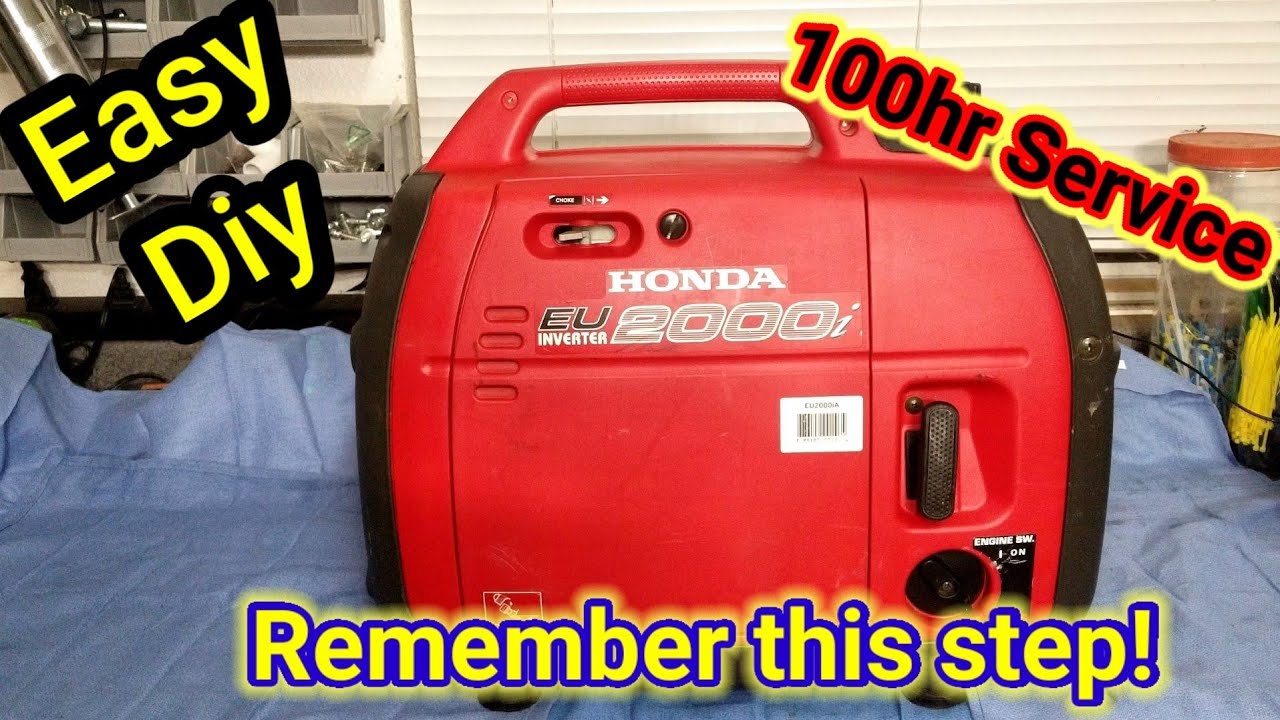
How to check oil and spot when it needs changing
Do these checks before every run or at least every 8–10 hours of use:
- Use the dipstick to check level and color. Oil should be near the full mark and amber to light brown.
- Smell for fuel or strong burnt odor. Fuel smell can mean carburetor problems or overfilling.
- Look for metal particles. Tiny bits on a clean rag mean a closer inspection is required.
Signs oil needs an immediate change:
- Very dark, sludgy oil or a gritty feel.
- Milky color (possible coolant contamination).
- Excessive smoke or knocking while running.

Step-by-step oil change for a Honda 2000 generator
Follow this simple routine. Keep steps short and safe.
What you’ll need:
- Correct grade oil (about 0.6 to 0.7 liters, check manual)
- Oil drain pan
- Funnel and clean rag
- Gloves and safety glasses
Steps:
- Warm the engine for 3–5 minutes. Warm oil drains faster and carries more contamination.
- Turn the engine off and place the generator on level ground.
- Remove the oil filler cap/dipstick to let air in for faster draining.
- Position an oil pan under the drain plug or oil drain bolt.
- Remove the drain bolt and let oil drain fully into the pan.
- Reinstall drain bolt and tighten to the specified torque in the manual.
- Refill with the recommended quantity of fresh oil using a funnel.
- Check the oil level with the dipstick, adjusting to the full mark.
- Run the generator for a minute, then re-check level and top off if needed.
- Dispose of used oil at a local recycling center or hazardous waste facility.
Tips from experience:
- Don’t overfill. I once overfilled by 20% and got smoking and rough idle until corrected.
- Wipe the dipstick clean before checking to avoid false readings.
- Keep a maintenance log with the date, hours, and oil type used.
Storage, seasonality, and pre-use checks
If you store the generator:
- Change oil before long-term storage if it is due. Fresh oil protects internal parts while idle.
- Run the engine for a few minutes after oil change to circulate clean oil.
- Store in a dry, ventilated place and add a fuel stabilizer to the tank if fuel will sit for more than 30 days.
Before seasonal use:
- Check oil level and quality first.
- Replace oil and spark plug if it has been more than a year since service.
- Run the unit under load briefly to verify stable operation.

Common mistakes and how to avoid them
From real-world use, these are the top errors:
- Waiting too long: I learned that pushing past 200 hours can start to show symptoms of wear.
- Using the wrong oil: Cheap oil can break down faster and give poor protection.
- Not recording maintenance: A missing log made me forget the first break-in change once.
- Poor disposal: Never pour oil on the ground. Use recycling centers.
Avoid these by scheduling service reminders and keeping a small kit with the right oil and tools.
Cost, time, and frequency example scenarios
Practical examples for planning:
- Casual homeowner: 5 hours per month equals 60 hours/year — change oil annually.
- RV user: 15 hours per month equals 180 hours/year — change oil every 100 hours, so twice yearly.
- Jobsite use: 40 hours per month equals 480 hours/year — change every 100 hours, log each service.
Time and cost:
- An oil change takes about 15–30 minutes.
- Oil and supplies cost typically $8–$25 per service depending on oil brand.
Personal tips and final hands-on advice
From using a Honda 2000 generator over years:
- Always do the break-in oil change at 20 hours. It prevented a small bearing wear problem for me.
- Keep a small maintenance bag with oil, funnel, and gloves stored with the generator.
- If you travel with your generator, perform an oil change before long trips. Fresh oil gives better reliability during travel.
Frequently Asked Questions of how often to change oil in honda 2000 generator
How soon should I change oil on a new Honda 2000 generator?
Change the oil after the first 20 hours of operation to remove initial break-in debris. After that, follow the 100-hour or annual schedule.
Can I go longer than 100 hours between oil changes?
You should avoid exceeding 100 hours if possible. In light, clean-use cases you might stretch to annual changes, but 100 hours is the safe standard.
What oil capacity does a Honda 2000 generator hold?
Most Honda 2000-series generators hold roughly 0.6 to 0.7 liters of oil. Always check the owner’s manual for the exact capacity for your model.
Is SAE 10W-30 okay for all seasons?
SAE 10W-30 is a safe general choice for many climates. Use lower-viscosity oil like 5W-30 in very cold conditions for easier starts.
Should I change oil before storing the generator for winter?
Yes. Change oil before long-term storage if the oil is due. Fresh oil protects the engine during idle periods.
Conclusion
Regular oil changes are one of the best and simplest ways to keep your Honda 2000 generator reliable and long-lasting. Follow the 20-hour initial change, then change oil in honda 2000 generator every 100 hours or annually, adjust for harsh conditions, and use the right oil grade. Take these steps, keep a brief maintenance log, and your generator will be ready when you need it. Try scheduling your next oil change today, or leave a comment with your experience and questions below.