

If you’ve ever faced the frustrating issue of a generator running under frequency, you know how disruptive it can be. It can lead to poor performance, equipment damage, and costly downtime.
But don’t worry—you’re not alone, and there are effective solutions to get your generator back on track. We’ll guide you step-by-step through the process of diagnosing and fixing under frequency problems. You’ll learn practical tips and tricks that can help restore your generator’s efficiency and reliability.
By the end, you’ll have the knowledge and confidence to tackle this issue head-on. Let’s dive in and get your generator running smoothly again!
Common Causes Of Generator Under Frequency
Generator under frequency can happen for several reasons. Common causes include overloading, fuel issues, or mechanical problems. Fixing it often requires checking these areas first to restore normal operation.
Understanding the common causes of generator under frequency can help you diagnose and fix issues promptly. When your generator operates below its specified frequency, it can lead to inefficiencies and equipment damage. Let’s break down the most frequent culprits behind this problem.
Low Engine Speed
Low engine speed is one of the primary reasons for under frequency. If your generator’s engine isn’t running at the required RPM, the electrical output will drop. You might notice this issue if the generator struggles to start or runs unevenly. Checking the throttle settings and ensuring they are correctly calibrated can make a significant difference. Remember, even small adjustments to the governor can help stabilize the engine speed.
Overloaded Generator
An overloaded generator can easily fall below its frequency threshold. If you’re running too many appliances or heavy machinery, the generator may not be able to keep up. You should regularly check the load on your generator. If it exceeds the rated capacity, consider redistributing the load or upgrading to a higher-capacity unit. Ask yourself: Are you using your generator within its limits?
Fuel System Issues
Fuel system issues can lead to under frequency situations as well. If the fuel supply is interrupted or contaminated, the generator may not receive the necessary power to maintain its speed. Check for clogged fuel filters, low fuel levels, or faulty fuel pumps. Ensuring a clean and consistent fuel supply can enhance performance and frequency stability. How often do you perform maintenance on your fuel system?
Worn Or Damaged Components
Worn or damaged components can severely impact your generator’s ability to maintain proper frequency. Look for issues with the bearings, belts, or any electrical connections that may have degraded over time. Regular inspections can help you identify these problems early on. Investing in replacement parts before they fail can save you from costly repairs later. Have you checked your generator for wear and tear recently? By understanding these common causes, you can take proactive measures to keep your generator running efficiently and avoid under frequency issues.

Credit: m.youtube.com
Signs Of Generator Under Frequency
Generators work hard to provide stable power. When the frequency drops, issues arise. Recognizing these signs early can prevent bigger problems.
Unstable Power Output
One clear sign is unstable power output. Lights may flicker or dim. Sensitive equipment may malfunction. This happens due to low frequency affecting the generator’s performance.
Power fluctuations can disrupt daily activities. Appliances might not run smoothly. Constant power issues can lead to costly repairs and replacements.
Frequent Tripping Of Circuit Breakers
Another sign is frequent tripping of circuit breakers. Circuit breakers protect your system from overloads. If they trip often, something is wrong.
This can indicate the generator is struggling to maintain frequency. It may shut down unexpectedly. Such interruptions can cause inconvenience and damage to appliances.
Unusual Vibrations Or Noise
Unusual vibrations or noise can signal trouble. Generators should run smoothly and quietly. Loud noises or shaking parts can mean the unit is under stress.
This stress often comes from low frequency. Ignoring these signs can lead to serious damage. Regular checks can help catch these issues early.
Step-by-step Troubleshooting Guide
Generators can experience under frequency issues. This can happen due to several reasons. A systematic approach helps identify and fix the problem. Follow these steps to troubleshoot effectively.
Inspecting The Engine Speed
Start by checking the engine speed. Use a tachometer to measure RPM. Compare the reading with the generator’s specifications. If the speed is low, adjust the throttle. Make sure the governor is functioning properly. A faulty governor can cause speed issues.
Checking The Load Capacity
Next, check the load capacity of your generator. Ensure it matches the power requirements. Overloading can lead to under frequency problems. Disconnect any unnecessary devices. This can help stabilize the frequency. Monitor the load levels during operation.
Examining The Fuel Supply
Fuel supply is vital for smooth operation. Inspect the fuel level in the tank. Low fuel can cause performance issues. Check for blockages in the fuel line. Clean or replace filters as needed. Ensure the fuel is fresh and suitable for the generator.
Testing Electrical Connections
Finally, inspect the electrical connections. Loose or corroded connections can disrupt performance. Tighten any loose wires. Clean corroded terminals to ensure good contact. Check the circuit breakers and fuses for any faults.
Quick Fixes For Under Frequency Issues
Generator under frequency issues can disrupt power supply. Quick fixes include checking load balance and adjusting governor settings. Regular maintenance also helps prevent these problems. Keep your generator running smoothly with these simple steps.
When your generator experiences under frequency issues, it can disrupt your power supply and create unnecessary stress. Quick fixes can often resolve these problems before they escalate. Here are some straightforward solutions you can try.
Adjusting The Governor Settings
Your generator’s governor controls the engine speed. If it’s set incorrectly, it may fail to maintain the desired frequency. Start by checking the governor settings. – Locate the adjustment screw. – Turn it slightly clockwise to increase speed or counterclockwise to decrease it. Make small adjustments and monitor the generator’s performance. You may be surprised how a minor tweak can stabilize frequency.
Reducing The Load
Overloading your generator can lead to under frequency issues. If you’re running too many appliances or devices, the generator struggles to keep up. Consider these steps: – Unplug non-essential devices. – Distribute the load evenly across circuits. Reducing the load can provide immediate relief. It’s a simple fix that often goes unnoticed.
Cleaning Or Replacing Filters
Dirty or clogged filters hinder airflow and affect performance. Regular maintenance is crucial for keeping your generator running efficiently. Check both the air and fuel filters: – Remove and clean them if they appear dirty. – Replace them if they are beyond cleaning. A clean filter can make a significant difference in performance.
Tightening Loose Connections
Loose or corroded connections can disrupt the flow of electricity and cause frequency problems. Regularly inspect your generator for any loose wiring or connectors. Follow these steps: – Use a wrench to tighten any loose bolts or nuts. – Check for signs of corrosion and clean or replace affected parts. Regular maintenance can prevent many issues and keep your generator running smoothly. Have you faced under frequency issues with your generator? Trying these quick fixes could save you time and headaches. Take action today to ensure your generator runs at its best!
Preventive Maintenance Tips
Preventive maintenance is key for your generator. It helps avoid under-frequency issues. Regular care keeps your generator running smoothly. Follow these tips to ensure optimal performance.
Regular Engine Servicing
Engine servicing is crucial. Schedule regular oil changes. Check and replace filters as needed. Clean the fuel system to prevent clogs.
Inspect belts and hoses for wear. Replace any damaged parts immediately. Regular servicing extends engine life. It also improves efficiency.
Monitoring Load Distribution
Load distribution affects generator performance. Always balance the load on your generator. Avoid overloading to prevent frequency drops.
Use appropriate sensors to monitor load levels. This helps you adjust as needed. Proper load management keeps your generator stable.
Replacing Worn-out Components
Worn-out parts can cause issues. Check components like spark plugs and batteries regularly. Replace them if they show signs of wear.
Inspect the alternator and voltage regulator too. Replacing these parts ensures better performance. It also helps maintain frequency stability.
Performing Routine Inspections
Routine inspections are essential. Check the generator weekly or monthly. Look for leaks, corrosion, and loose connections.
Make sure ventilation is clear. Clean any debris around the unit. Regular inspections help catch problems early. This prevents costly repairs later.

Credit: dieselgeneratortech.wordpress.com
When To Call A Professional
Understanding when to seek help is vital. Some generator issues need expert attention. Fixing under frequency problems can be tricky. Knowing the signs can save time and stress.
Persistent Frequency Issues
Generators should maintain stable frequency levels. If the frequency remains low for an extended period, it’s a red flag. This could indicate deeper problems. Ignoring this issue may lead to more damage.
Check your generator regularly. If frequency dips happen frequently, seek help. A professional can diagnose the root cause. They have the tools and experience for accurate assessments.
Complex Electrical Faults
Electrical issues can be complicated. If you notice irregular voltage or wiring problems, call an expert. These issues may involve various components. Attempting repairs without expertise can be dangerous.
Professionals understand electrical systems well. They can identify faults quickly. They ensure safety and compliance with regulations. Don’t take unnecessary risks with complex problems.
Major Component Failures
Sometimes, a major part of the generator fails. This could be the alternator or control panel. These components require specialized knowledge for repairs. If you suspect a failure, contact a professional immediately.
Ignoring major component issues can lead to complete generator failure. A qualified technician can assess and replace faulty parts. Their expertise ensures your generator runs safely and efficiently.
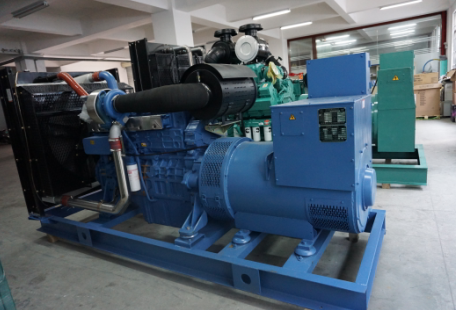
Credit: www.dieselgeneratortech.com
Frequently Asked Questions
What Causes Generator Under Frequency Issues?
Generator under frequency issues are primarily caused by a load exceeding the generator’s capacity. This imbalance leads to a drop in frequency. Other factors may include malfunctioning control systems or faulty sensors. Regular maintenance can help prevent these problems and ensure optimal generator performance.
How Can I Identify Under Frequency In My Generator?
You can identify under frequency in your generator by monitoring the frequency gauge. If the frequency reading falls below the specified range, it indicates an issue. Additionally, listen for unusual noises or vibrations. Regular testing and monitoring can help you catch these problems early before they escalate.
What Are The Effects Of Under Frequency On Generators?
Under frequency can lead to inefficient performance and increased wear. It may cause overheating or damage to the generator components. Prolonged under frequency can also trigger protective shutdowns to prevent further damage. Addressing the issue promptly is crucial to maintaining the generator’s reliability and lifespan.
How To Troubleshoot Generator Under Frequency Problems?
To troubleshoot under frequency problems, start by checking the load balance. Ensure that the generator is not overloaded. Inspect the control systems and sensors for faults. If necessary, consult the user manual for specific troubleshooting steps or seek professional assistance for complex issues.
Conclusion
Fixing generator under frequency issues is crucial for smooth operation. Regular checks can help you catch problems early. Always follow safety guidelines when working on your generator. Keep your manual handy for specific instructions. A well-maintained generator runs efficiently and lasts longer.
Don’t ignore unusual sounds or performance dips. Addressing these signs quickly can prevent bigger issues. Stay proactive and informed about your generator’s needs. This approach ensures reliable power supply for your needs. Taking these steps will keep your generator in top shape.