
Are you tired of power outages disrupting your daily life? Do you want to ensure your home remains a haven of comfort and convenience, no matter the circumstances?
A generator could be the perfect solution for you. We’ll explore how to choose the right generator for your house, ensuring you have the power you need when you need it most. From understanding different types of generators to installation tips and maintenance advice, we’ll cover everything you need to know.
By the end, you’ll be equipped to make an informed decision and take control of your home’s energy supply. Don’t let another blackout catch you off guard—read on to discover how to power up your home today!

Credit: www.youtube.com
Choosing The Right Generator
Choosing the right generator for your home is essential for reliable power. Consider your energy needs and the size of your house. Look for features like fuel type, noise level, and portability to find the best fit.
Choosing the right generator for your house is crucial for ensuring a reliable power supply during outages. With so many options available, it’s essential to identify what best meets your needs. You’ll want to consider factors such as power output, fuel type, and whether a portable or standby generator is right for you.Portable Vs Standby Options
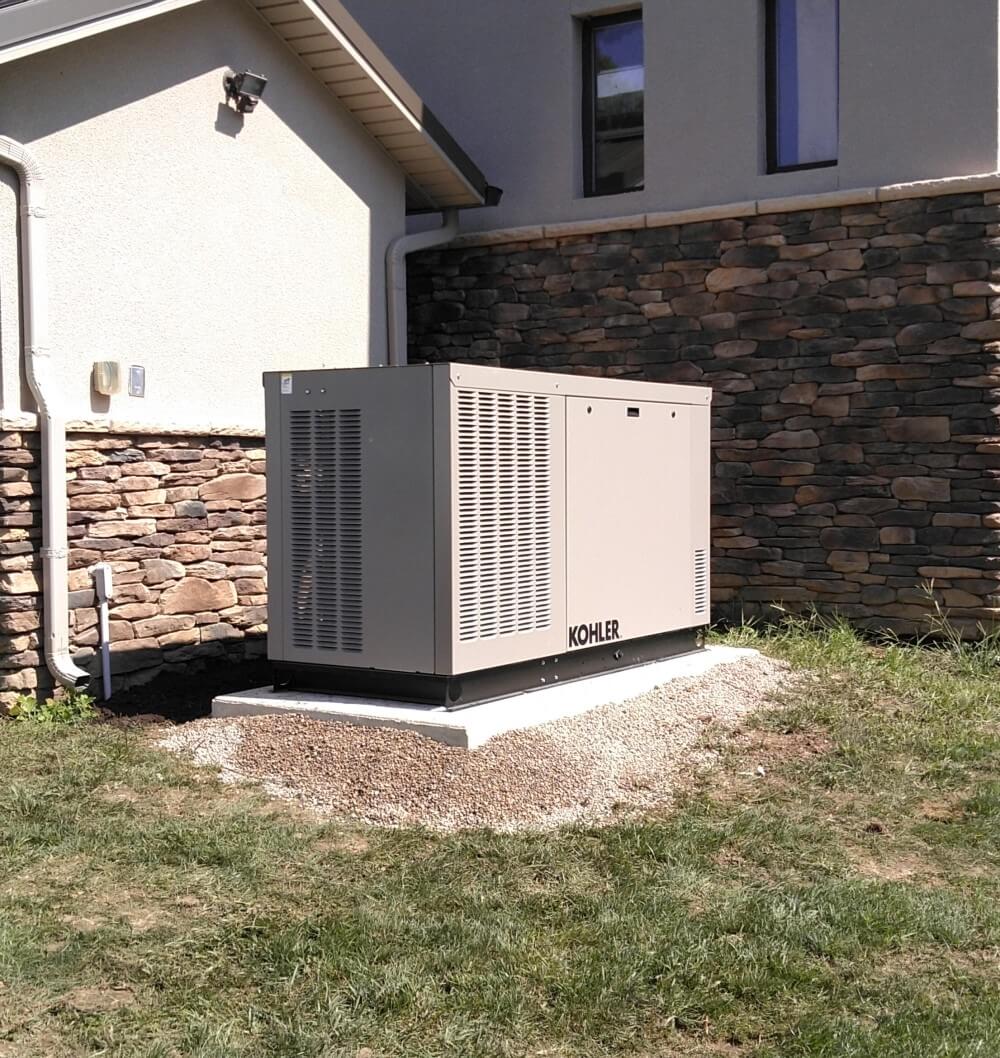
Portable generators are ideal for short-term use. They can power essential appliances during an outage, making them a flexible choice. If you plan to take your generator to different locations, this option is a practical pick. Standby generators, however, are permanently installed and kick in automatically when the power goes out. They can power your entire home, providing peace of mind. Think about how often you lose power. If it’s frequent, a standby generator might be worth the investment. Consider your lifestyle. Do you frequently host gatherings or have large appliances that need power? Your choice may depend on these needs.Power Output Considerations
Understanding your power needs is essential. Start by listing the appliances you want to keep running during an outage. Items like refrigerators, heaters, and medical devices often top the list. Generators are rated in watts. A small portable generator might produce around 1,000 to 2,000 watts, while a standby unit can offer 5,000 to 20,000 watts or more. Calculate the total wattage of your essential appliances to ensure the generator you choose can handle the load. You don’t want to be left in the dark because your generator can’t power everything. Balance your needs with your budget to find the right fit.Fuel Type Selection
Generators can run on various fuel types, including gasoline, propane, and natural gas. Each fuel type comes with its pros and cons. Gasoline is readily available but can be difficult to store safely. Propane offers longer shelf life and cleaner burning but requires a refillable tank. Natural gas is convenient if you have a gas line. It provides a continuous supply and often doesn’t require manual refueling. However, it may not be available in all areas. Ask yourself how often you want to refuel your generator. Your answer will help narrow down the fuel type that best suits your needs.
Credit: www.pinterest.com
Preparing For Installation
Preparing for generator installation involves several key steps. First, choose a suitable location outside your house. Ensure it’s away from windows and doors. Next, gather necessary tools and equipment. Finally, check local codes for safety and regulations. This will help ensure a smooth and safe setup.
Preparing for the installation of a generator at your house is a crucial step that can set the tone for a smooth and efficient process. Understanding what you need before you start will save you time and potential headaches down the line. Let’s break down the essential steps to ensure you’re ready for this important home addition.Assessing Power Needs
Begin by determining how much power your home requires. List all the essential appliances and systems that need to stay operational during a power outage. Consider the wattage for each item, from your refrigerator to heating systems. A simple way to do this is to use a wattage calculator online. This will give you a clearer picture of your total power needs. Are you surprised by how much power you actually rely on?Selecting A Safe Location
Choosing the right location for your generator is critical for safety and efficiency. Look for a spot outdoors that is at least 20 feet away from windows, doors, and vents. This distance helps prevent carbon monoxide from entering your home. Make sure the ground is stable and dry, avoiding areas prone to flooding. Consider accessibility for refueling and maintenance. Is your location convenient for you to check on the generator regularly?Gathering Necessary Tools
Before you start the installation, gather all the tools and materials you’ll need. A basic toolkit should include a wrench, screwdriver, and pliers. If you’re installing a transfer switch, you might also need electrical tape, wire connectors, and a drill. Having everything at hand will speed up the process and reduce frustration. Have you ever realized you were missing a crucial tool halfway through a project? It’s not fun! Taking the time to prepare now will make the installation go much smoother.Connecting The Generator To Your Home
Connecting a generator to your home is an important task. It ensures you have power during an outage. Doing it safely is crucial. Follow these steps for a smooth process.
Installing A Transfer Switch
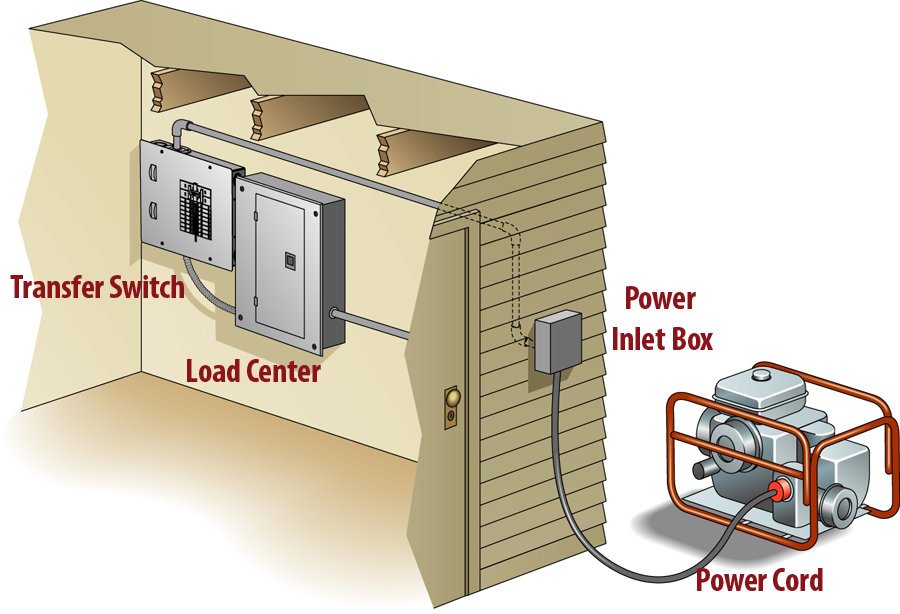
A transfer switch is essential for safe generator use. It allows you to switch between grid power and generator power. Begin by turning off the main power supply. This step is important for safety.
Next, mount the transfer switch near your electrical panel. Follow the manufacturer’s instructions carefully. Connect the switch to your panel using appropriate wiring. Ensure all connections are tight and secure.
Once installed, connect the generator to the transfer switch. Use a heavy-duty extension cord for this connection. This setup prevents backfeeding into the grid. Backfeeding can be dangerous for utility workers.
Wiring The Generator Safely
Wiring the generator safely is key. Start by reading the generator’s manual. Understand the specific requirements for your model. Use the correct gauge wire to handle the load.
Ensure the generator is on a flat surface. This helps with stability and performance. Connect the generator to the transfer switch using the chosen wire. Double-check all connections before proceeding.
Keep the generator outside while running. This prevents carbon monoxide buildup inside your home. Always follow safety guidelines to ensure proper use.
Testing The Connection
Testing the connection is the final step. Turn on the generator and the transfer switch. Verify that power flows to your home. Check each circuit to ensure everything works.
Make sure to test the generator under load. This simulates real conditions during an outage. Monitor the generator for any unusual noises or issues.
Regularly test the connection. This ensures your setup is ready when you need it.
Credit: www.garberelectric.com
Operating The Generator
Using a generator at home provides backup power during outages. Start by connecting it to the house’s electrical system. Follow safety measures to avoid hazards and ensure smooth operation. Regular maintenance keeps the generator ready when needed.
Operating a generator is crucial for ensuring your home stays powered during outages or when you need extra energy. Understanding how to operate your generator effectively not only prolongs its life but also guarantees your safety. Here’s a closer look at how to start, monitor, and maintain safe practices while using your generator.Starting And Stopping Properly
Starting your generator correctly can make all the difference in its performance. Always check the oil level before starting. Low oil can lead to serious engine damage. Make sure the generator is on a flat surface. This prevents fuel from spilling and keeps the engine stable. When you’re ready to start, turn the fuel valve to the “on” position. Then, follow these steps: 1. Set the choke to the “start” position. 2. Pull the starter cord smoothly. 3. Once it starts, gradually move the choke to the “run” position. Stopping your generator is just as important. Always let it run for a few minutes before shutting it down. This helps cool the engine and prevents fuel from clogging.Monitoring Power Usage
Monitoring your power usage is essential for efficient generator operation. Keep an eye on how much energy you are drawing. Using a power meter can help you track your consumption. This way, you can avoid overloading your generator. You might think you can run all your appliances at once, but that can strain the generator. Prioritize essential items like the refrigerator and lights first. Do you know how much power your appliances use? Knowing the wattage helps you manage your load effectively.Safety Precautions During Operation
Safety should always be your top priority while operating a generator. Ensure you use it in a well-ventilated area. Generators produce carbon monoxide, which is harmful. Never run your generator indoors, even in a garage. It’s better to set it up outside, away from doors and windows. Using heavy-duty extension cords can prevent electric shock. Make sure they are rated for outdoor use and can handle the wattage. Keep a fire extinguisher nearby, just in case. It’s a small precaution that can make a big difference. If you notice any strange noises or smells, turn it off immediately. Better to be safe than sorry. Understanding how to operate your generator effectively will ensure you’re prepared for any situation. Are you ready to power your home safely and efficiently?Maintaining The Generator
Maintaining a generator for home use is essential for reliable power. Regularly check oil levels, clean filters, and test the battery. A well-kept generator ensures it runs smoothly during outages and provides peace of mind.
Maintaining your generator is crucial for its performance and longevity. Regular upkeep not only ensures that your generator runs efficiently but also helps prevent unexpected breakdowns. A well-maintained generator can provide you with peace of mind, especially during power outages.Regular Cleaning And Inspection
Cleaning your generator regularly is vital. Dust and debris can accumulate, leading to overheating or other issues. Here are some simple steps you can take: – Wipe down the exterior with a damp cloth. – Check air filters and clean or replace them if they are clogged. – Inspect cables and connections for any signs of wear or corrosion. Schedule inspections every few months. You’ll be amazed at how a little attention can extend the life of your generator. Have you ever found something unexpected during a routine check? It’s a great reminder of how easy it is to stay ahead of potential problems.Oil And Filter Changes
Changing the oil and filters is one of the most important maintenance tasks. Dirty oil can damage the engine, reducing its efficiency. Follow these guidelines: 1. Change the oil after the first 20-30 hours of operation. 2. Replace the oil filter at the same time. 3. Check oil levels before each use. Using the right type of oil is essential. Always refer to your owner’s manual for specifications. Have you ever forgotten to change the oil, only to realize it when it’s too late? Regular changes can save you a lot of headaches down the road.Storage Tips For Longevity
Proper storage is key to keeping your generator in top condition. If you don’t plan to use it for a while, follow these steps: – Empty the fuel tank to prevent stale fuel issues. – Store it in a dry, cool place to avoid rust and corrosion. – Cover the generator with a breathable tarp or cover to protect it from dust. Consider starting it up every few months to keep everything moving smoothly. This simple act can prevent the components from seizing. Have you ever had to deal with a generator that wouldn’t start after being stored? Regular checks can help you avoid that frustrating situation. Maintaining your generator doesn’t have to be a daunting task. With a little attention and care, you can ensure it’s always ready when you need it most.Frequently Asked Questions
How Do I Choose The Right Generator For My House?
When selecting a generator, consider your power needs. Calculate the total wattage of essential appliances. Look for a generator that meets or exceeds this requirement. Additionally, consider fuel type, noise levels, and portability. Research reputable brands and read customer reviews for reliability.
What Size Generator Do I Need For My Home?
The size of the generator depends on your power requirements. A home typically needs between 5,000 to 10,000 watts for essential functions. For larger homes or more appliances, consider higher wattage. Always ensure the generator can handle peak loads. Consulting an electrician can provide tailored recommendations.
How Do I Install A Generator At Home?
Installing a generator involves several steps. First, choose a suitable location outside your home. Ensure proper ventilation and distance from windows. Follow the manufacturer’s instructions for setup. It’s recommended to hire a licensed electrician for connecting to your home’s electrical system.
Safety should be your top priority.
Can A Generator Power My Entire House?
A generator can power your entire house, but it depends on its capacity. Whole-house generators usually range from 20,000 to 50,000 watts. Assess your home’s energy consumption to determine if it’s feasible. Consider prioritizing essential circuits if the generator’s capacity is limited.
Conclusion
Choosing a generator for your house is important. It provides power during outages. Consider your needs carefully. Think about the size and type of generator. Installation plays a big role too. Ensure safety measures are in place. Regular maintenance keeps your generator running well.
By following these tips, you can make a smart choice. A reliable generator brings peace of mind. Stay prepared and enjoy comfort in any situation. Your home deserves the best.