

When the lights go out or you find yourself off the grid, a generator can be your best friend. But how do you ensure you’re getting the most out of it?
Understanding your generator’s capabilities and how to use it efficiently can save you time, money, and stress. You might think all generators are the same, but that’s far from the truth. With the right tips, you can maximize its potential and keep your home or workspace powered up when you need it most.
Ready to unlock the full power of your generator? Let’s dive in and explore practical strategies that will make all the difference for you.
Choosing The Right Generator
Choosing the right generator helps you use it effectively. Consider your power needs and usage. Regular maintenance ensures it runs smoothly. Understanding features will enhance your experience. Proper placement and fuel management are key for optimal performance.
Choosing the right generator can make a significant difference in how effectively you meet your power needs. Whether for emergencies, outdoor adventures, or your home, the right choice ensures you have reliable energy when you need it most. Let’s break down some crucial factors that will help you select the best generator for your situation.Portable Vs. Standby Options
Portable generators are versatile and easy to move. They’re perfect for camping trips or powering tools on job sites. If you need something for temporary use, this option is ideal. Standby generators, however, provide permanent installation and automatically kick in during outages. They offer peace of mind, especially if you live in an area prone to power cuts. Think about your usage: will you need power regularly, or just occasionally? Consider your lifestyle and how you’ll use the generator. Do you want the convenience of a standby model, or do you prefer the flexibility of a portable one?Power Output Considerations
Power output is crucial in selecting your generator. Start by identifying the appliances you need to run. Each device requires a certain wattage, and you’ll need to ensure your generator can handle that load. Create a list of essential items. For example, a refrigerator may need 600 watts, while a laptop typically requires about 60 watts. Add them up to find your total wattage requirement. Aim for a generator that exceeds this total. It’s wise to have a buffer for unexpected power needs. Will you need to run multiple devices simultaneously? Plan accordingly.Fuel Type Choices
Generators come in different fuel types, including gasoline, propane, and diesel. Each has its advantages and drawbacks. Gasoline generators are widely available and typically more affordable but can be less efficient. Propane generators are cleaner and can be stored for longer periods. They’re a solid choice if you want to stock up before an emergency. Diesel generators are often more durable and fuel-efficient but come with a higher initial cost. Think about your access to fuel. Do you have a reliable source for your preferred fuel type? Your answer may steer your decision towards one option over another. Finding the right generator requires careful thought. By considering portability, power needs, and fuel types, you can make a decision that fits your lifestyle and ensures you’re prepared for any situation.
Credit: www.linkedin.com
Preparing For Optimal Use
Getting the most out of your generator starts with proper preparation. This ensures safety and efficiency. Follow these steps to set up your generator correctly. Regular checks and the right accessories help too.
Initial Setup And Inspection
Your generator needs a careful setup. Start by placing it on a flat surface. Ensure it is away from doors and windows. This prevents fumes from entering your home. Check fuel levels and add oil as needed.
Inspect all cables and connections. Look for any signs of wear or damage. A thorough inspection can prevent problems later. Always refer to the user manual for specific instructions.
Safety Measures
Safety is crucial when using a generator. Always use it outdoors. Generators produce carbon monoxide, which is harmful indoors. Keep a fire extinguisher nearby, just in case.
Never overload your generator. Know its wattage limits. Use it for essential items only. Keep children and pets away from the generator while in use.
Essential Accessories
Using the right accessories improves performance. An extension cord rated for outdoor use is important. This helps connect appliances safely.
A transfer switch ensures safe power transfer to your home. It prevents back feeding into the grid. Lastly, consider a protective cover. This keeps your generator safe from the elements.
Maximizing Efficiency
Generators can provide reliable power during outages. To maximize efficiency, keep your generator clean and well-maintained. Use the right fuel and avoid overloading it. Regular checks and proper storage extend its life. Follow these tips for better performance and more power when you need it most.
Maximizing efficiency with your generator means getting the most power for the least amount of fuel. Whether you rely on a generator for emergencies, work, or recreation, understanding how to use it effectively can save you time and money. Here are some strategies to help you optimize your generator’s performance.Load Management Strategies
Managing the load on your generator is crucial for efficiency. Start by calculating your power needs. Write down the wattage of all appliances you plan to use. – Prioritize Essential Devices: Focus on the most important items first, like your refrigerator and lights. – Avoid Overloading: Running too many devices can strain your generator. This can lead to overheating and damage. Monitor your usage closely. This helps ensure you’re not exceeding your generator’s capacity. Have you ever tried turning off non-essential devices to see how much longer your generator can run?Fuel Conservation Tips
Fuel costs can add up quickly, so conserving it is essential. Always use high-quality fuel, as it can improve efficiency and reduce wear on your generator. – Fill Up Before Use: Start with a full tank to maximize run time. – Store Fuel Properly: Use a cool, dry place to keep your fuel fresh. Consider using a fuel stabilizer if you store fuel for long periods. This can prevent degradation and help your generator run smoothly when you need it. Have you checked your fuel storage methods lately?Maintenance Best Practices
Regular maintenance keeps your generator running at peak efficiency. Start with simple tasks that can make a big difference. – Change the Oil: Follow the manufacturer’s recommendations for oil changes to prevent engine wear. – Clean or Replace Filters: A clean air filter ensures optimal airflow, improving fuel efficiency. Inspect the spark plug and replace it if necessary. A well-maintained generator not only runs better but also lasts longer. When was the last time you performed a maintenance check on your generator? By applying these strategies, you can maximize your generator’s efficiency. This not only saves you money but also enhances your overall experience.
Credit: firmanpowerequipment.com
Troubleshooting Common Issues
Generators can face problems during use. Knowing how to troubleshoot helps. Here are some common issues and solutions.
Startup Problems
Many users face startup issues. Check the fuel level first. Low fuel can stop the generator from starting. Next, inspect the battery. A dead battery prevents ignition.
Look for loose connections. Tighten any loose wires. Ensure the choke is in the right position. A wrong choke setting can cause problems.
Power Fluctuations
Power fluctuations can be frustrating. They may occur due to overload. Check if you’re running too many devices. Reduce the load if needed.
Examine the power output. Use a multimeter to check voltage. If readings are inconsistent, the generator may need servicing.
Noise And Overheating
Noisy generators can be bothersome. Check for loose parts. Tightening screws and bolts can reduce noise.
Overheating is another common issue. Ensure proper ventilation. Avoid running the generator in a closed space. Clean the air filters regularly. Dirty filters can block airflow.
Enhancing Longevity
Generators are valuable tools. They provide power when needed. Proper care extends their lifespan. Here are some simple tips to enhance longevity.
Regular Servicing
Regular maintenance is key. Check the oil levels often. Change the oil according to the manual. Clean or replace the air filter regularly. Inspect spark plugs and fuel filters as well.
Keep an eye on any unusual sounds. Address any issues right away. Scheduling professional servicing helps too. A technician can spot problems early.
Proper Storage Techniques
Store your generator in a dry area. Avoid damp places to prevent rust. Use a cover to protect it from dust. Make sure to drain fuel if not in use for a while.
Keep it away from extreme temperatures. Too hot or too cold can harm the unit. Regularly check the storage area for pests.
Upgrading Components
Consider upgrading key parts. Better batteries can improve performance. Use high-quality fuel filters for cleaner fuel. Investing in a high-efficiency spark plug pays off.
Stronger cables and connectors can enhance power flow. Upgrading helps the generator run smoothly. This also prolongs its life.
Safety Practices
Using a generator safely is key to getting the most power from it. Always place it outdoors and away from windows. Keep it dry and use heavy-duty extension cords. Regular maintenance will help it run smoothly and safely.
When using a generator, safety should always be your top priority. Whether you’re preparing for a power outage or working on a project, knowing how to operate your generator safely can prevent accidents and ensure efficient usage. Here are some essential safety practices to keep in mind.Avoiding Overloading
Overloading your generator can lead to serious issues. Make sure to check the wattage capacity of your generator before plugging in devices. – Calculate wattage: List the wattage of all devices you plan to use. – Stay within limits: Keep your total wattage below the generator’s capacity. I once overloaded my generator while trying to power multiple tools at once. The result? A complete shutdown and a frustrating delay in my project. Take the time to prioritize your needs. Identify which devices are essential and power them first. This approach not only keeps your generator running smoothly but also extends its lifespan.Carbon Monoxide Precautions
Carbon monoxide is a silent killer. Generators produce this odorless gas, which can be deadly if used improperly. – Always operate outdoors: Never run your generator indoors or in enclosed spaces. – Use a CO detector: Install a carbon monoxide detector in your home to alert you if levels become dangerous. A friend of mine experienced a near-miss when their generator was placed too close to an open window. It was a scary reminder of how easily accidents can happen. Keep your generator at least 20 feet away from your home, and ensure it’s in a well-ventilated area. Your safety is worth the extra effort.Emergency Shutdown Procedures
Knowing how to shut down your generator in an emergency is crucial. Familiarize yourself with the power switch and any safety features. – Keep it accessible: Ensure the power switch is easy to reach. – Practice the procedure: Run through the emergency shutdown steps during a safe moment. During a storm, my generator started to malfunction. Thankfully, I had practiced my emergency shutdown procedure, allowing me to turn it off quickly and safely without further issues. Make a plan and involve family members. Ensure everyone knows how to operate the generator and what to do in case of an emergency. This knowledge can save lives. Implement these safety practices to maximize your generator’s efficiency and protect yourself. How prepared are you for unexpected situations?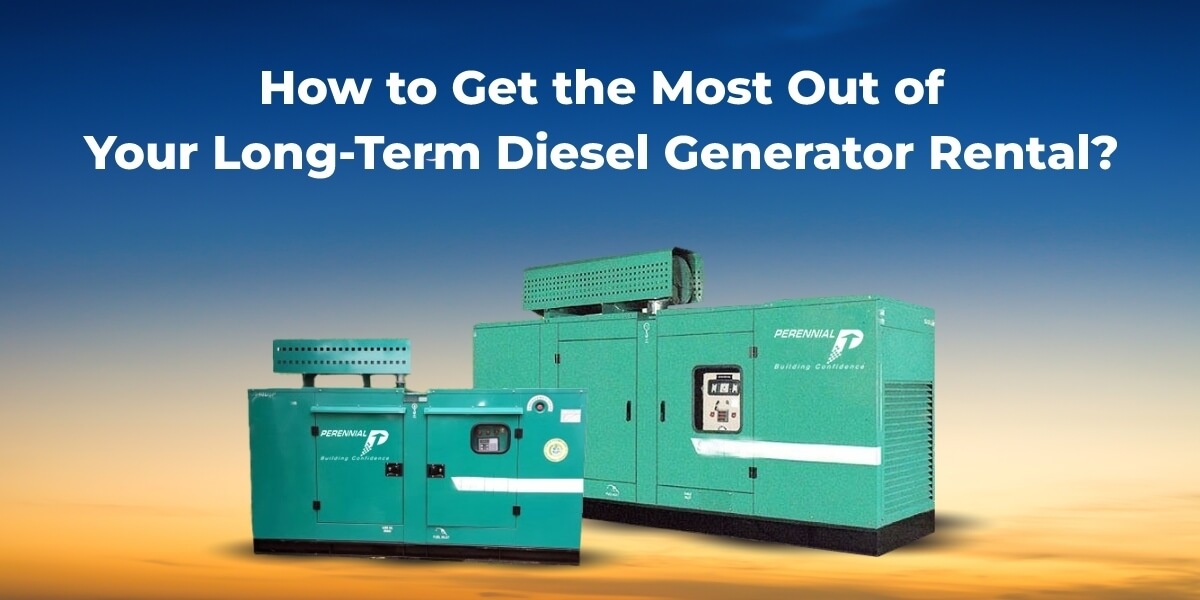
Credit: powerrental.co.in
Frequently Asked Questions
How Can I Improve Generator Efficiency?
To improve generator efficiency, regularly maintain the unit. Clean or replace filters, check oil levels, and ensure proper fuel quality. Load management is crucial; avoid overloading the generator. Additionally, keep the generator in a well-ventilated area to prevent overheating, which enhances overall performance.
What Size Generator Do I Need?
Choosing the right generator size depends on your power needs. Calculate the total wattage of devices you want to power. Consider both starting and running wattages. A generator should have a capacity that exceeds your total wattage by 20-25% for optimal performance and to avoid overloading.
How Often Should I Run My Generator?
It’s advisable to run your generator every month. This practice helps keep the engine lubricated and prevents fuel from going stale. During longer outages, run it for several hours to ensure reliability. Regular operation also allows you to identify any maintenance issues early on.
Can I Use A Generator Indoors?
No, you should never use a generator indoors. Generators emit carbon monoxide, a deadly gas that can accumulate quickly in enclosed spaces. Always operate generators outdoors, at least 20 feet away from windows and doors. This precaution ensures safety and prevents potential health hazards.
Conclusion
Using a generator wisely makes life easier. Follow the tips shared in this post. Keep your generator clean and well-maintained. Store fuel safely and check oil levels regularly. Always follow safety rules to avoid accidents. Be ready for power outages with a plan.
This way, you can use your generator effectively. Enjoy the benefits of having backup power. With care and knowledge, a generator can serve you well. Keep these tips in mind, and you will get the most out of your generator.