

When it comes to using your generator, safety should always come first. But do you really know how to ground your generator safely?
Grounding isn’t just a technical step—it’s a crucial way to protect yourself, your family, and your property from electric shocks and damage. Whether you’re running your generator during a power outage or setting it up for outdoor use, understanding when and how to ground it can make all the difference.
In this guide, you’ll discover simple, clear steps to ground your generator the right way. By the end, you’ll feel confident that your generator is safe and ready to power your needs without risks. Keep reading to make sure you’re not missing this vital safety step.
Grounding Basics For Generators
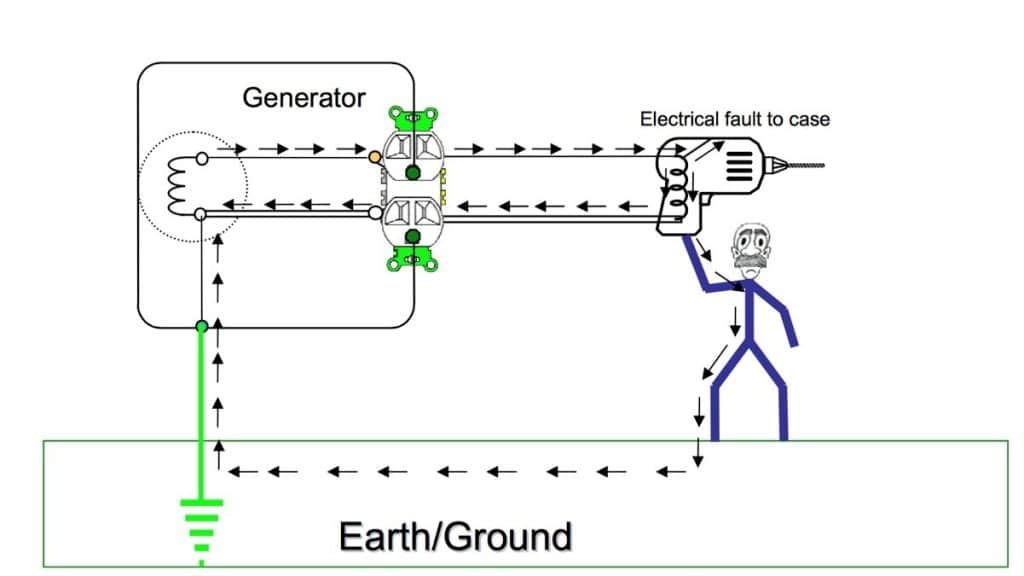
Grounding a generator is key for safety and performance. It prevents electric shocks and fires. Proper grounding directs stray electricity safely into the earth.
Understanding grounding basics helps you use your generator safely. It keeps you and your equipment protected. Follow simple steps to ground your generator the right way.
What Does Grounding Mean?
Grounding means connecting your generator to the earth. This connection stops electrical faults. It protects people from electric shocks. It also shields your devices from damage.
Why Grounding Your Generator Is Important
Generators can produce dangerous electrical faults. Grounding stops these faults from harming you. It also prevents fires caused by electrical sparks. Grounding ensures your generator works safely and reliably.
Types Of Generator Grounds
Some generators use a grounding rod driven into the soil. Others rely on bonding the neutral to the frame. The right method depends on your generator type and setup.
Safety Tips For Grounding
Always turn off the generator before grounding. Use a copper wire for the ground connection. Connect the wire firmly to the generator’s grounding bolt. Drive the grounding rod deep into moist soil.
When To Use A Ground Rod
Knowing when to use a ground rod for your generator is key to safe operation. Not all generators require a ground rod. Understanding the conditions that call for one helps avoid electrical hazards. Proper grounding protects you from shocks and equipment damage.
When To Ground With A Rod
- Standalone Operation:Use a ground rod if your portable generator runs alone. This applies to generators with a floating neutral that are not connected to a building’s electrical system.
- DIY Setup:A ground rod is needed when connecting a generator to a structure without proper grounding. This ensures a safe path for electrical faults.
How To Ground With A Rod
- Strip the wire end carefully to expose the metal conductor.
- Wrap the wire tightly around the ground rod for a secure connection.
- Attach the other end to the generator’s grounding bolt and tighten firmly.
When A Grounding Rod May Not Be Necessary
- Bonded Neutral Generator:Some generators have the neutral wire connected to the frame. This frame is already grounded, so an extra rod may not be needed.
- Connection to Home Electrical System:If the generator connects through a transfer switch to a properly grounded home system, a separate ground rod is often unnecessary.
Steps To Install A Ground Rod
Installing a ground rod is a key step to ground your generator safely. This process helps protect you from electric shocks and keeps your generator stable during operation. Follow these simple steps to install a ground rod correctly and ensure proper grounding.
Choose The Right Location For The Ground Rod
Pick a spot near your generator that is moist and free of rocks. Soft soil allows easier driving of the rod. Avoid areas where water pools or where the rod could be disturbed.
Drive The Ground Rod Into The Soil
Use a hammer or sledge to push the rod straight into the ground. The rod must be at least 8 feet long and driven fully vertical. Leave about 6 inches above the ground for wire connection.
Attach The Ground Wire To The Rod
Strip the end of the copper grounding wire. Wrap the wire tightly around the exposed part of the rod. Use a clamp or grounding lug to secure the connection firmly.
Connect The Other End To The Generator
Find the grounding bolt on your generator’s frame. Attach the free end of the grounding wire to this bolt. Tighten the bolt securely to ensure a solid electrical connection.
Credit: www.jadelearning.com
Generators With Bonded Neutrals
Generators with bonded neutrals have their neutral wire connected directly to the generator’s metal frame. This metal frame acts as a grounding point, creating a bond between neutral and ground. This design helps protect users from electrical shocks by providing a clear path for fault currents.
Understanding how to ground a generator with bonded neutrals is crucial. It ensures safety and compliance with electrical codes. These generators often do not require a separate grounding rod when used correctly.
What Does Bonded Neutral Mean?
Bonded neutral means the neutral wire is connected to the generator frame. The frame is grounded, so the neutral and ground are at the same electrical potential. This setup reduces the risk of electric shock during operation.
Grounding Requirements For Bonded Neutral Generators
Many bonded neutral generators do not need an additional ground rod. The generator frame provides the necessary grounding. Use the manufacturer’s instructions to confirm grounding needs. Proper bonding ensures safe current flow during faults.
Using Bonded Neutral Generators With Extension Cords
When powering devices with extension cords, the bonded neutral design still protects against shocks. Make sure cords are in good condition and connected correctly. Avoid using damaged or undersized cords to maintain safety.
Bonded Neutral Generators And Transfer Switches
Using a bonded neutral generator with a transfer switch requires care. The transfer switch may change grounding requirements. Follow local electrical codes and switch manufacturer guidelines to ensure safety and proper grounding.
Using Transfer Switches Safely
Using transfer switches safely is a key part of grounding your generator properly. Transfer switches prevent electrical backfeed. Backfeed can cause serious injury or damage to utility workers and your home. A transfer switch isolates the generator power from the utility grid. This separation keeps power flowing safely and legally.
Proper installation and use of transfer switches reduce risks. Follow all safety instructions and local electrical codes. Safety ensures your generator works as intended without hazards.
What Is A Transfer Switch?
A transfer switch is a device that connects your generator to your home’s electrical system. It switches the power source from the utility to the generator during outages. This switch stops electricity from flowing back into the power grid. It protects utility workers and your appliances.
Choosing The Right Transfer Switch
Select a transfer switch that matches your generator’s size and your home’s power needs. Using the wrong switch can cause overloads or failures. Consult an electrician if unsure. Use only switches that meet safety and electrical standards.
Installation Tips For Safety
Install transfer switches away from wet or damp areas. Use proper grounding techniques during installation. Connect the transfer switch to the main electrical panel. Never attempt DIY installation unless qualified. Improper installation can lead to electrocution or fire.
Using The Transfer Switch Correctly
Always turn off the main power before starting the generator. Switch to generator power only after the main power is off. Turn off the generator before switching back to utility power. Follow the manufacturer’s instructions carefully. This routine prevents damage and injury.
Risks Of Not Grounding Your Generator
Not grounding your generator creates serious safety hazards. It increases the chance of electric shock. The generator’s metal parts can become energized. This can cause severe injury or death. Electrical fires also become more likely without grounding. The generator may send unwanted current through unintended paths. This can damage appliances and wiring. Grounding controls stray voltage and directs it safely into the earth. Ignoring this step puts users and property at risk.
Electric Shock Hazards
Without proper grounding, the generator frame can carry electrical current. Touching the generator might result in a strong shock. This is especially dangerous in wet or damp conditions. Grounding provides a safe path for electricity to flow into the ground. It helps protect anyone near the generator from harm.
Fire Risks
Ungrounded generators can cause sparks or arcs. These sparks may ignite nearby flammable materials. Faulty wiring or overloads can worsen the risk. Grounding reduces the chance of electrical fires by stabilizing voltage. It helps keep your home and surroundings safer during generator use.
Damage To Appliances And Equipment
Electric current can travel through appliances if the generator is not grounded. This can cause permanent damage to sensitive electronics. Power surges and short circuits become more frequent. Grounding limits electrical faults and protects your devices. It helps maintain the longevity of connected equipment.
Code Violations And Legal Issues
Many local electrical codes require generators to be grounded. Not grounding your generator can result in fines or penalties. Insurance claims may be denied after damage caused by ungrounded generators. Following grounding rules ensures compliance with safety standards. It avoids legal troubles and extra costs.
Tools And Materials Needed
Grounding a generator safely requires specific tools and materials. Using the right items ensures a secure and effective grounding connection. Prepare all necessary tools before starting the process. This preparation saves time and avoids mistakes.
Gather materials that meet safety standards. Quality tools help prevent electrical hazards. Below are the essential tools and materials needed for grounding your generator.
Grounding Rod
A grounding rod is a metal rod driven into the ground. It provides a path for electrical current to safely dissipate. Copper or copper-clad rods work best due to their conductivity and resistance to corrosion.
Grounding Wire
Use a thick copper grounding wire to connect the generator to the grounding rod. The wire must be long enough to reach from the generator to the rod. It should have good insulation and be resistant to weather.
Wire Strippers
Wire strippers remove the insulation from the grounding wire ends. Clean wire ends ensure a good connection. Choose a wire stripper suitable for the wire gauge you use.
Wrench Or Socket Set
A wrench or socket set tightens the grounding wire to the generator’s grounding bolt. Secure connections prevent loose wiring, which can cause faults. Match the wrench size to your generator’s grounding bolt.
Hammer Or Mallet
Use a hammer or mallet to drive the grounding rod into the earth. The rod must be deep enough to provide a solid ground. A rubber mallet can protect the rod’s surface during installation.
Voltage Tester
A voltage tester checks if the generator is properly grounded. It detects voltage leaks or grounding faults. This tool adds an extra layer of safety before generator use.
Checking Local Codes And Regulations
Checking local codes and regulations is a crucial first step to ground your generator safely. Rules vary widely by location and often dictate specific grounding requirements. Following these rules ensures safety and legal compliance.
Ignoring local codes can lead to unsafe setups and potential fines. Electric codes exist to protect people from electrical hazards. They also help prevent damage to equipment.
Understanding Your Local Electrical Code
Every area has its own electrical code. These codes define how to install and ground generators properly. Find your local electrical code online or at your local government office. Study the sections related to generator grounding.
Local codes usually reference the National Electrical Code (NEC). The NEC sets the minimum safety standards for electrical installations. Your local code may have stricter rules than the NEC.
Contacting Local Authorities Or Inspectors
Contact your local building or electrical inspector. These officials can clarify code requirements for generator grounding. They may provide specific guidelines for your property. Ask about permits or inspections needed before starting work.
Inspectors can also advise on approved grounding methods. Their input reduces the risk of code violations. It makes sure your generator setup passes official inspections.
Common Grounding Requirements To Expect
Local codes often require a ground rod for portable generators. The rod must be driven a certain depth into the earth. The grounding wire size and connection method are also specified.
Some areas require bonding the generator’s neutral to the grounding system. Others may allow floating neutral generators without a ground rod. Knowing these details is vital for safe installation.
Following local rules helps avoid electrical shocks and fire hazards. It protects your home, family, and equipment.
Consulting Professionals For Safety
Consulting professionals ensures safe and correct grounding of your generator. They have the knowledge and tools to handle electrical systems properly. Mistakes in grounding can cause electric shocks or damage. Experts follow local codes and manufacturer guidelines. This reduces risks and ensures your system works well. Hiring a professional brings peace of mind during installation and use.
Why Hire A Licensed Electrician?
Licensed electricians know grounding rules and safety standards. They understand different generator types and their needs. Electricians avoid common errors that can cause hazards. They verify connections and test grounding effectiveness. This service helps protect your home and family from electrical faults.
What To Expect During A Professional Consultation
The expert inspects your generator and location. They check soil conditions and grounding options. They assess your home’s electrical system for compatibility. The professional explains grounding methods and safety tips. They provide a clear plan and cost estimate before work starts.
Benefits Of Professional Grounding Services
Professionals ensure the grounding meets local electrical codes. They use proper tools and materials for durable results. Grounding done right improves generator performance and longevity. It reduces the chance of electric shock or fire. Professionals also provide advice on generator maintenance and safety.

Credit: factorydirectsupplyonline.com
Common Grounding Mistakes To Avoid
Grounding your generator is vital for safety and proper function. Many people make simple mistakes that can cause serious problems. Avoiding these errors ensures your generator runs safely and protects you from electrical shocks.
Understanding common grounding mistakes helps you prevent hazards and equipment damage. Pay close attention to these key points to keep your setup safe.
Using The Wrong Grounding Rod
Not all grounding rods are the same. Using a rod made of improper material or too short can cause poor grounding. Copper or galvanized steel rods at least 8 feet long work best.
Ignoring Manufacturer’s Instructions
Each generator model has specific grounding requirements. Skipping the manual or using generic advice leads to unsafe setups. Follow the instructions carefully for correct grounding.
Failing To Check Local Codes
Local electrical codes vary and must be followed. Some areas require special grounding methods or inspections. Ignoring codes risks fines and unsafe installations.
Improper Connection To The Grounding Rod
Loose or corroded connections reduce grounding efficiency. Always strip wire ends properly and tighten clamps firmly. Use corrosion-resistant materials for lasting contact.
Not Testing The Grounding System
After installation, testing the grounding system is crucial. Use a ground tester or multimeter to verify low resistance. Untested grounds may fail during a fault.
Mixing Neutral And Ground Wires
Neutral and ground wires serve different purposes and should not be connected together. Mixing them can cause dangerous electrical currents and shock risks.
Credit: www.jadelearning.com
Frequently Asked Questions
How To Properly Ground Your Generator?
Strip the grounding wire’s end and wrap it tightly around a grounding rod. Connect the other end to the generator’s grounding bolt. Use a rod if operating standalone or if the structure lacks proper grounding. Otherwise, bonded neutral generators or transfer switch connections may not need a separate ground rod.
What Happens If A Generator Is Not Grounded?
Not grounding a generator risks electric shock, equipment damage, and code violations. Proper grounding ensures user safety and stable operation.
How Long Does A Grounding Rod For A Generator Need To Be?
A grounding rod for a generator typically needs to be at least 8 feet long. This length ensures proper electrical safety and effective grounding. Always check your generator’s manual and local electrical codes for specific requirements.
What Can I Use As A Grounding Rod For My Generator?
Use a copper or galvanized steel rod at least 4 to 8 feet long as a grounding rod for your generator. Drive it fully into the ground. Attach a grounding wire tightly from the rod to the generator’s grounding terminal for safety.
What Does Grounding A Generator Mean?
Grounding connects the generator to the earth to prevent electric shocks.
Why Is Grounding A Generator Important?
It reduces the risk of electric shock and protects equipment from damage.
When Should I Use A Grounding Rod?
Use a grounding rod if your generator is standalone or has a floating neutral.
How Do I Know If My Generator Needs Grounding?
Check if the neutral is bonded; unbonded neutrals usually require grounding.
Can I Use My Generator Without Grounding It?
Yes, if it has a bonded neutral and is connected properly to a home system.
What Materials Do I Need To Ground A Generator Safely?
You need a grounding rod, grounding wire, wrench, and safety gloves.
Conclusion
Grounding your generator protects you and your equipment. Follow safety steps carefully. Use a grounding rod if your generator operates alone or on ungrounded systems. Check if your generator has a bonded neutral; it may not need extra grounding. Always connect the ground wire securely to the rod and generator.
Read your manual for specific instructions and local codes. Proper grounding reduces shock risk and keeps your generator running safely. Stay safe and enjoy reliable power when you need it most.