
Use a manufacturer-approved WEN parallel kit and a proper transfer switch for safe synchronization.
I’ve spent years working with portable generators and home backup systems, and I’ll walk you through how to hook up two generators in parallel WEN so you can safely double your power output. This guide covers compatibility checks, the parts you need, step-by-step hookup, testing, troubleshooting, safety rules, and real-world tips from hands-on experience to help you complete the job confidently and legally.
Why parallel two generators?
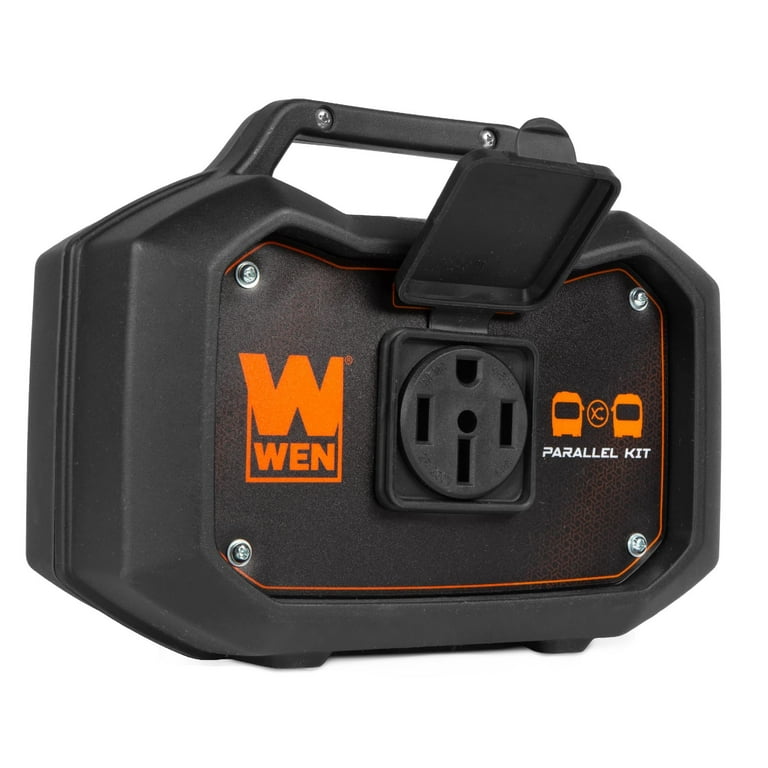
Parallel operation lets you combine two smaller generators to supply more watts than a single unit. This is handy when you need extra power but prefer the portability and fuel efficiency of two inverter generators. Learning how to hook up two generators in parallel WEN helps you avoid overloads, reduce runtime stress on each unit, and gain redundancy—if one unit fails, the other can still carry some load.
Benefits include:
- Increased total wattage without buying a single, larger generator.
- Improved fuel economy at partial loads.
- Redundancy and flexibility in location and transport.
Limitations include:
- Both generators must be compatible and properly synchronized.
- You need a correct parallel kit or an approved paralleling system.
- Improper hookup risks damage, fire, or backfeeding to the grid.
Is your setup compatible?
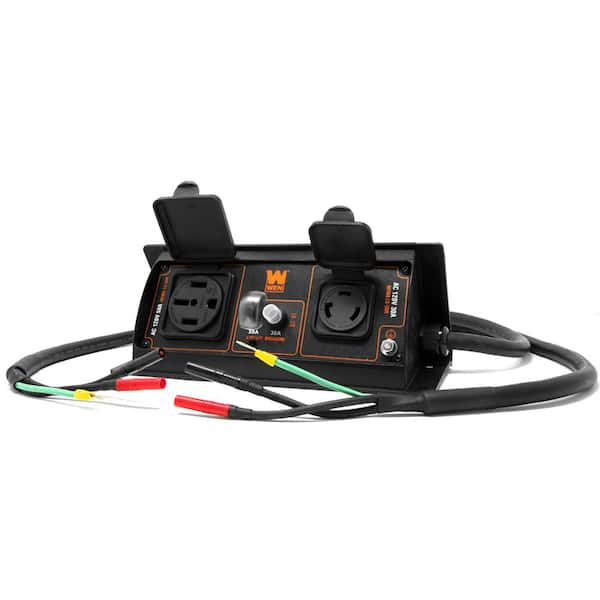
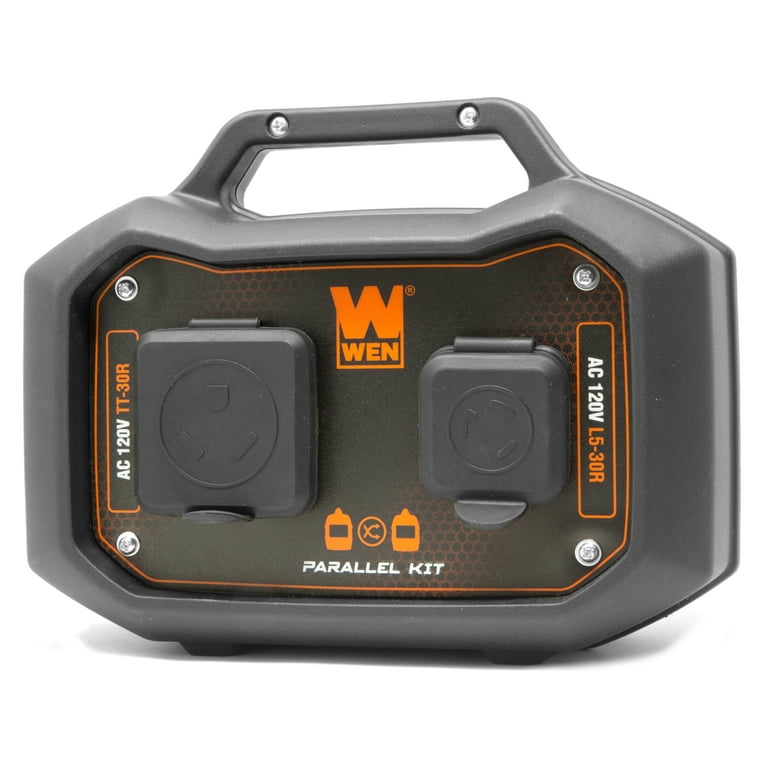
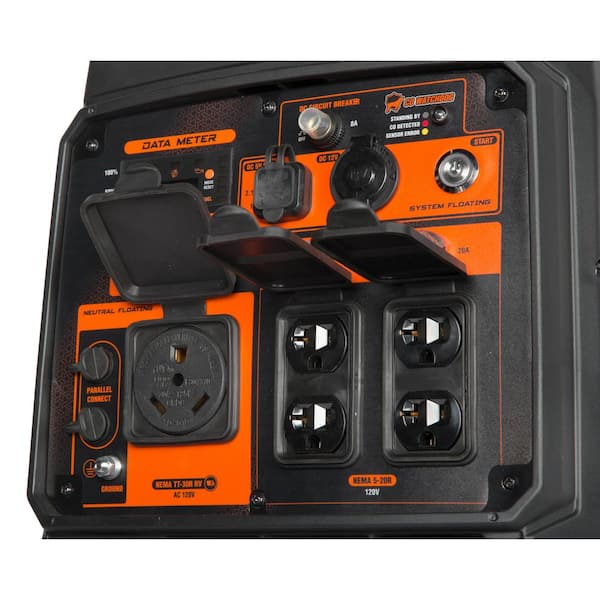
Not all generators can be paralleled. Many WEN inverter generators include a dedicated parallel outlet and sell an approved WEN parallel kit. Check your owner’s manual and generator labels first. If your WEN models are not designed for parallel use, do not attempt direct wiring; use a transfer switch or consult a licensed electrician.
Quick compatibility checklist:
- Both generators are the same model or explicitly listed as parallel-capable.
- Parallel kit is WEN-approved or manufacturer-specified.
- Control and grounding systems match manufacturer instructions.
- Output voltage and frequency ratings match exactly.
If you’re unsure, contact WEN support or an electrician. Trying to parallel non-compatible units is unsafe and can void warranties.

Tools and parts you’ll need
Gather gear before you start. Using the right kit and safety devices makes hookup smooth and safe.
Required items:
- WEN parallel kit designed for your generator models
- Heavy-duty paralleling cable (usually included with kit)
- Manual transfer switch or automatic transfer switch (ATS) for home connection
- Proper gauge extension cords and connectors rated for expected load
- Multimeter to check voltage and frequency
- Safety gear: gloves, eye protection, and carbon monoxide (CO) detector
- Grounding rod and ground clamp if local code requires
Recommended:
- Circuit breakers or fuses sized to each generator output
- Surge protection between generators and loads

Step-by-step: how to hook up two generators in parallel WEN
Follow these steps slowly. Safety first: shut down both generators and disconnect all loads before making connections.
- Verify generator models and read manuals
- Confirm both WEN units are parallel-capable and that you have the correct parallel kit.
- Read the parallel kit instructions thoroughly.
- Position generators safely
- Place units outdoors on level ground, at least several feet from walls and vents.
- Ensure good airflow and no combustible materials nearby.
- Grounding and safety setup
- Attach grounding as per local code and the WEN manual.
- Place CO detectors in nearby indoor spaces and keep people away during testing.
- Connect the parallel kit or cord
- With both generators off, plug the parallel cable into each generator’s parallel port per kit instructions.
- Ensure connectors are tight and dry.
- Start generators one at a time
- Start generator A first. Let it stabilize for a few minutes.
- Start generator B next. Allow frequency and RPM to stabilize.
- Engage paralleling
- Follow the kit’s method to tie outputs together. Many WEN kits handle synchronization electronically.
- Confirm combined output on the kit indicator or by measuring voltage and frequency with a multimeter.
- Transfer loads safely
- If powering a building, use a transfer switch to shift circuits to generator power. Never connect generators directly to building wiring without a transfer device.
- Turn on essential loads first, then add others gradually. Watch for overload lights or tripping breakers.
- Monitor performance
- Keep an eye on oil pressure, temperature, and stability.
- Balance loads between units if one side appears more strained.
Common pitfalls to avoid:
- Do not tie generator outputs directly with homemade wiring.
- Do not parallel different brands or models unless explicitly allowed.
- Do not connect to the grid without an interlock or transfer switch.

Testing and troubleshooting
Testing verifies safe, stable parallel operation before you put real loads on the system.
Basic tests:
- No-load test: Connect the paralleling cable, start both units, and verify stable voltage and frequency for 10–15 minutes.
- Incremental load test: Add loads gradually. Watch for voltage droop or frequency shift.
- Circuit test: If using a transfer switch, exercise it to ensure circuits switch cleanly.
Troubleshooting tips:
- If voltage fluctuates, stop and re-check the parallel connections and generator RPM stability.
- If breakers trip, reduce load and check for short circuits or incorrect gauge wiring.
- If kits won’t synchronize, confirm firmware or kit compatibility with your WEN model.
If problems persist, disconnect and consult the manual or a qualified technician. Avoid working live on energized connections.
Safety, codes, and best practices
Safety and code compliance matter. Connecting generators incorrectly causes hazards to life and property.
Key safety rules:
- Always use a transfer switch or approved interlock to prevent backfeeding the grid.
- Follow National Electrical Code (NEC) and local codes for grounding, bonding, and installation.
- Hire a licensed electrician for permanent home installations and to certify wiring.
- Keep generators outdoors and away from windows to prevent CO infiltration.
- Maintain proper fuel storage and safe refueling practices.
Documentation and inspections:
- Keep manuals, kit paperwork, and serial numbers. They help with warranty and troubleshooting.
- Schedule a basic electrical inspection after installation if local authorities require it.
Maintenance and real-world tips
From my experience installing parallel WEN units for backup power, these practical tips save time and headaches.
What worked for me:
- I always labeled generator cords and switch positions. It prevents mistakes during emergencies.
- Run periodic no-load tests monthly to keep the units exercised and to spot smoke or vibration early.
- Use the same type and age of fuel in both tanks to ensure even engine response.
Mistakes I learned from:
- I once tried to parallel two different WEN models. The sync lights behaved oddly and I had to stop and redo the setup with matching units.
- Skipping transfer switch installation to save money almost led to a dangerous backfeed risk. Hire a pro for grid-tied work.
Practical tips:
- Store the parallel cable with the generators so you’re ready when needed.
- Keep spare oil and basic parts on hand for extended outages.
Frequently Asked Questions of how to hook up two generators in parallel wen
What models of WEN can be paralleled?
Many WEN inverter generators designed with a parallel port can be paired. Check the owner’s manual or product label to confirm parallel capability.
Can I parallel two different WEN models?
It is generally recommended to parallel only identical models or units explicitly approved for mixed-paralleling by WEN. Mismatched units can cause synchronization issues.
Do I need a licensed electrician to hook up two generators in parallel?
For portable, temporary setups you can follow the kit instructions, but for permanent home connections or grid tie-in you should hire a licensed electrician to meet code and safety requirements.
What is the risk of not using a transfer switch?
Without a proper transfer switch, you risk backfeeding the grid, electrocution to utility workers, and damaging your generator or home wiring.
How often should I test a parallel generator setup?
Run a no-load test monthly and a short load test quarterly. This keeps components exercised and helps catch issues early.
Conclusion
Parallel operation offers a practical way to get more power from two WEN generators without buying a larger unit. Follow manufacturer instructions, use an approved parallel kit, install a transfer switch for home wiring, and always prioritize safety and code compliance. Start with compatibility checks, gather the right tools, follow the step-by-step hookup, test carefully, and call a pro when needed. Take action today by checking your generator manuals and getting the correct WEN parallel kit—then practice a safe test run to make sure you’re ready for real use. Leave a comment with your setup or questions, and subscribe for more practical generator tips.