

You rely on your electric start generator to power through emergencies and keep your daily routines running smoothly. But have you ever wondered how to make sure your generator’s battery stays healthy and ready when you need it most?
A weak or dead battery can leave you stranded at the worst possible moment. The good news is, with a few simple steps, you can extend your battery’s life and keep your generator performing at its best. You’ll discover practical tips to maintain your electric start generator battery, avoid common pitfalls, and save money on costly replacements.
Keep reading to ensure your power source never lets you down.

Credit: truegear.com.au
Battery Types In Generators
Understanding the types of batteries used in electric start generators helps maintain their health. Each battery type has unique features and care needs. Choosing the right battery and caring for it properly improves generator performance and lifespan.
Lead-acid Batteries
Lead-acid batteries are the most common in generators. They are affordable and reliable. These batteries need regular charging to avoid damage. Keep the terminals clean to prevent corrosion. Check electrolyte levels if your battery is not sealed. Avoid deep discharges to extend battery life.
Lithium-ion Batteries
Lithium-ion batteries are lighter and last longer than lead-acid. They charge faster and handle more cycles. These batteries require less maintenance but need protection from extreme temperatures. They cost more but offer better performance. Store them in a cool, dry place when not in use.
Nickel-cadmium (nicd) Batteries
NiCd batteries are durable and work well in cold climates. They tolerate deep discharges better than lead-acid batteries. These batteries need periodic full discharge to avoid memory effect. They have a longer lifespan but contain toxic materials. Proper disposal is important for the environment.
Monthly Battery Inspection
Monthly battery inspection is essential for keeping your electric start generator in top shape. Regular checks help spot problems early, preventing unexpected failures. This simple step extends battery life and ensures reliable starts every time.
Visual Check For Physical Damage
Look closely at the battery casing for cracks or swelling. Damage can cause leaks or internal failure. Also, inspect the terminals for corrosion or rust. Clean terminals improve electrical connection and battery performance.
Test Battery Voltage
Use a voltmeter to check the battery’s voltage monthly. A healthy battery usually reads around 12.6 volts or more. Low voltage indicates the battery needs charging or replacement. Regular voltage checks keep your generator ready to start.
Clean Battery Terminals
Remove any dirt or corrosion on the terminals with a wire brush. Clean terminals prevent power loss and improve starting power. Apply a thin layer of petroleum jelly to protect against future corrosion.
Check Electrolyte Levels (for Lead-acid Batteries)
Open the battery caps carefully and check the fluid level. If low, add distilled water to the correct level. Avoid overfilling, which can cause damage. Proper electrolyte levels keep the battery healthy and efficient.
Maintaining Full Charge
Maintaining a full charge in the battery of your electric start generator ensures reliable performance. A fully charged battery avoids sudden power loss and extends battery life. Keeping the battery charged also prevents damage caused by deep discharges.
Regular charging preserves the chemical balance inside the battery. It helps the battery deliver power when you need it most. Neglecting the charge can cause the battery to weaken and fail early.
Use A Smart Battery Charger
A smart battery charger adjusts the charging rate automatically. It stops charging once the battery is full. This prevents overcharging, which can harm the battery. Using the right charger keeps the battery healthy and ready.
Charge After Every Use
Charging the battery after each use keeps it in top condition. Even if the generator runs for a short time, the battery may lose some power. Recharging it quickly restores the full charge and readiness for the next use.
Store Generator With Full Charge
When storing your generator for a long period, keep the battery fully charged. A full charge stops the battery from draining completely. Store the generator in a cool, dry place to protect the battery further.
Check Battery Voltage Regularly
Use a voltmeter to check the battery’s charge level often. This helps you spot low voltage early. If the voltage drops, recharge the battery before it gets too low. Maintaining the voltage extends battery life and reliability.
Testing Voltage And Load
Testing voltage and load is a key step in keeping your electric start generator’s battery healthy. It shows the battery’s current condition. This helps prevent sudden failures and extends battery life.
Regular checks catch problems early. You can fix issues before they cause big damage. Testing is simple and does not need special tools.
Measuring Battery Voltage
Use a digital multimeter to check battery voltage. Connect the meter’s red lead to the positive terminal. Connect the black lead to the negative terminal. Read the voltage on the display.
A fully charged 12-volt battery usually shows about 12.6 volts. If the voltage is below 12.4 volts, recharge the battery. Low voltage means the battery is weak or partially discharged.
Performing A Load Test
A load test shows how the battery handles a heavy electrical demand. Use a battery load tester or a carbon pile tester. Apply the load for 10 to 15 seconds while watching the voltage.
If the voltage drops below 9.6 volts during the test, the battery may need replacing. A good battery keeps voltage above this level under load.
Interpreting Test Results
High voltage with no load but low under load means weak battery capacity. Low voltage both with and without load means the battery is discharged or failing. Regular testing helps track battery health over time.
Cleaning Battery Terminals
Cleaning battery terminals is a simple step that helps keep your electric start generator working well. Dirt, dust, and corrosion can build up on terminals. This buildup blocks the flow of electricity. It makes the battery work harder and lose power faster.
Regular cleaning stops these problems. It keeps the connection strong and helps the battery last longer. Clean terminals also reduce the risk of sudden battery failure. This is important for emergency use or regular power needs.
Gathering The Right Tools
Start by collecting the tools you need. You will need a wrench, a wire brush, baking soda, water, and a clean cloth. Gloves and safety glasses protect your hands and eyes. These tools make cleaning safe and easy.
Disconnecting The Battery Safely
Always disconnect the battery before cleaning. First, turn off the generator. Remove the negative terminal cable using the wrench. Then, remove the positive cable. This prevents sparks and short circuits during cleaning.
Cleaning The Terminals
Mix baking soda with water to make a paste. Apply this paste to the terminals and cable ends. Use the wire brush to scrub away corrosion. The baking soda helps break down the acid and grime. Wipe everything clean with a damp cloth.
Drying And Reconnecting
Make sure the terminals are dry before reconnecting. Use a clean cloth to remove any moisture. Reattach the positive cable first, then the negative cable. Tighten the connections with a wrench. Check for a snug fit but avoid over-tightening.
Safe Storage Conditions
Proper storage plays a key role in keeping your electric start generator’s battery healthy. Batteries can lose charge or get damaged if stored incorrectly. Safe storage conditions help extend battery life and keep your generator ready to start when needed.
Storing the battery in the right environment prevents problems like corrosion and capacity loss. Follow these guidelines to protect your battery during periods of non-use.
Keep Battery In A Cool, Dry Place
Store the battery in a place where temperature stays between 50°F and 77°F (10°C to 25°C). Avoid areas with extreme heat or cold. High temperatures speed up battery discharge and damage internal parts. Cold can reduce battery power and cause freezing in some types.
Choose a dry area to prevent moisture buildup. Moisture leads to corrosion and short circuits. A well-ventilated space helps keep humidity low.
Disconnect The Battery From The Generator
Remove the battery cables before storage. This stops any electrical drain from the generator’s system. Leaving the battery connected can slowly drain it over time. Disconnecting also reduces risks of sparks or damage during storage.
Maintain A Partial Charge During Storage
Keep the battery at a partial charge, around 50% to 70%, during long storage periods. A fully charged battery stays healthier. A discharged battery can develop sulfation, lowering its capacity. Use a smart charger or trickle charger to maintain this charge safely.
Check And Clean Battery Terminals Regularly
Inspect battery terminals every few weeks during storage. Clean off any corrosion or dirt using a mixture of baking soda and water. Dirty or corroded terminals reduce battery efficiency and can cause starting issues. Dry terminals fully before reconnecting or charging.
Temperature Effects On Battery
Batteries in electric start generators react strongly to temperature changes. Both heat and cold affect their performance and lifespan. Understanding these effects helps protect your battery and keep your generator ready to start.
Extreme temperatures cause chemical changes inside the battery. These changes reduce its ability to hold a charge. Maintaining a stable temperature environment can extend battery life significantly.
Cold Temperature Effects On Battery
Cold weather slows down the chemical reactions inside the battery. This reduces its capacity to deliver power. The battery may struggle to start the generator in freezing conditions. Prolonged exposure to cold can cause permanent damage and lower overall battery life.
High Temperature Effects On Battery
Heat increases the battery’s chemical activity, which may sound good at first. But high temperatures speed up battery aging and cause water loss inside. This leads to swelling, leaks, and reduced battery life. Batteries stored or used in hot places need extra care and monitoring.
Tips To Manage Battery Temperature
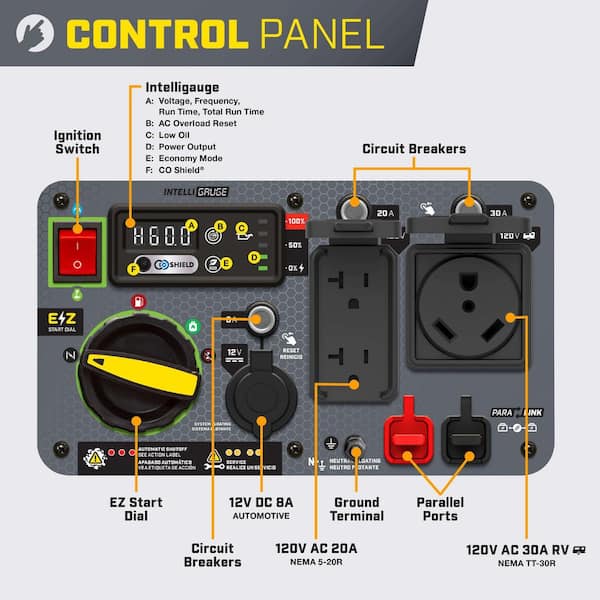
Store the generator and battery in a cool, dry place. Avoid leaving the generator in direct sunlight or near heat sources. Use insulation or a battery heater in cold climates to keep the battery warm. Regularly check the battery for signs of temperature damage like swelling or corrosion.
Credit: www.homedepot.com
Replacing Old Batteries
Replacing old batteries is crucial for keeping electric start generators reliable. Over time, batteries lose their ability to hold a charge. This can cause your generator to fail when you need it most. Regular replacement ensures consistent performance and prevents unexpected breakdowns.
Old batteries may show signs like slow starts or corrosion around terminals. Ignoring these signs can lead to complete battery failure. Replacing the battery promptly saves time and money on repairs. It also improves the overall efficiency of your generator.
Signs It’s Time To Replace Your Generator Battery
Look for swelling, cracks, or leaks on the battery case. Check if the generator takes longer to start. Corroded or rusted terminals are a clear warning. If the battery voltage is low even after charging, replacement is needed.
Choosing The Right Battery For Your Generator
Select a battery that matches your generator’s voltage and size requirements. Use high-quality batteries from trusted brands for better durability. Avoid cheaper batteries that may fail quickly. Check the battery specifications recommended by the manufacturer.
Proper Installation Of A New Generator Battery
Turn off the generator before starting the installation. Disconnect the old battery carefully to avoid sparks. Clean the battery terminals and cable connectors. Connect the new battery securely, matching the positive and negative terminals. Test the generator to ensure it starts smoothly.
Disposing Of Old Batteries Safely
Do not throw old batteries in the trash. Take them to a recycling center or a battery disposal facility. Proper disposal protects the environment and prevents hazardous leaks. Follow local regulations for battery recycling and disposal.
Using Quality Replacement Parts
Using quality replacement parts plays a crucial role in maintaining battery health in electric start generators. Poor parts can cause damage, reduce battery life, and lead to frequent failures. Choosing the right components ensures smooth operation and longer battery life.
Many parts affect battery performance, including terminals, cables, and connectors. Using authentic, high-grade parts helps keep a strong connection and prevents corrosion. This reduces resistance and power loss during starting.
Choosing Genuine Manufacturer Parts
Always select parts from the generator’s manufacturer or trusted brands. Genuine parts fit perfectly and meet strict quality standards. They provide reliable performance and prevent compatibility issues that cheap parts may cause.
Using High-quality Battery Terminals And Cables
Terminals and cables must handle high current without overheating. High-quality materials resist corrosion and maintain a stable connection. This protects the battery and improves electrical flow during startup.
Replacing Worn Or Damaged Components Promptly
Inspect parts regularly and replace any worn or damaged ones quickly. Faulty parts increase strain on the battery and may cause failures. Timely replacement maintains efficient battery charging and discharging.
Benefits Of Investing In Quality Parts
Quality parts reduce maintenance costs and extend battery life. They improve generator reliability and prevent sudden breakdowns. Spending a little more on parts saves money and hassle over time.
Credit: www.nytimes.com
Following Manufacturer Guidelines
Always follow the manufacturer’s instructions to keep your generator battery in good condition. Proper charging, cleaning terminals, and regular checks help maintain battery health and extend its life. Ignoring these guidelines can lead to poor performance and shorter battery lifespan.
Understanding The Importance Of Manufacturer Guidelines
Following the manufacturer’s instructions helps protect your generator’s battery. These guidelines are based on careful testing and design. They show the best ways to use and care for your battery. Ignoring them can shorten battery life or cause damage.
Manufacturers provide clear steps for charging, storage, and maintenance. Sticking to these steps keeps your battery healthy and reliable. It also keeps your generator ready to start when needed.
Charging Procedures Recommended By Manufacturers
Most electric start generators need specific charging routines. The manual often explains how long to charge and what voltage to use. Overcharging or undercharging can harm the battery. Follow the suggested charging times exactly.
Use the recommended charger type. Some batteries require smart chargers with automatic shut-off features. This prevents overcharging and extends battery life.
Proper Storage As Advised By The Manufacturer
Store your generator and battery in a dry, cool place. The manual usually lists ideal temperature ranges. Extreme heat or cold can damage the battery internally. If the generator is stored for a long time, follow storage charging tips.
Some manufacturers suggest disconnecting the battery during long storage. Others recommend periodic charging to keep the battery active. Always follow the storage advice to avoid battery failure.
Routine Maintenance According To The User Manual
The manufacturer often advises on cleaning battery terminals and checking connections. Dirt and corrosion reduce battery efficiency. Use a soft cloth or brush for cleaning as instructed. Avoid harsh chemicals that can damage battery parts.
Regular inspection helps spot issues early. Manuals may provide a checklist for battery care. Following this keeps the generator starting smoothly and avoids unexpected battery problems.
Frequently Asked Questions
How Can I Make My Generator Battery Last Longer?
Inspect your generator battery monthly and keep it fully charged. Clean terminals regularly and avoid deep discharges. Store the generator in a stable, temperature-controlled environment. Follow the manufacturer’s maintenance guidelines to extend battery life effectively.
Do Electric Start Generators Charge Their Own Battery?
Electric start generators usually charge their own battery while running. The engine powers an internal alternator that maintains battery charge. Regular use helps keep the battery healthy. Always follow the manufacturer’s maintenance guidelines to ensure proper battery charging and longevity.
How Do You Maintain A Generator Battery?
Inspect the battery monthly for corrosion and damage. Keep it fully charged and clean terminals regularly. Store in a stable, cool environment. Test voltage and load often. Follow the manufacturer’s maintenance guidelines for best results.
What Is The Life Expectancy Of A Generator Battery?
A generator battery typically lasts 3 to 5 years. Regular maintenance and proper storage can extend its lifespan. Avoid deep discharges and extreme temperatures to keep it healthy.
How Often Should I Check My Generator Battery Health?
Check your generator battery health at least once a month to catch issues early.
What Is The Best Way To Keep A Generator Battery Charged?
Keep the battery fully charged by running the generator regularly or using a battery maintainer.
Can Cold Weather Affect My Generator Battery Life?
Yes, cold weather slows chemical reactions, reducing battery performance and lifespan.
How Do I Clean Corrosion From Battery Terminals Safely?
Use a mixture of baking soda and water with a brush to gently clean terminals.
Does Storing A Generator Affect Its Battery Health?
Storing a generator without charging the battery can cause it to lose power and fail.
What Voltage Level Indicates A Healthy Generator Battery?
A fully charged 12V battery should read about 12. 6 volts or higher.
Conclusion
Maintaining battery health in electric start generators takes simple, regular steps. Check the battery often for damage or corrosion. Keep it fully charged to avoid deep discharges. Clean terminals to ensure strong connections. Store the generator in a cool, dry place to protect the battery.
Follow the manufacturer’s maintenance advice closely. These small efforts help your battery last longer and keep your generator ready. A well-cared battery means reliable starts and fewer worries. Stay consistent, and your generator will serve you well for years.